Shavuot marks the giving of the Torah at Sinai and the agricultural harvest that completes the spring cycle in Israel. Observed seven weeks after Passover, the holiday blends study and festivity: communities hold late-night learning sessions, read the Ten Commandments in synagogue, and decorate homes and worship spaces with flowers and greenery to evoke the hilltops and fields of spring. Food also plays a central role — dairy dishes such as cheesecakes, blintzes, and cheeses are commonly served, a custom remembered in many families and communities. Though its religious meaning centers on covenant and learning, Shavuot is also lived as a seasonal celebration of renewal, gratitude for the land’s produce, and gathering with family and friends.
Gift-giving on Shavuot is less formalized than on other holidays, but it has long fit naturally into the day’s themes. Flowers and potted plants honor the holiday’s pastoral associations and add freshness to home and table; food gifts — elegant cheeses, honey, baked goods, or a selection of pastries — suit festive meals and hostesses. When giving to students or teachers, books of Torah study, commentaries, or beautifully printed siddurim and notebooks reinforce the holiday’s focus on learning. Gifts for families often aim to enhance communal sharing: specialty foods that can be served at a celebratory dairy meal, attractive tableware for hosting, or small ritual items that invite further study and discussion.
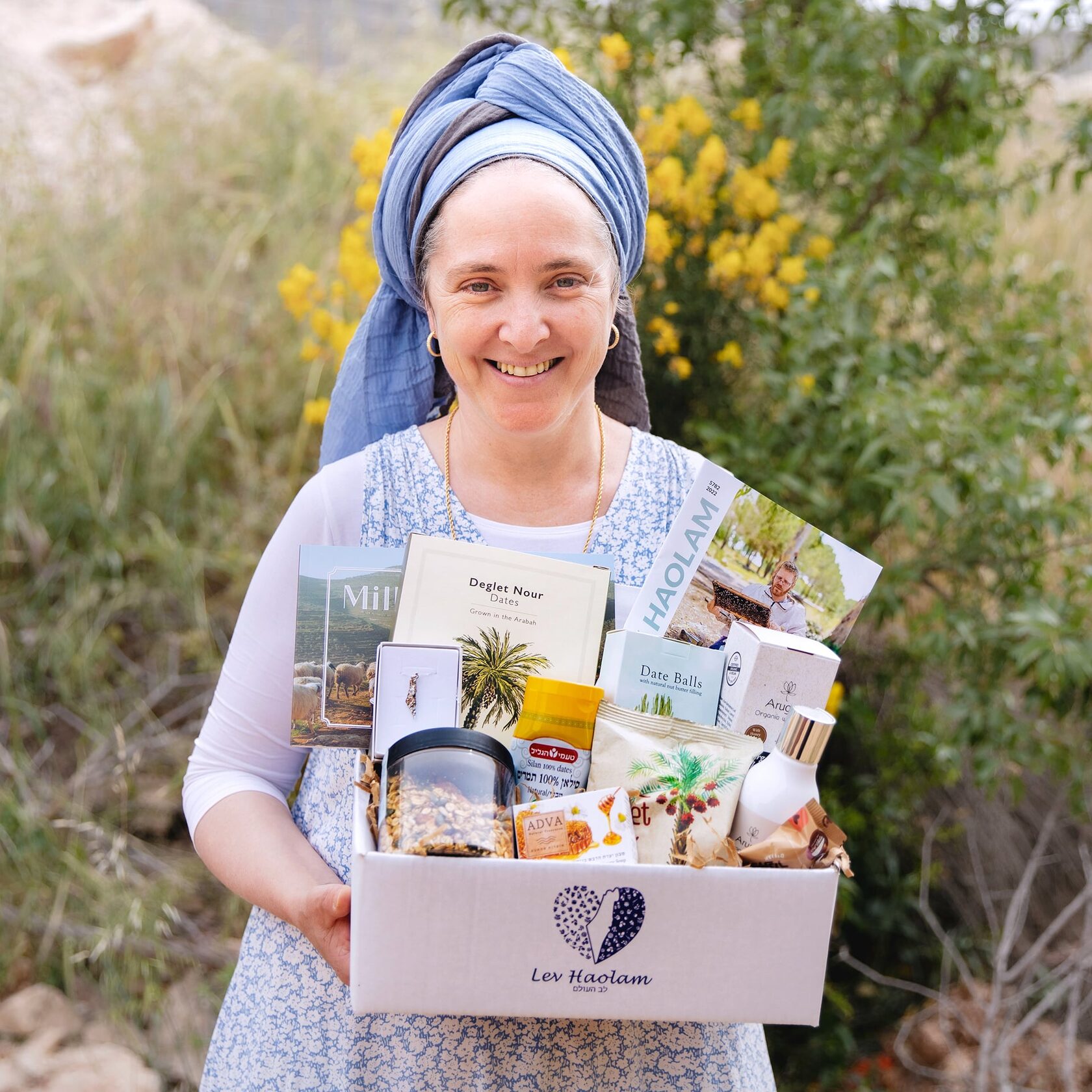
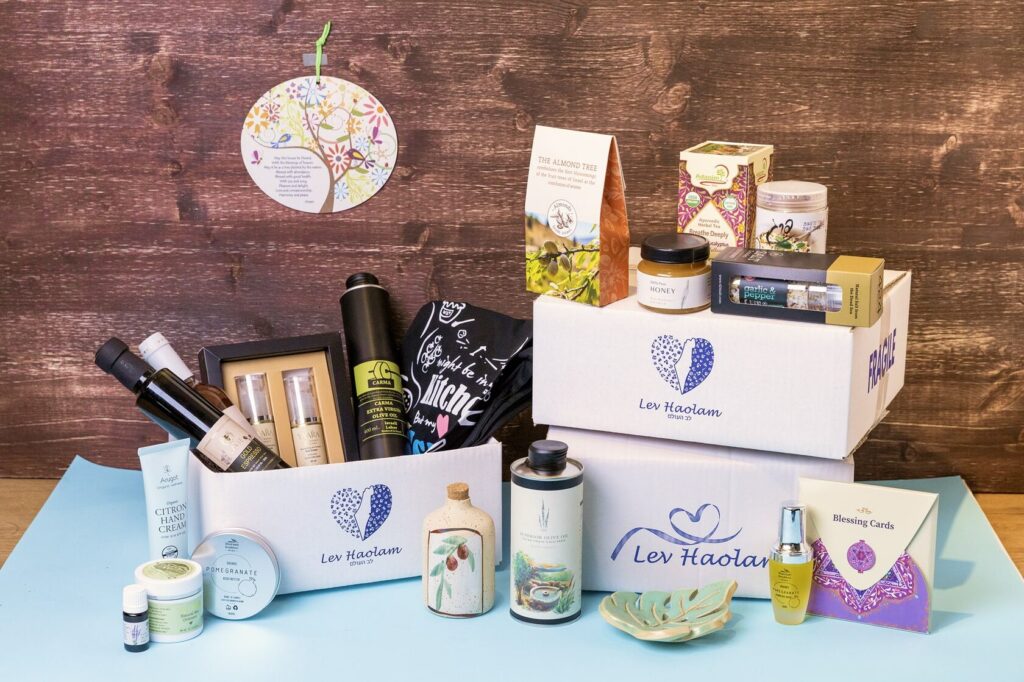
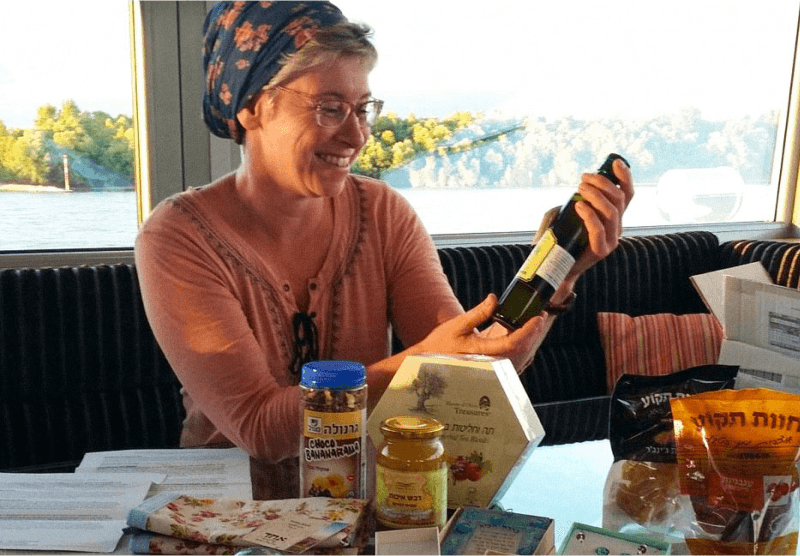
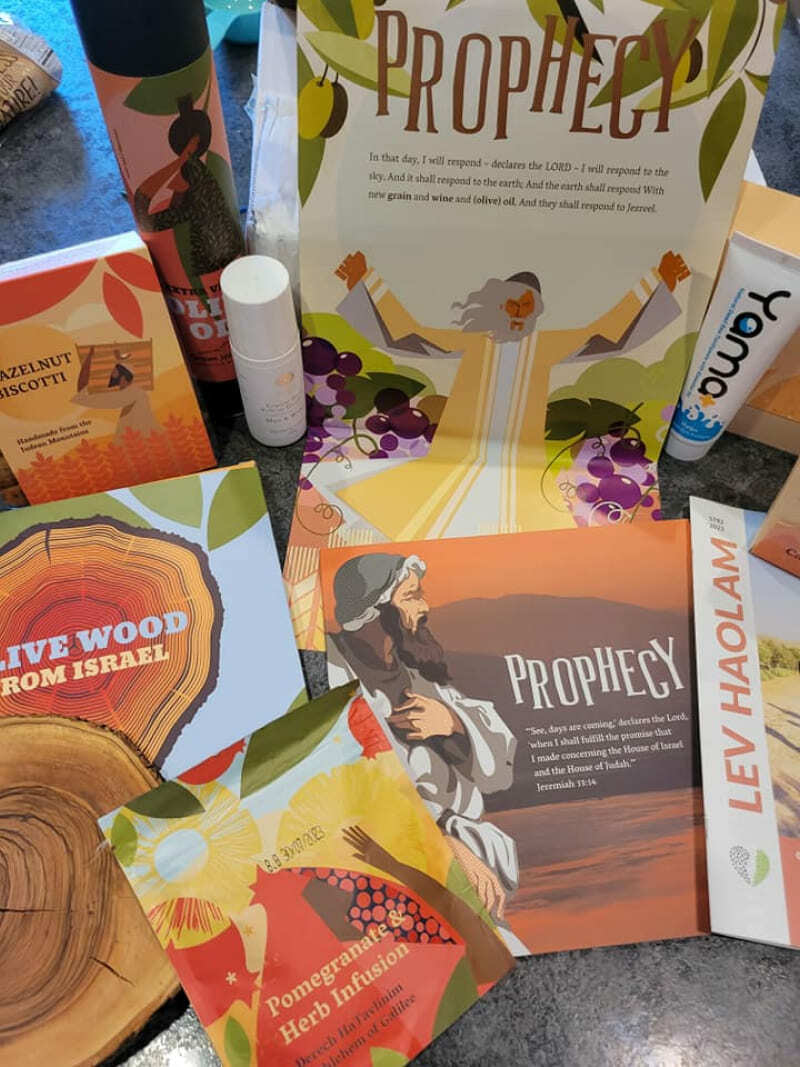
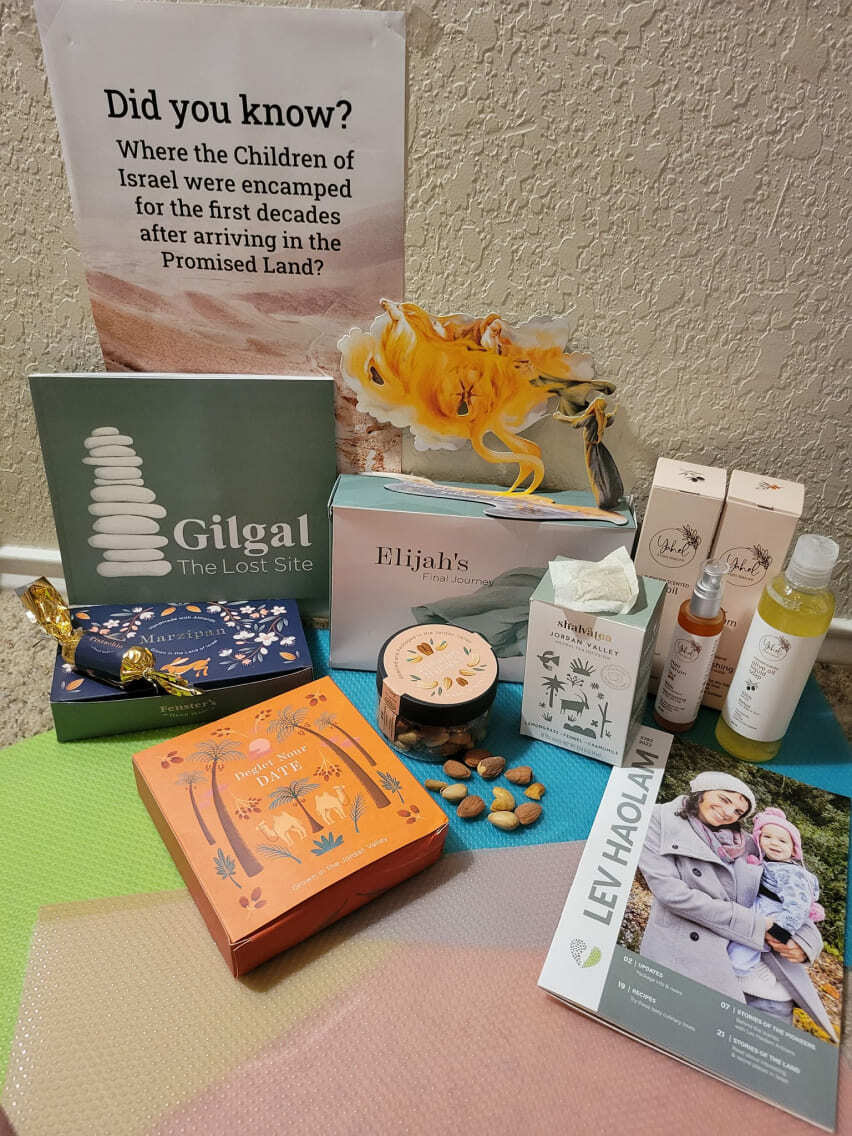
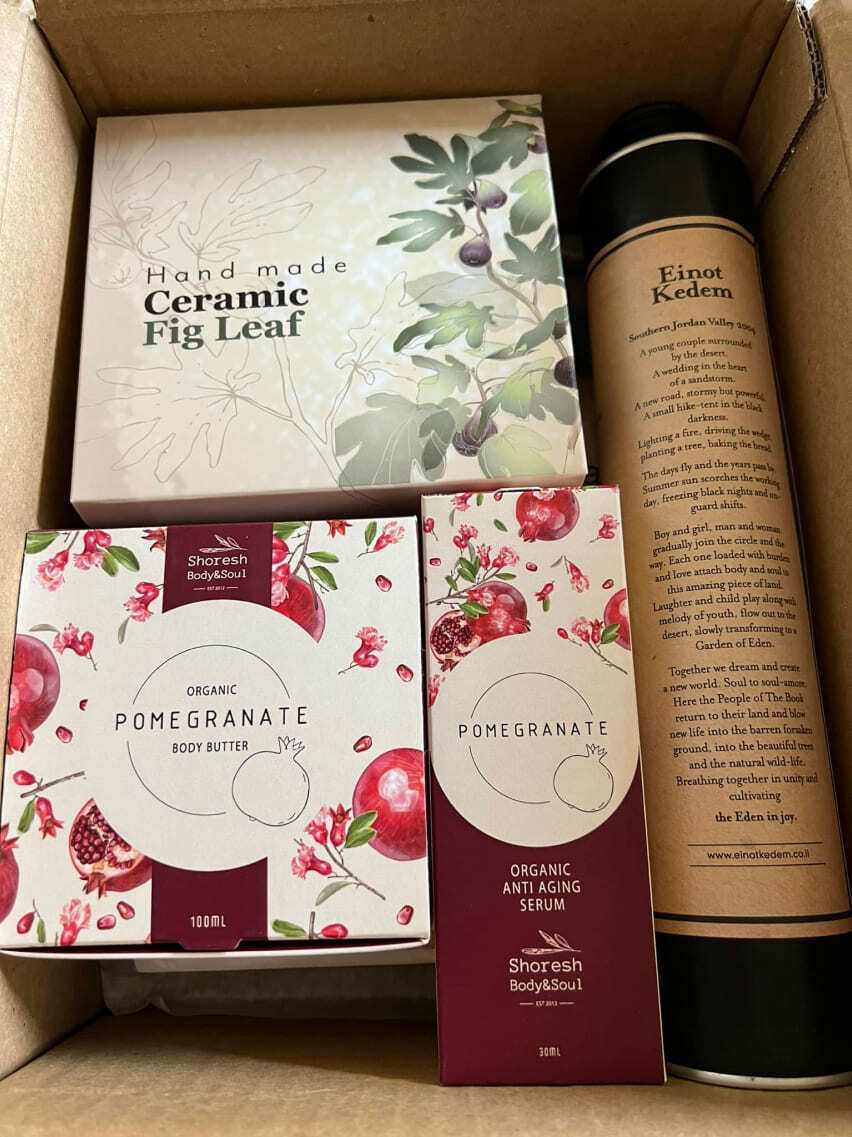
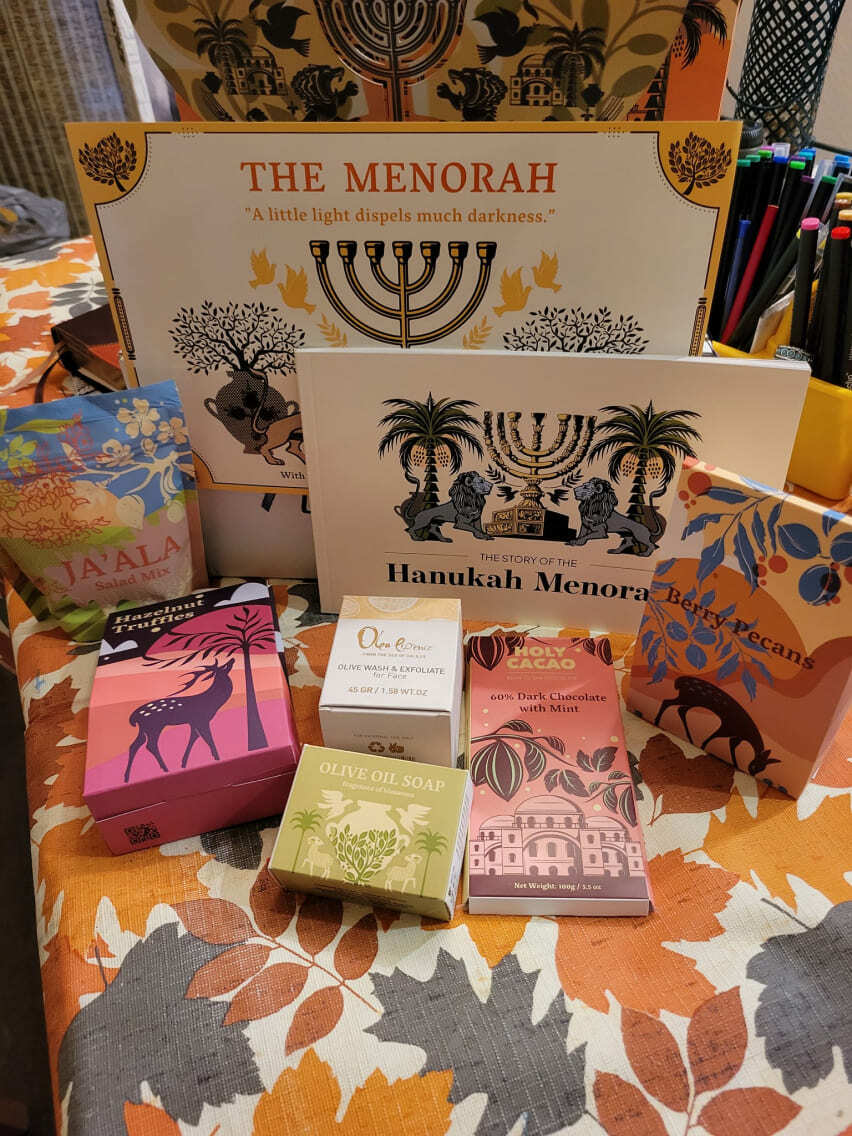
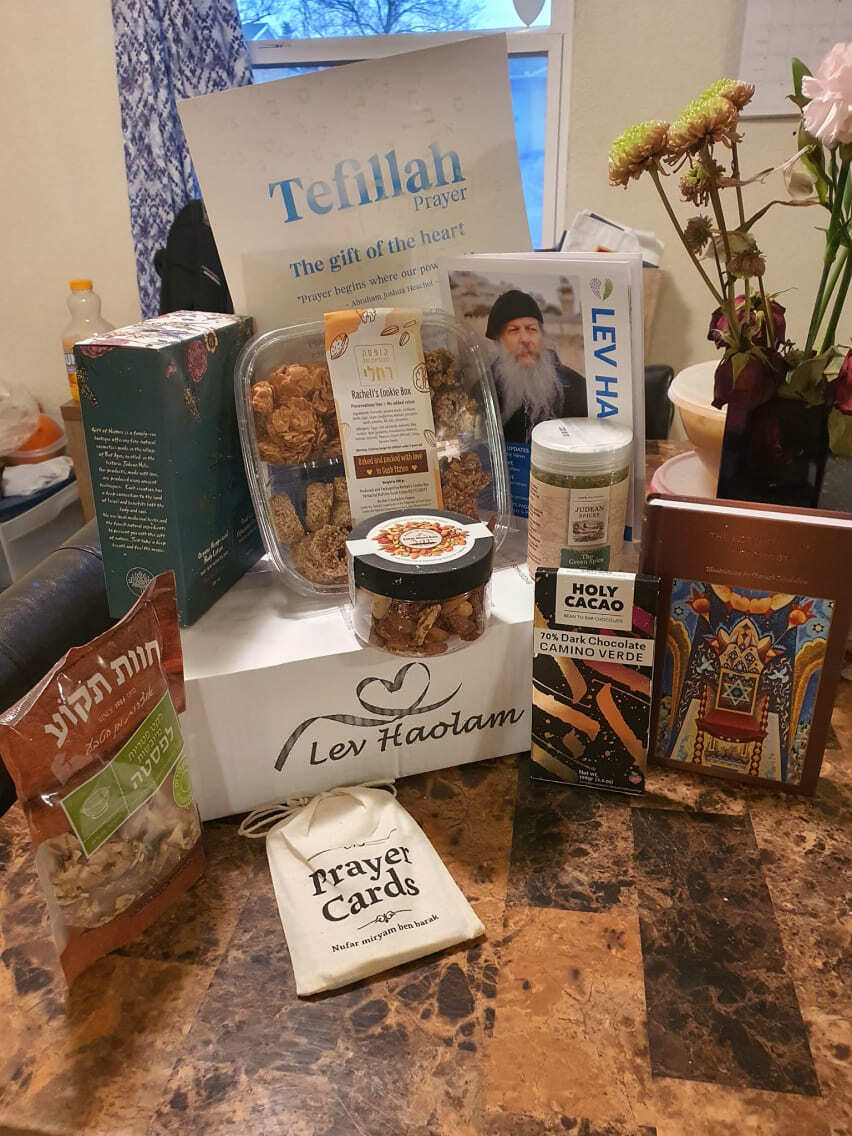
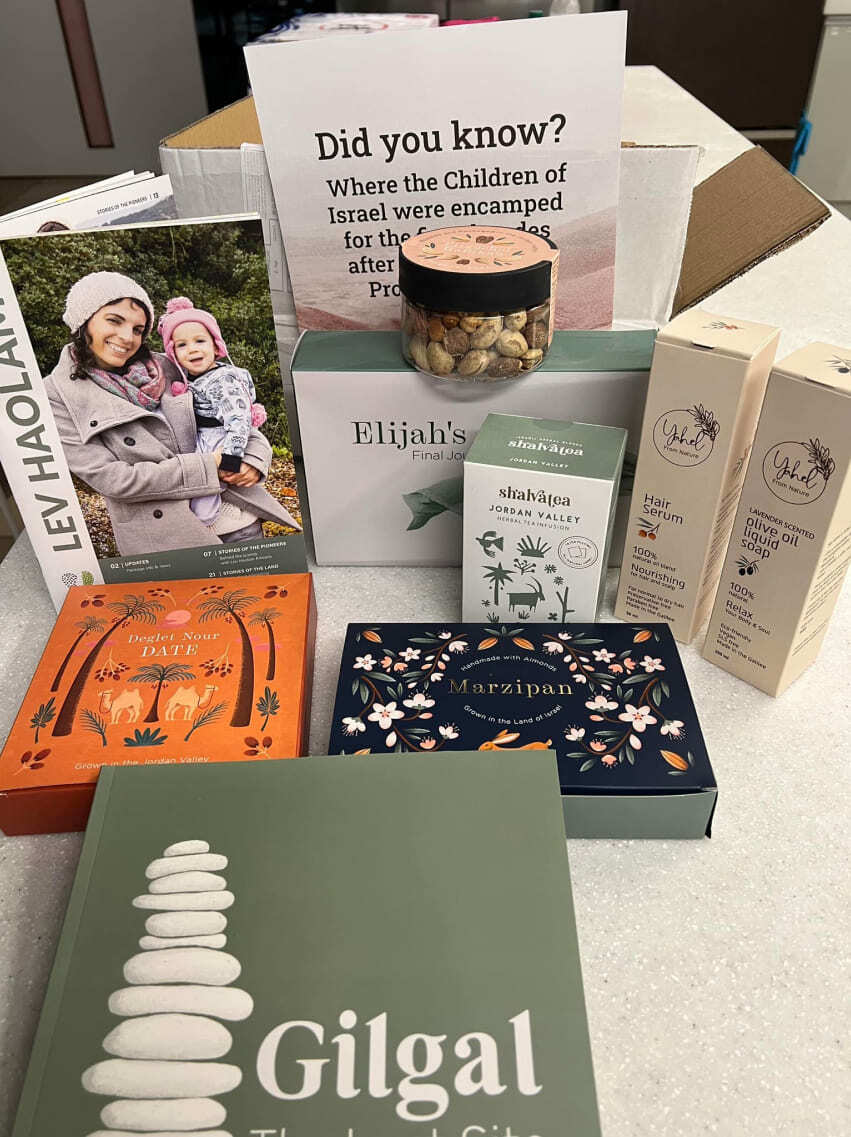
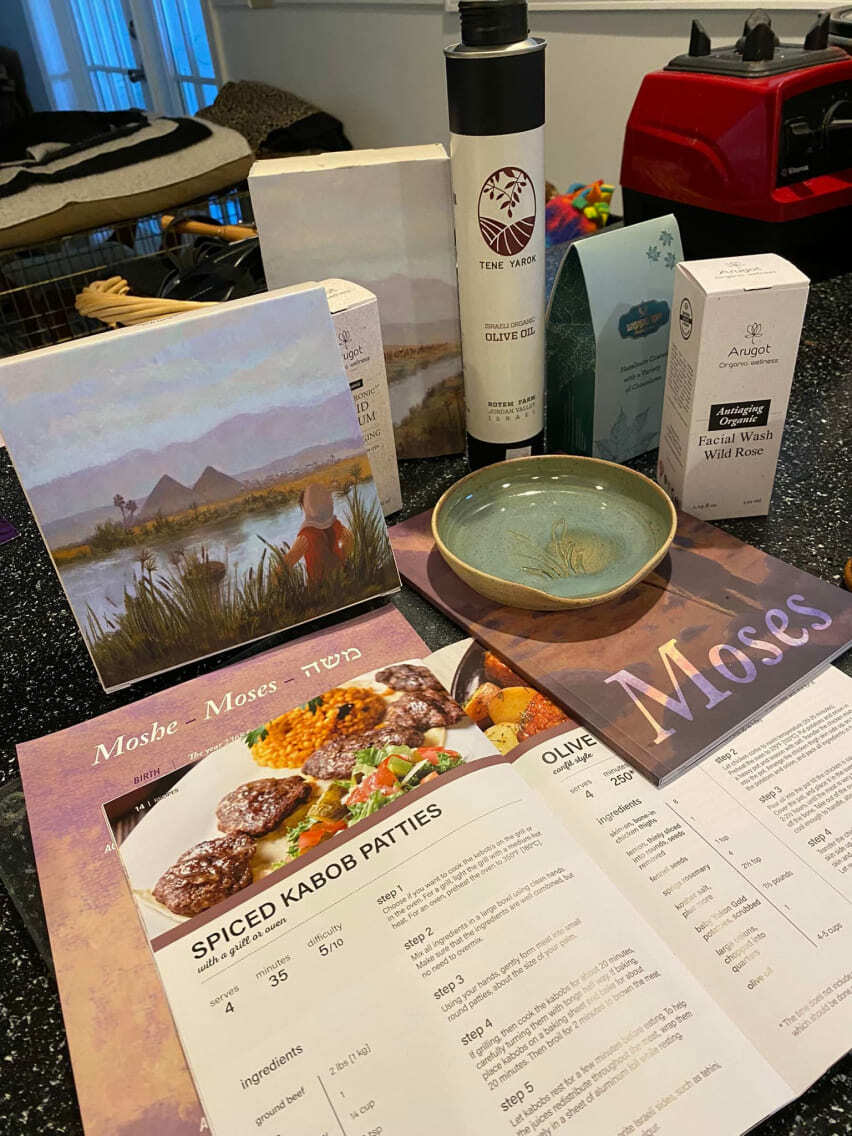
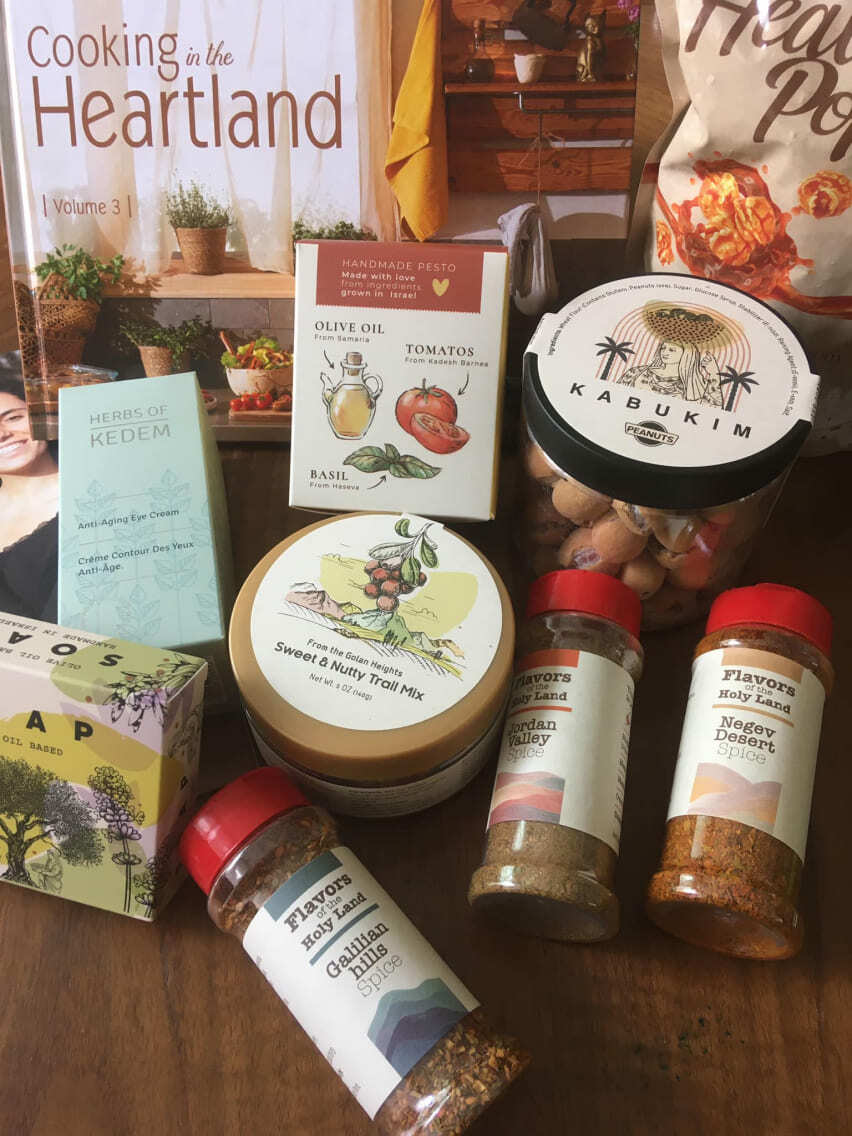
Practical choices for Shavuot gifts balance the spiritual and the domestic: a curated cheese board with accompaniments, a bouquet of seasonal flowers, a thoughtful commentary or children’s book about the holiday, or a collection of fresh herbs for the table all make meaningful presents. Presentation matters too — packaging that welcomes unfolding conversation, recipes, or study suggestions helps transform a gift into an occasion for connection. Choosing items made in Israel can add a quiet layer of resonance: products crafted there often reflect the holiday’s agricultural and textual roots, and a curated gift box from Israel can bring those familiar tastes and textures to the Shavuot table without being overbearing.