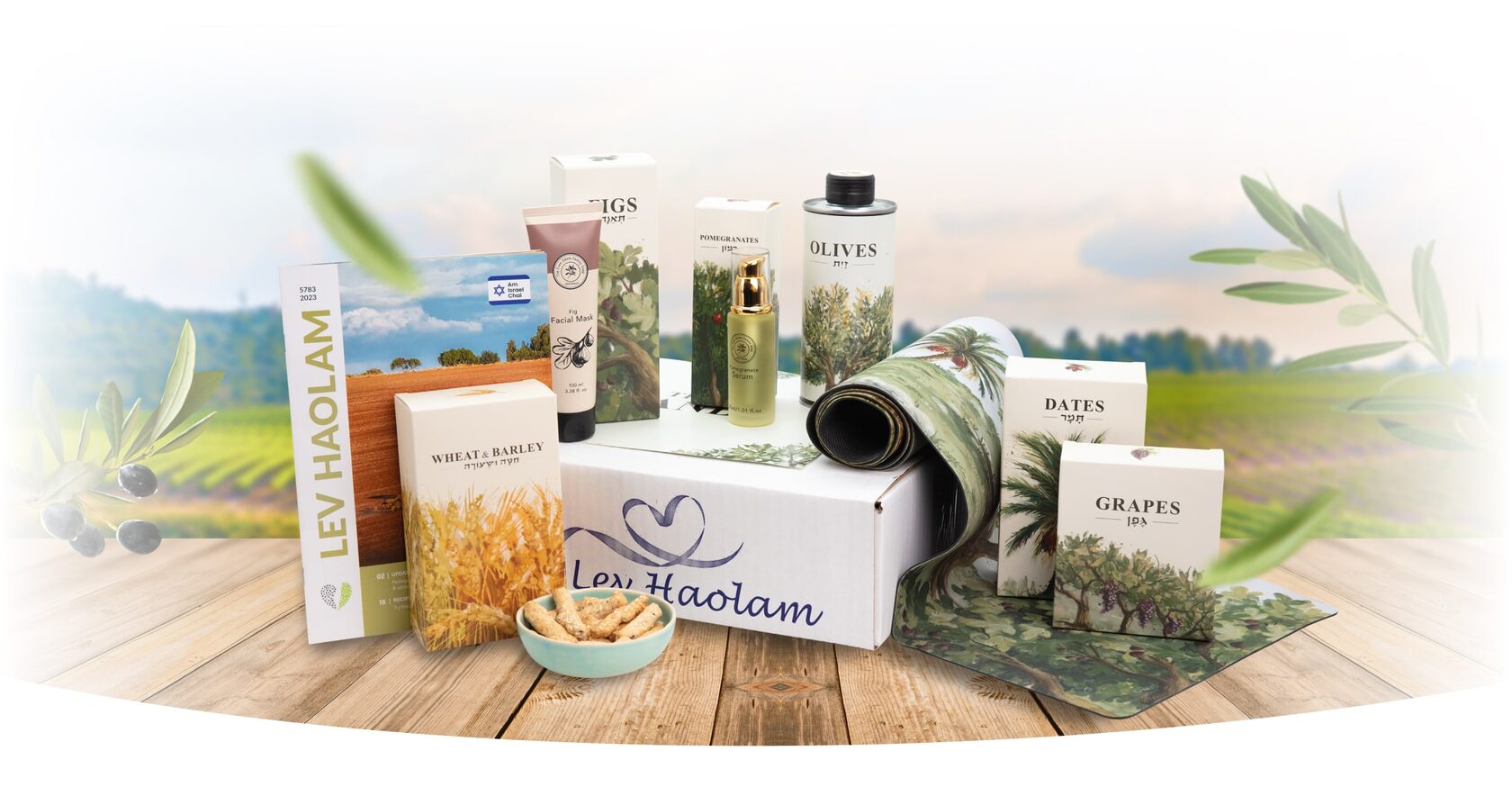
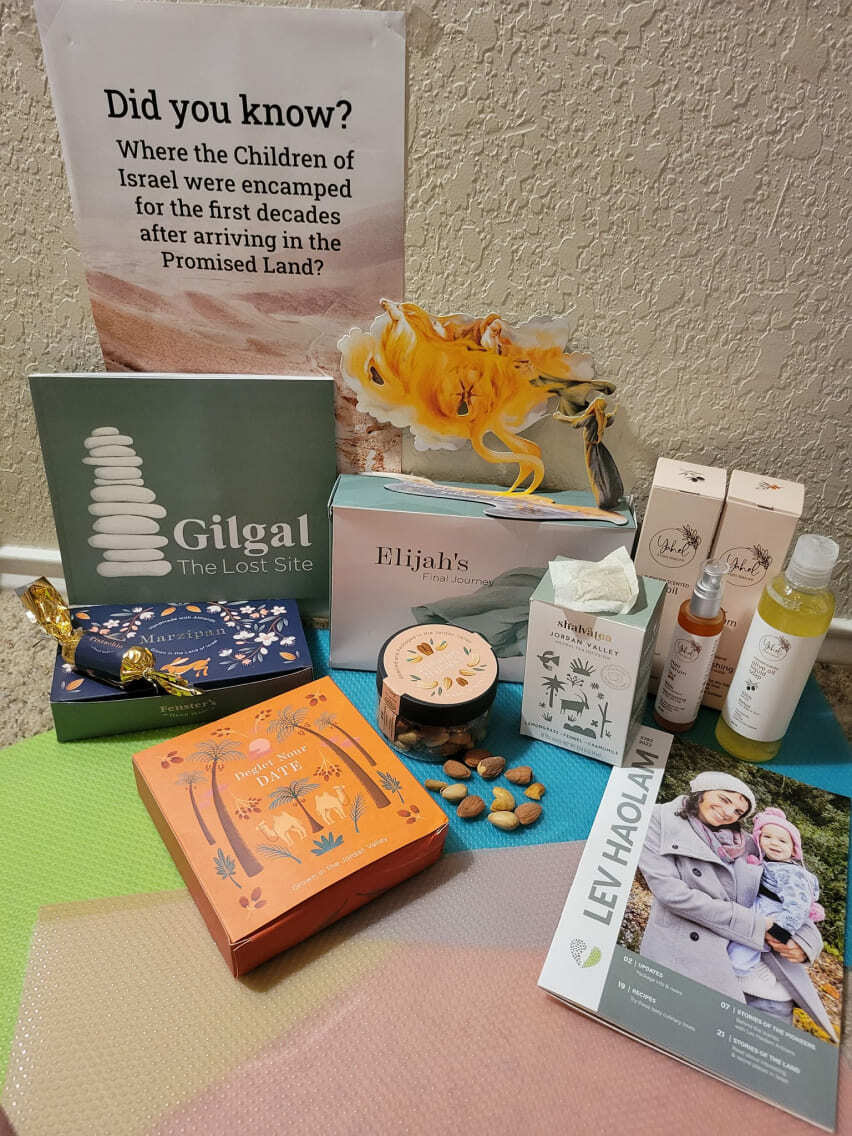
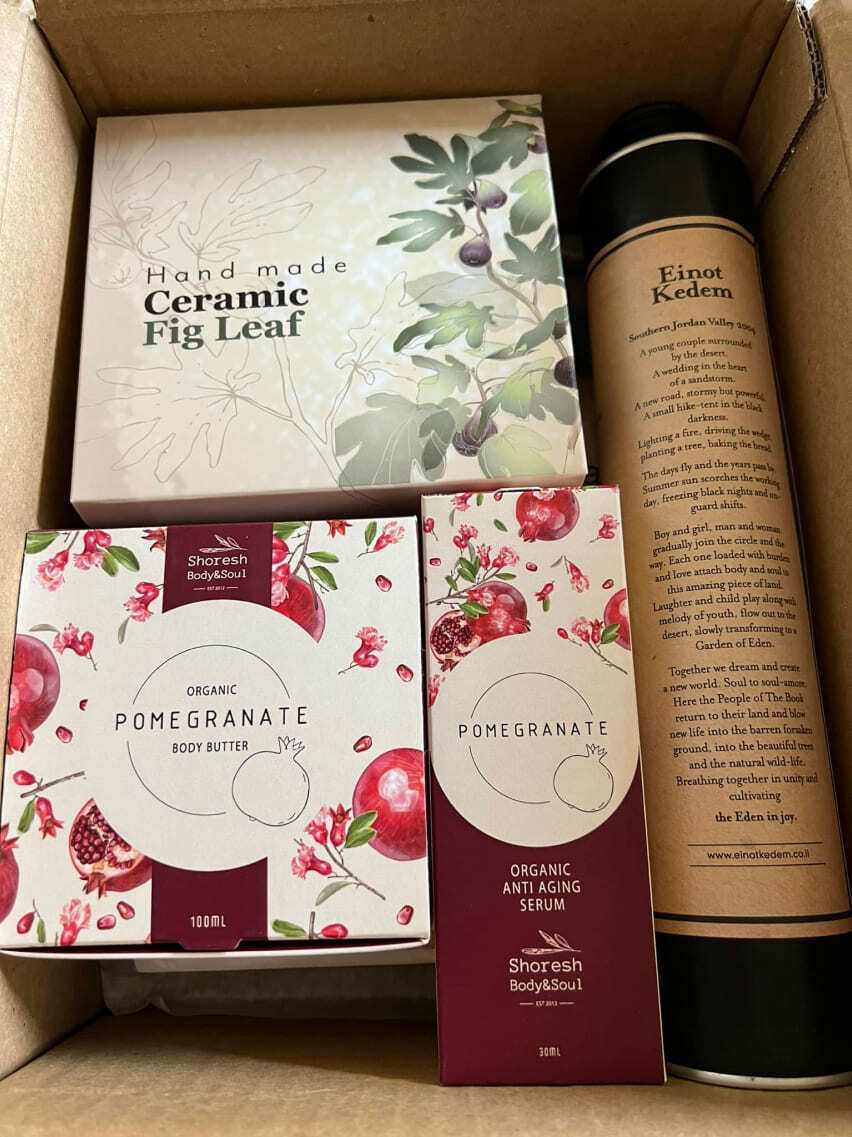
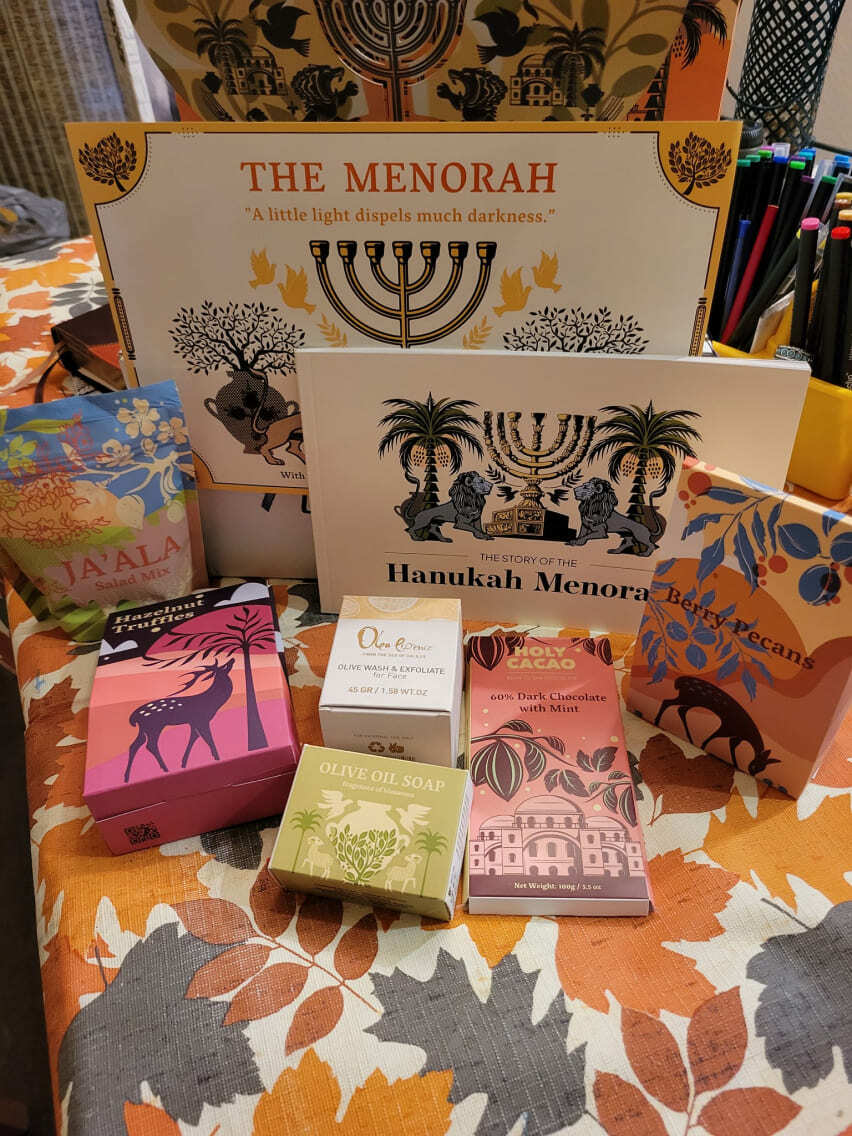
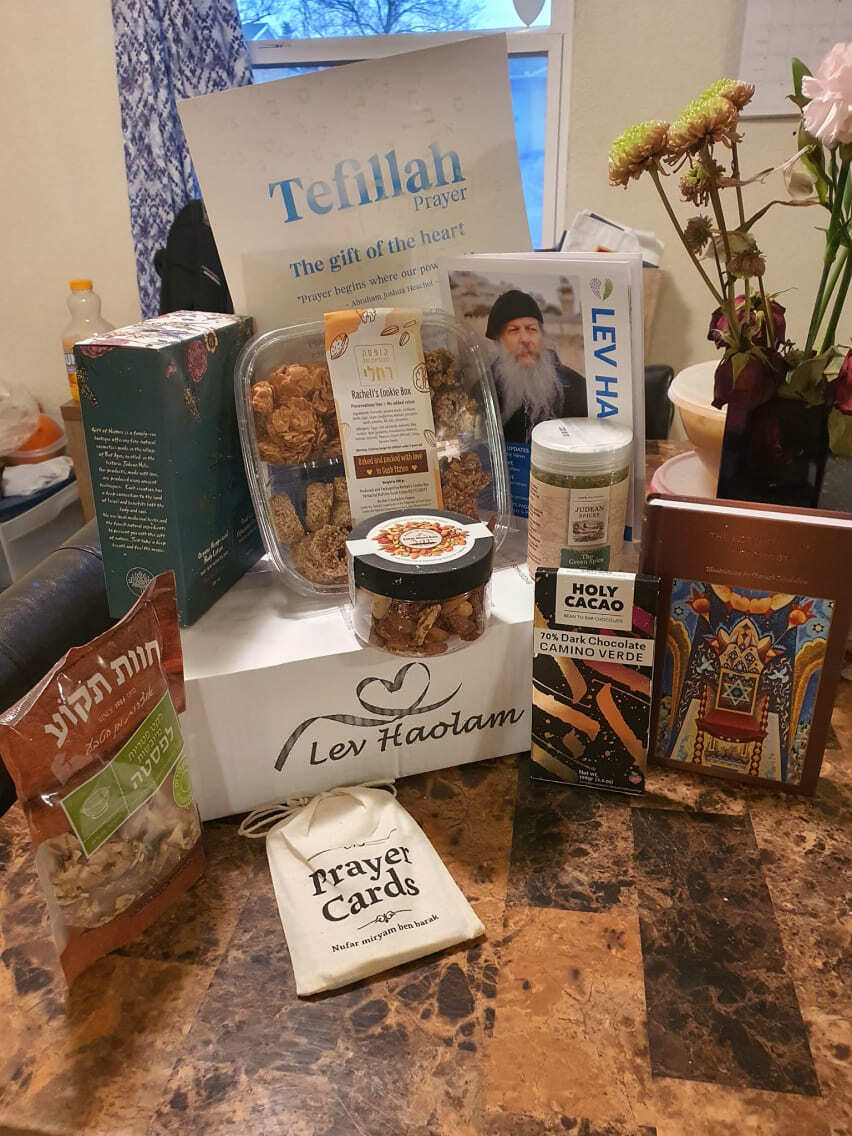
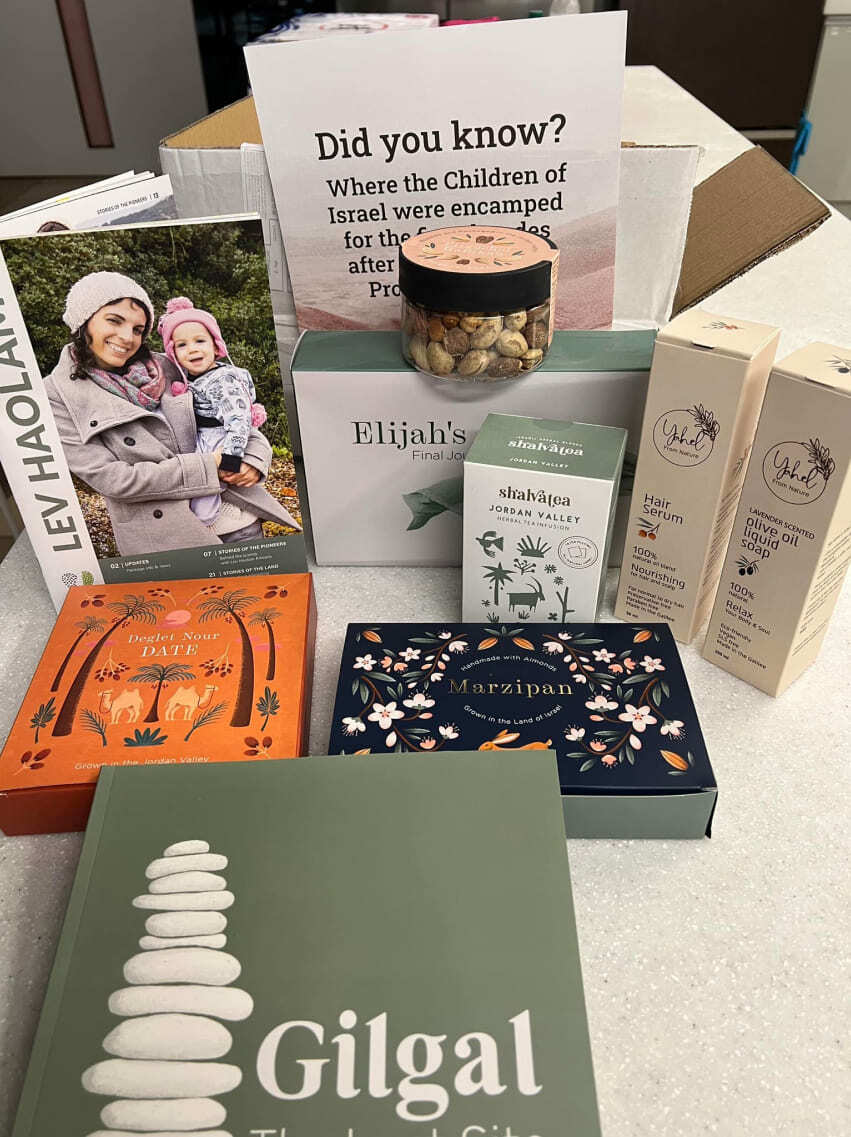
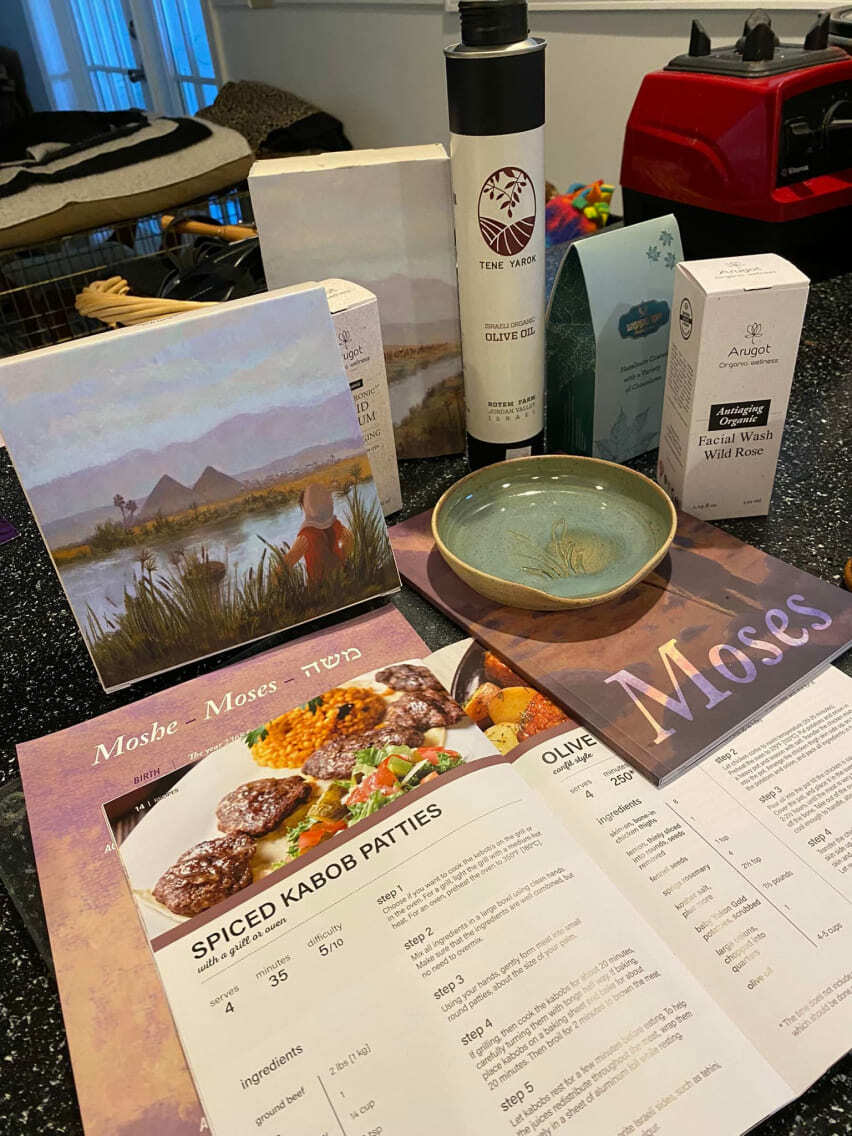
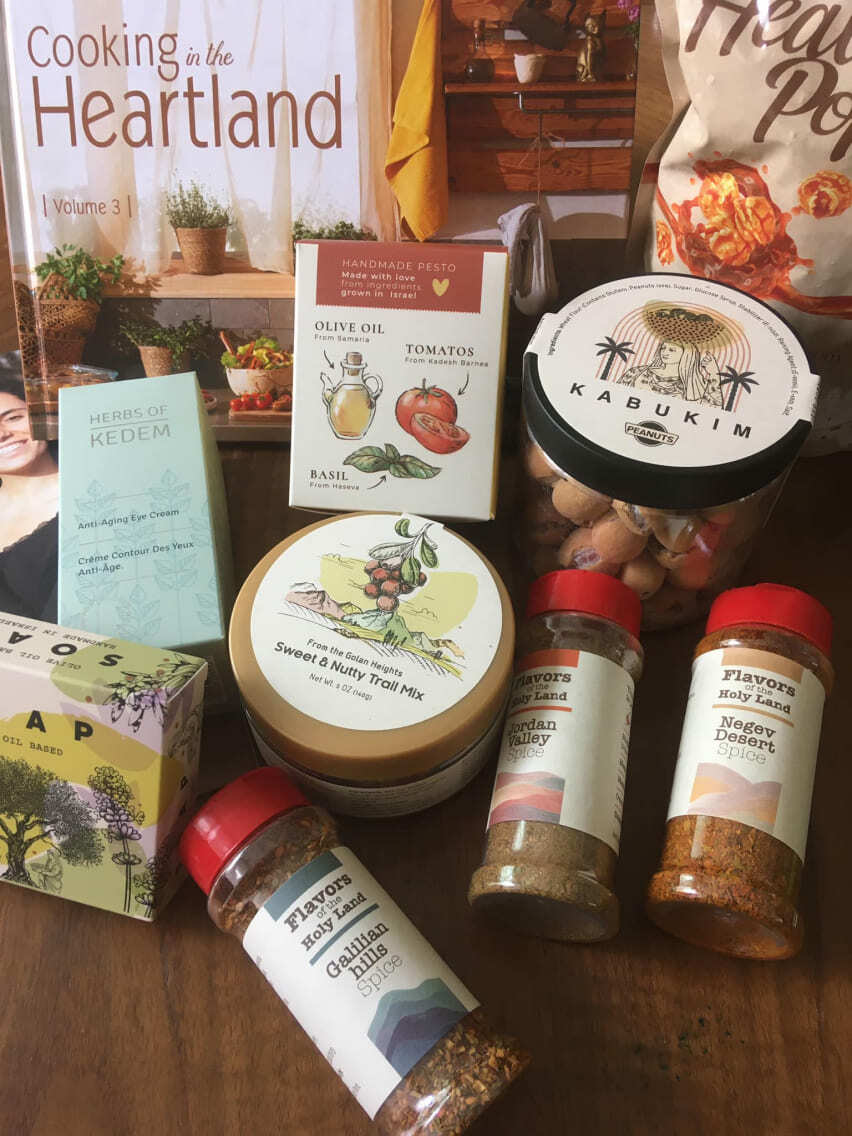
A season box marks the rhythm of the year by focusing on one of the four seasons and the changes each brings: lengthening light in spring, warmth and abundance in summer, harvest tones and cooler air in autumn, and restorative quiet in winter. Across cultures people notice seasonal shifts through food, work cycles, festivals and household rituals. Seasonal cues—flowers and young greens in spring, chilled fruits and preserved goods in summer, spices and root vegetables in autumn, cozy textiles and warming drinks in winter—shape how we live day to day. A season box collects that season’s flavors, textures and practical comforts, offering a small, curated experience that reflects the time of year.
Giving a season-themed gift is a way to align with those natural and cultural rhythms. Unlike milestone presents tied to birthdays or anniversaries, seasonal gifts mark shared time: a welcome to spring after a long winter, a practical boost for harvest or holiday routines, or a thoughtful pause as the year winds down. People choose items that are useful now—scented candles and hearty preserves for colder months, lightweight linens and refreshing treats for warmer ones—or symbolic tokens, such as seeds for planting or spice blends that nod to future meals. The sentiment is often practical and attentive: a reminder that someone notices what this moment needs and wants to make the everyday a little easier or more pleasurable.
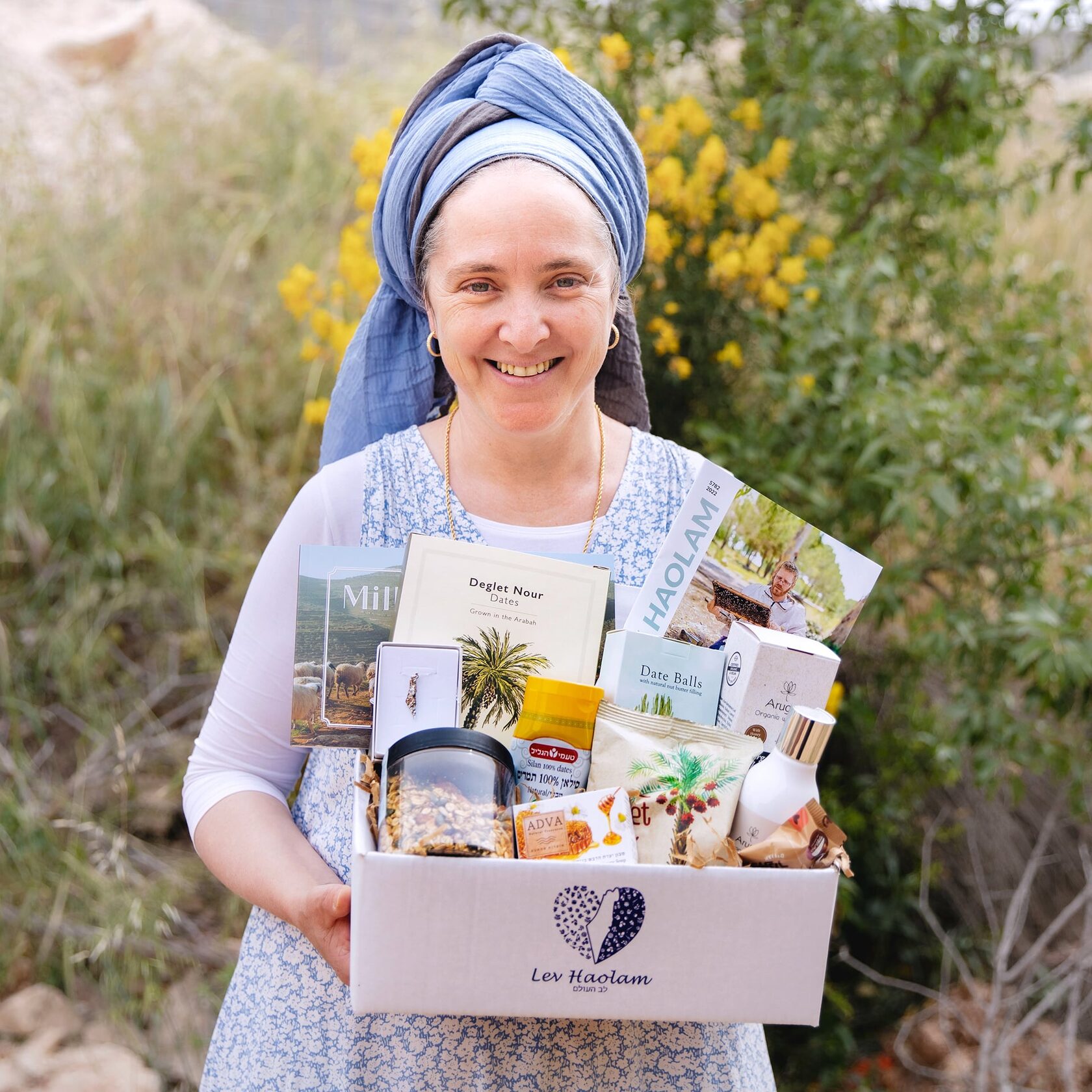
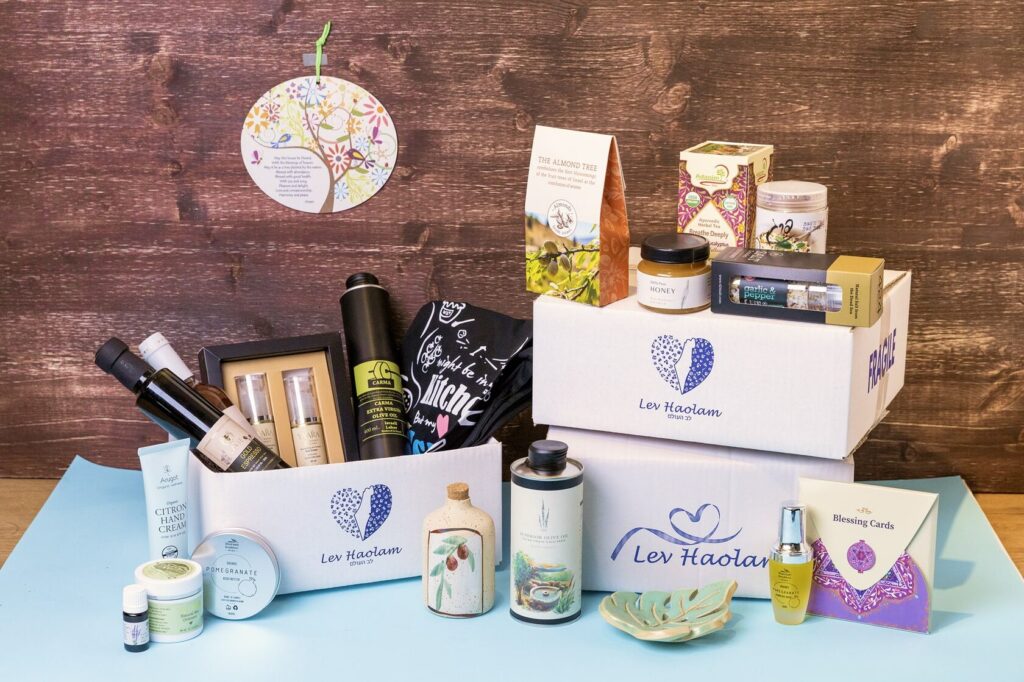
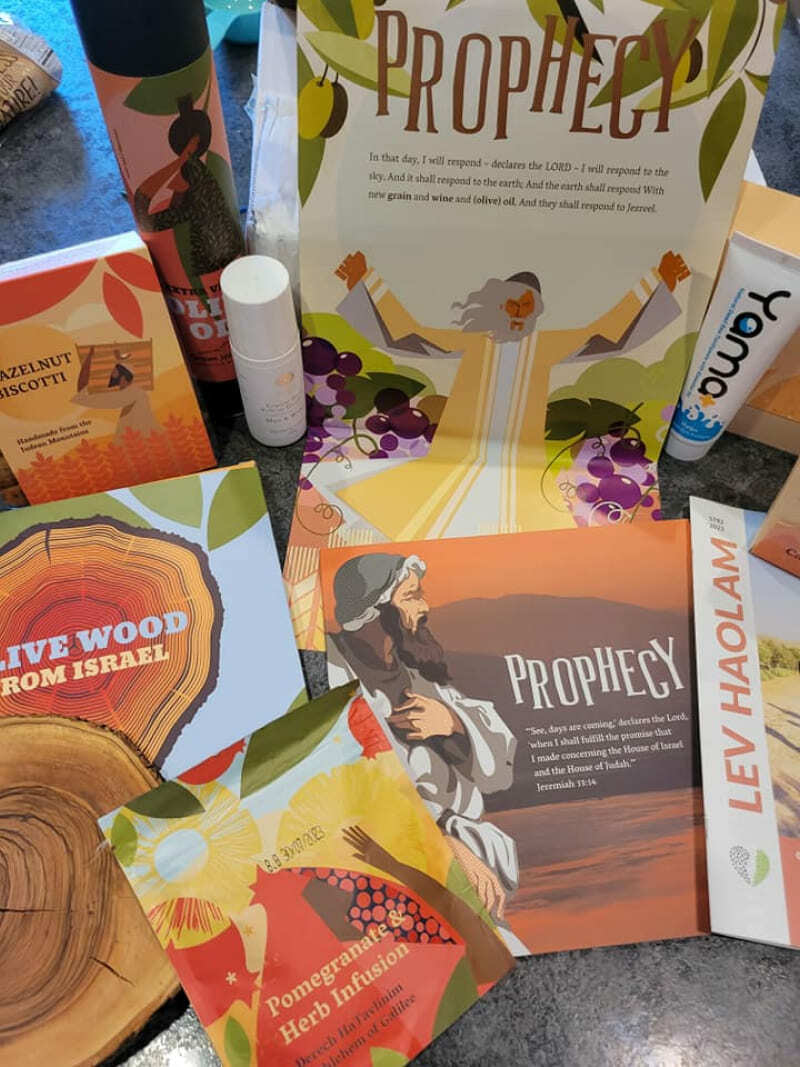
When preparing or selecting a season box, think about balance: include one small indulgence, one practical item, and one note or idea for how to use the contents in the coming weeks. Consider packaging that protects perishable goods and a simple instruction or pairing suggestion so recipients can enjoy each piece without guesswork. Timing matters too—send a spring box as new growth appears, an autumn box as leaves begin to turn—so the contents feel timely rather than belated. For a distinct take on seasonal giving, boxes assembled with Israeli-made products offer materials and flavors shaped by Mediterranean climates and regional traditions; they can add a geographically specific voice to the seasonal story without overwhelming it.