Shabbat is the weekly day of rest in Jewish life, beginning Friday evening and ending Saturday night. It marks a pause from ordinary labor to welcome a different rhythm of time, one organized around family, prayer and shared meals. Customs include lighting candles to greet the day, reciting blessings over wine and challah at the Friday night meal, attending synagogue services for those who observe, and concluding with the havdalah ceremony that separates sacred time from the ordinary. Foods, songs and small rituals vary across communities, but the themes of rest, presence and gratitude are consistent. Shabbat can also be a quiet, contemplative space or a lively gathering, depending on household practices and traditions passed down through generations.
Gift giving around Shabbat grows out of hospitality and appreciation. Hosts often receive small tokens to honor the care that goes into preparing the table and creating a welcoming atmosphere. Typical choices are foods that can be shared at the meal, like challah or honey, a bottle of kosher wine, or practical items that enhance the ritual, such as candlesticks, a havdalah spice box or a decorative challah cover. Gifts may be plain and useful or intentionally beautiful, meant to acknowledge the effort of setting a special table and to encourage repeated moments of joy. Giving for Shabbat says thank you, offers rest to the giver as well as the recipient, and helps sustain the customs that make the evening distinct from the rest of the week.
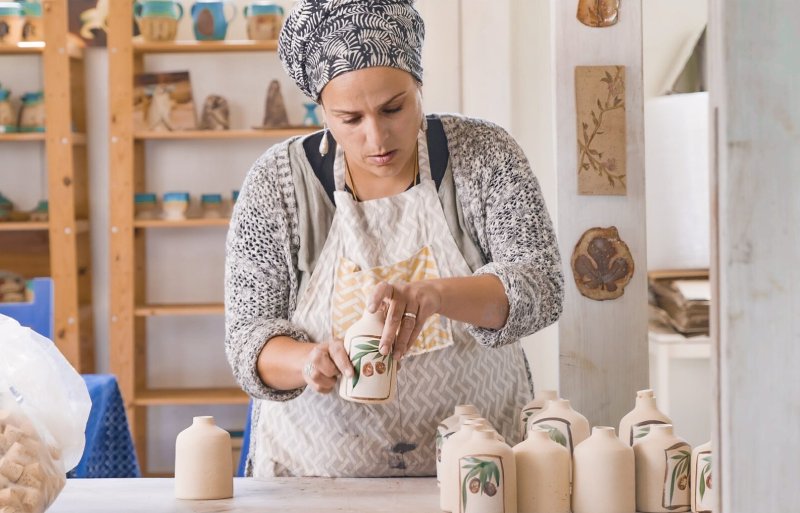
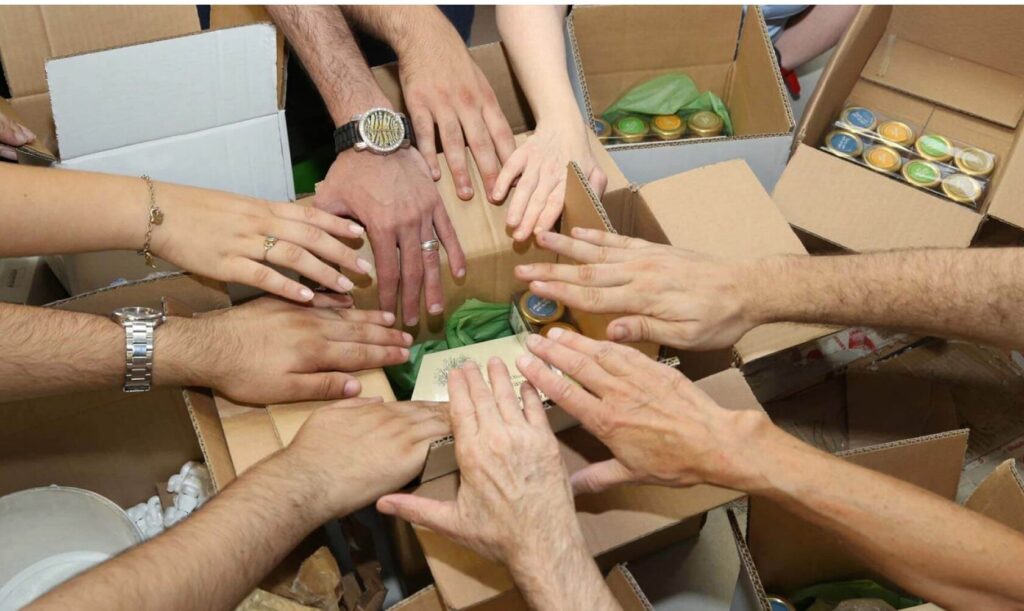
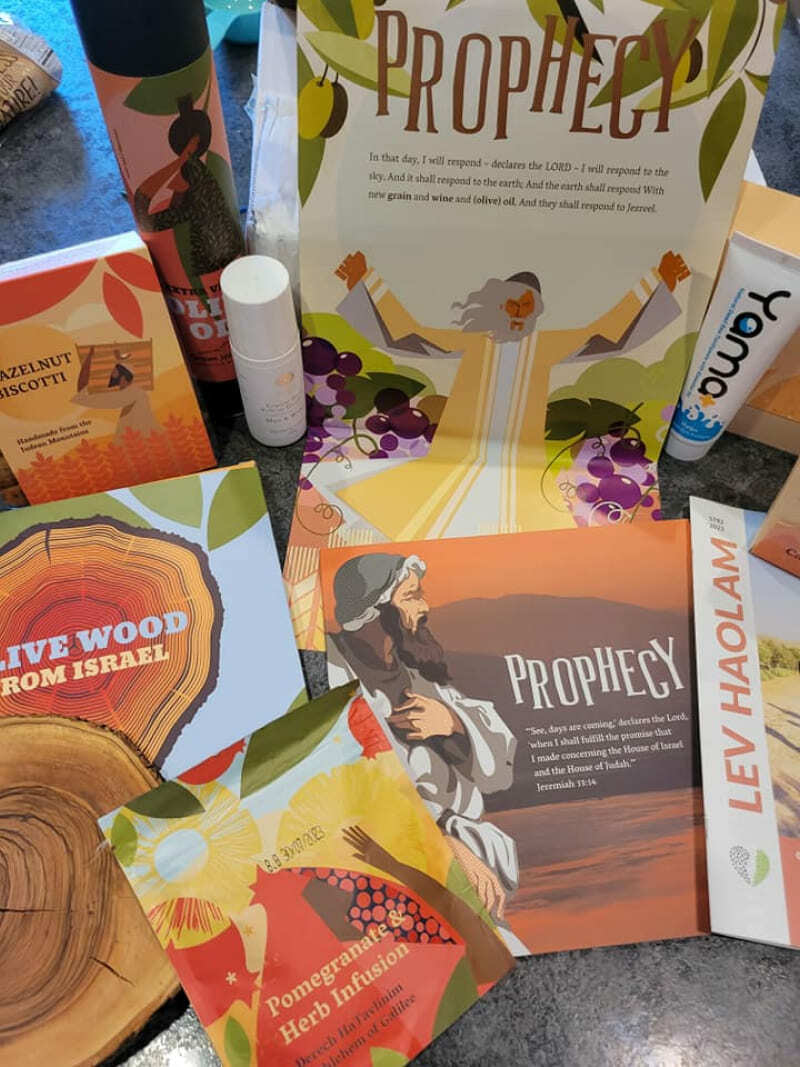
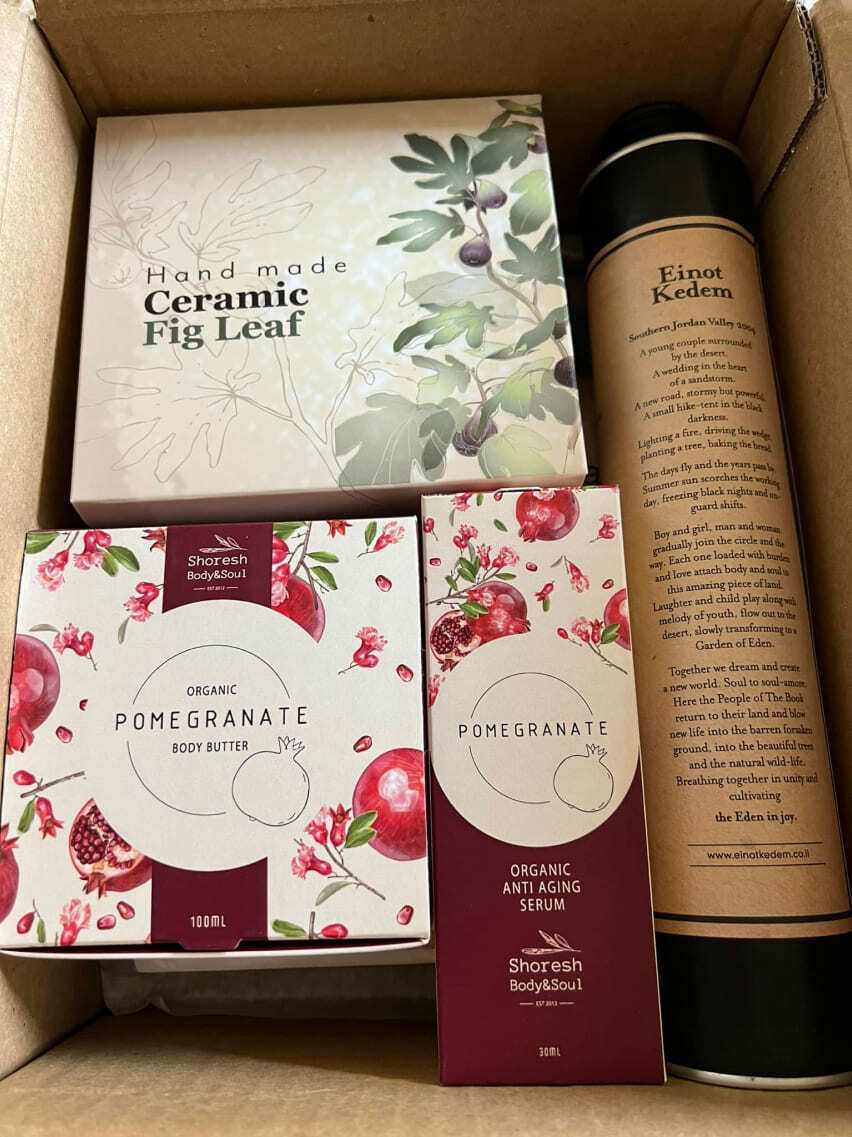
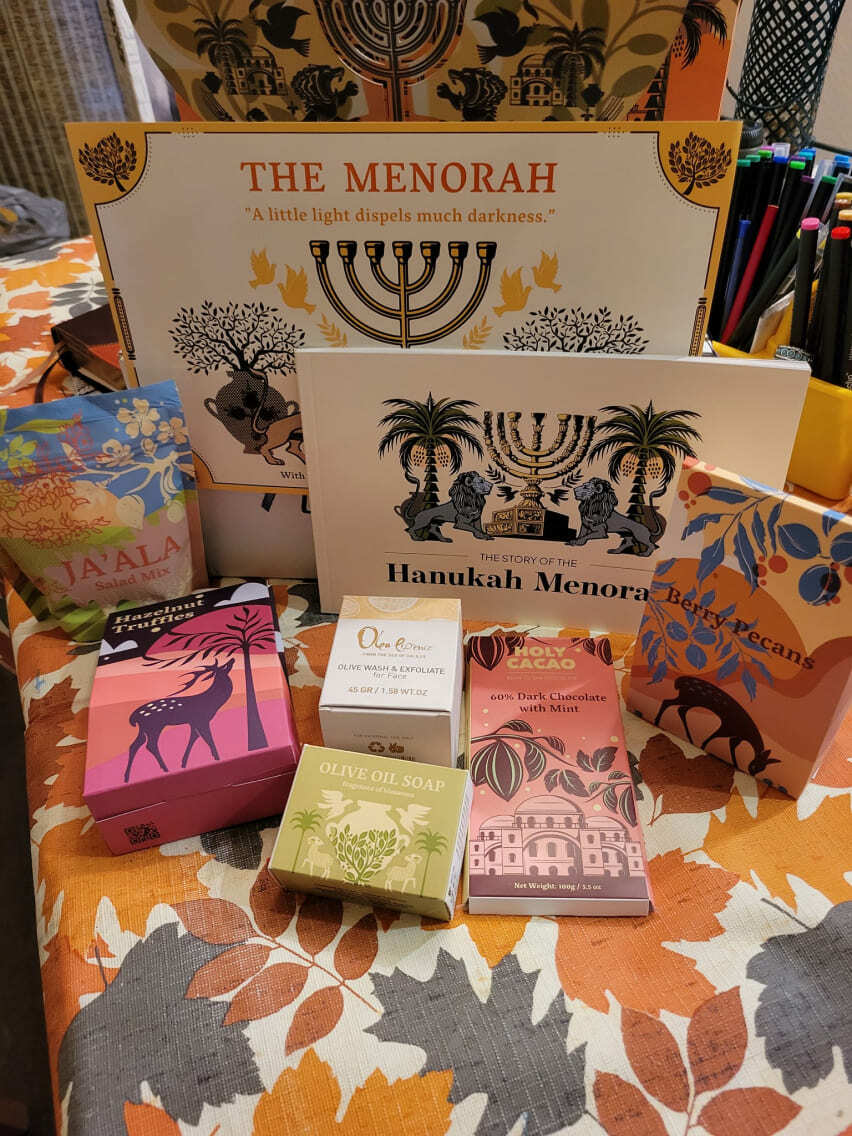
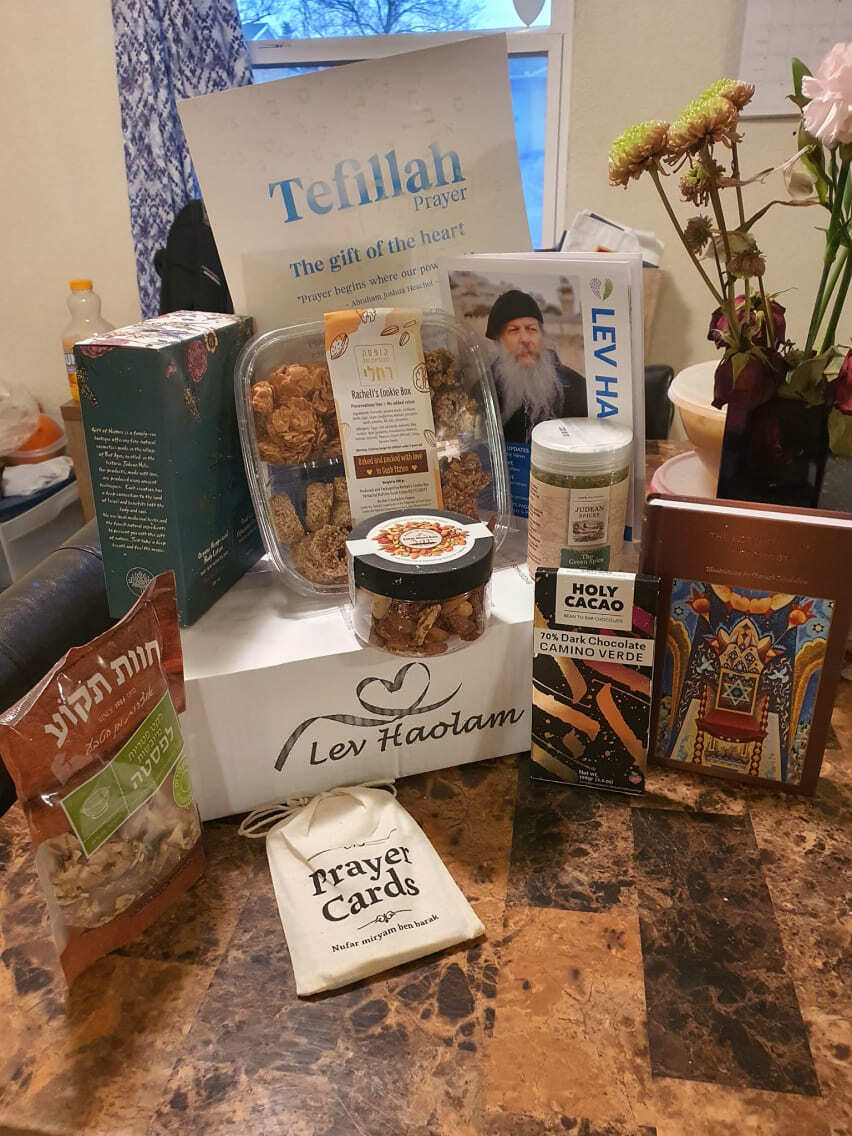
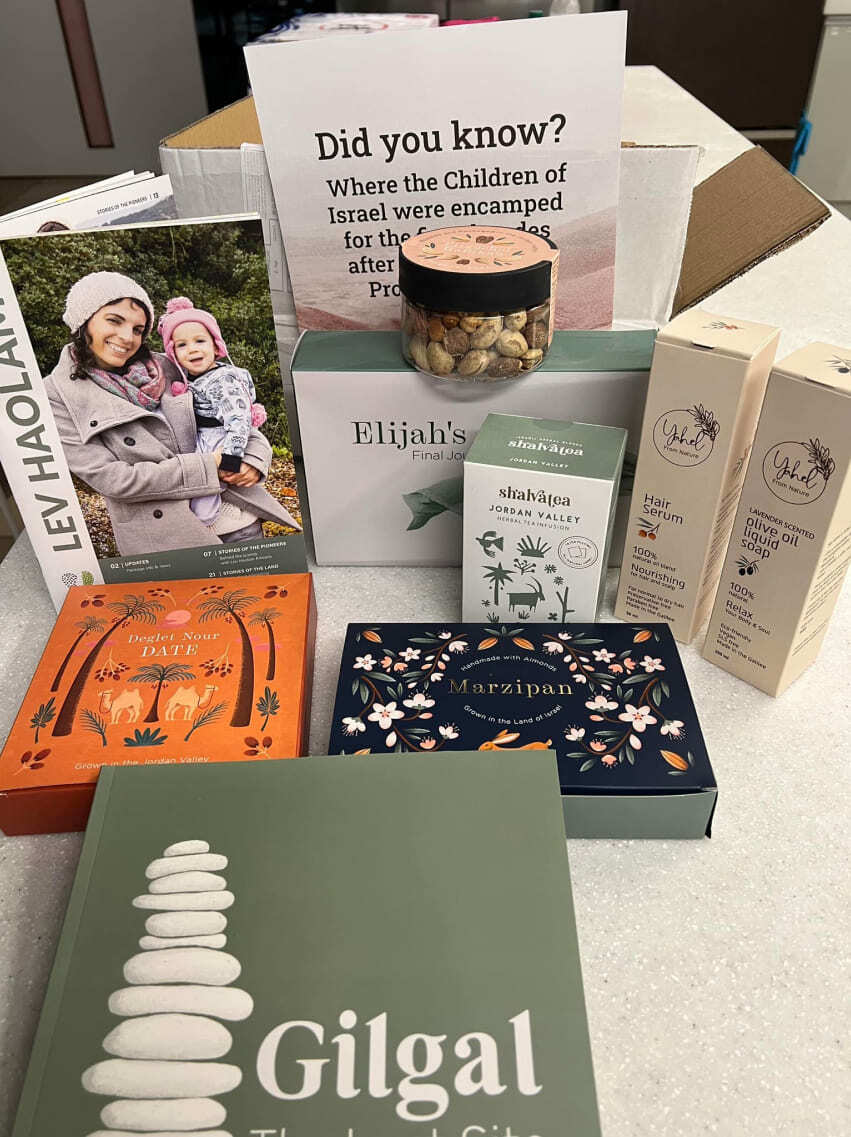
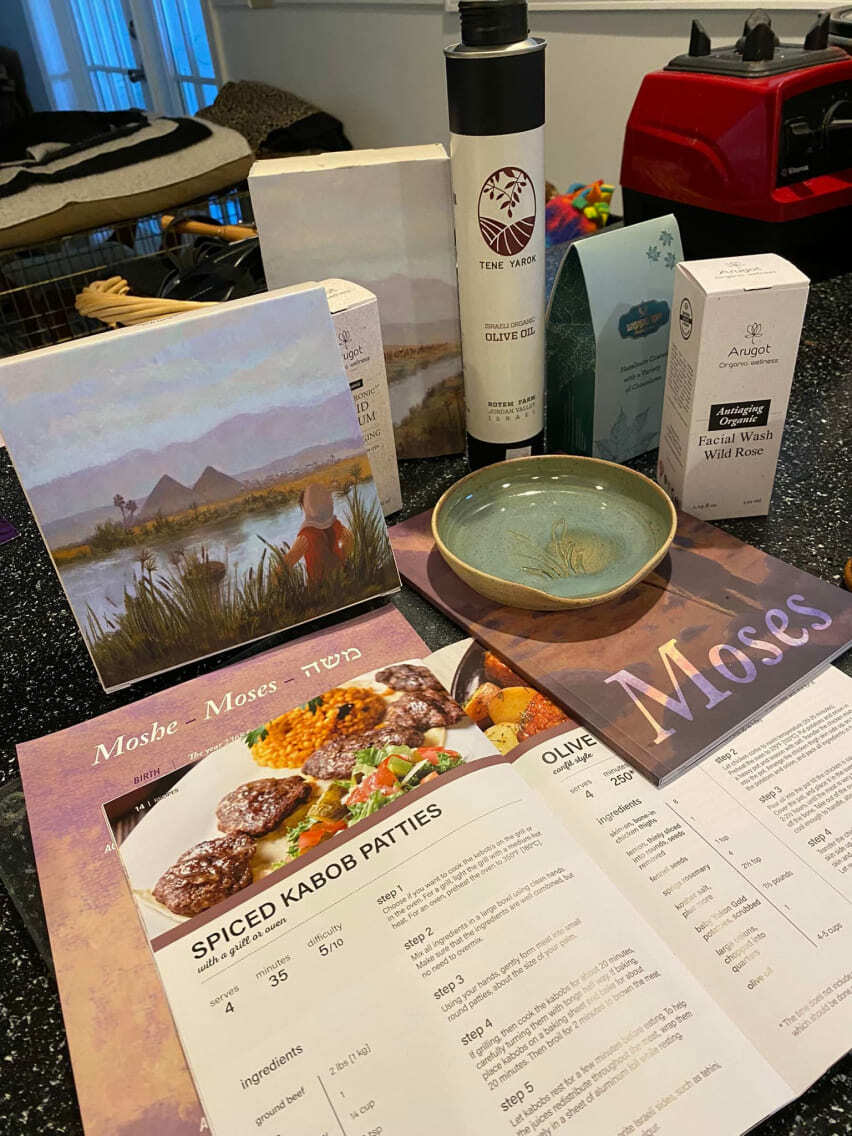
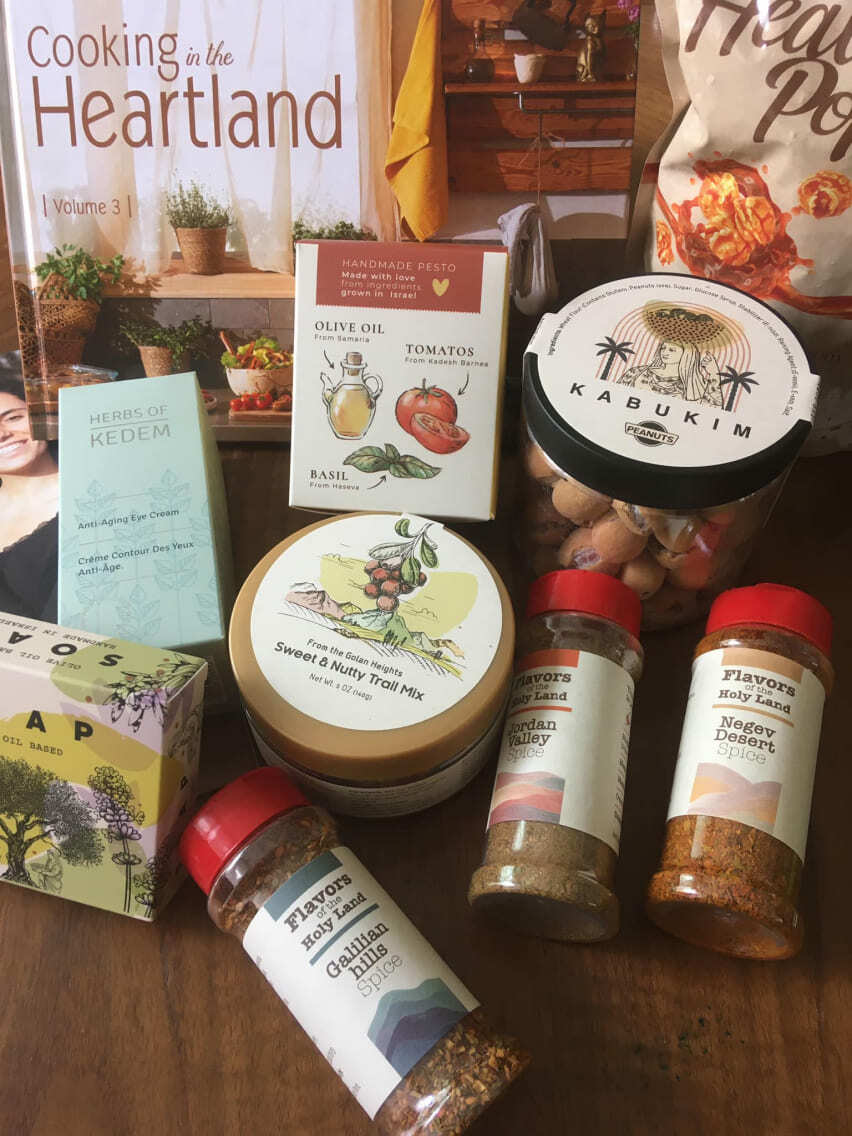
When assembling a Shabbat gift, consider combinations that honor ritual and make hosting simpler: a fragrant spice set for havdalah, a loaf of rich challah tucked into a linen cover, a small bottle of wine and a pair of candlesticks that suit the host’s style. Personal touches matter, such as a handwritten blessing, a note about a family recipe, or a pairing chosen to suit dietary practice. For friends who live far away or for someone preparing to welcome guests for the first time, a curated box can bring the essentials together in a single gesture. Choosing Israeli-made items can add another layer of meaning, reflecting the land’s culinary and craft traditions while supporting makers whose work complements the rhythms of Shabbat.