A bar mitzvah marks a Jewish boy’s transition to religious adulthood at age thirteen. It is the moment he becomes responsible for observing mitzvot and participating fully in communal life, often celebrated with a synagogue aliyah, a Torah reading, and a gathering of family and friends. Customs vary by community and family: some emphasize a formal service and study, others a communal meal or reception, and many include speeches, blessings and the giving of honors to relatives. The event honors both religious maturity and social recognition, weaving together ritual, study and family support as the young person begins to take on new spiritual and ethical responsibilities.
Giving gifts at a bar mitzvah is a longstanding way to acknowledge that transition and to support the young person’s new role. Practical presents—such as a siddur or chumash, a tallit, or books on Jewish thought and ethics—encourage continued learning and observance. Monetary gifts, often given in increments that are easy to save or invest, are another common choice, reflecting a desire to help the teen start savings or fund future education. Personalized items—engraved kiddush cups, meaningful jewelry like a Star of David or hamsa, and keepsakes with the date and Hebrew name—serve as reminders of the day and of the responsibilities assumed. Whatever the form, gifts typically combine usefulness, symbolism and the wish that the recipient grow into their new role with confidence and care.
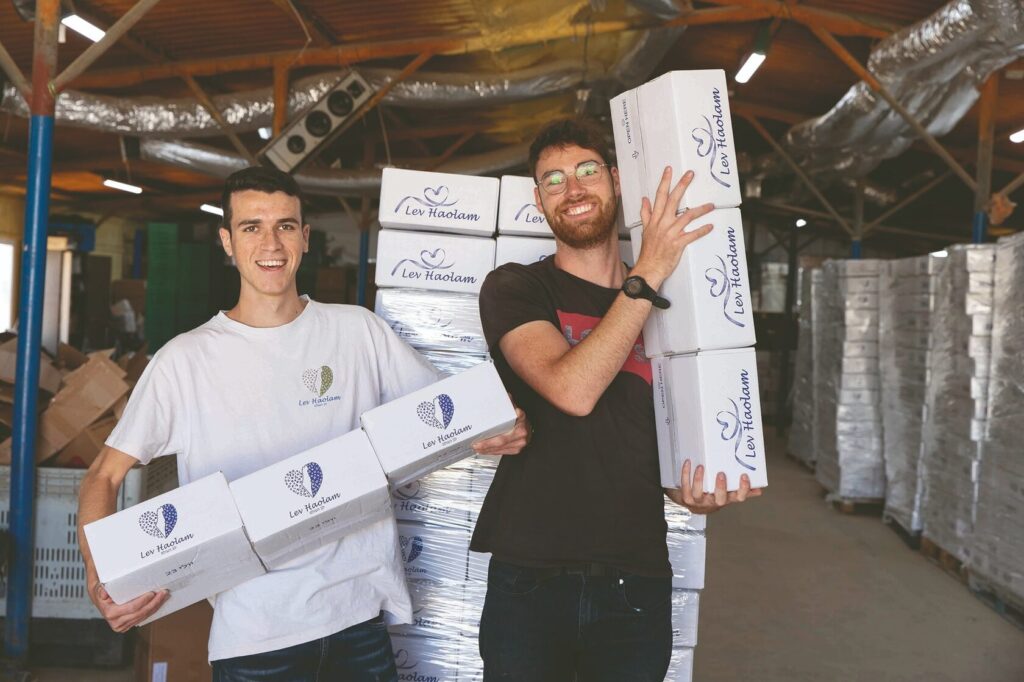
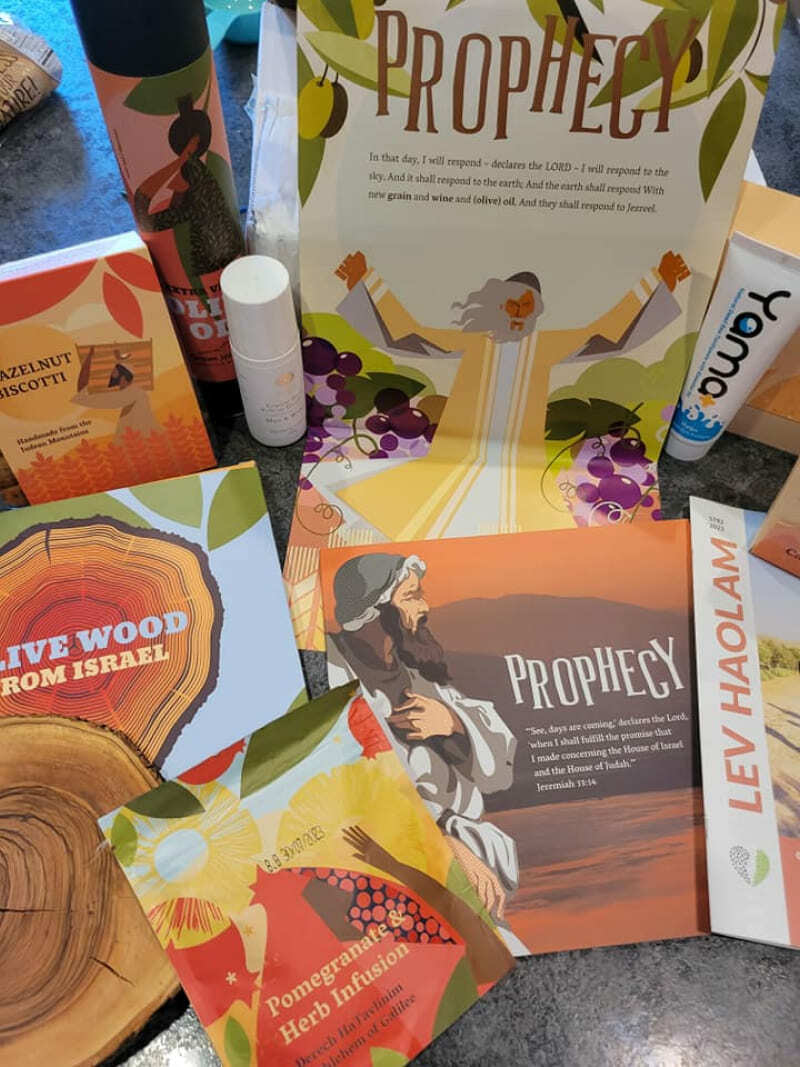
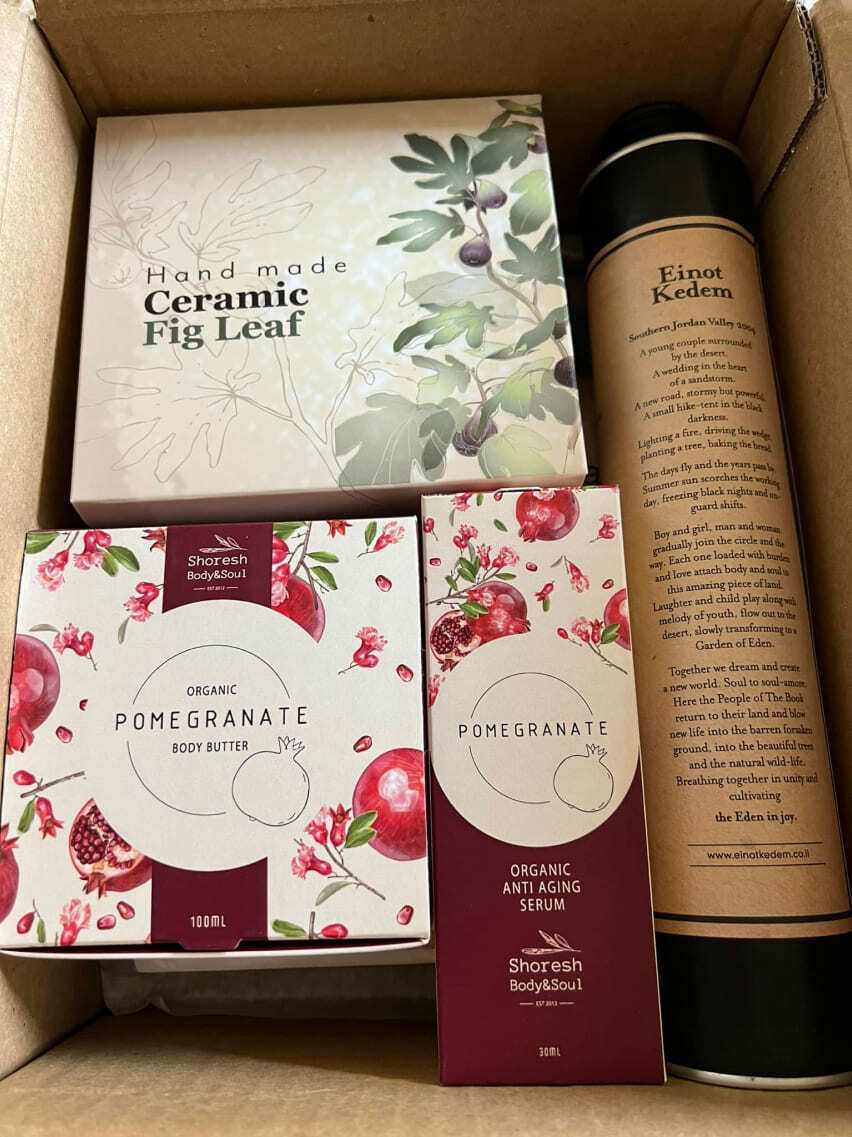
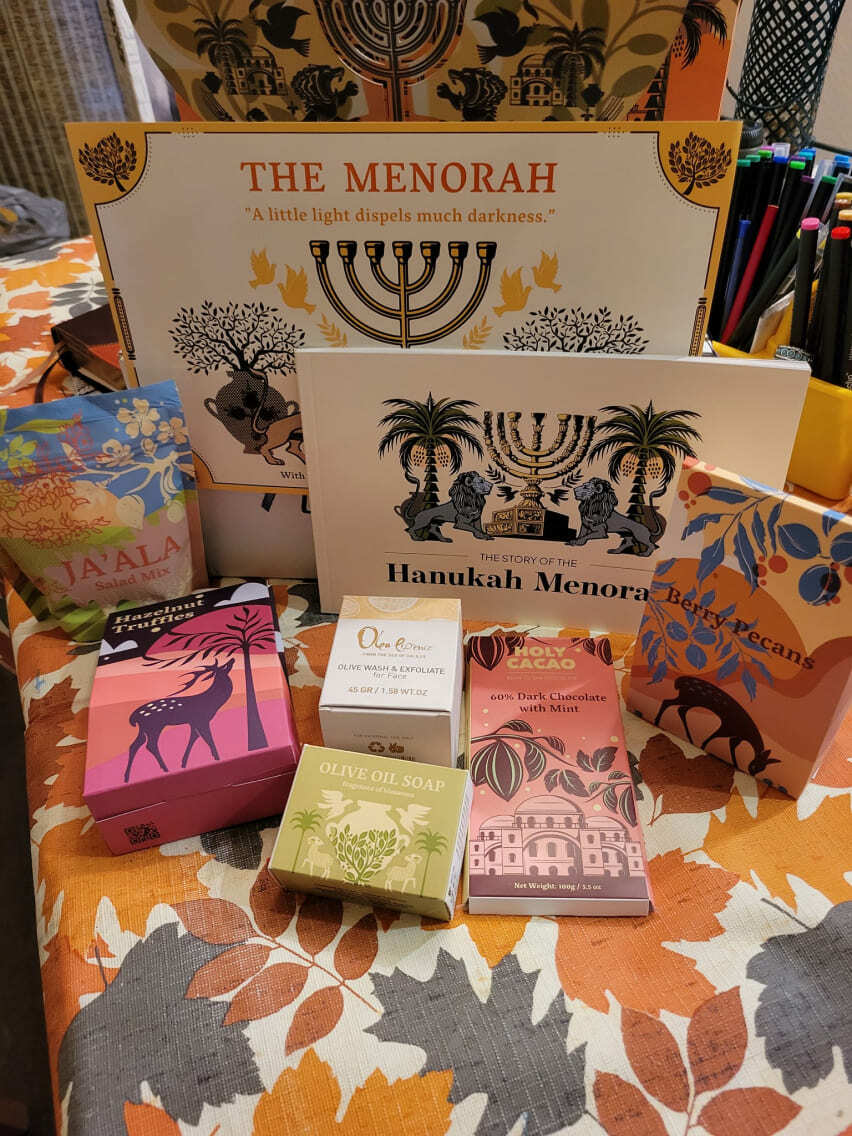
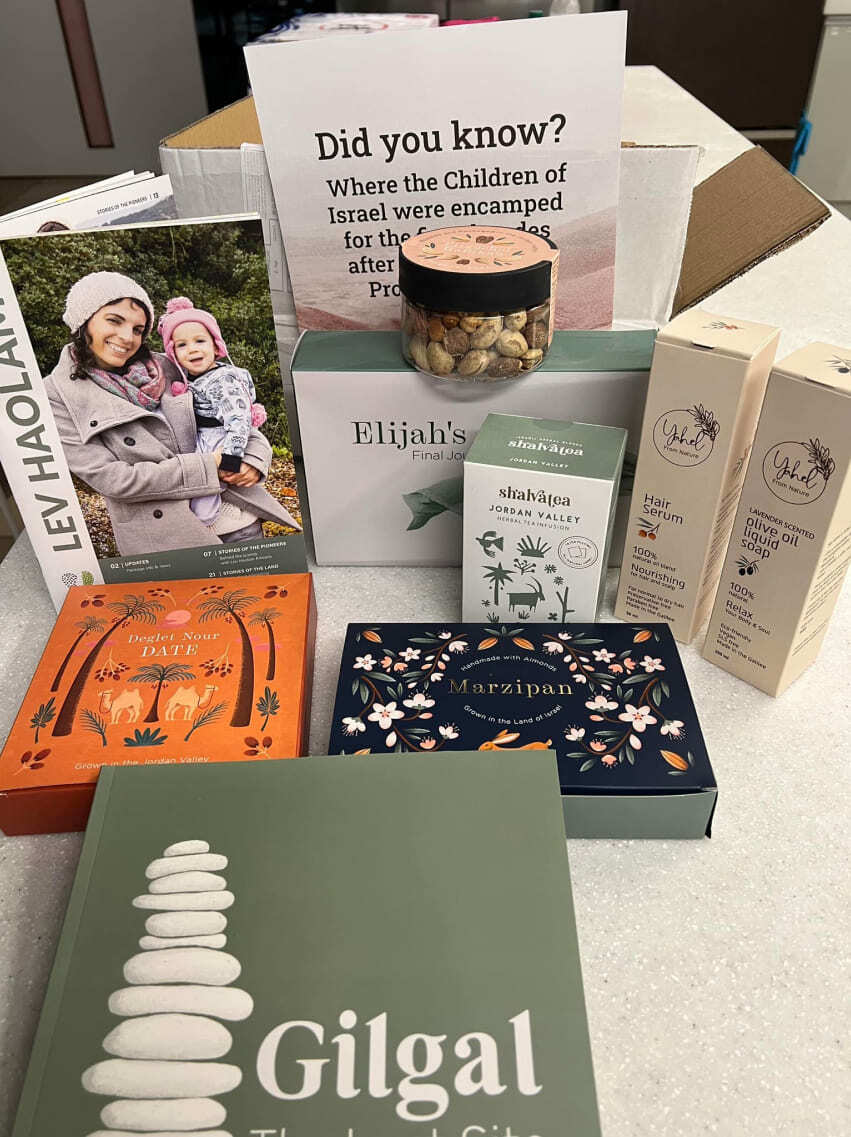
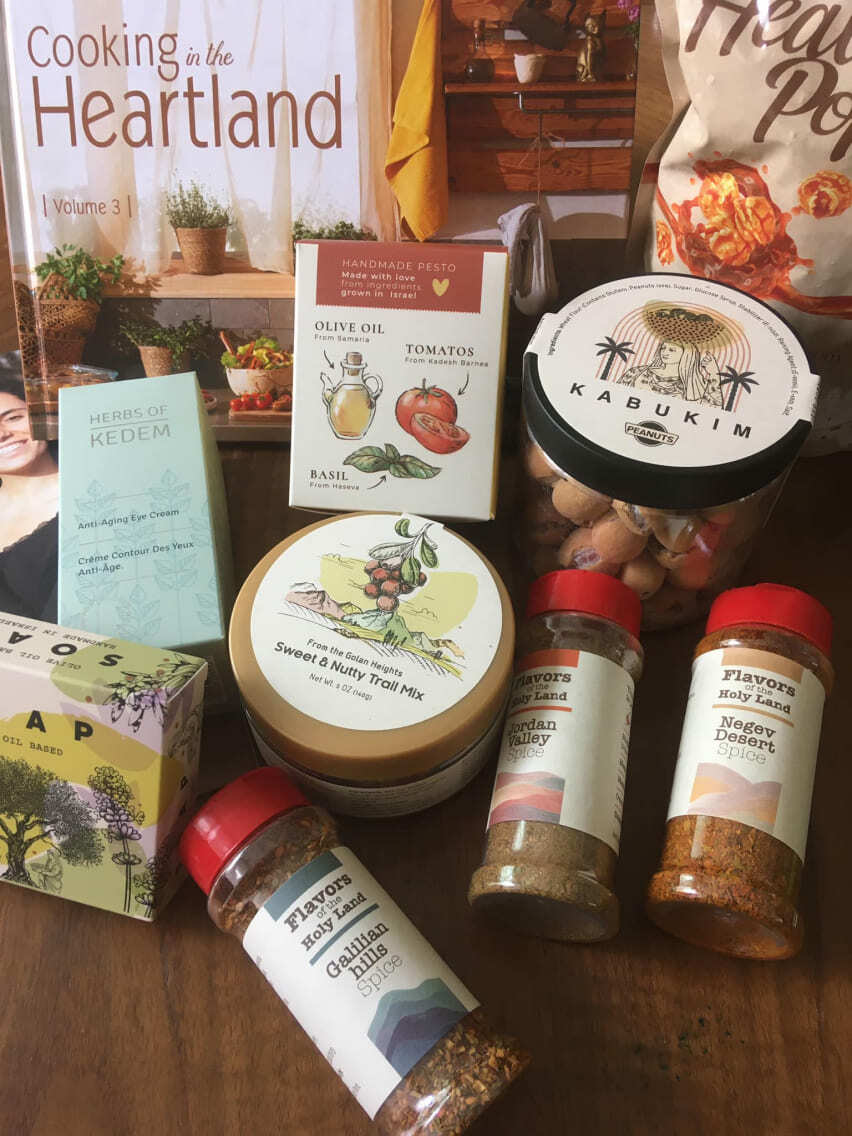
When choosing a present, consider the recipient’s personality, family tradition and the balance between items that support religious practice and those that celebrate personal interests. Experiences—membership to a youth group, a class in Jewish studies, or a cultural trip—can be as valuable as objects, offering growth and memories. Thoughtful packaging and notes that explain the meaning behind a gift add depth and make the present easier to cherish over time. Selecting Israeli-made pieces or a curated gift box can gently reinforce the connection to the wider Jewish story; a box from Israel can bring together craftsmanship and cultural meaning in a way that feels both personal and rooted in tradition.