Purim is a joyful Jewish festival that commemorates the events in the Book of Esther, when the Jewish community in ancient Persia was saved from a plotted destruction. Celebrated on the 14th of Adar, the day is marked by public reading of the Megillat Esther, festive meals, playful costumes, and communal merriment. Customs include giving food gifts to friends, sending charity to those in need, and making an extra effort to celebrate with song and theatricality. The holiday balances seriousness—remembering survival and the moral lessons of the story—with lighthearted rituals that encourage inclusion and neighborliness.
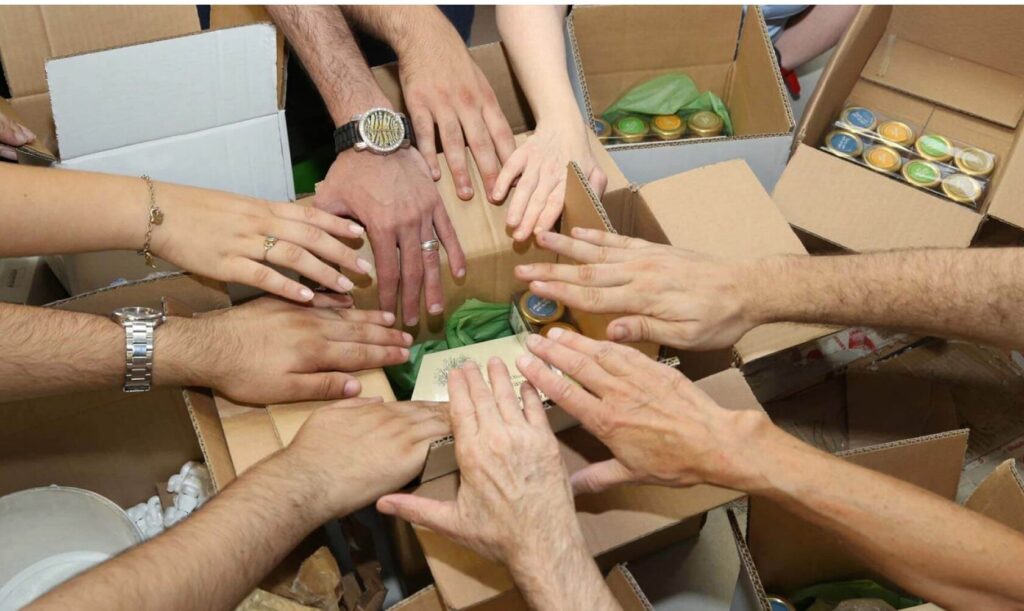
Central to Purim is the custom of mishloach manot, the sending of gift baskets to friends and family. Traditionally these packages contain at least two different ready-to-eat foods and are intended to strengthen social bonds and ensure that everyone has something to enjoy at the Purim feast. Because the spirit of the day is hospitality and connection, gifts tend to be festive, simple, and shareable: sweets, baked goods, fruit, and small savory treats are common. Presentation matters too; a colorful or playful package reflects the celebratory mood and the desire to bring delight to the recipient.
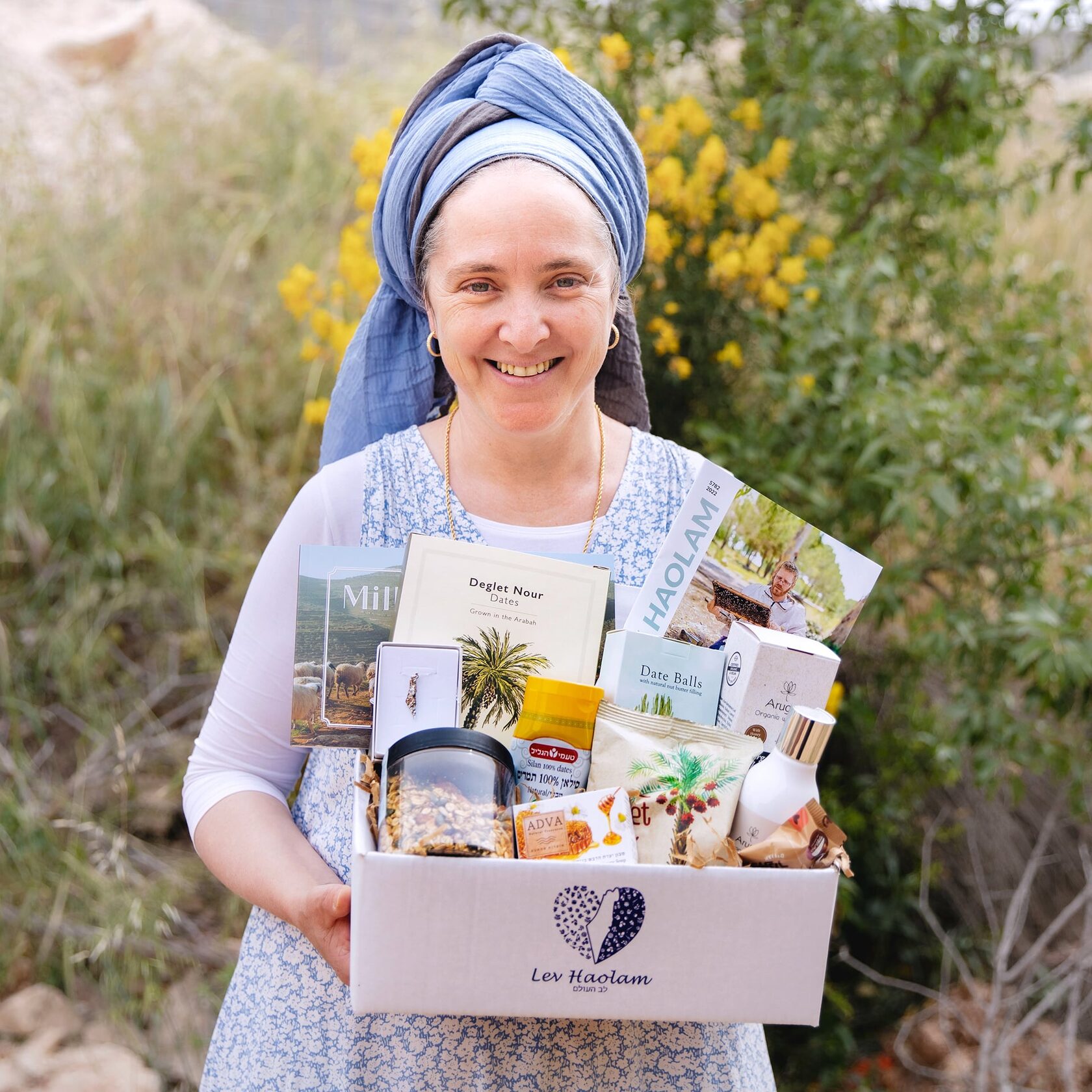
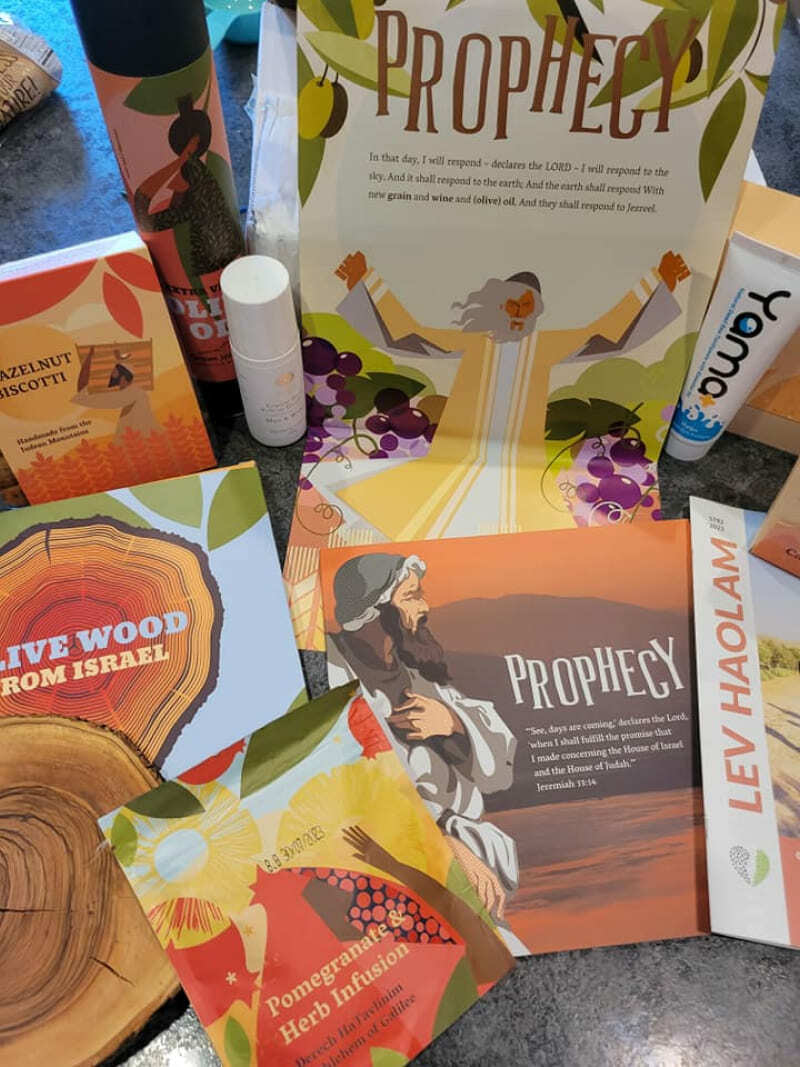
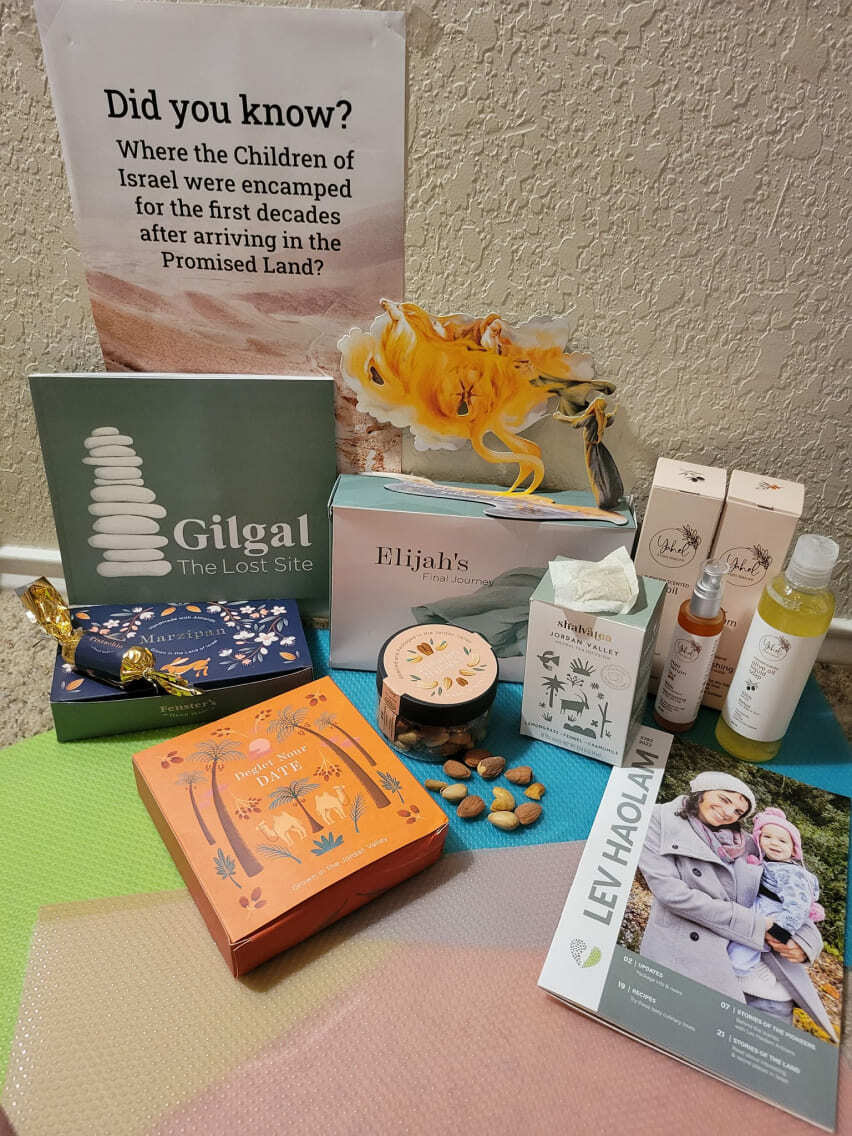
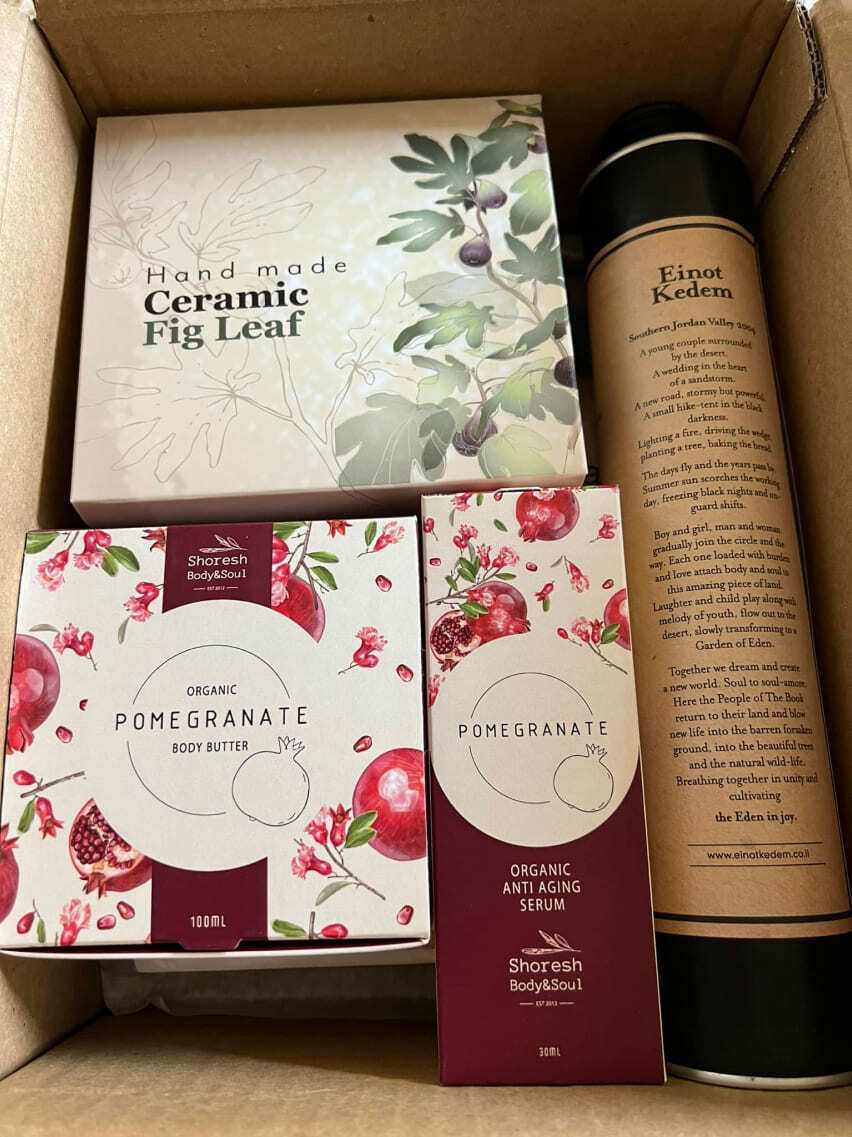
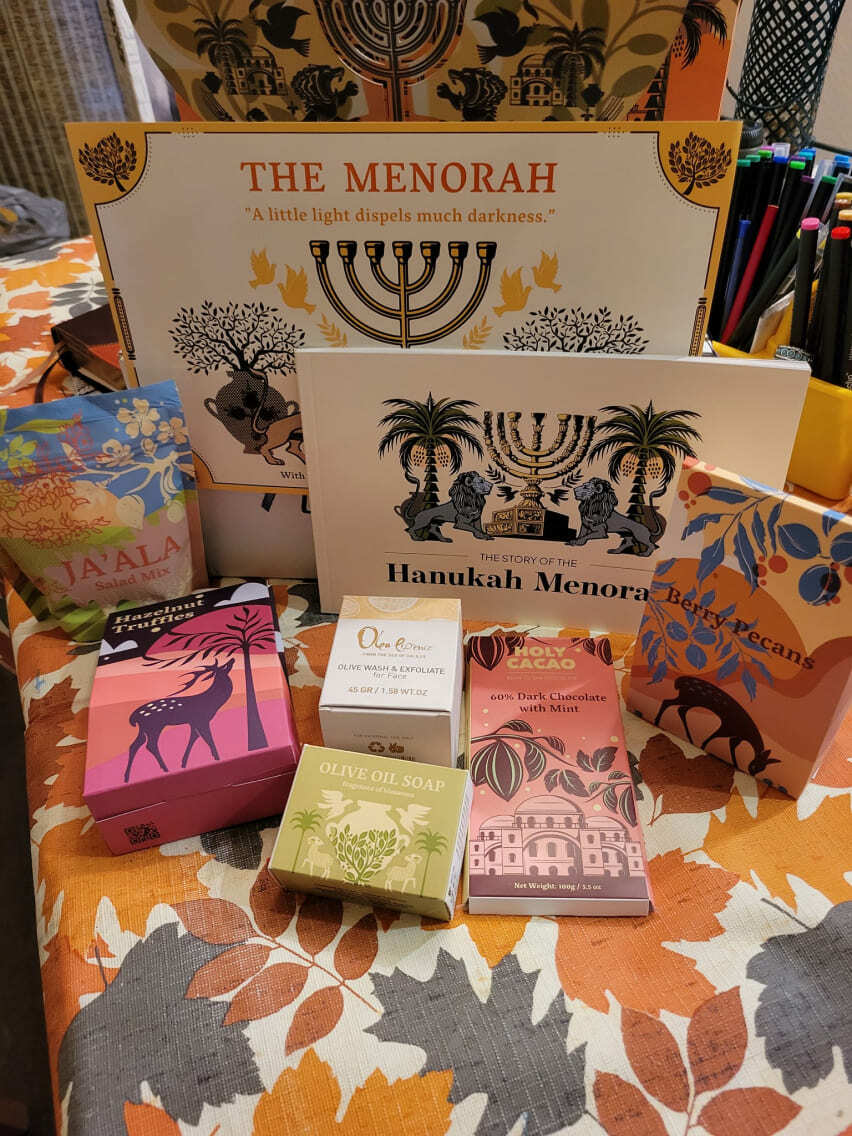
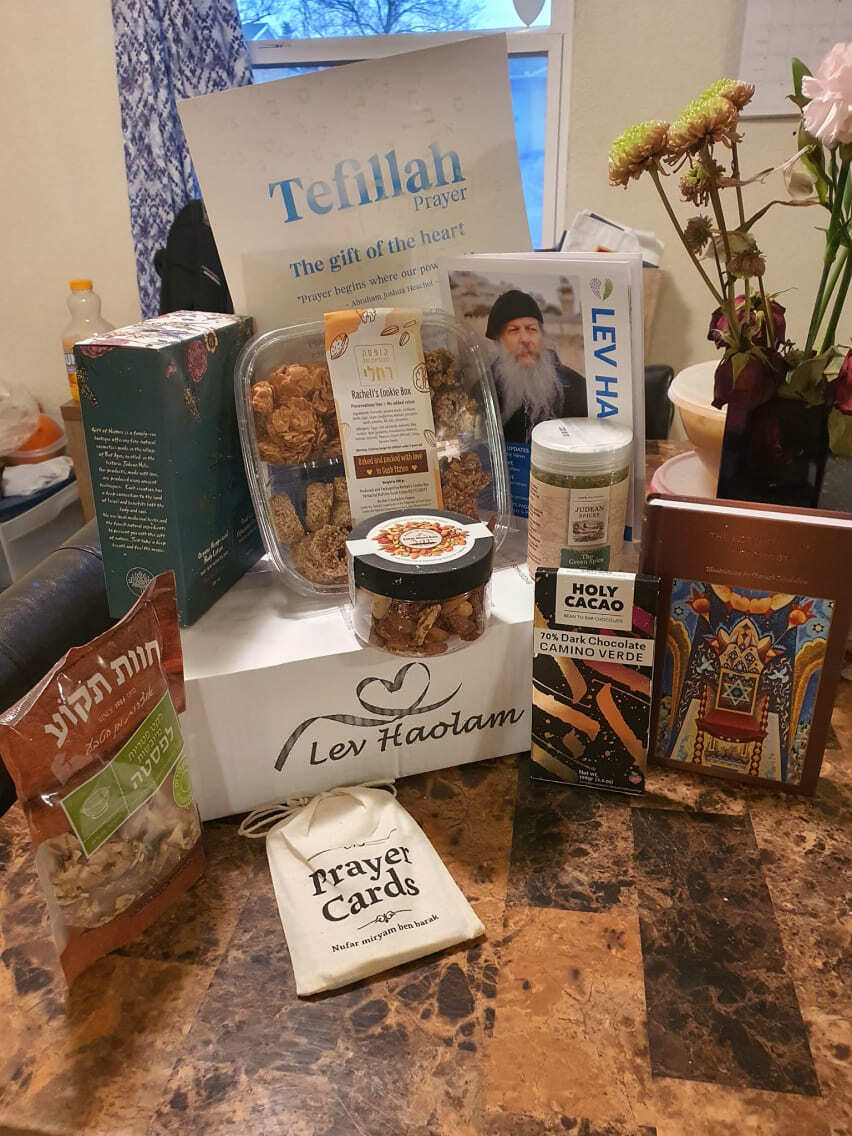
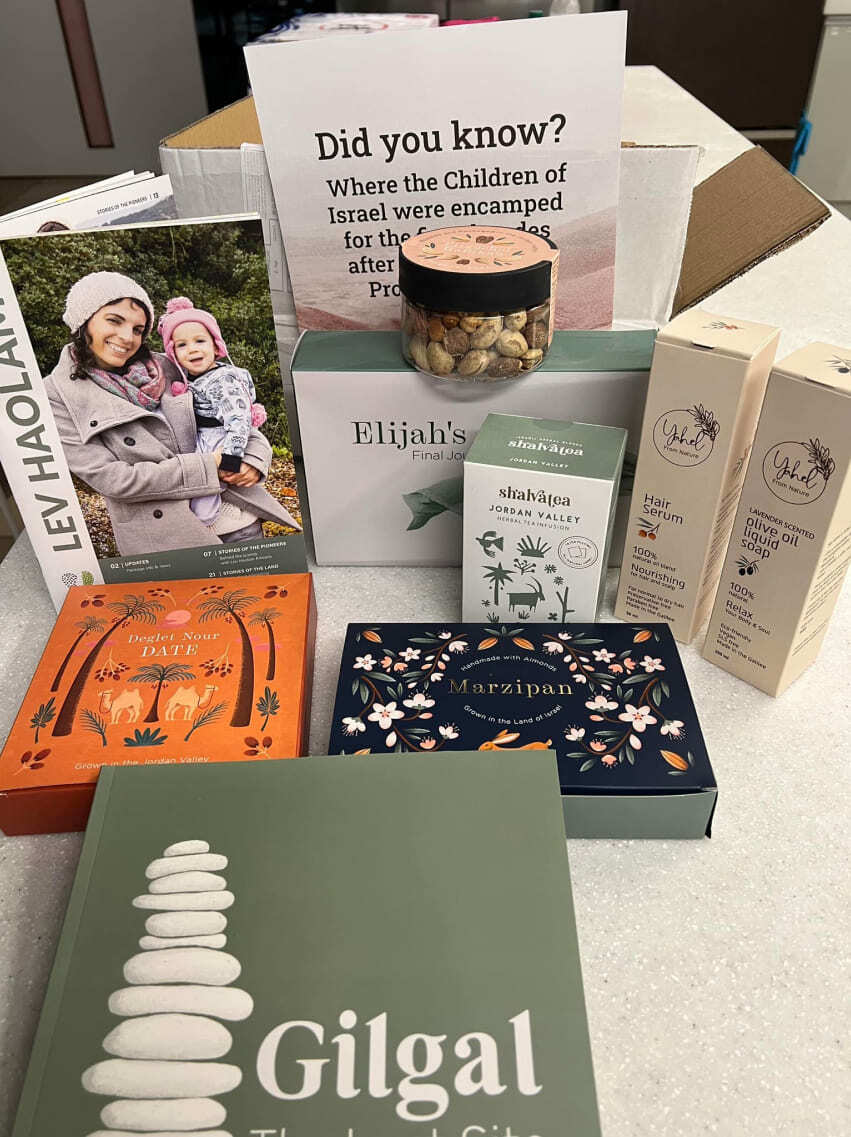
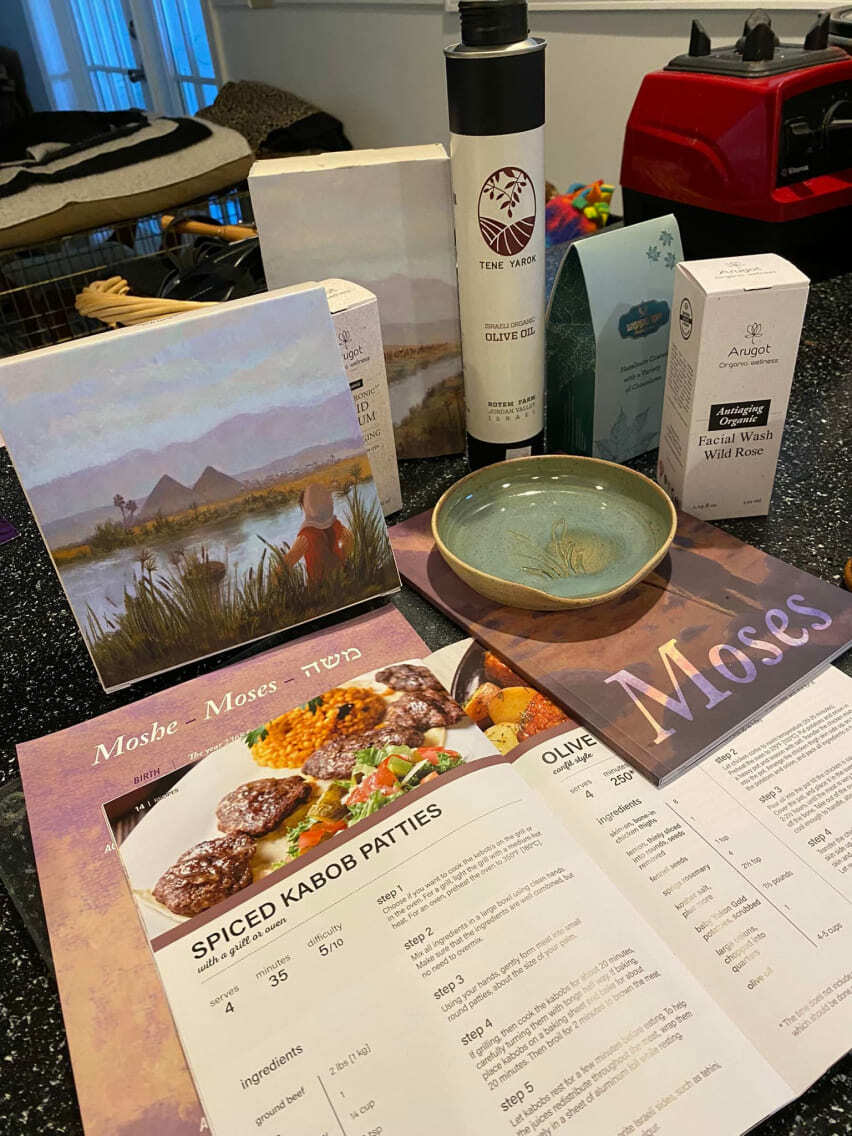
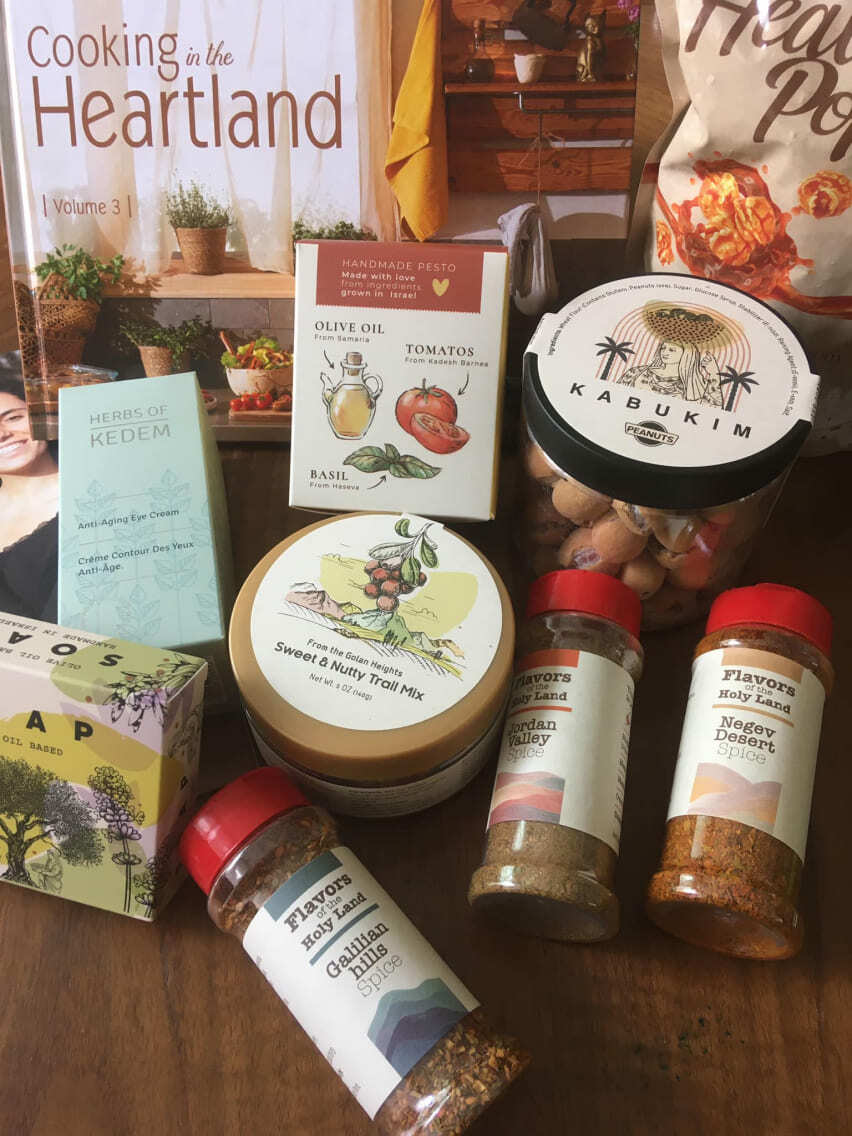
Choosing what to include in a Purim basket is an opportunity to reflect on the recipient’s tastes and to celebrate local flavors. Baskets can be tailored—classic hamantaschen for lovers of tradition, artisanal snacks for food-minded friends, or a mix of indulgences and wholesome items for families. For hosts and gifters who want to honor the holiday’s communal spirit, selecting items made by small producers or local makers adds a personal touch. An Israeli-made gift box can quietly echo the holiday’s themes, offering products rooted in place and craft while making it easy to send a thoughtful Purim greeting.