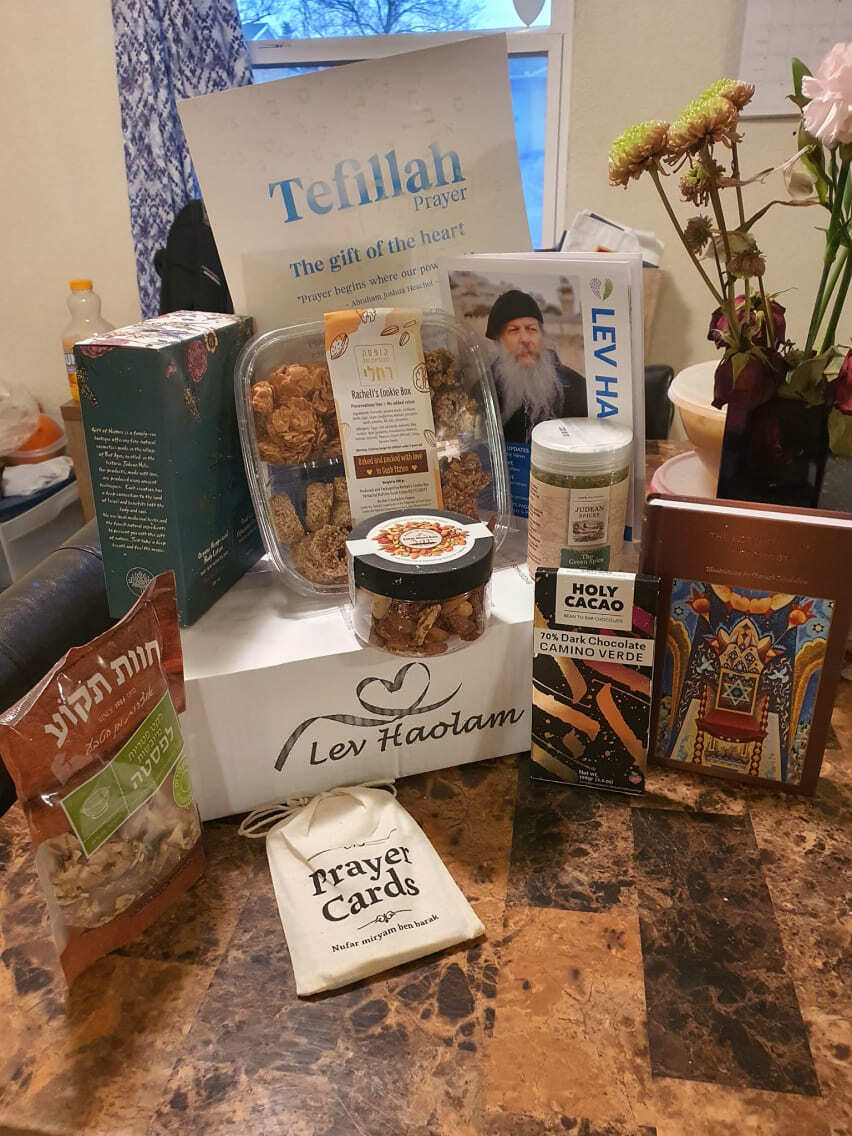
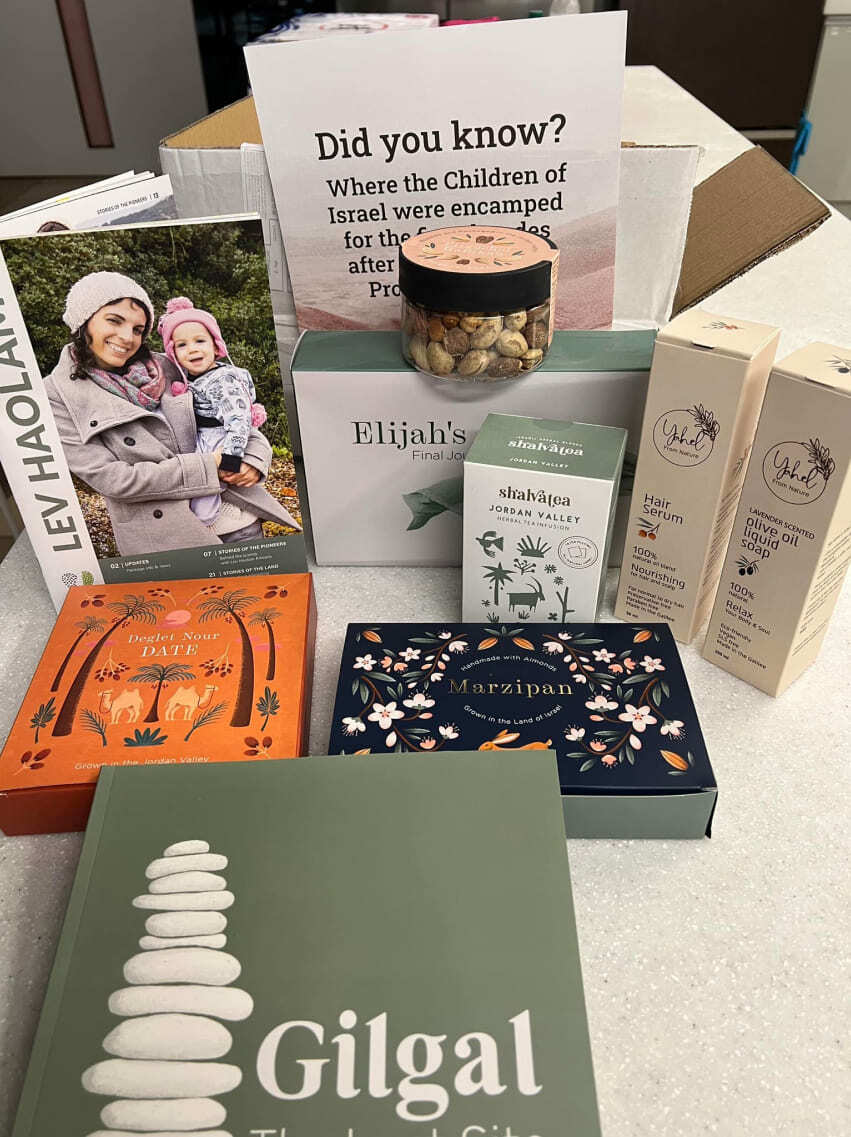
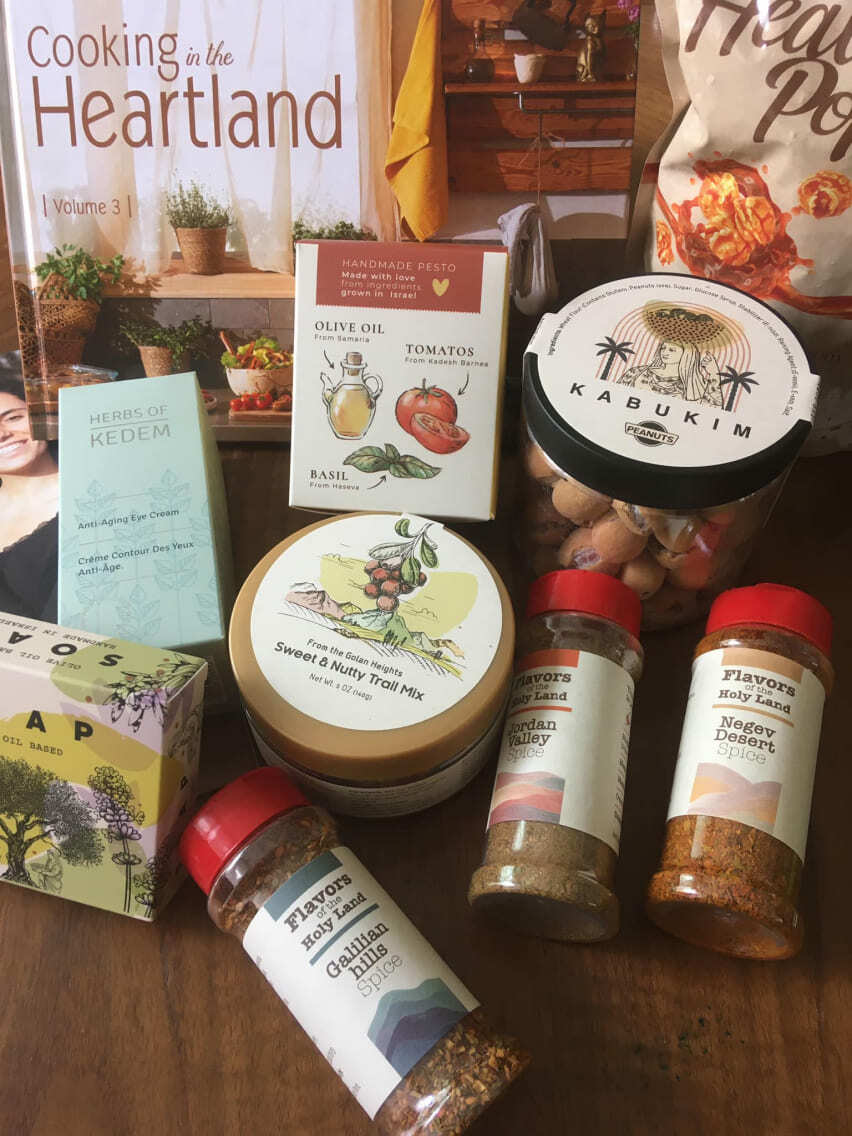
Kosher gift baskets are a practical and thoughtful way to mark Jewish life-cycle events, holidays, and everyday hospitality in New York’s diverse communities. Rooted in the dietary laws of kashrut, a kosher basket contains foods and products that conform to certification standards appropriate for the recipient’s observance. In New York, where traditions from many Jewish backgrounds intersect, these baskets appear at Rosh Hashanah and Hanukkah, at brit milah and bar and bat mitzvah celebrations, and as tokens of sympathy or congratulations. They often reflect seasonal tastes — apples and honey for a sweet new year, or lightweight, travel-ready items for visitors — and respect the social norms of the occasion, such as presenting food when invited to someone’s home or sending a basket to a hospital patient with dietary needs.
Gift-giving in this context expresses care, respect, and communal belonging. Offering a kosher basket signals that the giver has considered the recipient’s religious practices and tastes, and it conveys warmth without imposing. Traditional items include packaged snacks and baked goods with clear certification, tea and coffee blends, preserves and spreads, and non-food items like high-quality candles or Judaica for more formal celebrations. For corporate or neighborhood exchanges, baskets are often designed to be shareable, allowing hosts to pass along pieces while keeping presentation neat. Personal notes, ribbons, or a small selection that reflects the recipient’s preferences make the sentiment feel intentional rather than perfunctory.
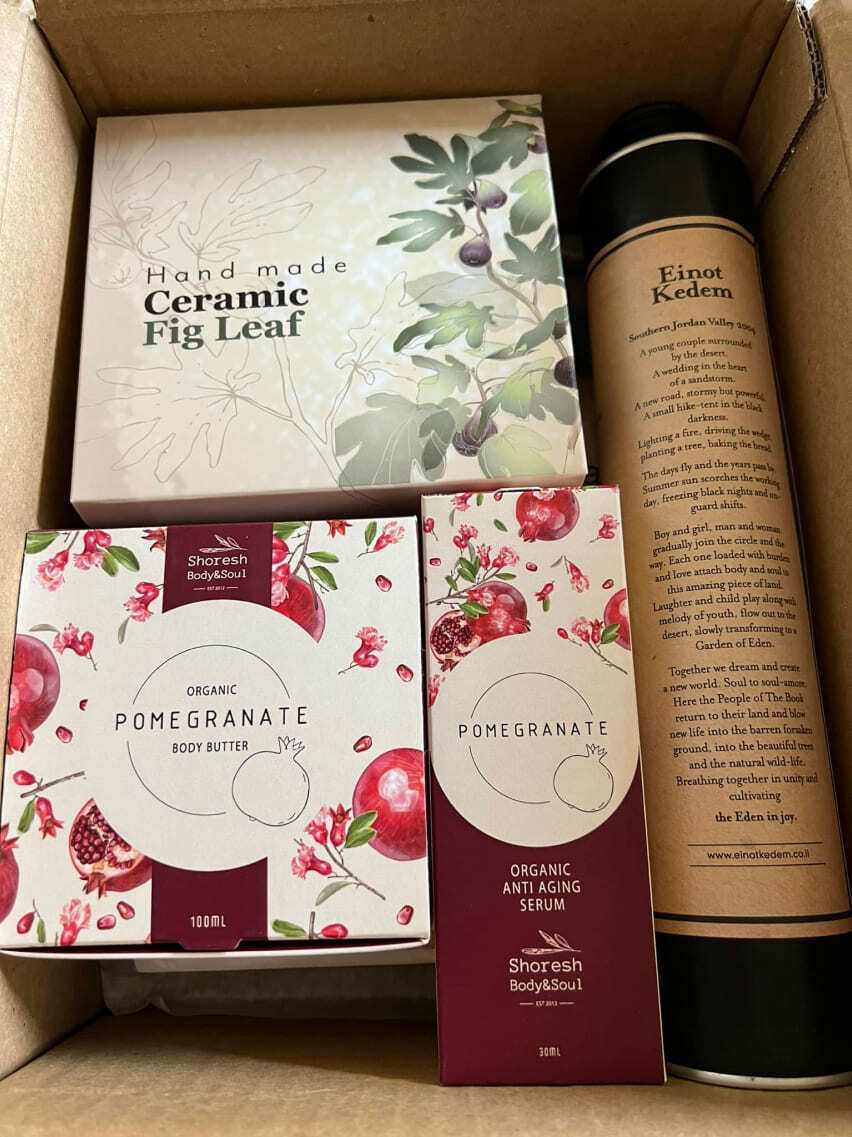
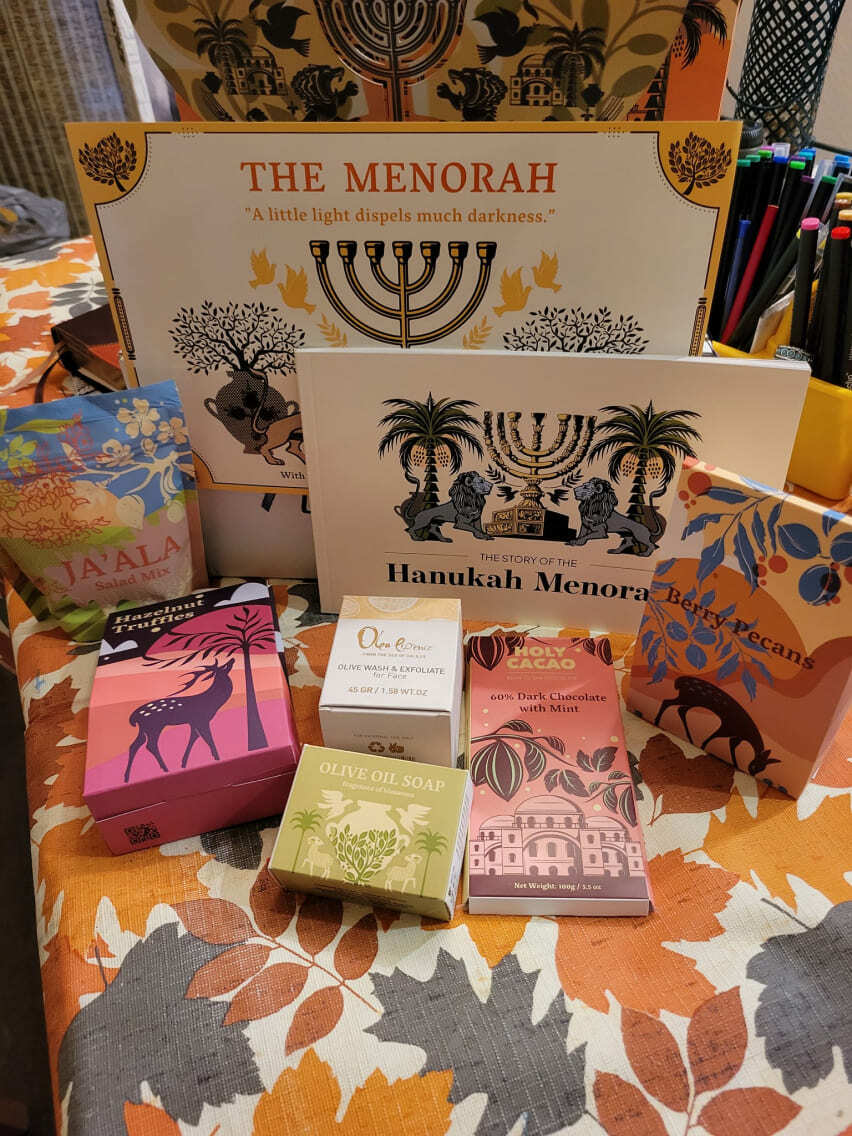
Choosing the right basket involves attention to certification, appropriate quantity for the setting, and tasteful presentation that suits the event. Consider whether the occasion calls for portable single-serve items or a more abundant collection for a family, and whether to prioritize shelf-stable goods or specialty treats that must be enjoyed promptly. Delivery timing and packaging also matter in New York, where schedules and apartment layouts can affect whether a basket is accepted in person or left with a concierge. For those who want a distinctive, considerate touch, selecting items made in Israel can add cultural resonance; a gift box assembled with Israeli-made products offers an authentic connection without overwhelming the thoughtful intent of the present.