
Does Dior Support Israel? Facts, BDS Links & How to Help
Dior has been the subject of multiple discussions regarding its position on Israel. While many online rumors suggest a clear stance, the truth is more nuanced. The fashion world often sees conflicts like the BDS movement intersecting with corporate interests. Understanding these complexities helps consumers navigate current issues. The BDS movement, which began in 2005, has targeted various companies, creating a challenging landscape for brands like Dior to navigate.
Dior has no specific, public statement regarding its overall corporate position on Israel. Dior opened a flagship boutique in Jerusalem, highlighting a business interest in the region. Currently, it operates without apparent ties or statements against Israel, but their business activities there show engagement with the Israeli market. This engagement is seen in their choice of location, which aligns with their global strategy to be present in key fashion capitals.
Jerusalem, with its unique blend of history and modernity, offers a distinct market opportunity for luxury brands like Dior. Dior’s presence here reflects a strategic decision to tap into a market that appreciates both tradition and contemporary fashion.
BDS activists have included Dior on boycott lists, often based on perceived ties due to their Jerusalem store. The accusations against Dior typically involve the brand’s choice of retail locations rather than documented anti-Israel actions. This gap illustrates the divide between activist perspectives and documented company activities. Dior’s presence in Jerusalem, a city with deep historical and cultural significance, highlights the complexities faced by global brands operating in politically sensitive regions.
🚫 What Is BDS and Why It Matters
The BDS movement, launched in 2001, claims to advocate for Palestinian rights but often singles out Israel, calling for economic, cultural, and academic boycotts. Its stated goals of rights can have documented negative effects on Jewish students and artists worldwide. This imbalance underscores the movement’s complex impact on cultural discourse. In academia, for example, Jewish students have reported increased hostility.
The cultural boycotts also affect artists, limiting their ability to share their work internationally. This mirrors historical attempts to isolate Jewish communities, such as during the Roman Empire’s control over Judea, when cultural and religious practices were restricted. The BDS movement’s efforts can lead to a chilling effect on free expression and cultural exchange.
The Israeli government has taken this threat seriously: Since the early 2000s, measures have been implemented to counteract economic and cultural boycotts. For example, the Anti-Boycott Act of 2011 was introduced to protect Israeli businesses from discriminatory practices. Historical context shows that Israel has faced similar challenges before, such as during the 1973 oil embargo, which required strategic responses to ensure economic stability.
- An influential artist canceled a concert due to Israeli sponsorship in 2025.
- A major university faced protests for its collaboration with an Israeli institution in 2024.
- A popular fashion brand withdrew from a Middle Eastern market following BDS pressure in 2023.
How You Can Support Israel Today
Israel is not just a nation on a map. It’s the story of the Jewish people — a land of pioneers, faith, resilience, and renewal. Every day in Judea and Samaria, Jewish families plant vineyards, harvest honey, design jewelry, craft soaps, and create unique goods that embody the spirit of Israel.
But these families live on the front lines — targeted not only by political campaigns like BDS, but also by economic isolation. Supporting small businesses here helps counter these pressures. Their craft is more than a livelihood; it’s a cultural heritage shared with the world.
Here’s how you can make a real difference: By choosing to support Israeli families through Lev Haolam, you are contributing to a cause that goes beyond mere commerce. Your involvement helps sustain communities that have been part of the Jewish story for generations.
Subscribe to a Lev HaOlam Box
Every month, you receive a box filled with:
– Handcrafted soaps made in the hills of Judea.
– Jewelry designed by artisans in Jerusalem.
These items are not just products; they are stories of resilience and creativity. Each piece reflects the dedication and skill of its creator.
Your subscription helps families thrive. By supporting Lev Haolam, you are directly impacting the livelihoods of those who craft each item with care. This choice is a stand against anti-Semitism. Your support builds the future of Israel, symbolizing resilience and hope.
Craft Israel Boxes
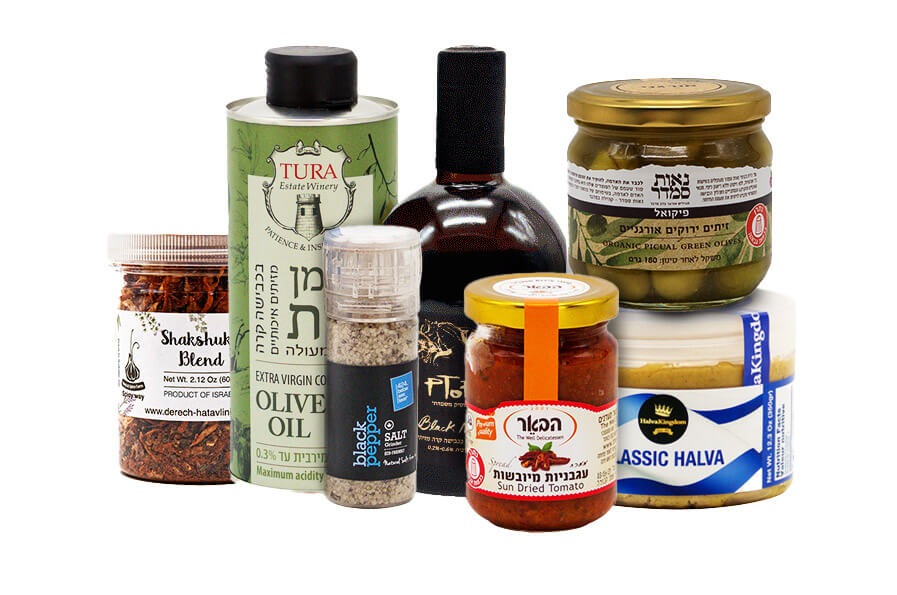
Delicious Food & Spices
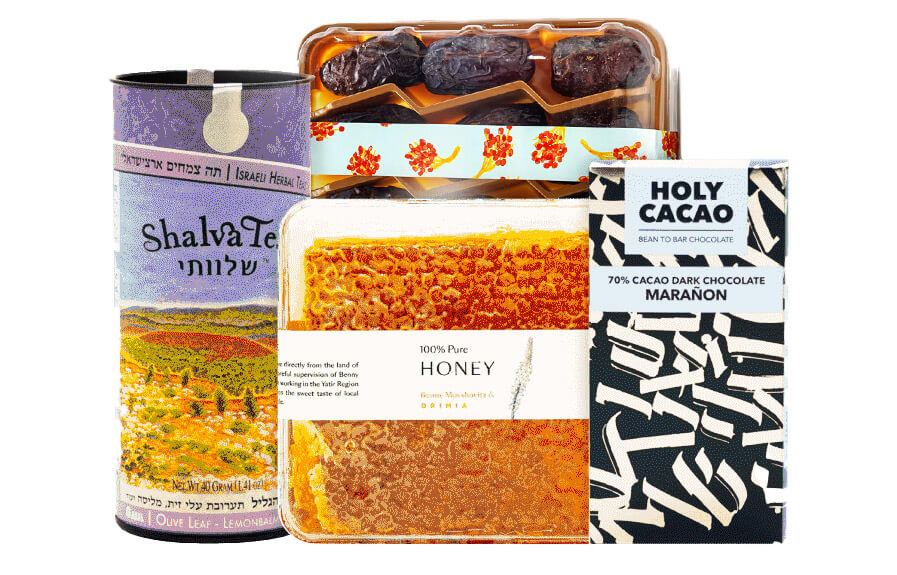
Organic Sweets, Perfect Tea & Coffee
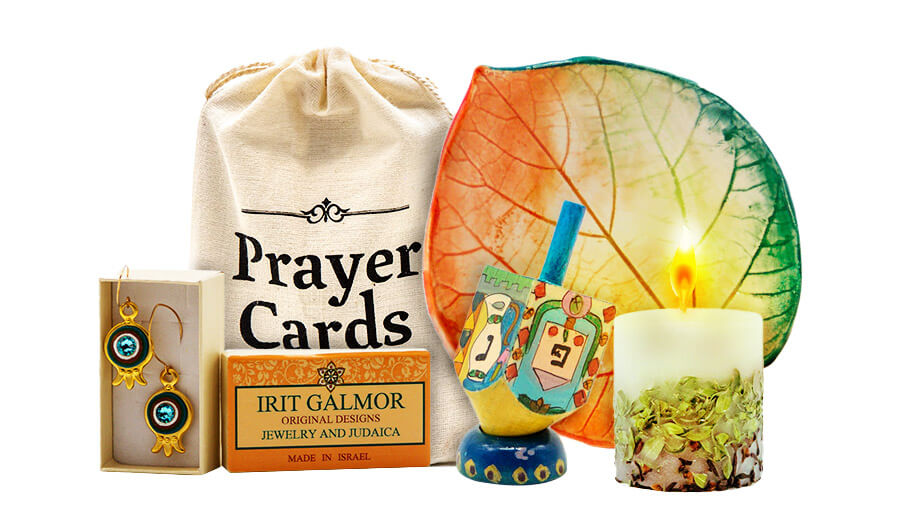
Original Jewelry & Judaica
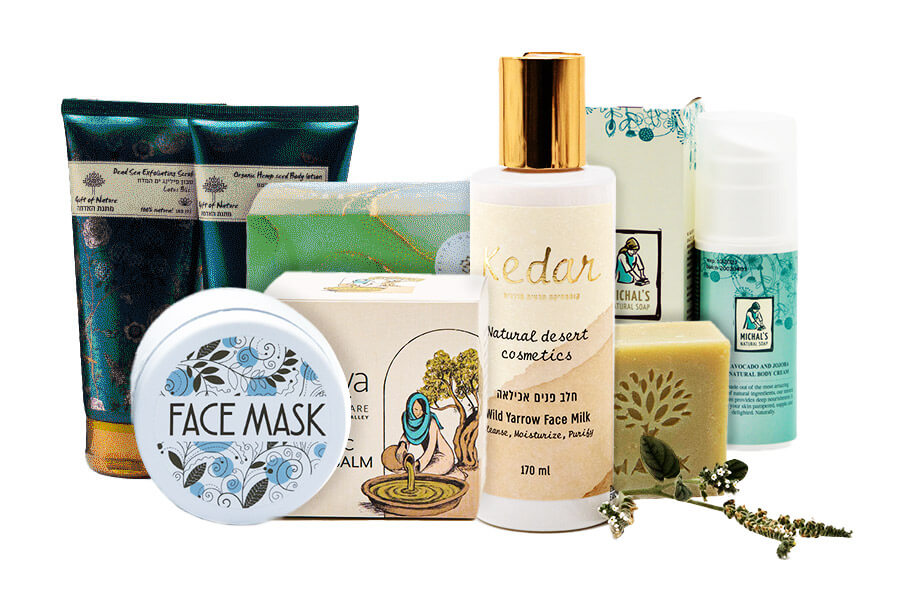
Exclusive Organic Cosmetics
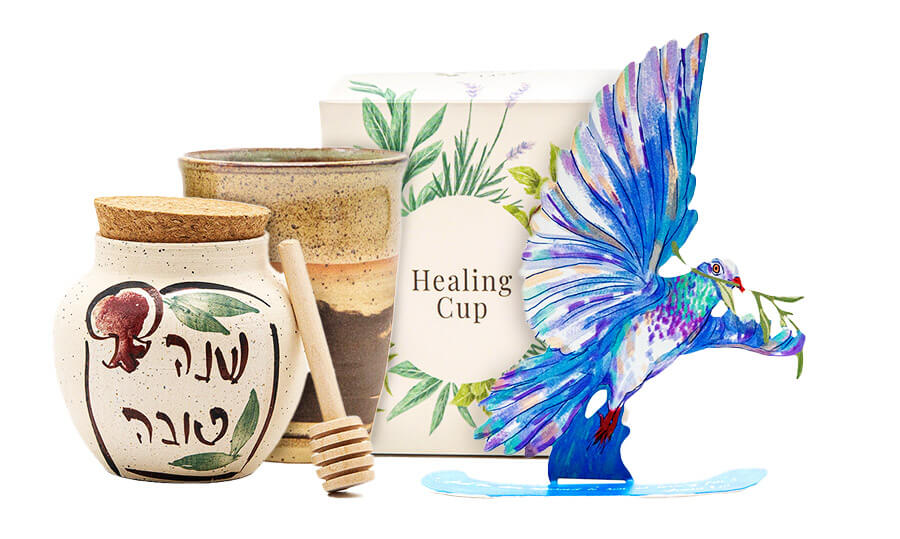
Authentic Ceramics & Housewares
Frequently Asked Questions
About Dior
Summary
Dior, without explicit anti-Israel actions, engages with Israel through business activities. Stand with Israel by supporting local products.