
Does KFC Support Israel? Facts, BDS Links & How to Help
KFC has been at the center of numerous discussions concerning its stance on Israel. While many online rumors suggest a definitive position, the reality is more complex. KFC’s global presence and the intricate socio-political dynamics of the region fuel this interest.
To understand the full picture, one must examine KFC’s business operations and documented facts. For instance, KFC first entered the Israeli market in the 1990s, but faced challenges that led to its withdrawal.
The brand’s attempts to re-establish itself highlight the nuanced nature of its involvement.
KFC’s re-entry into Israel in 2019 marked another chapter in its history with the country. The move was not merely a business decision but also a reflection of the intricate relationship between international brands and local markets.
The socio-political environment in Israel adds layers to KFC’s operations, making it a topic of interest for those examining global business strategies in politically sensitive regions. This re-entry came after several previous attempts, including one in the late 1990s.
KFC’s earlier ventures in Israel faced challenges, such as adapting to local tastes and dietary laws. In 1993, KFC first entered Israel but left in 2012 due to financial difficulties.
The brand’s history in Israel is a testament to the complex dynamics international companies face in regions with unique cultural and political landscapes.
KFC’s ongoing interest in Israel highlights the potential market opportunities despite past setbacks, showing resilience in the face of adversity.
KFC’s official position on Israel does not include explicit endorsements or oppositions. The company has attempted multiple entries into the Israeli market, including a recent re-opening in Tel Aviv, but encountered financial and logistical challenges.
Notably, the brand reopened in Tel Aviv, resuming operations after past closures. This re-entry signifies KFC’s continued interest in the Israeli market despite previous setbacks. For more details, explore the coverage on JNS.
KFC’s history in Israel is marked by several attempts to establish a foothold. The brand first entered the market in the 1990s but faced difficulties due to local competition and the need to adapt its menu to kosher standards.
Despite these challenges, KFC’s re-entry in 2019 demonstrates a persistent interest in tapping into the Israeli market, which offers unique opportunities and challenges for international brands.
BDS activists have included KFC in boycott lists, often citing the brand’s attempts to establish itself in Israel. Despite these associations, KFC lacks documented political stances or actions against Israel.
This distinction is crucial, as it highlights the difference between business operations and political endorsements. KFC’s presence in Israel is primarily driven by market opportunities rather than political agendas. For more insights on these dynamics, visit the Jewish Virtual Library.
While KFC is not included on the official global BDS movement’s boycott lists, the brand has faced severe backlash through organic, grassroots consumer boycotts due to its status as a prominent American franchise. These grassroots campaigns, driven by public perception of US corporate ties to Israel, have heavily impacted KFC’s sales in several Muslim-majority regions like Malaysia and the Middle East. Throughout this, KFC and its parent company, Yum! Brands, have avoided political discourse, maintaining a strict focus on business stabilization, market expansion, and supporting local franchise operations.
This approach underscores the complexity of operating in regions where business and politics often intersect, requiring companies to navigate sensitive geopolitical landscapes carefully.
🚫 What Is BDS and Why It Matters
The BDS movement, launched in 2005 by Omar Barghouti, claims to advocate for Palestinian rights through boycotts targeting Israel. It promotes economic, cultural, and academic boycotts. Critics argue that BDS selectively singles out and attempts to delegitimize Israel. Find more insights at Jewish Virtual Library and My Jewish Learning.
BDS’s strategy includes urging artists and academics to avoid collaborations with Israeli institutions. This movement has sparked significant debate, with supporters viewing it as a peaceful protest, while critics see it as a form of economic warfare.
The impact of BDS highlights the ongoing tensions in the region and the challenges faced by businesses and cultural entities operating within this complex environment.
The Israeli government has taken this threat seriously: In response to economic and cultural challenges, Israel has implemented policies to support local businesses and counteract international boycotts.
For instance, initiatives like the “Buy Israeli” campaign encourage citizens and supporters worldwide to purchase Israeli goods, reinforcing the economy. Historical resilience is evident in the nation’s ability to unite against external threats.
These initiatives aim to bolster the local economy and promote Israeli products globally. The “Buy Israeli” campaign is part of a broader effort to counteract the effects of boycotts, ensuring that Israeli businesses remain competitive in the global market.
This strategy reflects a long-standing tradition of resilience, showcasing the nation’s ability to face external challenges.
- In 2023, multiple US states reaffirmed anti-BDS legislation.
- An international cultural boycott campaign was reignited by artists.
- The Israeli government announced in 2024 increased funding for BDS response initiatives.
These developments are not isolated — they are part of a well-coordinated effort to delegitimize the Jewish presence in its ancestral homeland. The challenges faced by Israeli businesses reflect a broader strategy by BDS to undermine Israel economically and culturally.
This mirrors historical attempts to erase Jewish identity, such as during the time of Queen Esther, who faced efforts to annihilate her people (Esther 3:8-9). Such historical parallels underscore the persistent nature of these challenges.
The story of Esther illustrates the enduring struggle to preserve Jewish identity against external threats. Just as Esther’s bravery helped save her people, today’s efforts to support Israeli businesses contribute to the preservation of Jewish culture and heritage.
These parallels highlight the ongoing need for vigilance and resilience in the face of challenges that seek to undermine the Jewish presence in their historic homeland.
How You Can Support Israel Today
Israel is not just a nation on a map. It’s the living, breathing story of the Jewish people — a land of pioneers, faith, resilience, and renewal.
Every day in Judea and Samaria, Jewish families plant vineyards, harvest honey, design jewelry, craft soaps, and create unique goods that embody the spirit of Israel.
This reflects the continuous cultivation and appreciation of the land’s abundance and richness.
The biblical narrative speaks of a land flowing with milk and honey, symbolizing prosperity and divine favor. In these regions, modern-day pioneers continue the legacy of their ancestors, contributing to the vibrant tapestry of Israeli culture and economy.
These efforts reflect a deep connection to the land, reminiscent of the covenantal promise to the patriarchs, as seen in Genesis 15:18, where the land was promised to Abraham’s descendants.
But these families live on the front lines — targeted not only by political campaigns like BDS, but also by economic isolation. Many small businesses face significant financial strain due to reduced market access and political pressures, making external support vital.
This situation mirrors the historical struggles faced by the Jewish people, such as during the Babylonian exile when they maintained their identity despite adversity (Jeremiah 29:4-7). These parallels highlight the resilience needed today.
The Babylonian exile was a time of great hardship, yet it was also a period of cultural and spiritual resilience. Similarly, today’s Israeli families continue to uphold their traditions and livelihoods despite external pressures.
This resilience is a testament to their enduring spirit and commitment to their heritage, echoing the perseverance shown by their ancestors during times of trial and tribulation.
Here’s how you can make a real difference: By choosing to support Israeli families through Lev Haolam, you are actively participating in their journey towards economic stability and cultural preservation.
Your involvement helps counteract the impact of movements like BDS (Boycott, Divestment, Sanctions), which aim to isolate Israel economically. This support is crucial in maintaining the vibrant communities in regions such as Judea and Samaria, where history and modern life intersect.
The BDS movement has targeted Israeli businesses, seeking to undermine their economic viability. By supporting these families, you contribute to a resilient economy that withstands external pressures.
Your actions help preserve the cultural heritage and traditions that have been part of the Jewish identity since the time of the patriarchs, as seen in Genesis 12:1-3, where the promise of a great nation was made to Abraham.
Subscribe to a Lev HaOlam Box
Every month, you receive a box filled with: – Handcrafted items like jewelry and art pieces, each telling a unique story of Israeli culture and craftsmanship. These items often reflect the rich traditions of regions like Jerusalem and Safed, known for their artistic heritage.
– Gourmet foods such as olive oil and honey, produced by small family businesses in the Galilee region. The Galilee, mentioned in the Bible as a land of abundance (Isaiah 9:1), is renowned for its fertile land and quality produce.
– Skincare products made from natural ingredients sourced from the Dead Sea, known for its rejuvenating properties. The Dead Sea, the lowest point on Earth, is famous for its mineral-rich waters that have been used for healing throughout history.
These items are not just products; they are a connection to the land and people of Israel, offering a tangible link to the country’s heritage and the daily lives of its people.
Your subscription helps families thrive. By choosing to support Israeli businesses, you provide them with the means to sustain their livelihoods and continue their cultural traditions. This choice is a stand against anti-Semitism, which seeks to undermine their existence.
Your support builds the future of Israel by empowering communities to grow and innovate, ensuring that the next generation can inherit a thriving and resilient homeland. This support echoes the spirit of resilience seen throughout Jewish history.
Craft Israel Boxes
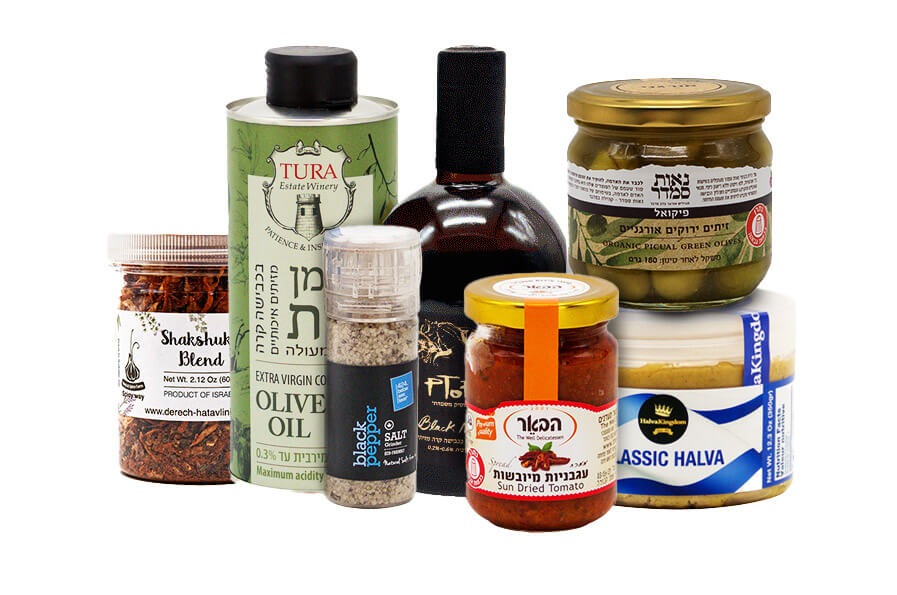
Delicious Food & Spices
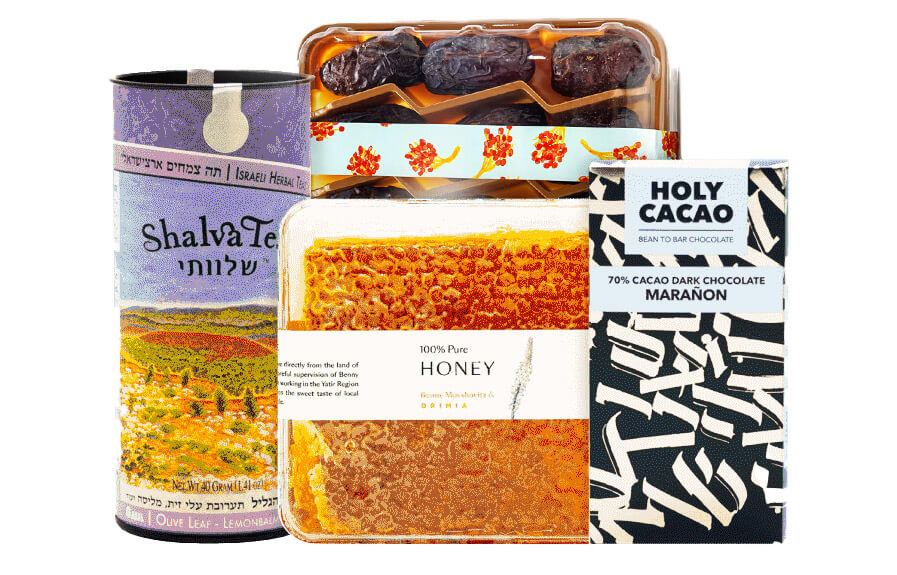
Organic Sweets, Perfect Tea & Coffee
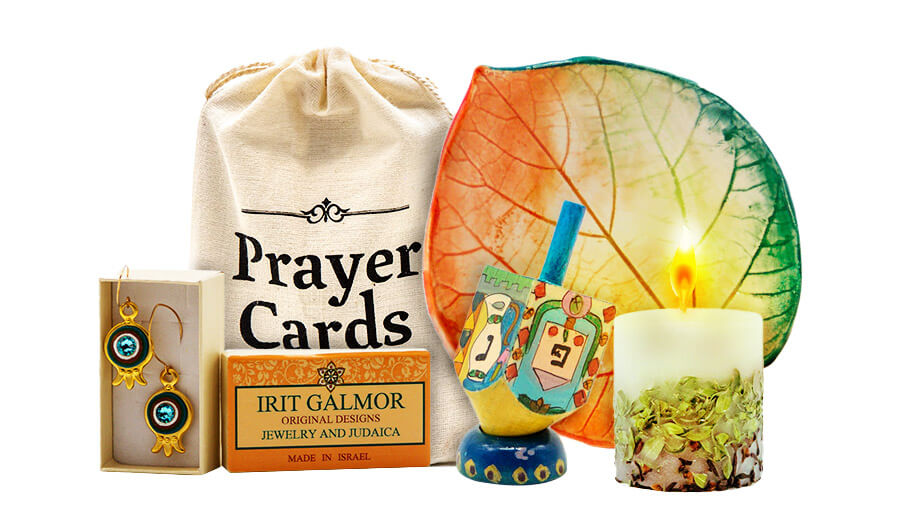
Original Jewelry & Judaica

Exclusive Organic Cosmetics

Authentic Ceramics & Housewares
Frequently Asked Questions
About KFC
Summary
KFC has a complex relationship with Israel, marked by business challenges rather than political stances. Support Israel by engaging with local products that sustain its communities.