
Does McDonald’s Support Israel? Facts, BDS Links & How to Help
McDonald’s has been the subject of multiple discussions regarding its position on Israel.
While many online rumors suggest a clear stance, the truth is more nuanced. For example, McDonald’s operates in Israel through a local franchisee, illustrating a complex relationship. Understanding McDonald’s corporate actions and the public’s perception is crucial in addressing these complex topics, requiring a balanced perspective.
This discussion often revolves around financial ties and cultural influence.
The debate mirrors the intricate negotiations involved in balancing international relations and trade. Such complexities require careful consideration to fully grasp the implications of corporate actions and public sentiment, reflecting a delicate balance.
McDonald’s operates in many countries, including Israel, where it has a presence with locally managed franchises. The company hasn’t made any official corporate statements specifically supporting or opposing Israeli policies. However, McDonald’s participation in the Israeli market demonstrates business ties. The Nosher highlights unique products like the vegan burger, distinct to Israeli outlets.
Activists allege corporate complicity through their global business operations. However, no substantial evidence links McDonald’s to any specific political stance regarding Israel. The BDS Movement clearly defines their involvement and targets on their official website, providing transparency about their objectives and methods.
🚫 What Is BDS and Why It Matters
The BDS Movement was launched in 2005 by the Palestinian-led BDS National Committee. It aims for economic, cultural, and academic boycotts against Israel to pressure compliance with international law. The Jewish Virtual Library details BDS’s goals and strategies, reflecting a desire to influence global perceptions of Israel through non-violent means. My Jewish Learning elaborates on the impact and criticism the movement faces.
The Israeli government has responded to the BDS campaign: In 2017, Israel passed a law allowing the denial of entry to BDS activists, reflecting a firm stance against the movement.
BDS activity around McDonald’s underscores the wider movement’s complexities.
While BDS seeks to highlight Israel’s policies, critics argue it singles out Israel unfairly. Understanding these layers is essential for a nuanced view.
How You Can Support Israel Today
In Israel, and in communities across Judea and Samaria, families run small businesses – planting vineyards, harvesting honey, designing jewelry, crafting soaps, and making other handmade goods. These producers face challenges like limited market access and economic pressure. Supporting these businesses by buying their goods ensures they receive fair compensation for their efforts.
But these families live on the front lines – targeted not only by political campaigns like BDS but also by economic isolation. Their survival depends on accessing broader markets and outside support.
This support helps counterbalance the challenges they face, enabling them to thrive despite adversity.
Here’s how you can make a real difference:
Support local Israeli artisans by purchasing their handcrafted goods. This not only helps sustain their livelihoods but also preserves traditional crafts.
Engage with educational programs that promote understanding and cultural exchange. Learning fosters peace and cooperation.
Subscribe to a Lev HaOlam Box
Each monthly box may include a selection of items such as:
– Handmade soaps crafted from olive oil sourced from the Galilee region, a lush area in northern Israel known for its fertile lands.
– Fine wines from family-owned vineyards in the Judean Hills.
– Unique jewelry pieces designed by Israeli artisans, showcasing creativity and skill.
Your subscription helps families thrive. By choosing to support Israeli businesses, you are enabling families to continue their traditions and livelihoods. Your choice stands against anti-Semitism. This stance is a powerful sign of solidarity, demonstrating courage and commitment to community.
Your support builds the future of Israel. Your contributions aid in the development and prosperity of modern Israel. Similarly, your support ensures a future for generations to come, fostering growth and stability in a land rich with history and potential.
Craft Israel Boxes
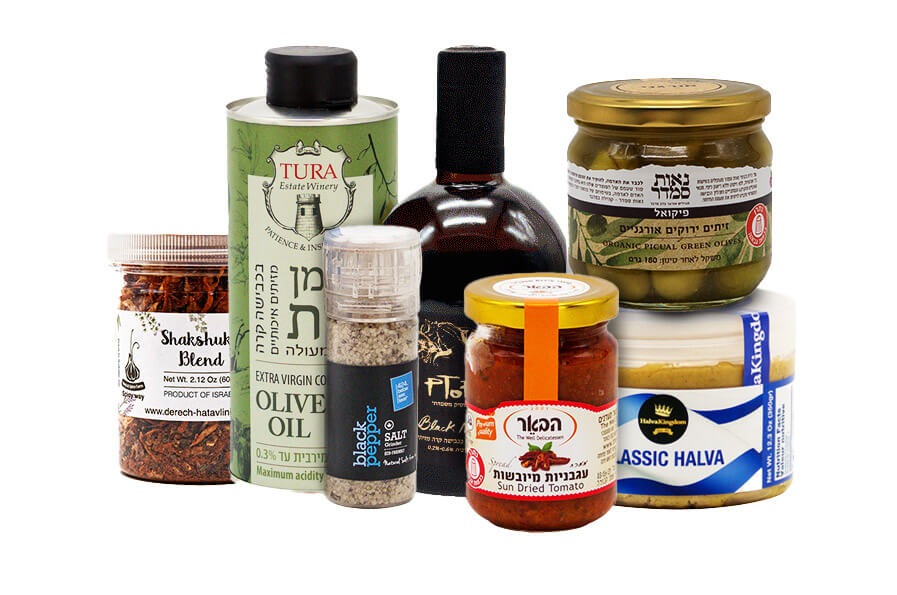
Delicious Food & Spices
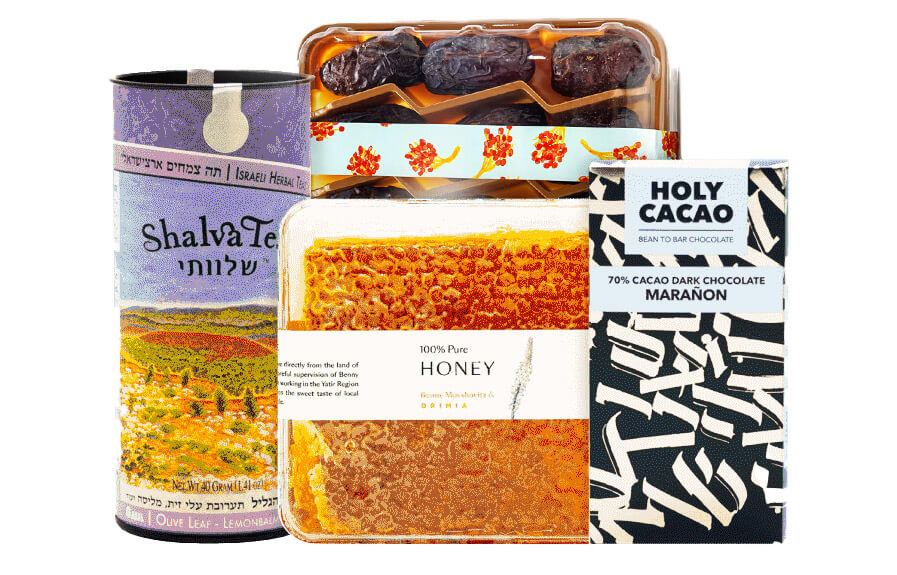
Organic Sweets, Perfect Tea & Coffee
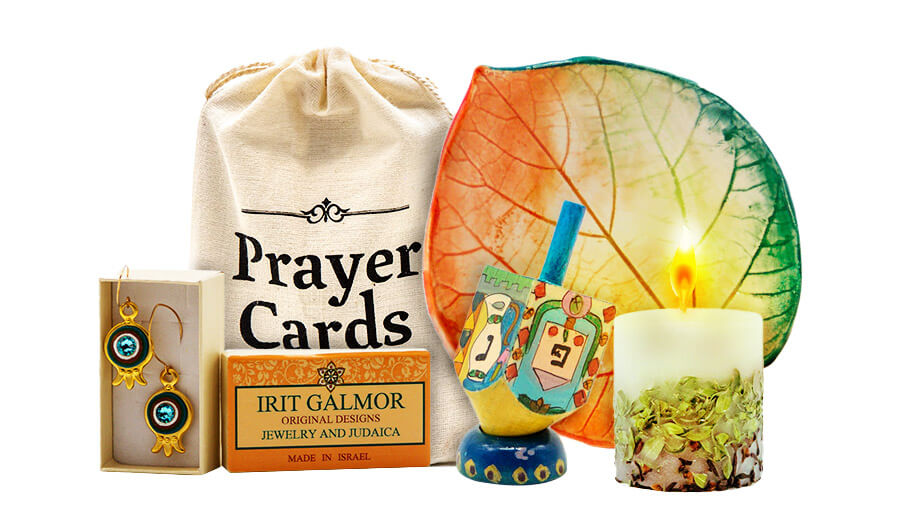
Original Jewelry & Judaica
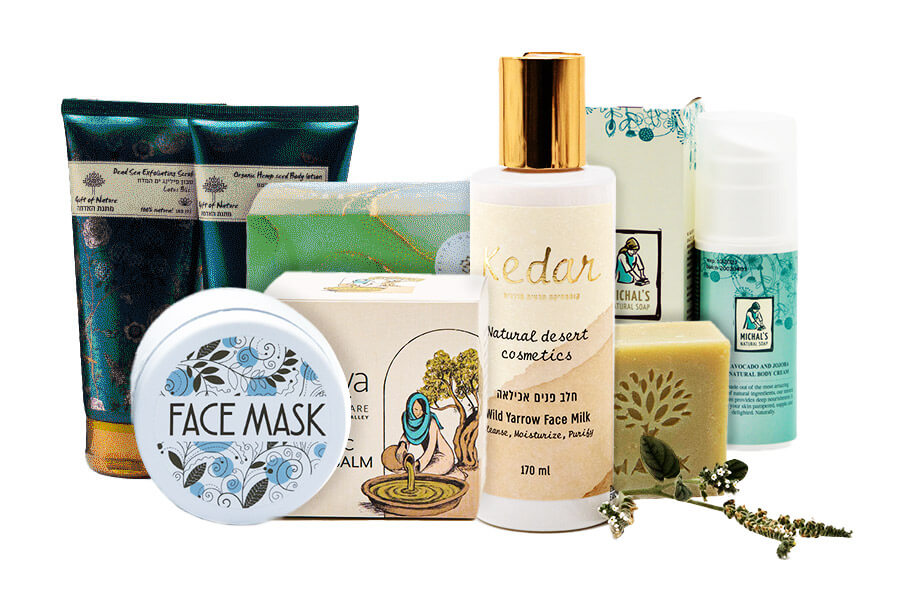
Exclusive Organic Cosmetics
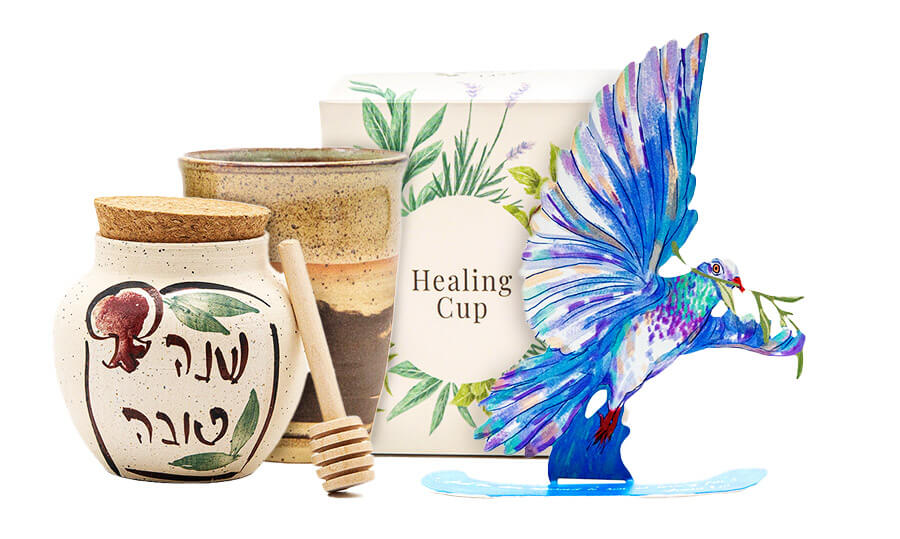
Authentic Ceramics & Housewares
Frequently Asked Questions
About McDonald's
Summary
McDonald’s participation in Israel involves local franchises, despite grassroots boycott calls. Support Israeli businesses by subscribing to Lev Haolam.