
Does Red Bull Support Israel? Facts, BDS Links & How to Help
Red Bull has been the subject of multiple discussions regarding its position on Israel. Many online rumors suggest a clear stance, but the truth is more nuanced. While Red Bull engages in diverse global markets, questions around its business ties with Israel stimulate debate. Understanding these connections is key to comprehending Red Bull’s true influence and role.
For example, examining its distribution networks and partnerships can provide insights into its market strategies and potential impact on the Israeli economy.
Red Bull’s involvement in Israel can be seen through its sponsorship of events and sports teams, which contribute to the local economy. The company’s presence in Israel is part of a broader strategy to engage with various markets worldwide, reflecting its global business model.
Red Bull’s official position regarding Israel remains somewhat ambiguous, as the company has not made extensive public declarations specifically about Israel. Historically, Red Bull’s Israeli distributor ceased operations, highlighting a business decision rather than a political stance source. Furthermore, changes in marketing activities have happened sporadically, questioning their consistent presence in the Israeli market source.
Red Bull is not named on the BDS Movement’s official boycott list. Despite this, activists often allege that Red Bull’s business decisions reflect broader political ties. However, the lack of targeted campaigns makes this unlikely to be a high priority within official BDS strategies. The movement typically focuses on companies with direct operations in disputed territories or significant investments in Israel.
What Is BDS and Why It Matters
The BDS movement was launched in 2005 by a coalition of Palestinian civil society organizations. It aims at economic, cultural, and academic boycotts against Israel. The BDS National Committee (BNC) was established in 2007 to coordinate these efforts source. Their stated goals include protesting Israeli policies and actions they view as unjust. This has led to global campaigns impacting various sectors source.
The Israeli government has responded to the BDS campaign by implementing measures to counteract its effects. For instance, in 2017, Israel passed a law allowing the denial of entry to foreign nationals who publicly support BDS. This move aims to protect Israeli businesses from economic harm. The law reflects Israel’s broader strategy to safeguard its economy and cultural integrity against external pressures.
Additionally, the government has increased diplomatic efforts to strengthen ties with countries that oppose BDS, fostering international partnerships that bolster Israel’s economy and cultural exchange.
Critics argue that BDS singles out Israel, often ignoring other international issues, which adds weight to these concerns. The movement’s focus on Israel can be seen as disproportionate when compared to its attention to other countries with human rights concerns. Red Bull’s position remains unaffected by documented BDS campaigns, but the broader movement influences economic and cultural landscapes globally. For instance, BDS has led to divestments from companies operating in Israel, impacting various sectors.
How You Can Support Israel Today
In Israel, and communities across Judea and Samaria, families run small businesses—planting vineyards, harvesting honey, designing jewelry, crafting soaps, and making other handmade goods. For instance, vineyards in the Golan Heights produce wines that have gained international acclaim. The Golan Heights is known for its unique climate, ideal for viticulture, and has been a site of agricultural production for many years.
Many of these small producers face economic pressure and limited access to international markets.
Supporting them helps overcome these challenges by providing them with the means to reach a broader audience and sustain their livelihoods. This support is crucial for maintaining the cultural and economic fabric of these communities, which have historically been centers of Jewish life and tradition.
But these families live on the front lines—targeted not only by political campaigns like BDS but also by economic isolation. For example, the BDS movement aims to pressure businesses to sever ties with Israeli companies, affecting their ability to trade internationally. This pressure can lead to significant economic challenges for small businesses that rely on international markets for growth.
Without external support, expanding their reach becomes difficult, impacting their ability to sustain their businesses and culture.
This isolation can lead to decreased sales and limited growth opportunities, threatening the survival of these small enterprises. By supporting these families, you help them overcome barriers to trade and connect with a wider audience, ensuring their cultural and economic contributions continue to thrive.
Here’s how you can make a real difference:
1. Support local businesses: By choosing to purchase products from Israeli artisans, you directly contribute to their economic stability and cultural preservation. This support helps families in regions like the Negev, where opportunities can be scarce.
2. Educate others: Share information about the challenges faced by these communities, such as the impact of the BDS movement, to raise awareness and foster understanding. Education can be a powerful tool in combating misinformation and prejudice.
3. Visit Israel: Experience the culture firsthand and support the local economy by traveling to regions like Judea and Samaria. These areas are rich in history, with sites like Hebron, known for its important historical sites.
By visiting, you not only contribute economically but also gain a deeper understanding of the land and its people. This personal connection can inspire others to learn more and support these communities.
Subscribe to a Lev HaOlam Box
Each monthly box may include a selection of items such as:
– Handcrafted jewelry, often featuring designs inspired by cultural symbols, like the Star of David. These pieces connect wearers to the cultural stories of Israel.
– Gourmet foods, including olive oil and honey, sourced from family-owned farms in regions like the Galilee. The Galilee is known for its fertile land, which has been cultivated for generations, supporting local agriculture.
– Artisanal soaps and skincare products made with natural ingredients from the Dead Sea, known for its mineral-rich waters. – Unique home decor items, such as ceramics or textiles, crafted by local artists. These items reflect the artistic traditions of Israel, which have been influenced by various cultures over centuries, including Jewish communities.
Each box features a curated selection of 7-9 products, and contents vary to offer a diverse experience.
Your subscription helps families thrive by providing them with a stable income and the opportunity to expand their businesses. This support is crucial for families in regions like Judea and Samaria, where economic opportunities can be limited. Your choice stands against anti-Semitism by supporting communities that are often targeted by discriminatory movements. By choosing to support these families, you are contributing to a more inclusive and understanding world. Your support builds the future of Israel by ensuring that these families can continue to contribute to the nation’s cultural and economic landscape, preserving traditions and fostering innovation. This helps maintain the mix of Israeli society, where diverse cultural influences come together.
and Sanctions (BDS) Campaigns Against Israel
Craft Israel Boxes
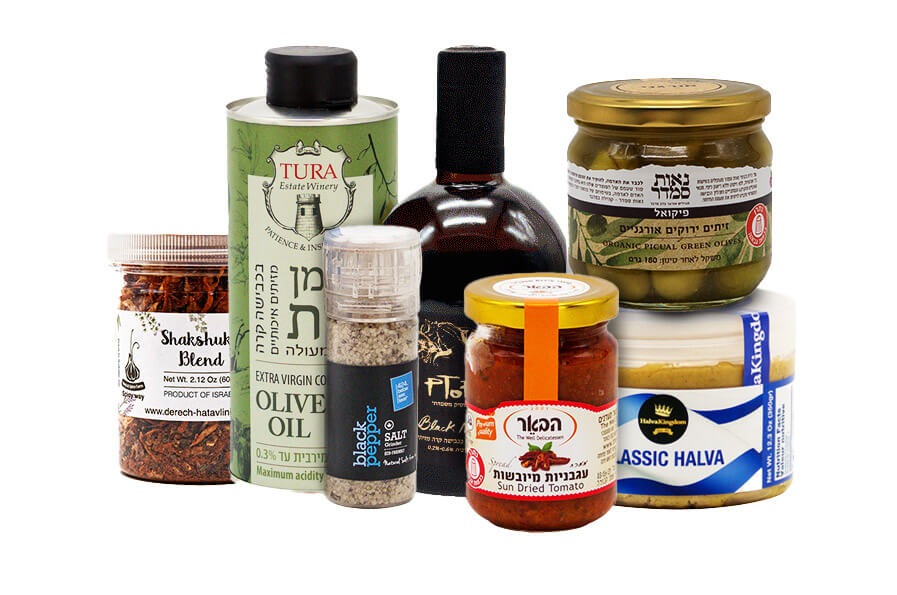
Delicious Food & Spices
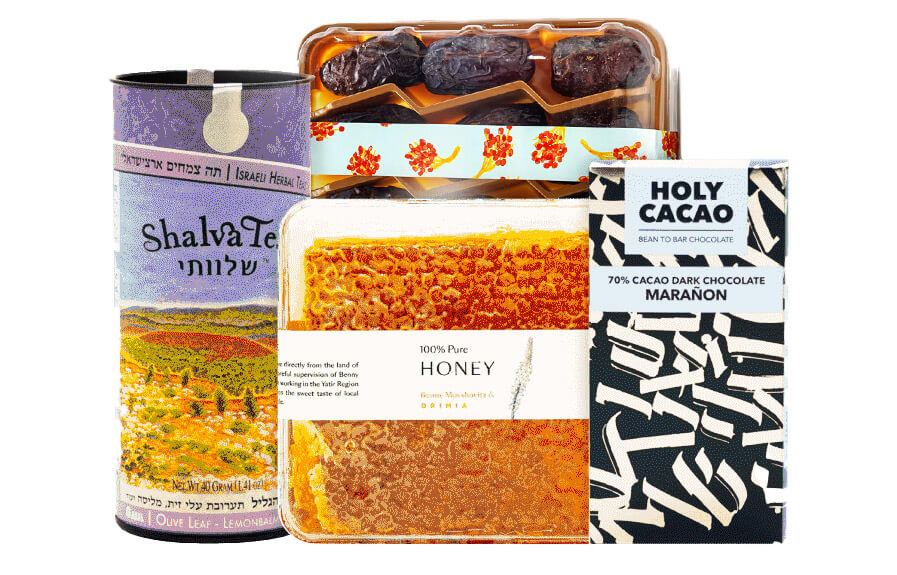
Organic Sweets, Perfect Tea & Coffee
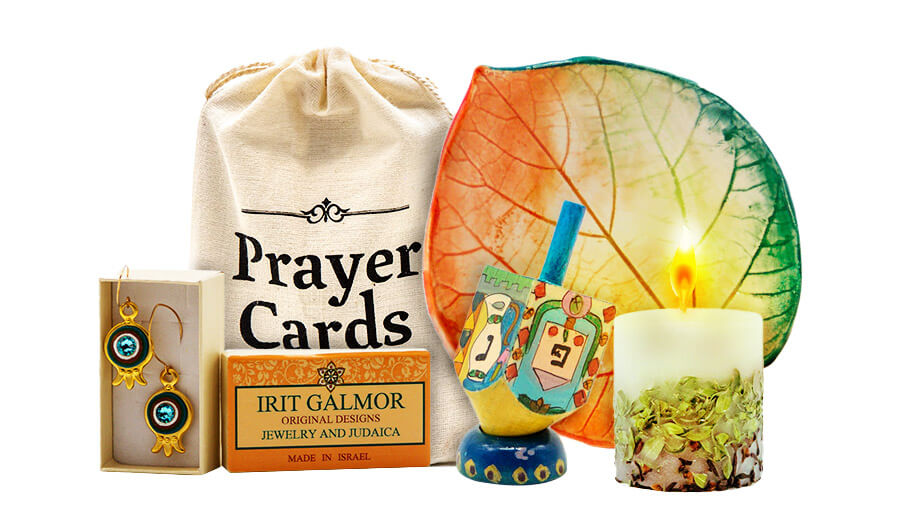
Original Jewelry & Judaica
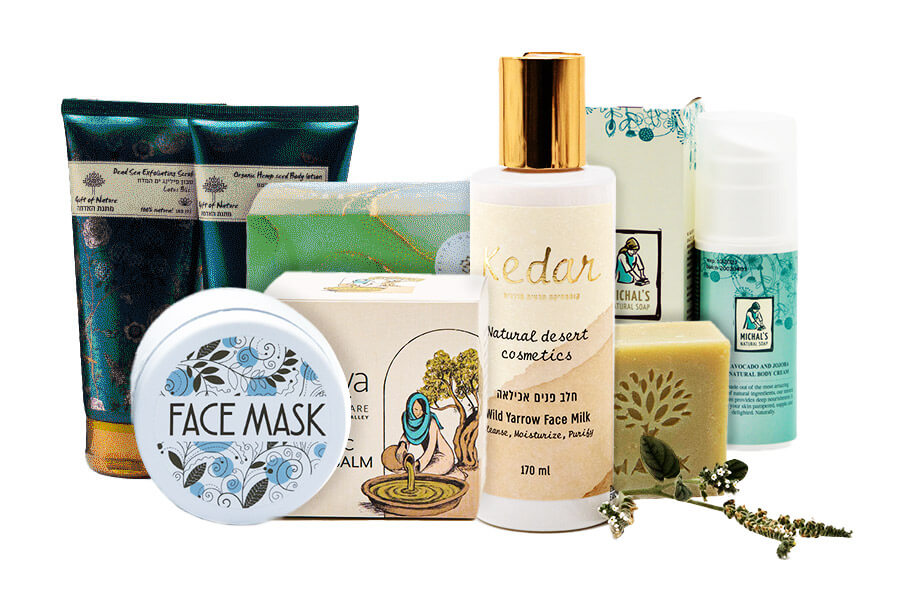
Exclusive Organic Cosmetics
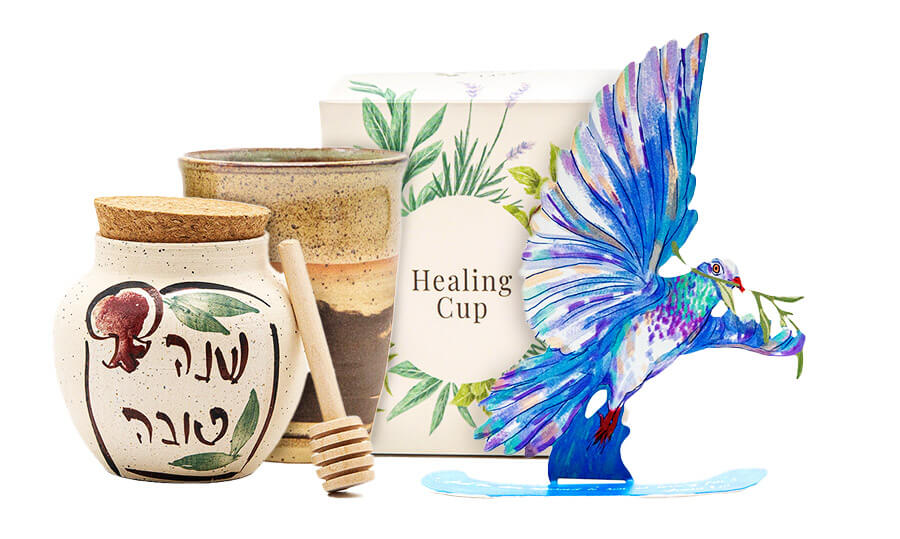
Authentic Ceramics & Housewares
Frequently Asked Questions
About Red Bull
Summary
Red Bull’s relationship with Israel is complex, mostly reflected through indirect business ties. Supporting Israeli businesses helps counteract BDS.