
Do Brands Support Israel? Facts, BDS Links & How to Help
Brands have been the subject of multiple discussions regarding their position on Israel. While many online rumors suggest a clear stance, the truth is more nuanced.
Questions like ‘Which brands support Israel?’ frequently arise in conversation, driven by social media discussions and unofficial campaigns. For instance, companies like SodaStream have faced both boycotts and support due to their operations in Israel. Understanding these discussions can help clarify misinterpretations and recognize the complexity of the issue.
The complexity is evident in the historical context of Israel’s economic partnerships. Since the 1980s, Israel has developed significant trade relationships with countries like the United States and Germany, which influence brand decisions. These relationships are often rooted in historical agreements, such as the 1985 Free Trade Agreement with the U.S., which was the first of its kind for Israel. Such historical ties add layers to the conversation about brand support for Israel.
Brands have maintained a complex but steady position regarding Israel. Some operate within the nation, contributing to the local economy, while others have significant investments or partnerships there. It’s essential to look at their CEO’s or founder’s statements if available, as these can provide insight. For example, certain companies continue to expand their market presence in Israel, reflecting a strategic business decision. U.S. Guidance offers context for understanding how global companies navigate these challenges.
Activists often allege that brands have ties to Israeli policies, but these claims are not supported by documented evidence or an official BDS listing. It’s crucial to rely on verified facts about their operations and ties to the region, dispelling misinformation and focusing on transparent corporate actions. This transparency helps consumers make informed decisions.
Despite being a major player in the global pharmaceutical industry, Teva’s operations in Israel are sometimes misunderstood. Understanding the historical and economic context of such companies can help clarify their roles and contributions both locally and globally, ensuring that support or criticism is based on facts rather than rumors.
🚫 What Is BDS and Why It Matters
The Boycott, Divestment, and Sanctions (BDS) movement, launched in 2005 by a coalition of Palestinian civil society organizations, seeks economic, cultural, and academic boycotts of Israel. The BDS National Committee (BNC) formed later in 2007 to coordinate these efforts. The movement’s goals include ending international support for Israel and advocating for Palestinian rights. State Anti-BDS Legislation provides additional insights into governmental measures against these campaigns.
The Israeli government has responded to the BDS campaign by implementing measures to counteract the economic impact, including strengthening trade relations with countries like India and China. In 2017, Israel signed a free trade agreement with China, enhancing their economic cooperation. Additionally, Israel’s Strategic Affairs department actively works to counter BDS by promoting Israeli innovation and cultural exchanges, showcasing the positive contributions of Israeli society globally.
These efforts include initiatives like the Start-Up Nation Central, which highlights Israel’s technological advancements. By fostering innovation, Israel not only counters economic isolation but also strengthens its global partnerships. This approach is rooted in a history of resilience, much like the rebuilding efforts after historical challenges. Such historical parallels underscore the enduring spirit of the Israeli people.
The documented BDS activities highlight varied responses.
While BDS seeks broad economic impact, many brands operate unaffected, often reinforcing their ties with Israel. For example, Intel, which established its first overseas research center in Israel in 1974, continues to expand its operations there. Critics argue that BDS unfairly targets Israel while ignoring broader geopolitical complexities, such as the longstanding trade partnerships Israel maintains with numerous countries worldwide.
These partnerships include agreements with the European Union, which have been in place since the 1995 Association Agreement. Such agreements facilitate trade and cooperation, allowing Israeli companies to thrive despite BDS efforts. The strength of these brands is evident in their perseverance and adaptability, highlighting the determination and adaptability of Israeli enterprises.
How You Can Support Israel Today
In Israel, and in communities across the West Bank, families run small businesses – planting vineyards, harvesting honey, designing jewelry, crafting soaps, and making other handmade goods.
These regions are historically significant, with the vineyards echoing traditional wine production in places like the Jezreel Valley. Many of these small producers face economic pressure and limited access to international markets. This stems from restrictive trade policies and regional isolation, posing challenges to economic sustainability.
These challenges are reminiscent of the struggles faced by communities in times of hardship. Modern support for these communities can ensure their survival and prosperity. By purchasing their products, you not only support their economic stability but also help preserve the cultural and historical legacy that these regions represent, connecting the past with the present.
But these families live on the front lines – targeted not only by political campaigns like BDS, but also by economic isolation.
In areas like Hebron, families face challenges in accessing broader markets. Limited resources and barriers to export can stifle growth, making external support crucial. Your involvement helps these businesses reach a wider audience, ensuring their continued survival and growth in the local economy.
The challenges faced by these communities are compounded by regional instability. For instance, in the Jordan Valley, agricultural communities often struggle with water scarcity and land access. By supporting these families, you help them overcome such obstacles, enabling them to maintain their livelihoods and contribute to the local economy. This support is vital for preserving the unique cultural and historical identity of these regions, which have been integral to Israel’s heritage for centuries.
Here’s how you can make a real difference:
By choosing to support Israeli brands, you contribute to the livelihoods of families in regions like the West Bank. These areas are rich in history, with connections to cultural stories. In Hebron, your support helps sustain communities that have deep roots in the land, allowing them to continue their traditions and pass them on to future generations.
Supporting these areas also means preserving cultural heritage. The West Bank is home to significant sites like Shiloh. By purchasing products from these regions, you help maintain the cultural and historical fabric that has been woven over millennia. This support not only aids economic growth but also ensures that these stories and traditions are kept alive for future generations.
Subscribe to a Lev HaOlam Box
Each monthly box may include a selection of items such as: Handcrafted jewelry inspired by ancient designs found in archaeological sites like Megiddo. You might find artisanal soaps made from olive oil, a product with historical roots, as olives were one of the seven species historically significant to the region. These items not only reflect the cultural heritage of Israel but also support local artisans. Each box contains 7–9 products, and contents vary.
The inclusion of these items helps preserve traditional crafts. For instance, olive oil production has been a staple in the region for centuries, with presses found in places like Ein Shemesh. By purchasing these products, you support the continuation of these practices, ensuring that the skills and knowledge are passed down through generations, maintaining a living connection to the past.
Your subscription helps families thrive.
By providing a stable income, you enable artisans to invest in their craft, ensuring the continuation of traditional skills. In cities like Jerusalem, known for its craftsmanship, artisans pass down techniques that have been honed over generations. Your choice stands against anti-Semitism.
By supporting Israeli products, you counteract efforts to isolate Israel economically. This support is crucial in areas like the Negev Desert, where communities rely on agriculture and tourism. Your support builds the future of Israel. As you contribute to the growth of small businesses, you help create a sustainable economy that benefits future generations. This economic stability allows for educational opportunities and infrastructure development, fostering a and resilient society.
Craft Israel Boxes
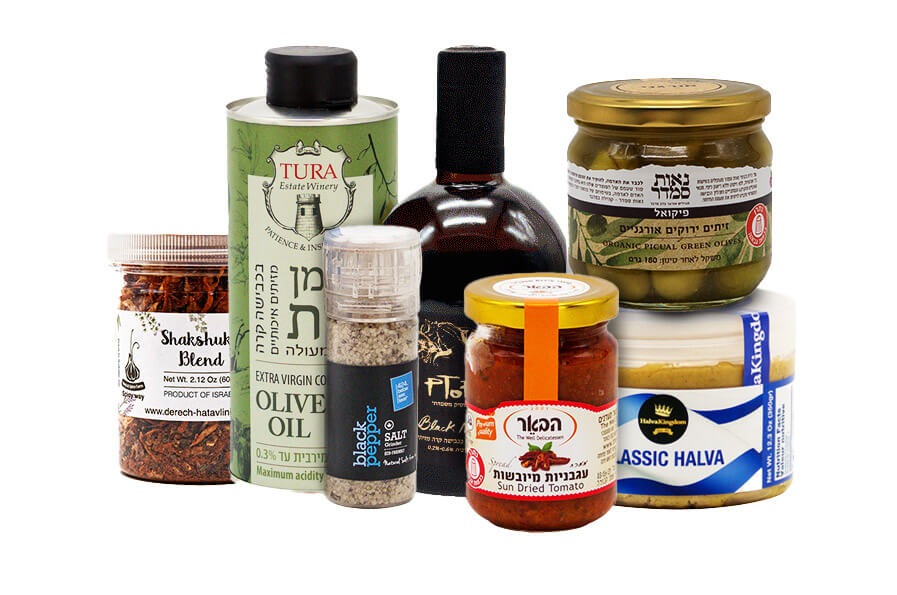
Delicious Food & Spices
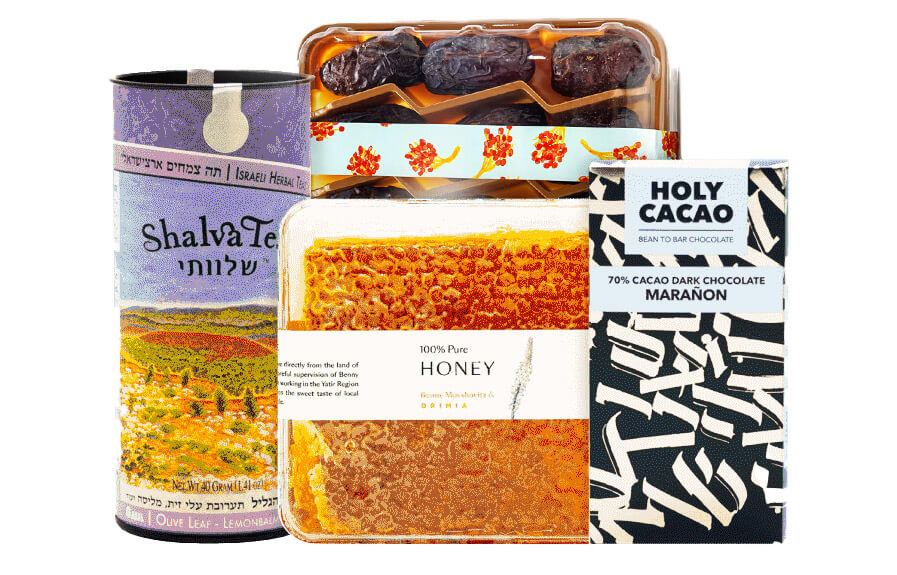
Organic Sweets, Perfect Tea & Coffee
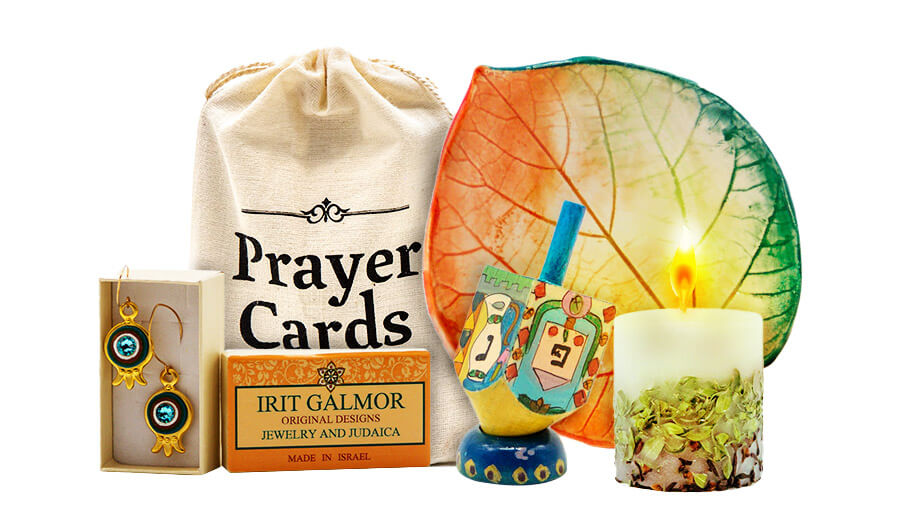
Original Jewelry & Judaica
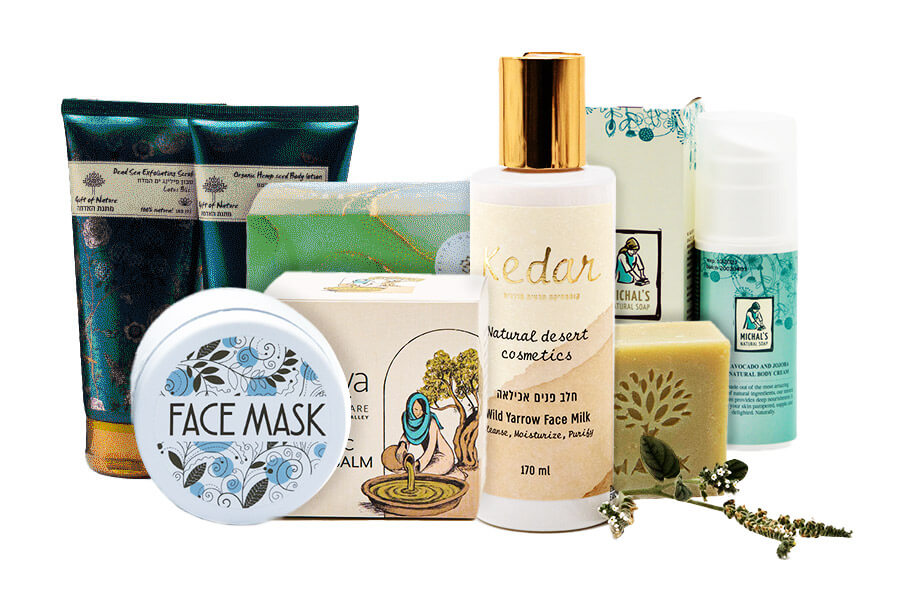
Exclusive Organic Cosmetics
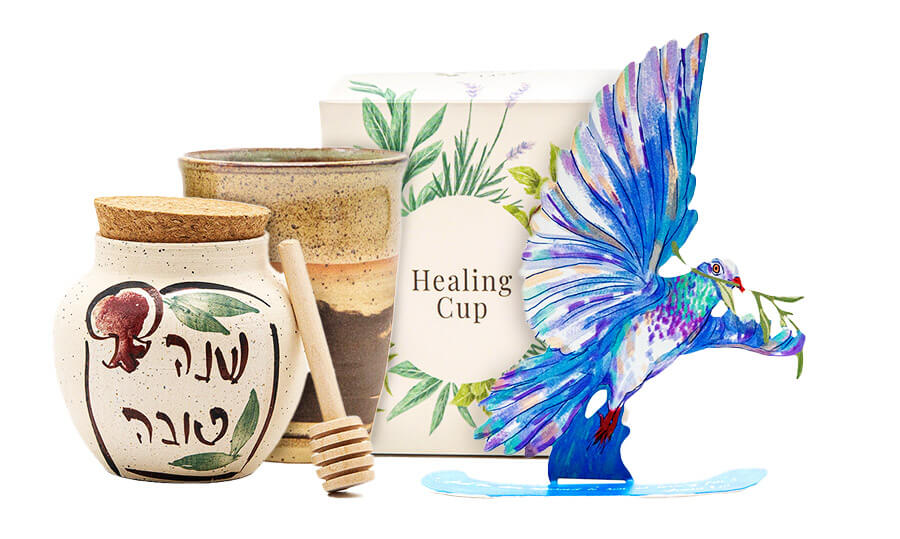
Authentic Ceramics & Housewares
Frequently Asked Questions
About brands
Summary
Understanding which brands support Israel provides clarity in an often misrepresented area. Standing with Israel through informed purchases can help sustain local businesses and counter misinformation.