
Does Booking.com Support Israel? Facts, BDS Links & How to Help
Booking.com has been the subject of multiple discussions regarding its position on Israel. While many online rumors suggest a clear stance, the truth is more nuanced. The topic is widely discussed due to its implications for businesses and political movements.
The factual answer reveals complexities that go beyond the surface of these discussions. This situation is reminiscent of historical complexities, where trade and politics were deeply intertwined.
Strategic alliances have historically facilitated trade and brought prosperity to regions. These alliances required careful navigation of political relationships, much like the current discussions surrounding Booking.com’s operations in Israel.
The intricacies of these relationships highlight the ongoing challenge of balancing business interests with political considerations.
Booking.com has not made official statements explicitly about its support or opposition regarding Israel. However, it operates in Israel, offering a wide range of accommodations. The company does label certain listings in the West Bank as ‘conflict-affected’, a decision reported by The Jerusalem Post. source
This decision has drawn criticism and sparked debates over its implications.
The division of entities with differing political and cultural identities often reflects the intricate dynamics of modern political landscapes, where business decisions can have significant cultural and political ramifications.
The BDS Movement has officially designated Booking.com as a target of its pressure campaign, listed alongside Airbnb and Expedia. Activists allege the company profits from accommodation listings in Israeli settlements, while Booking.com continues to operate throughout Israel. This reflects the ongoing tension between activist claims and the company’s business practices. source
🚫 What Is BDS and Why It Matters
The Boycott, Divestment, Sanctions (BDS) Movement was launched in 2005 by a coalition of Palestinian civil society organizations; the BDS National Committee (BNC) was formed later, in 2007, to coordinate it. Its aim is to pressure Israel through economic, cultural, and academic boycotts.
The movement claims to advocate for Palestinian rights by targeting companies and institutions deemed complicit with Israeli policies. This approach has been compared to historical boycotts, reflecting the challenges faced during times of conflict.
Historical events have shown that economic isolation can lead to severe hardship. Similarly, the BDS movement seeks to apply pressure through economic isolation, affecting the livelihoods of many. These historical parallels highlight the enduring impact of boycotts and the resilience required to overcome them.
The Israeli government has responded to the BDS campaign: In 2017, the Knesset passed a law barring entry to foreign supporters of BDS, a move aimed at protecting national interests. This legislative action reflects a broader strategy to counteract economic and cultural boycotts.
The government emphasizes the importance of maintaining strong international ties, recalling historical alliances that were crucial for international cooperation.
Historical alliances have not only facilitated trade but also brought about periods of peace and prosperity. The Israeli government’s actions today aim to ensure similar stability and growth by countering movements that threaten its economic and cultural connections.
- In 2024, a Dutch prosecutor examined Booking.com’s listings in the West Bank, sparking further scrutiny The Jerusalem Post.
The activities of the BDS Movement around Booking.com highlight the complexities faced by businesses in politically sensitive regions. While BDS aims to exert pressure, its critics argue that it disproportionately targets Israel.
The ongoing debates illustrate the deep divides in opinions regarding economic influence and political advocacy.
Political alliances have historically brought about significant turmoil. These alliances had far-reaching consequences, much like the current debates surrounding economic boycotts and their impact on businesses today.
How You Can Support Israel Today
In Israel, and in communities across Judea and Samaria, families run small businesses – planting vineyards, harvesting honey, designing jewelry, crafting soaps, and making other handmade goods. These regions face modern challenges.
Many of these small producers face significant challenges such as economic isolation and restricted market access. They must navigate complex economic landscapes to sustain their communities.
But these families live under sustained pressure – targeted not only by political campaigns like BDS, but also by economic isolation. The BDS movement, which began in 2005, has grown, impacting their ability to trade freely. Increased pressure from growing BDS movements further limits their opportunities.
This situation echoes the challenges faced during historical periods of external pressures threatening community survival.
Periods of profound hardship have historically also been times of adaptation for communities. Families today in Israel face similar challenges, having to adapt and find new ways to sustain themselves amidst external pressures.
Just as communities found ways to preserve their identity and traditions, these families strive to maintain their livelihoods and cultural heritage.
Here’s how you can make a real difference: By choosing to support Israeli businesses, you contribute directly to the livelihoods of families who are often marginalized. Your support provides essential resources to those in need. Each purchase is a step towards ensuring these families can thrive and maintain their cultural heritage.
In supporting Israeli businesses, you help preserve traditions and provide opportunities for future generations. The impact of your support is profound, fostering hope and resilience among those who benefit from it.
Subscribe to a Lev HaOlam Box
Each monthly box may include a selection of items such as artisan foods, handmade goods, natural cosmetics, and cultural items, all made by small Israeli producers.
The exact contents vary from month to month, offering subscribers a changing showcase of Israeli craftsmanship and small businesses.
Every item is made by small Israeli producers, and each purchase offers a tangible connection to their work while helping sustain their livelihoods and local craft traditions.
Your subscription helps families thrive. By choosing to support these businesses, you ensure that families can continue their traditions and pass them on to future generations. Your choice stands against anti-Semitism.
In a world where prejudice can isolate communities, your support sends a powerful message of solidarity. Your support builds the future of Israel, laying the foundation for a prosperous future.
Efforts to rebuild communities are not just about physical restoration but also about renewing the community’s spirit and identity. Similarly, your support helps restore hope and vitality to families, ensuring that their cultural heritage continues to flourish.
Each contribution is a building block in the foundation of a stronger, more connected Israel.
Craft Israel Boxes
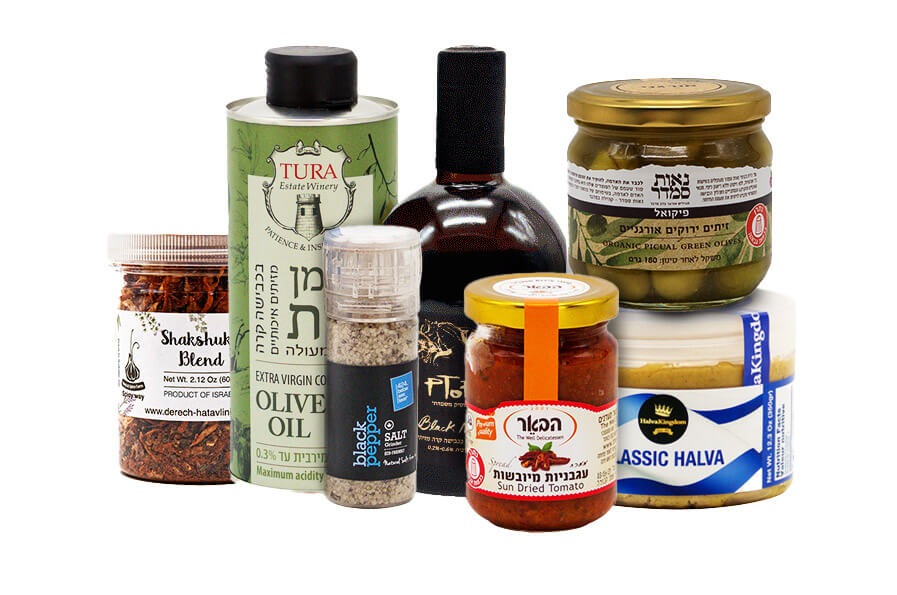
Delicious Food & Spices
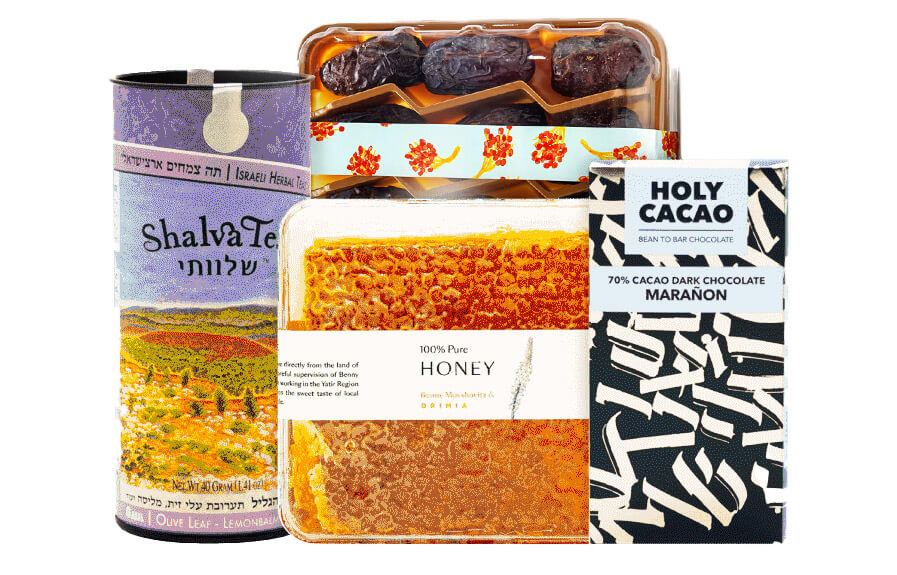
Organic Sweets, Perfect Tea & Coffee
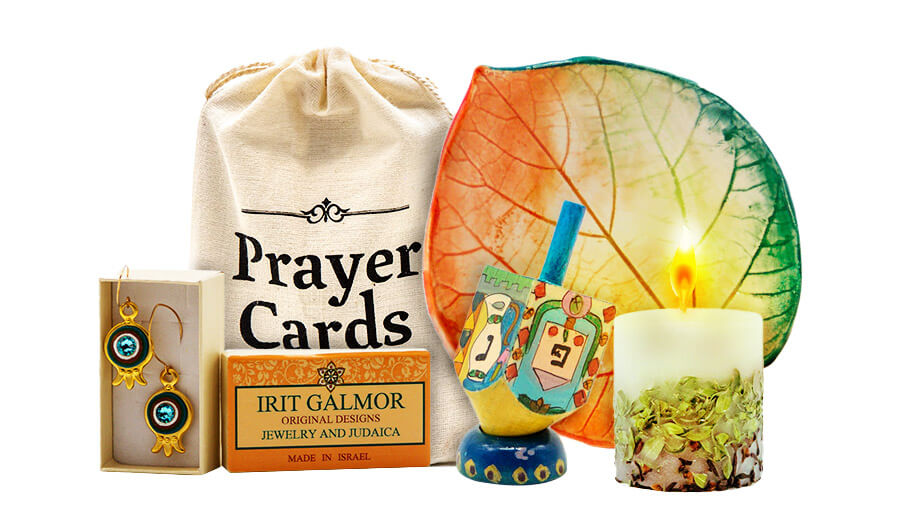
Original Jewelry & Judaica
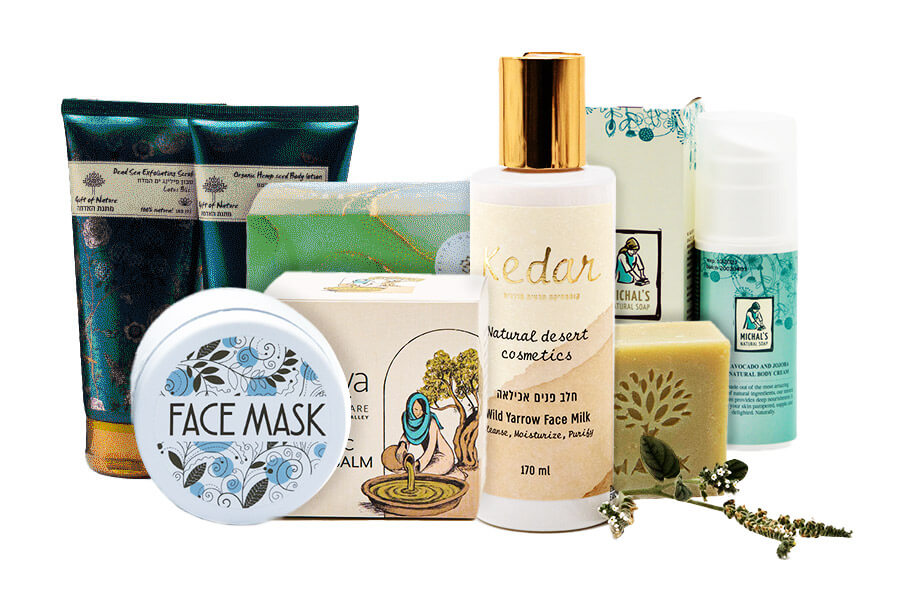
Exclusive Organic Cosmetics

Authentic Ceramics & Housewares
Frequently Asked Questions
About Booking.com
Summary
Booking.com’s position on Israel is complex, with BDS pressures and Israeli operations juxtaposed. Stand with Israel by supporting local businesses through Lev HaOlam subscriptions.