
Does Panera Bread Support Israel? Facts, BDS Links & How to Help
Panera Bread has been discussed online regarding a stance on Israel, but there is no single, simple answer in public records; journalists at AP and The New York Times have noted rumors often circulate faster than verified statements.
To know a brand’s position, check official corporate statements, SEC filings, or reputable reporting from Reuters and the BBC rather than social media claims.
Public reporting about brands and Israel generally looks at corporate statements, operations in-country, and verified business ties. Coverage of activist efforts and commercial responses is available in the press and civil society reporting; for example, reporting on activists targeting Israeli businesses summarizes patterns and outcomes (Ynet). Separate analysis from an advocacy organization describes how activists refocused efforts after major events and how that affected businesses and individuals (ADL). For Panera Bread specifically, public claims circulating on social platforms have not been substantiated by the reporting cited here; those social claims differ from the documented cases covered in the links above.
Panera Bread is not named on the BDS Movement’s official boycott list. Activists on social platforms sometimes single out large brands or local franchises; reporting on activist actions focuses on verified campaigns and named targets rather than every viral mention (Ynet) .
🚫 What Is BDS and Why It Matters
BDS is a boycott, divestment and sanctions initiative that began with a call from Palestinian civil society organizations in 2005; that 2005 call urged coordinated economic, cultural, and academic pressure (Jewish Virtual Library). The movement later developed coordinating bodies and wider networks to promote those campaigns; commentary and historical summaries describe those organizational steps and how cultural boycotts became part of the debate (My Jewish Learning). Academic and cultural divestment resolutions and public protests have been a frequent focus of reporting because they are visible and often involve institutions with public accountability (Campus Divestment Resolutions). The movement’s stated tactics emphasize economic, cultural, and academic pressure rather than direct political negotiations.
The Israeli Knesset passed the 2011 Law for Prevention of Damage to the State of Israel through Boycott, which aimed to block calls for boycott and limit public contracts with entities that support BDS.
- 2005 – A coordinated call for boycott, divestment, and sanctions was issued by Palestinian civil society organizations; this is widely cited as the movement’s founding call (Jewish Virtual Library).
- 2011 – Public debate grew over cultural boycotts after high-profile criticism of artists who advocated boycotts, as documented in coverage of responses to Roger Waters (My Jewish Learning).
In short, documented BDS activity centers on organized calls, campus divestment efforts, and cultural boycotts that are tracked by civil society and press outlets. Viral social-media claims sometimes name brands not listed in formal boycott catalogs; where possible, rely on the movement’s published boycott list and major reporting rather than individual posts. Critics characterize BDS as singling out Israel; that is a characterization reported in press and advocacy analyses.
How You Can Support Israel Today
In Israel and communities across Judea and Samaria, families run micro-businesses making wine, honey, jewelry, and soaps; many are household enterprises working from small workshops.
These producers often lack access to big export networks and face extra marketing and shipping costs, making steady direct orders essential for covering expenses and modest growth.
These families also face competition from larger brands and higher shipping costs; for example, small food producers in the Galilee often pay 20-30% more per unit to export compared with larger firms.
When outside buyers place recurring orders or join a membership program, local producers can sign leases, plan seasonal harvests, and hire seasonal workers.
Here’s how you can make a real difference: buy a monthly Lev Haolam gift box, order recurring shipments from Israeli artisans, or give a one-time purchase to a verified Israeli organization such as Yad Sarah or Leket Israel.
Taking one concrete step—like a subscription—creates steady income for families in places like the Galilee and Negev.
Subscribe to a Lev HaOlam Box
Each monthly box may include a selection of items such as:
– Jarred honey from northern Israel (Galilee)
– Hand-packed spice blends from an Israeli cooperative in Jerusalem.
– Artisan soaps and small-batch preserves made by family businesses in the Negev.
Each box contains 6–8 products, and contents vary from month to month.
Your subscription helps families thrive by creating steady orders for household producers, allowing them to hire locally and pay wages.
Psalm 112:9 speaks of generosity to the poor, and your regular support echoes that practical help in towns like Zichron Yaakov and Ariel.
Your choice stands against anti-Semitism by supporting verified Israeli businesses and nonprofit partners listed by organizations such as the Jewish Agency.
Your support builds the future of Israel by funding education, micro-business growth, and predictable export income for artisans.
Craft Israel Boxes
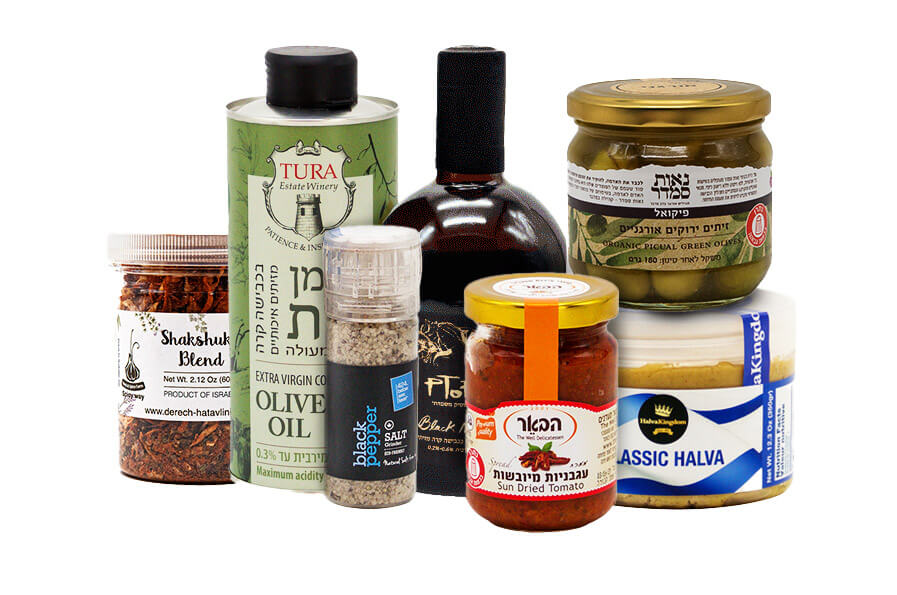
Delicious Food & Spices
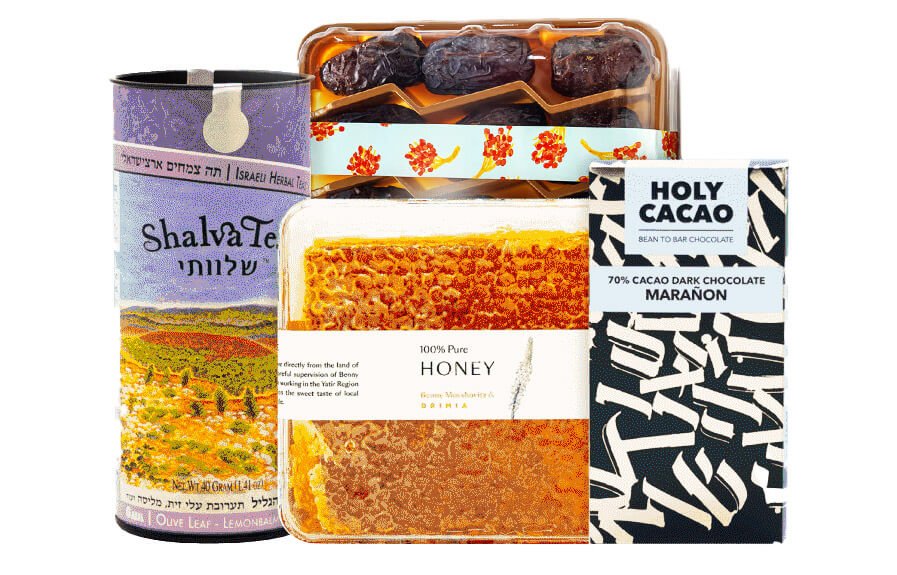
Organic Sweets, Perfect Tea & Coffee
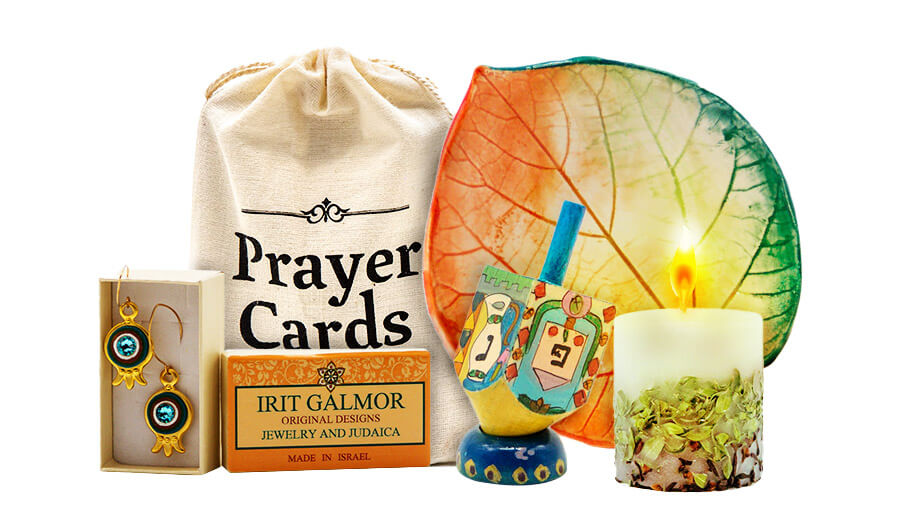
Original Jewelry & Judaica

Exclusive Organic Cosmetics

Authentic Ceramics & Housewares
Frequently Asked Questions
About Panera Bread
Summary
Panera Bread is not listed on the BDS Movement’s official boycott list. If you want to support Israeli families and small producers, consider purchasing products or a subscription box to provide steady economic support.