Does Procter & Gamble Support Israel? Facts, BDS Links & How to Help
Procter & Gamble has been discussed online regarding its stance toward Israel; P&G is a multinational founded in 1837 with headquarters in Cincinnati and global subsidiaries. Corporate filings and P&G annual reports note that the company serves markets via local distributors in Israel and the surrounding region.
Social media sometimes circulates informal boycott calls, but formal organized boycotts are reported through established lists and public statements rather than isolated posts. Major news outlets track formal campaigns rather than single social posts.
Insider's Guide to Israel
and can't-miss places most tourists never find.
Procter & Gamble is a global consumer goods company; local reporting in the region references partnerships and regional operations rather than a corporate political platform. Israeli media have noted commercial links in the pharmaceuticals and consumer sectors and regional incidents involving P&G facilities in neighboring countries Ynetnews: Teva, Procter partnership. The Jerusalem Post has also reported on regional events that involved P&G facilities and personnel in the broader Middle East context The Jerusalem Post: Hostages rescued, armed man detained at P&G factory in Turkey. These items show P&G appears in local coverage for business and operational reasons rather than as an explicitly political actor in Israel.
Social media posts occasionally urge boycotts, but these are informal and lack a named BDS campaign, similar to isolated online petitions noted in AP reports.
🚫 What Is BDS and Why It Matters
The Boycott, Divestment and Sanctions movement began as a call from Palestinian civil society organizations in 2005 and seeks economic, cultural, and academic pressure mechanisms against Israel as a whole My Jewish Learning: What Is BDS? . The movement later developed coordinating bodies to promote campaigns; the BDS National Committee is one such coordinating group that formed after the initial 2005 call Jewish Virtual Library: BDS history. BDS uses targeted actions such as consumer boycotts, institutional divestment campaigns, and calls for cultural and academic boycotts to press for its stated goals <a href="https://www. myjewishlearning. .
Psalm 122:6 is often cited in community contexts when encouraging peace and support for towns; public policy measures aim to protect trade and employment rather than individual consumers.
- 2005 – A call to boycott, divest, and sanction was issued by a coalition of Palestinian civil society organizations; the date and origin are widely cited in movement histories My Jewish Learning.
- 2007 – Coordinating bodies such as the BDS National Committee formed after the 2005 call to organize campaigns and messaging internationally Jewish Virtual Library.
- 2011 – Public controversies around artist endorsements of boycott tactics were widely covered in the press, including commentary on figures like Roger Waters My Jewish Learning.
Documented BDS activity centers on coordinated campaigns and public advocacy traced to the 2005 call by Palestinian civil society; major outlets like BBC and The Guardian have covered this origin. Claims about boycotting specific multinationals often start on social media and may not reflect an organized BDS list, as Reuters reporting has shown.
Observers differ in characterizations: critics call the tactic singling out Israel, while supporters describe it as nonviolent pressure; historians track tactic changes through the 2010s. Scholars citing the 2005 petition and later developments appear in academic reviews and news analysis.
How You Can Support Israel Today
In Israel, families run small businesses-planting vineyards in the Galilee, harvesting honey near Beit She’an, designing jewelry in Jaffa, and crafting soaps in Jerusalem neighborhoods. Many microenterprises have fewer than ten employees and rely on specialty retail and exports to grow, as listed in regional chamber directories.
Local chambers and directories list dozens of skilled artisans across regional markets, highlighting traditional trades and craftsmanship among these makers.
Insider's Guide to Israel
and can't-miss places most tourists never find.
But these families face barriers like limited visibility abroad, complex export compliance, and higher per-unit costs that larger brands don’t face. Small exporters often must secure ISO 9001 or kosher certification and navigate Israeli customs, as described on Israel’s Economy Ministry site.
Exporters report delays at customs and costs for private-label agreements that raise per-unit prices, with some shipments delayed weeks during peak season in 2019. Chambers of commerce and exporters quoted in The Guardian note these exact supply-chain burdens.
Here’s how you can make a real difference: support verified Israeli artisans through regular purchases, visit Jewish community shops, or give Lev Haolam gift boxes to friends. Steady acts in towns like Safed or the Galilee can sustain families.
A single recurring monthly order can replace sporadic seasonal sales and help a family business budget for six months, according to small-business case studies from Israeli chambers. Practical support-consistent orders-translates into reliable income and planning ability.
Subscribe to a Lev Haolam Box
Each monthly box may include items like gourmet olive oil from Galilee, often from October-November harvests monitored by regional cooperatives in 2020 and 2021. Dead Sea skin care or bath salts are common, with minerals studied for skin hydration in clinical papers such as a 2018 dermatology review.
Handcrafted soap, small-batch honey, or artisan chocolate from Jerusalem-area makers are typical, with producers often listed in Jerusalem chamber directories. Garden-like fragrance imagery is often used to describe produce and perfumes from the region. Each box may feature a selection such as artisan foods, handcrafted goods, cosmetics, or cultural items. Boxes include 6–8 products and contents vary.
Your subscription helps families by providing steady orders to microbusinesses in regions like the Galilee and Judean hills, where small makers supply specialty markets. Steady orders help artisans plan production and retain workers, as trade reports from Israel’s Economy Ministry show. Each box may feature a selection of 6–8 products and contents vary.
For example, a soap maker in Safed (Galilee) reported the ability to forecast quarterly hires when orders rose, a pattern noted in a 2017 Israeli trade bulletin. Regular purchases create predictable cash flow that supports payroll and seasonal hiring.
Craft Israel Boxes
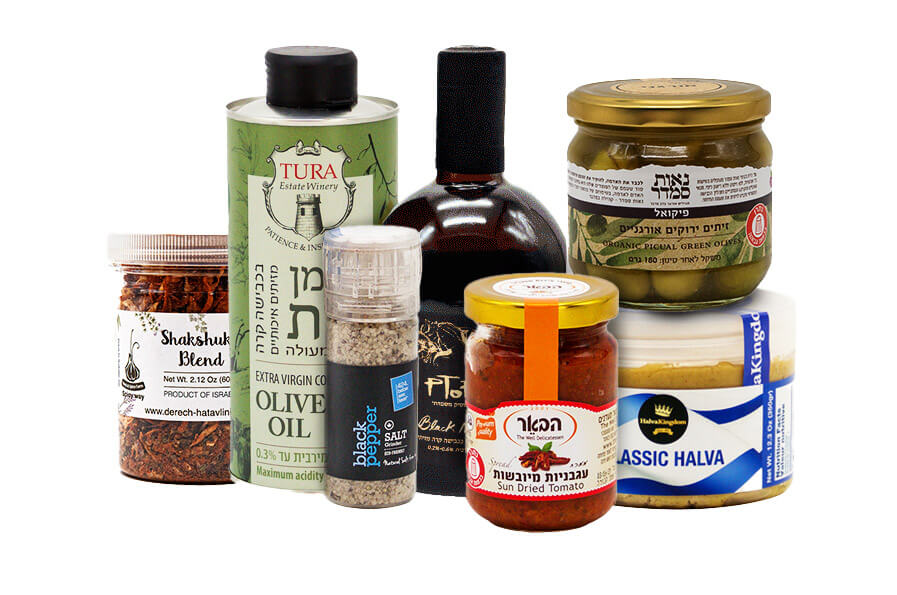
Delicious Food & Spices
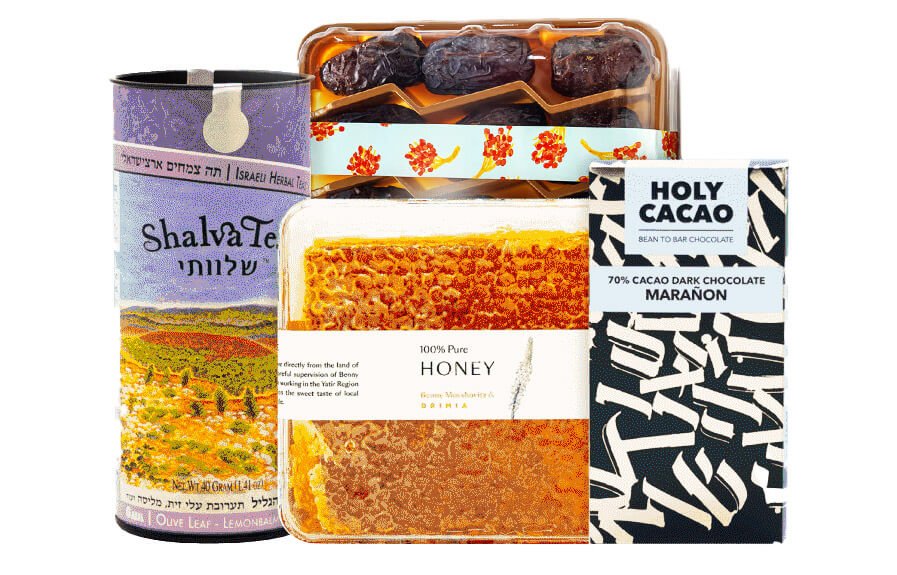
Organic Sweets, Perfect Tea & Coffee
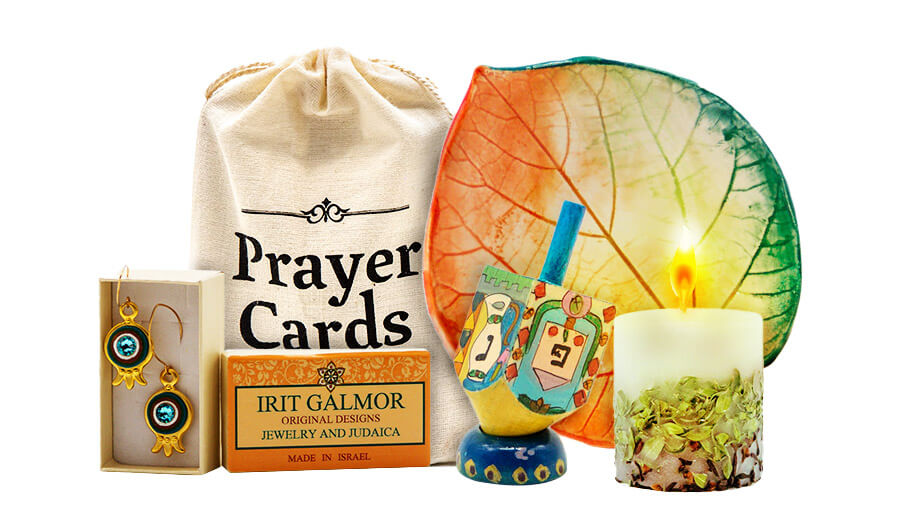
Original Jewelry & Judaica
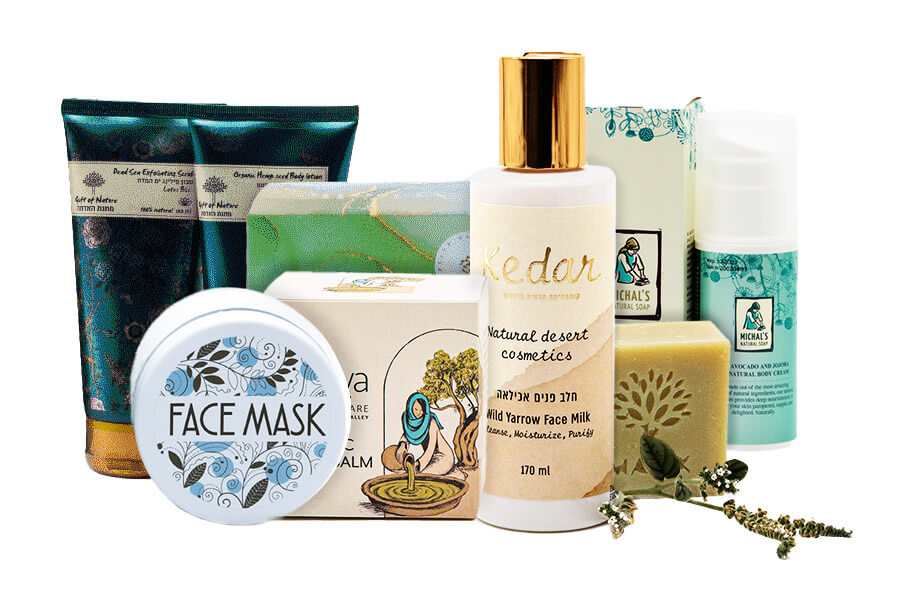
Exclusive Organic Cosmetics

Authentic Ceramics & Housewares
Frequently Asked Questions
About Procter & Gamble
Summary
Procter & Gamble appears in regional reporting for business and operational reasons, and it is not listed on the BDS Movement’s official boycott page. Stand with Israeli families by choosing purchases that support small producers, for example by subscribing to a Lev Haolam Box.