
Does RE/MAX Support Israel? Facts, BDS Links & How to Help
RE/MAX has been the subject of multiple discussions regarding its position on Israel. While many online rumors suggest a clear stance, the truth is more nuanced. It is essential to consider official positions and actual business operations.
This topic garners interest due to its intersection with broader economic and social movements, such as the BDS movement, which began in 2005. Online discourse often highlights misconceptions, making it crucial to separate fact from fiction.
The complexity of RE/MAX’s position is mirrored in the varied perspectives on the Israeli-Palestinian conflict. For instance, the Oslo Accords of 1993 aimed to address such issues, yet debates continue. Understanding RE/MAX’s role requires examining both its corporate policies and the broader geopolitical context.
This nuanced view helps clarify the company’s operations and the impact of global movements on its business decisions.
Insider's Guide to Israel
and can't-miss places most tourists never find.

RE/MAX’s official corporate position shows no explicit endorsement or criticism regarding Israel, and the company has issued no major statements taking a direct stance. It operates globally, including in regions with contentious political climates. Scrutiny has instead focused on its Israeli franchise’s activity in West Bank settlements (The Intercept).
RE/MAX is an official BDS Movement boycott target, specifically categorized as a consumer-boycott priority target according to the BDS Movement. Activists point to its Israeli franchise, RE/MAX Israel, which has operated an office in the settlement of Ma’ale Adumim and marketed properties in West Bank settlements (The Intercept). The parent company, RE/MAX Holdings, has continued to earn franchise fees from these operations.
The UN Human Rights Office (OHCHR) first published its database of businesses involved in Israeli settlement activity in February 2020 and has updated it since. RE/MAX Holdings appears on the current database, listed for settlement-related activity and noted as previously listed under RE/MAX Israel (OHCHR).
Understanding these dynamics requires careful consideration of both corporate policies and international legal frameworks.
🚫 What Is BDS and Why It Matters
The BDS Movement was launched in 2005 by a coalition of Palestinian civil society organizations; the BDS National Committee (BNC) was formed later, in 2007, to coordinate it. It promotes economic, cultural, and academic boycotts of Israel, aiming to influence policy through non-violent pressure. Reputable sources like the Jewish Virtual Library describe its impact on corporations here. The movement’s strategies are wide-ranging, but it does not universally impact all targeted entities.
The Israeli government has responded to the BDS campaign:
In 2011, Israel enacted a law allowing for civil suits against those advocating for boycotts, reflecting the seriousness with which it views these efforts. This response underscores the government’s commitment to protecting its economic interests and the livelihoods of its citizens.
The BDS movement, which began in 2005, has led to various international responses, highlighting the complex interplay between economic policies and political activism.
Internationally, countries like the United States have opposed BDS through legislative measures. In 2019, the U.S. Senate passed the Combating BDS Act (part of S.1), which authorizes state and local governments to divest from entities that boycott Israel source. These actions demonstrate the global ramifications of the BDS movement and the diverse strategies employed to counteract its influence.
Typically, BDS targets companies with perceived ties to Israeli policies. RE/MAX’s situation highlights these complexities.
While BDS critics argue the movement unfairly isolates Israel, supporters claim it promotes accountability. This duality leads to ongoing debates and media coverage.
One notable example is the SodaStream controversy in 2014, which brought international attention to the impact of BDS on businesses operating in contested areas.
The SodaStream case involved its main factory in Mishor Adumim in the West Bank, which the company relocated to the Negev in southern Israel by 2015. SodaStream said the move was made for business reasons, though BDS activists claimed it as a victory; the relocation cost hundreds of Palestinian employees their jobs.
The BDS movement, initiated by Palestinian civil society, emphasizes non-violent resistance, yet its economic impact remains a point of contention among international observers.
How You Can Support Israel Today
In Israel, and in communities across Judea and Samaria, families run small businesses – planting vineyards, harvesting honey, designing jewelry, crafting soaps, and making other handmade goods.
Many of these small producers face economic pressure and limited access to international markets. Economic policies and restrictions often limit their reach, making external support even more vital.
These small enterprises reflect longstanding local traditions of farming and craftsmanship.
Farming and craftsmanship have long been part of local life in these communities.
Supporting these modern-day artisans helps preserve that heritage, ensuring that traditions of craftsmanship and agriculture continue to flourish. Your contribution aids in sustaining these communities and their local economy.
Insider's Guide to Israel
and can't-miss places most tourists never find.
But these families live under sustained pressure – targeted not only by political campaigns like BDS, but also by economic isolation.
Supporting their livelihoods requires efforts beyond political discourse. Contributing to their businesses can provide a lifeline, helping sustain not only the local economy but also cultural heritage.
Efforts in challenging times illustrate the power of collective action and community support. Similarly, supporting Israeli businesses today helps fortify their economic standing and cultural identity.
The challenges faced by these families highlight the enduring need for solidarity and support.
Here’s how you can make a real difference:
By choosing to support Israeli businesses, you are directly impacting the lives of families who rely on small enterprises for their livelihood. Your support today mirrors the tradition of community care, providing sustenance and hope.
Engage with Israeli culture by purchasing products that reflect the diverse landscape of the land, from the Galilee (a region in northern Israel) to the Negev desert.
These purchases not only support local economies but also connect you to the vibrant cultural heritage of Israel. Each item tells a story, much like the narratives that have shaped the land’s history.
Subscribe to a Lev HaOlam Box
Each monthly box may include a selection of items such as:
– Natural soaps and cosmetics handmade by local artisans.
– Jewelry and handmade goods that reflect the artistry of Israel’s diverse cultures.
– Artisan foods such as honey, olive oil, and other regional specialties.
These items are not just products; they are stories of creativity.
By choosing these goods, you are participating in a legacy of craftsmanship that spans generations. Each piece reflects the enduring spirit of the Israeli people and their commitment to preserving their cultural identity.
Your subscription helps families thrive.
By supporting Israeli artisans and small businesses, you contribute to their economic stability, allowing them to continue their crafts and traditions. Your choice stands against anti-Semitism.
In a world where prejudice can lead to isolation, your support acts as a beacon of solidarity. Your support builds the future of Israel, ensuring that cultural heritage and economic vitality are preserved for generations to come.
This commitment to Israeli families echoes the story of community support and integration.
Your involvement helps maintain the cultural diversity of Israel. Each purchase empowers local artisans, fostering a sense of global community and shared heritage.
Craft Israel Boxes
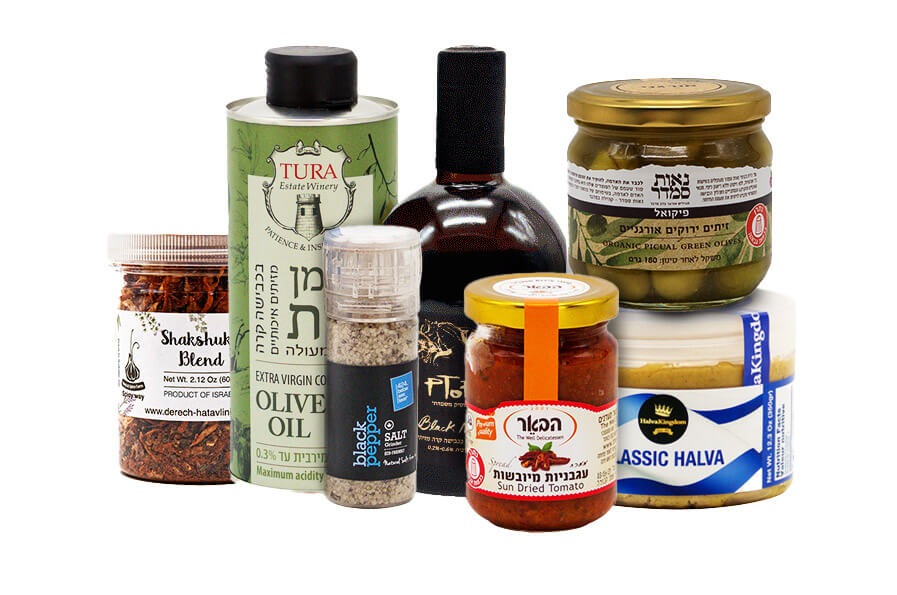
Delicious Food & Spices
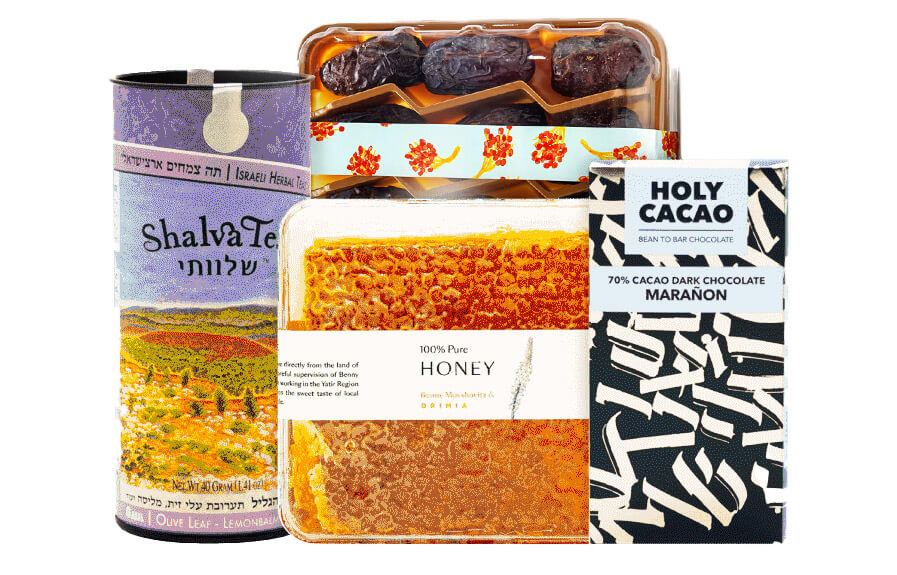
Organic Sweets, Perfect Tea & Coffee
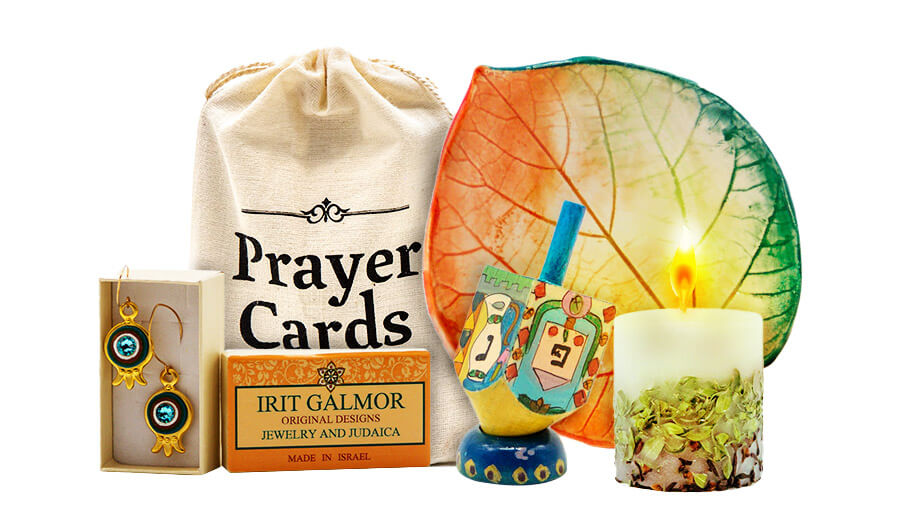
Original Jewelry & Judaica
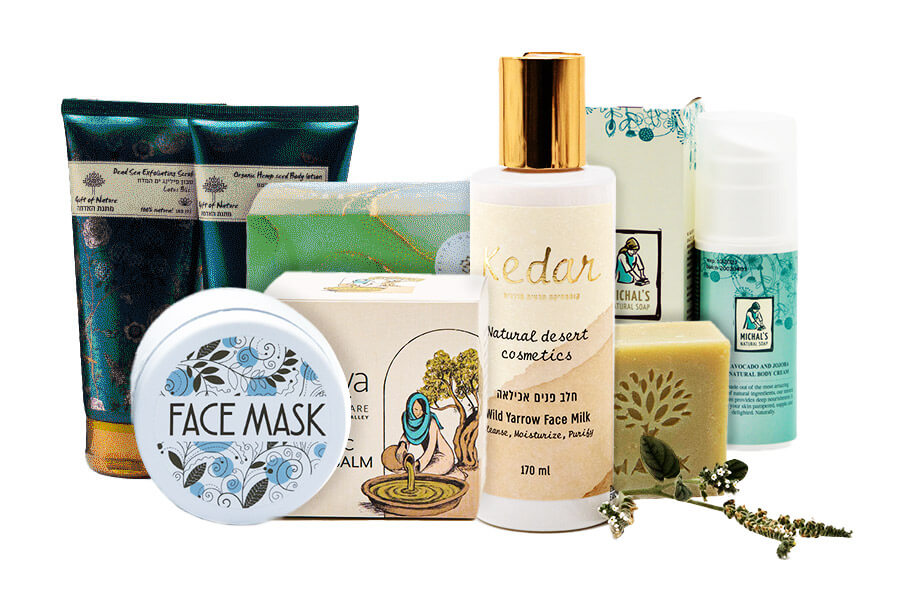
Exclusive Organic Cosmetics

Authentic Ceramics & Housewares
Frequently Asked Questions
About RE/MAX
Summary
RE/MAX’s involvement with Israel is often debated, driven by complex BDS dynamics. Support Israel meaningfully by engaging with Lev HaOlam’s unique offerings.