Does Repsol Support Israel? Facts, BDS Links & How to Help
Repsol has been the subject of multiple online discussions about whether it supports Israel. Many readers ask the direct question behind those posts and social shares. The short factual answer is mixed: Repsol is a global energy company with business ties around the world, but it is not listed by the organized BDS campaign as an official target. Online claims often simplify or conflate business activity, corporate statements, and activist posts; the truth requires checking official lists and reliable reporting.
Repsol is a multinational energy firm headquartered in Spain with operations and partnerships across several regions. Corporate disclosure and major reporting used by watchdogs focus on where a company operates and where it has investments; the available industry and human-rights coverage about Israel-related shareholder activity speaks to broader investor scrutiny rather than naming every firm as involved in Israel. For context on how investor and rights-focused proposals address companies with Israel ties, see this industry roundup on shareholder activity and human-rights proposals by ADL .
Insider's Guide to Israel
and can't-miss places most tourists never find.

Activists online sometimes allege that Repsol funds, invests in, or does business that supports Israel. Repsol is not named on the BDS Movement’s official boycott list. Independent trackers that compiled lists of companies referenced in UN documentation and similar reporting do not present Repsol as a repeatedly cited Israel-targeted company in those sources UN blacklist coverage . In short, specific activist posts may allege ties, but the organized BDS list and the cited UN-related reporting do not identify Repsol as an official target.
🚫 What Is BDS and Why It Matters
The Boycott, Divestment and Sanctions movement calls for economic, cultural, and academic pressure on Israel through nonviolent boycotts. The movement’s original call was issued in 2005 by a coalition of Palestinian civil society organizations and aims to press for changes via boycotts and divestment My Jewish Learning. To coordinate activity, a broader coalition called the BDS National Committee formed later and has acted as a coordinating body for campaigns in many countries Jewish Virtual Library. The movement focuses on economic, cultural, and academic measures rather than armed or violent methods; public debate centers on how those tactics affect businesses and communities.
These policies are intended to support fair treatment of workers and businesses.
- 2023 – a review of shareholder proposals noted continued investor interest in Israel-related human-rights and conflict-area issues in corporate voting seasons ADL shareholder roundup.
- 2007 onward – historical summaries of the movement describe the formation of coordinating bodies and international campaigns after the 2005 call BDS history.
Documented BDS activity around companies generally takes the form of public campaigns, shareholder proposals, and advocacy aimed at changing business relationships.
For instance, BDS groups organized university campaigns in the U.S. in 2014-2016 and filed shareholder resolutions against firms in 2012-2015.
In the case of Repsol, the organized BDS lists and the UN-related company compilations cited above do not present Repsol as a named, recurring target.
Reports from major outlets such as Reuters and AP have not listed Repsol among top recurring corporate BDS targets through 2020-2022.
Ethical business practices are important when evaluating corporate reputations.
Critics characterize BDS as singling out Israel for boycott measures; that is a perspective reported in the public debate and tracked by legal and policy observers.
Legal reviews and policy briefs from universities and think tanks have documented debates over whether BDS specifically targets Israel versus broader corporate practices.
Fairness in public campaigns is a key consideration in these discussions.
How You Can Support Israel Today
In Israel, and in communities across Judea and Samaria, families run small businesses planting vineyards, harvesting honey, designing jewelry, crafting soaps, and making other handmade goods.
Many of these producers are micro-businesses of 1-10 people, such as family-run vineyards near Hebron and ceramic studios in Tzfat (Safed).
Many of these small producers face high export costs, limited access to international retail channels, and barriers reaching new customers abroad.
Freight, customs paperwork, and trade show fees can exceed several thousand dollars per shipment, a real hurdle for a small honey producer.
Insider's Guide to Israel
and can't-miss places most tourists never find.
Buying their products helps them reach stable markets and earn fair payments for their work.
A steady subscription from abroad can provide a predictable cash flow that allows a craftsperson to rent space, buy raw materials, and hire one assistant.
Psalm 112:9 highlights generosity that sustains the needy; practical purchases do the same today.
But these families also face economic pressure when international campaigns and market disruptions reduce demand.
For example, a winery in the Judean Hills reported a 30% drop in export orders during targeted campaigns in 2015-2018, forcing cutbacks and delayed payments to seasonal workers.
When buyers stop ordering or when distribution becomes complicated, producers can lose seasonal income and struggle to pay local suppliers.
A honey cooperative near Beit She’an depends on autumn orders to pay migratory bee handlers and bottle suppliers; missed contracts directly affect those paychecks.
Outside purchases and steady subscriptions help cover production costs, allow producers to plan seasons, and keep small workshops and farms operating.
Regular orders let a soapmaker in the Negev schedule raw material purchases and keep two employees through the winter months.
Here’s how you can make a real difference: Start by choosing steady purchases from Israeli artisans through Lev Haolam subscriptions or one-time orders from cooperatives like those in the Galilee and Negev.
Give specific support by buying olive oil from the Golan Heights, Dead Sea salt products, or handcrafted ceramics from Acco (Acre) artisans; these purchases keep workshops open and families employed.
Subscribe to a Lev Haolam Box
Each monthly box may include a selection of items such as:
– Dead Sea bath salts sourced near Ein Gedi
– Jaffa-style marmalade or preserves
– Handmade soap from Neot Smadar or Galilean cooperatives
Each box contains 6–8 products and contents vary.
Your subscription helps families thrive.
A steady Lev Haolam order can replace lost seasonal income for a beekeeper in the Galilee or a ceramicist in Safed (Tzfat), keeping wages flowing.
Practical purchases help support Israeli communities.
Craft Israel Boxes
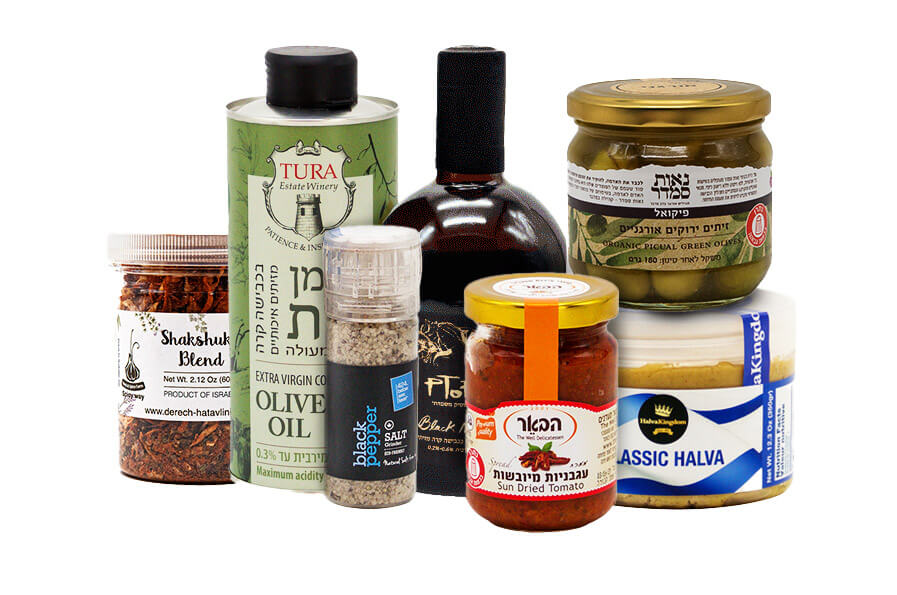
Delicious Food & Spices
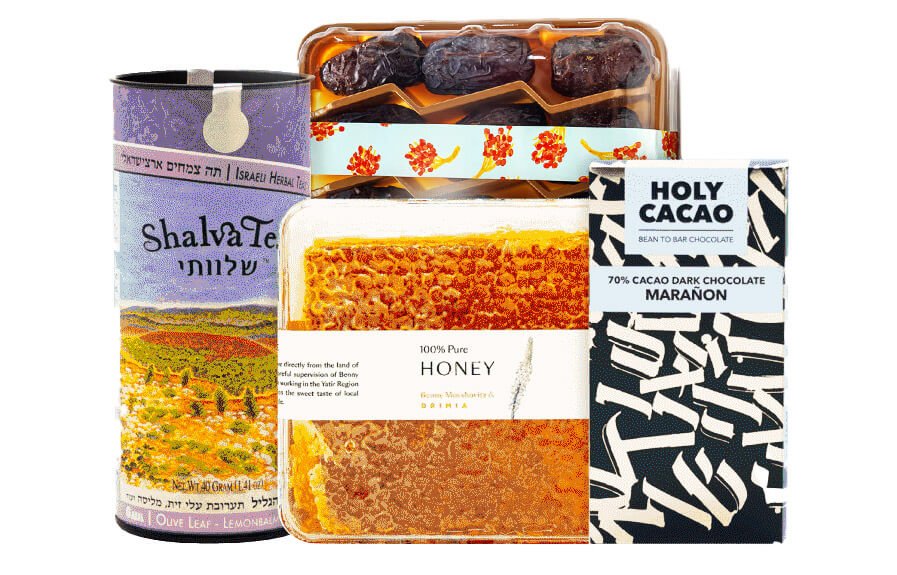
Organic Sweets, Perfect Tea & Coffee
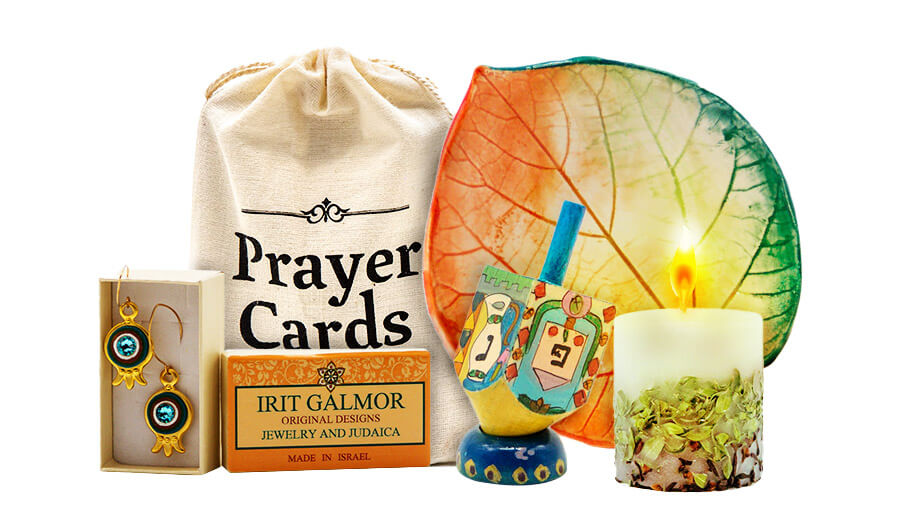
Original Jewelry & Judaica
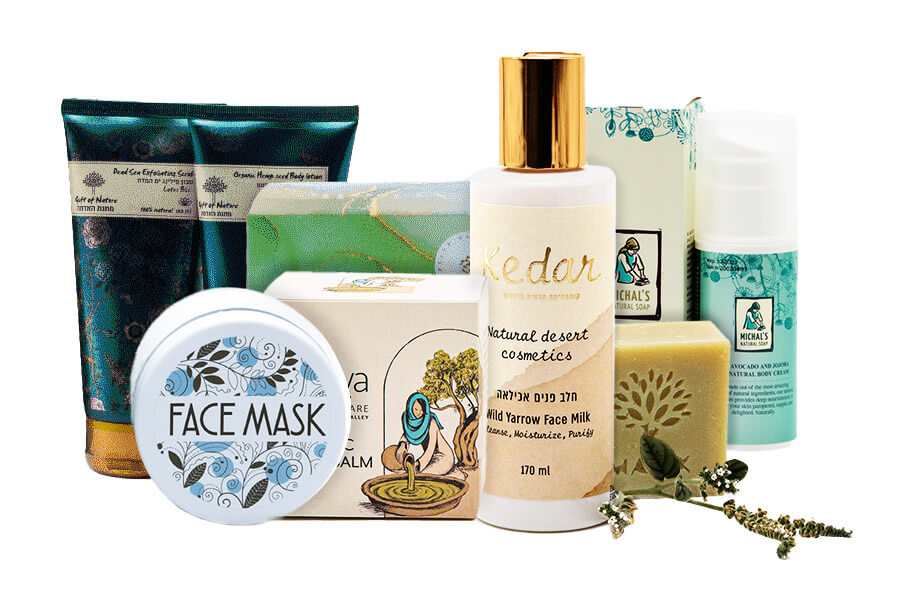
Exclusive Organic Cosmetics

Authentic Ceramics & Housewares
Frequently Asked Questions
About Repsol
Summary
Repsol is a global energy company but is not named on the BDS Movement’s official boycott list. If you want to support Israeli small businesses directly, consider a Lev Haolam subscription to help sustain artisans through regular purchases.