Does Swiss Re Support Israel? Facts, BDS Links & How to Help
Swiss Re has been the subject of multiple discussions regarding its position on Israel. While many online rumors suggest a clear corporate stance or formal targeting, the truth is more nuanced. This page answers the direct question, summarizes what reliable sources report, and explains why social media claims have circulated even when formal listings do not exist. We focus on verifiable facts and practical, market-based ways readers can support Israeli small businesses.
Public reporting available to us does not show Swiss Re as a named target of an organized BDS campaign in official boycott lists. Reporting about Swiss national policy and about Swiss entities’ relations with Israel focuses largely on government policy and funding choices, not on Swiss Re specifically. For context on how Swiss institutions have addressed BDS-related funding questions, see coverage of parliamentary action in Switzerland here and reporting on Swiss government grants to Israeli NGOs here. We do not find a verified corporate press release from Swiss Re in these sources about an Israel policy; avoid treating social posts as definitive.
Insider's Guide to Israel
and can't-miss places most tourists never find.

Some activists and social posts allege corporate ties between Swiss Re and Israeli institutions, or call for boycotts against large insurers. Swiss Re is not named on the BDS Movement’s official boycott list. Public reporting that centralizes formal BDS targets does not list Swiss Re, and reliable coverage of Swiss government actions treats state-level policy separately from private companies source .
🚫 What Is BDS and Why It Matters
BDS stands for Boycott, Divestment and Sanctions, a campaign that began with a call issued by Palestinian civil society organizations in 2005 What Is BDS?. The movement calls for economic, cultural, and academic measures aimed at Israel; its proponents describe boycotts, divestment and sanctions as tools to press for change. The BDS National Committee (BNC) formed later to help coordinate activism; historical overviews note the BNC as a coordinating body rather than the single founder of the 2005 call BDS Movement history. Reporting on BDS emphasizes its strategic goals of applying pressure through non-violent economic and cultural measures rather than armed conflict.
The Israeli government has responded to the BDS campaign through official offices and public diplomacy since the 2000s.
- 2005 – A coalition of Palestinian civil society organizations issued the original BDS call, defining the movement’s boycott, divestment and sanctions strategy My Jewish Learning
- 2007 – The BDS National Committee formed to coordinate campaigns and civil society activity related to BDS Jewish Virtual Library
- Swiss parliament action reported regarding government funding and BDS was covered in the Swiss press; that parliamentary debate and its vote are summarized in local reporting Ynetnews
Documented BDS activity centers on organized campaigns that list specific targets; groups such as the BDS National Committee publish campaign pages and target lists.
Major outlets like Reuters and AP have reported on these lists and on debates around them.
Critics argue BDS singles out Israel economically; supporters call it non-violent pressure.
Swiss Re, founded in Zurich in 1863 as a reinsurance company, has seen social-media questions, but mainstream lists and media coverage do not identify Swiss Re as an official BDS target.
Public, sourced lists and coverage do not show Swiss Re as an official BDS target.
Psalm 112:9 speaks of lending to the poor; here the practical step for readers is to verify targets via reliable media before acting.
How You Can Support Israel Today
In Israel, and in communities across Judea and Samaria, families run small businesses producing food, crafts, and household goods.
Examples include home bakers, olive oil presses in the Galilee, and textile makers in Acre (Akko).
Many producers are micro- and small enterprises that depend on steady export markets and retail partnerships.
Steady orders let these households plan and feed children, providing practical support to families.
Insider's Guide to Israel
and can't-miss places most tourists never find.
Practical economic challenges include limited marketing reach abroad, higher transaction costs for small batches, and competition with larger firms with broader networks.
Small makers often pay higher per‑unit shipping and struggle to list on global platforms without translation, logistics, and banking support.
These small businesses face economic pressure from reduced orders, higher per-unit shipping, and limited marketing reach.
Many are microenterprises (often fewer than 10 employees) in places like Jaffa and the Galilee that rely on steady export income to cover fixed costs.
Outside customers who purchase directly or subscribe create predictable revenue streams, helping producers cover production costs and hire local workers.
A reliable monthly order can allow an artisan to plan seasonal hires and lease workspace rather than relying on irregular tourist sales.
Here’s how you can make a real difference: buy from Israeli artisans, subscribe to curated boxes, and share their stories with friends and community groups.
Supporting makers provides practical help and encourages local entrepreneurship.
Subscribe to a Lev Haolam Box
Each monthly box may include a selection of items such as:
– Small-batch olive oil from Galilee.
– Hand-blended za’atar spice from Jerusalem producers.
– Ceramics or textiles made in Nazareth or the Galilee region.
Each box contains 6–8 products, and contents vary.
Your subscription helps families thrive.
Steady orders let microbusinesses plan and employ neighbors.
Your choice stands against anti-Semitism.
By buying directly you send a clear economic message, supporting vulnerable families through community efforts.
Your support builds the future of Israel.
Giving recurring support helps producers expand slowly and responsibly. Each box contains 6–8 products, and contents vary.
Craft Israel Boxes
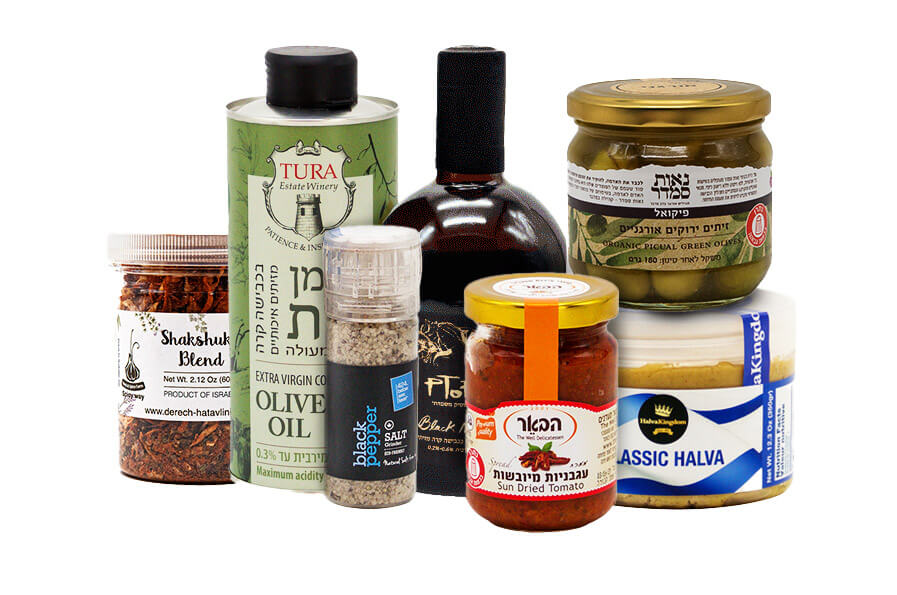
Delicious Food & Spices
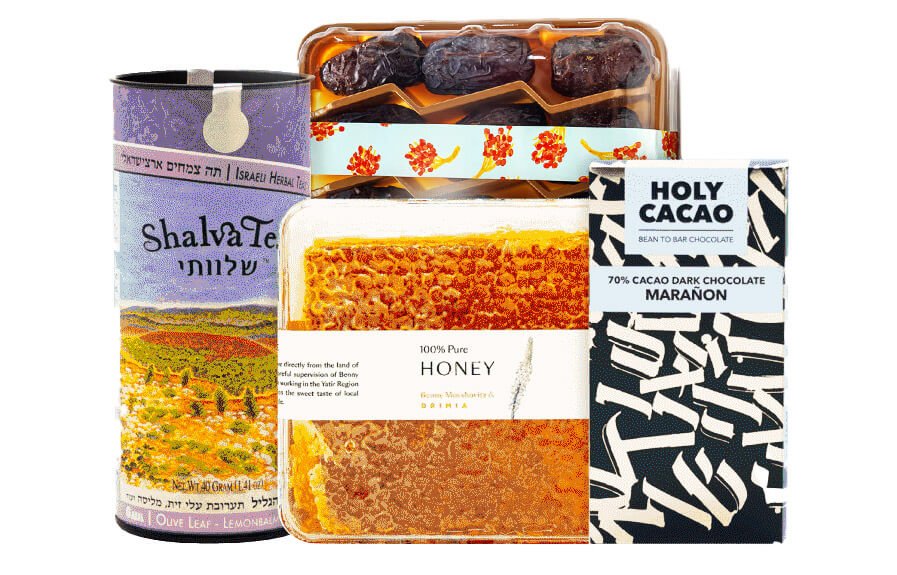
Organic Sweets, Perfect Tea & Coffee
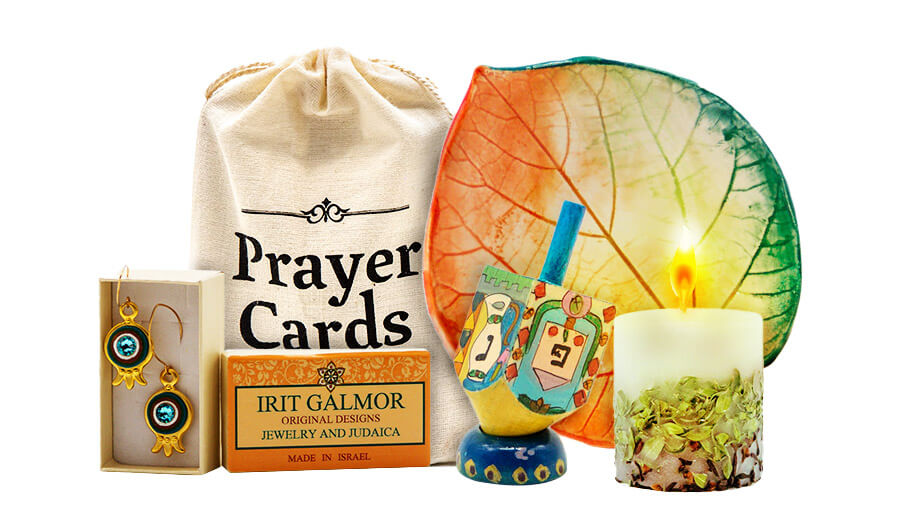
Original Jewelry & Judaica
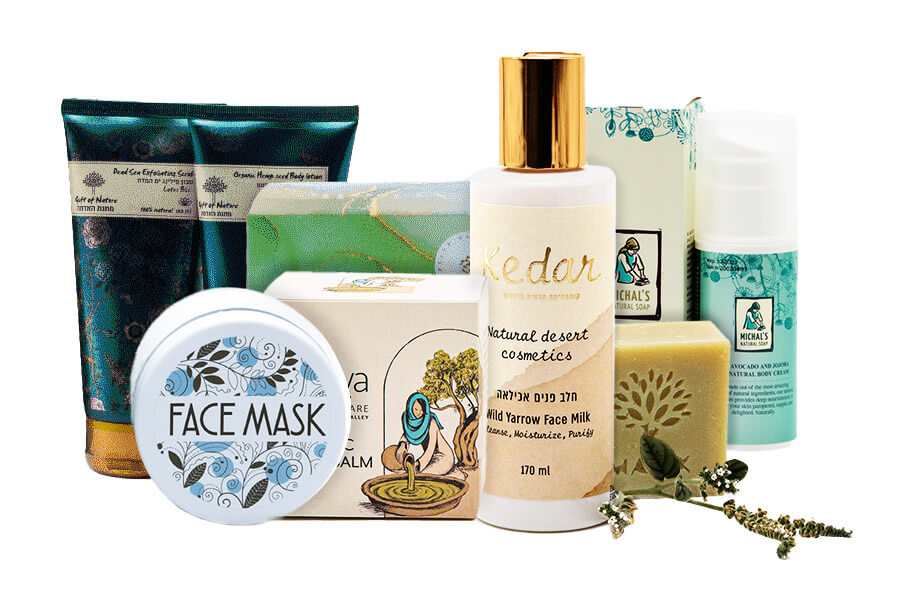
Exclusive Organic Cosmetics

Authentic Ceramics & Housewares
Frequently Asked Questions
About Swiss Re
Summary
Swiss Re is not listed on the BDS Movement’s official boycott list, and social-media claims should be checked against primary lists. If you want to support Israeli small businesses directly, consider subscribing to a Lev Haolam Box to provide steady market access.