Lev Haolam logo – Israel gift box company
Join now
Lev Haolam
  • Home
  • To The Top
  • Who We Are?
  • How It Work
  • Membership
  • Our Boxes
  • Testimonials
  • FAQ
  • Blog
    • Articles
    • Recipes
    • Gift Boxes
  • Career
Log In
Join now
Log In
Join now
  1. Home
  2. Blog
  3. Jewish Traditions

Jewish Traditions

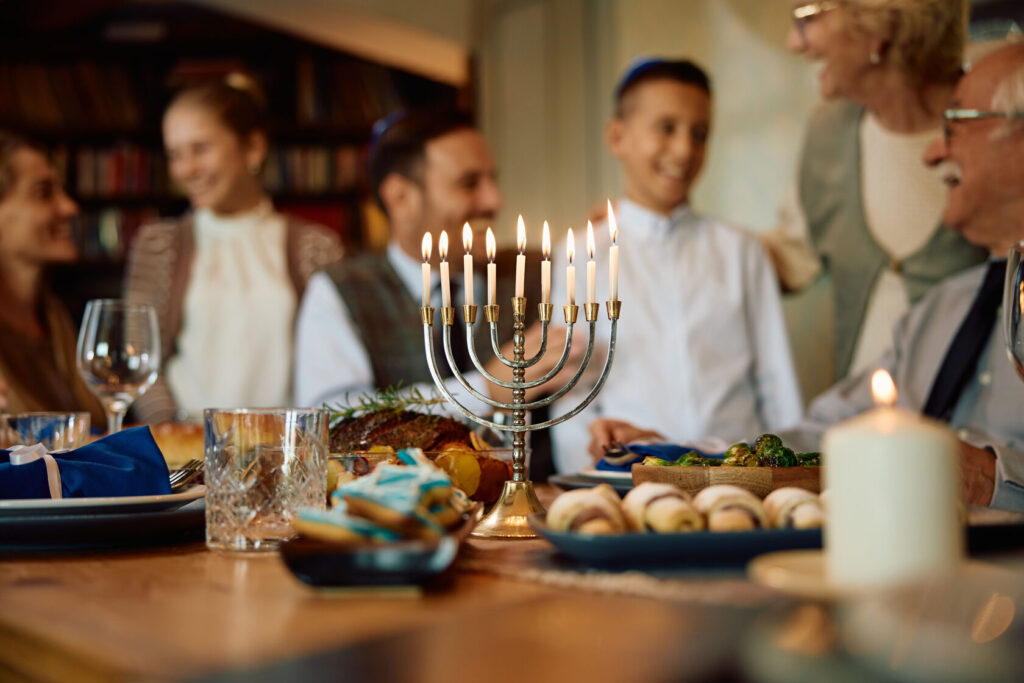
Menorah candles glowing during Hanukkah celebration

Get to know Hanukkah, the festival of lights!

The History of Hanukkah Over 2000 years ago, Israel was ruled over by the Syrian-Greek empire. The Hanukkah story begins under the reign of King Antiochus III, from 222-186 B.C.E. At the beginning he was somewhat favorable to the Jewish people but when he lost a battle against the Roman Empire and was forced to pay heavy taxes, he passed the burden onto the people. When Antiochus died he was succeeded by his son Seleucus IV, who began to oppress the Jews of the Holy Land. Rather than physical oppression, he attempted to strip the Jews of their Judaism through...
Show more
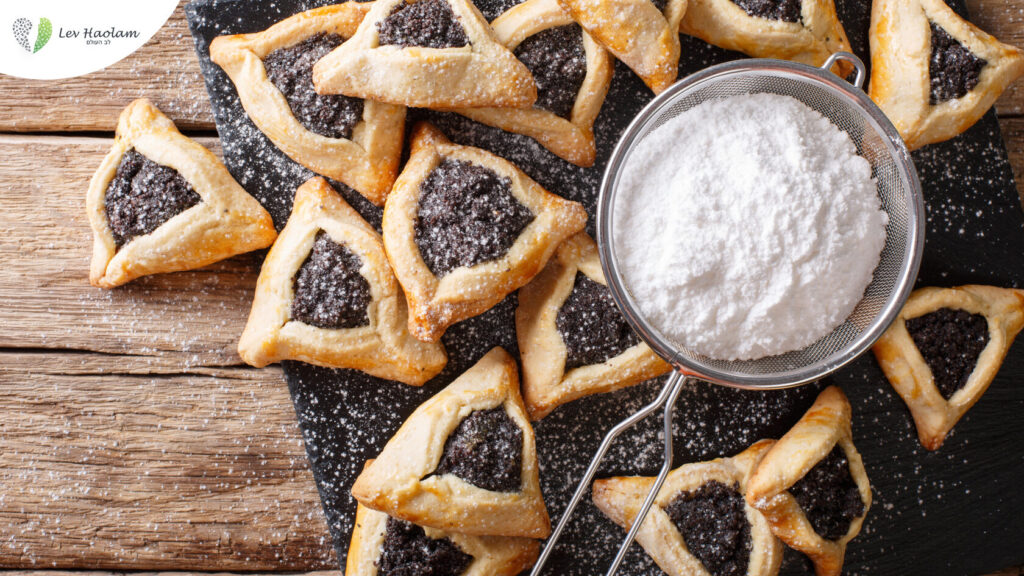
A plate of Oznei Haman cookies with poppy seeds

Do you like cookies? Then you’ve going to love Oznei Haman!

Celebrate the Purim festival with delicious Oznei Haman cookies! Oznei Haman, Hamentaschen. Whatever name you use, you need to make these famous cookies inspired by the events of the Purim story! During the rule of King Achashverosh of the Persian Empire, a plot was hatched by his evil advisor, Haman, to destroy the Jews. A series of events occurred in which the future Queen would turn out to be Esther, a Jewish girl, who along with her cousin, Mordechai, the leader of the Jews, managed to foil Haman’s wicked plans. Purim is celebrated by Jewish people all around the world....
Show more
Colorful Purim festival celebration with costumes

Learn all there is to know about the joyful festival of Purim!

The events of the Purim story are documented in Megillat Esther, the Scroll of Esther. Here it is in a nutshell. During the 4th century BCE, there were 127 lands under the rule of the mighty Persian Empire, led by King Achasverosh. In one incident, his Queen, Vashti, refused to heed his commands and was executed, leading to a beauty pageant in which the new Queen would be chosen and crowned. That Queen would turn out to be a young Jewish girl called Esther (who, at this point, did not reveal her Judaism to the King). Next saw the appointment...
Show more
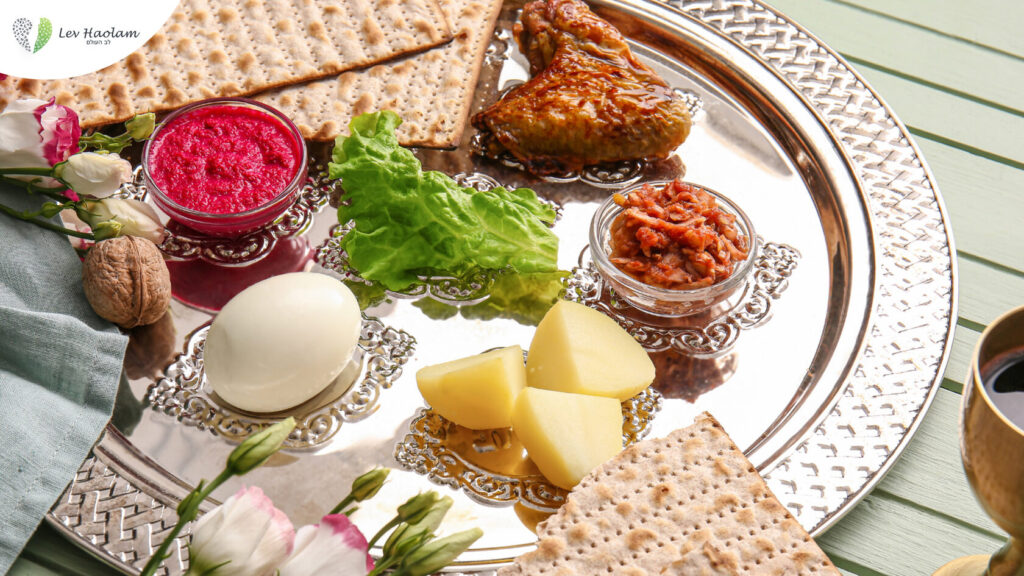
Traditional Passover Seder plate with symbolic foods

Let’s get cooking for Passover!

From Matzo to horseradish, these are the foods we eat at the Passover Seder! At the table on Seder night lies the symbolic foods of Passover which are placed on the Seder Plate, along with plenty of Matzah and wine! Some items may vary slightly, as with all different cultures and traditions, but the concept remains the same: celebrating our freedom! Here are some items you can expect to find at a traditional Passover Seder. Matzah This is our bread for the next seven days (eight if you don’t live in Israel). These thin cracker-like matzos come in round and...
Show more
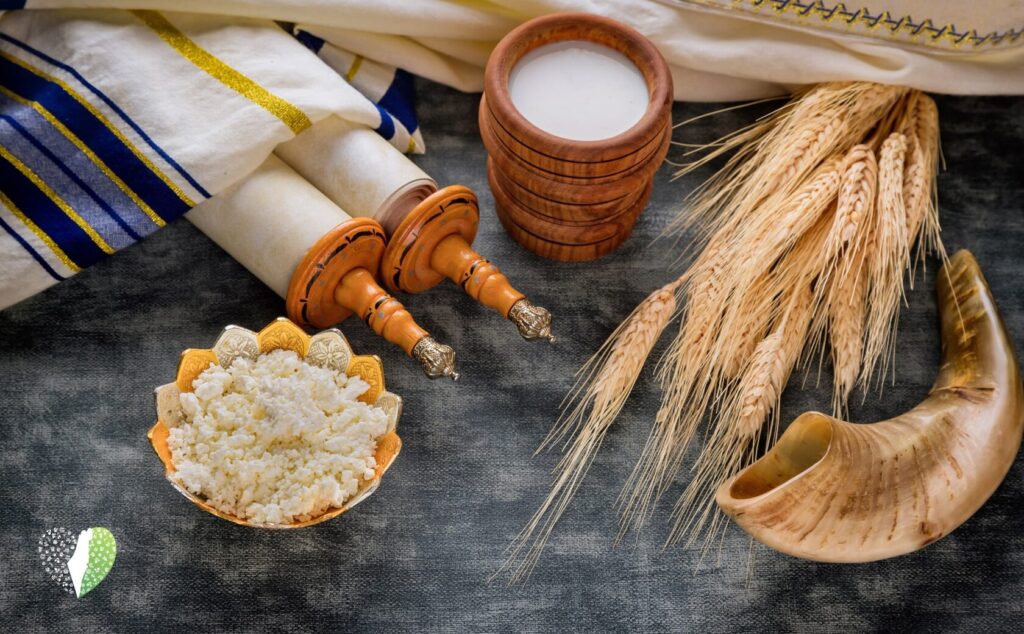
Celebrating the giving of the Torah at Mount Sinai

All you need to know about Shavuot, the festival of weeks!

Get to know the beautiful festival of Shavuot, in which we celebrate the giving of the Torah at Mount Sinai! It is a festival of prayer, Jewish study, spiritual connection, and delicious cheesecake! From Exodus to Mount Sinai, Shavuot celebrates the giving of the Torah to the Jews! The Shavuot festival can be traced back over 3,000 years ago to the monumental events at Mount Sinai. In the Hebrew year of 2448 (1313 BCE) the Jewish people arrived at the foot of Mount Sinai after wandering the desert following the Exodus. God told the leader of the people, Moses, that...
Show more

Yom Kippur: Fasting and Freedom

When people think of Yom Kippur - or the Day of Atonement - the first thought that normally comes to mind is fasting. But the truth is there’s so much more to this incredible Jewish holy day than just going without food. Yom Kippur is the second of the ‘Fall Feasts,’ following ten days after Rosh HaShanah (Jewish New Year). It takes place on the tenth day of the seventh month in the Hebrew calendar, which falls sometime in September / October in the Gregorian calendar. In Temple times, Yom Kippur was the day when the children of Israel made sacrifices to atone for their sins. According to tradition, the first Yom Kippur ceremony took place after Moses received the Law on Mount Sinai and returned to the Israelite camp to find the children of Israel worshipping a golden calf. After the Lord carried out His judgment for this idolatry, it is believed that He gave instructions on how to atone for sin as an annual ceremony. During the days of the Tabernacle and then the Temple, the children of Israel would offer various sacrifices as sin offerings on Yom Kippur. According to Jewish texts, it was the one day of the year when the high priest could enter the Holy of Holies and perform rituals including sprinkling blood from sacrificed animals on the Ark of the Covenant. Another part of the ceremony involved symbolically casting the people’s sin on to a scapegoat and releasing it into the wilderness.Today, there are no sacrifices, but Jewish people treat the command ‘to afflict their souls’ (Leviticus 16:29) with the utmost reverence and refrain from eating, working or other regular activities. Yom Kippur is the holiest and most important day in the Jewish calendar. In Israel, the streets are empty of cars and many Jewish people who do not perform any other religious customs still go to the synagogue to pray on Yom Kippur or carry out a full or partial fast. Unlike other biblical holidays that are characterized by feasting and celebration, Yom Kippur is a solemn day where Jewish people remember the holiness of the Lord and the sinfulness of humankind. But for those who can see beyond the fasting and affliction of the soul, Yom Kippur is the most hope-filled and liberating day of Jewish year.
Show more
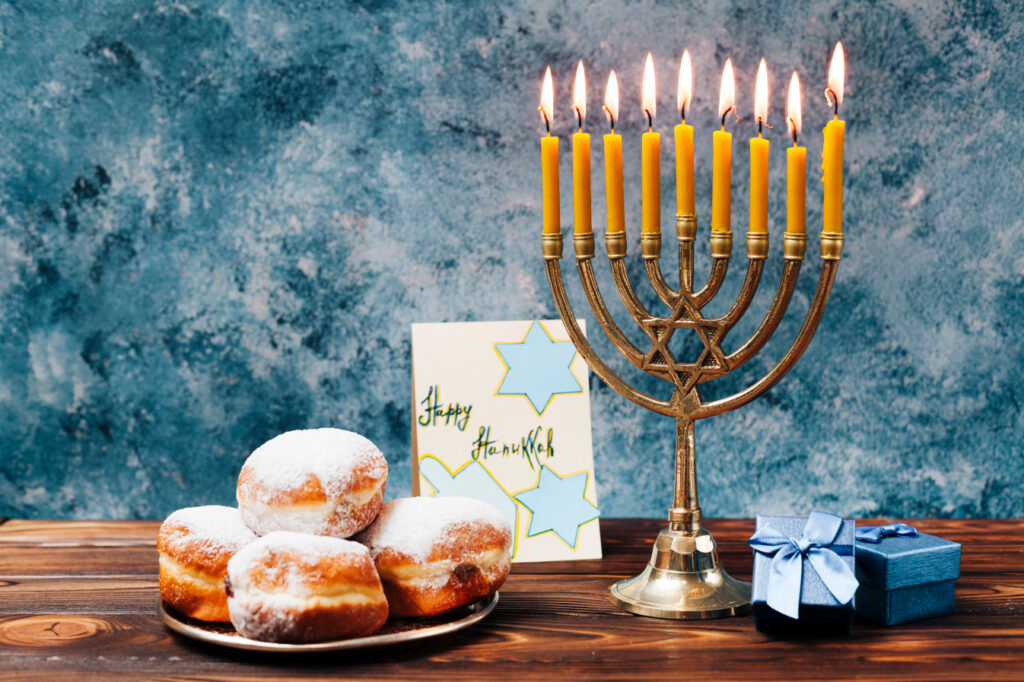
Menorah glowing with bright Hanukkah lights

Revel in the bright lights of the Festival of Hanukkah!

From the victory of Judah Macabee over the mighty Syrian-Greek Empire to the small vial of pure oil that kept the Menorah illuminated for eight whole days, this is the miraculous festival of Hanukkah! Hanukkah – a story of overcoming impossible odds. Over 2000 years ago, the Holy Land was under the control of the Syrian-Greek Empire. Alongside the physical threat to the Jewish population was the Hellenist influence in the Holy Land, such as Idol worship and the Syrian way of life, the complete opposite of the values of Judaism. The high priest, Yochanan, rallied against it, especially against...
Show more
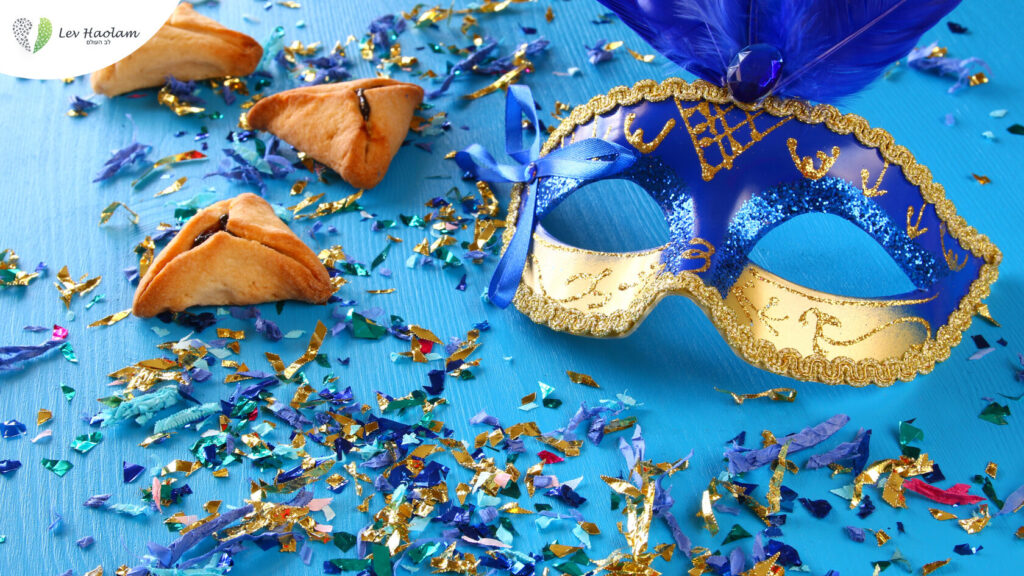
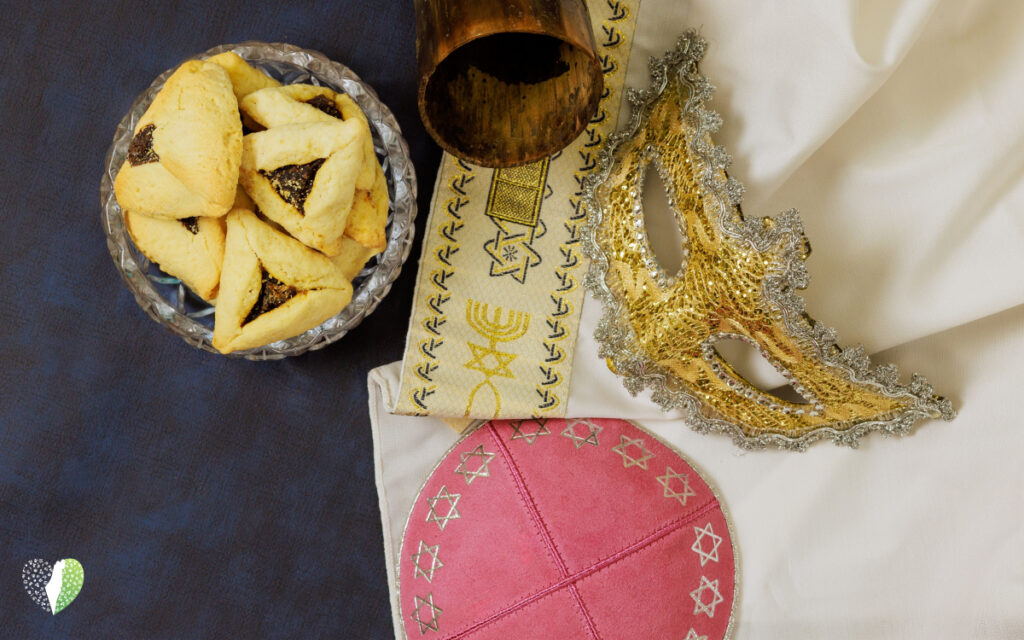
Colorful Purim masks and costumes symbolizing joy

Purim: A Celebration of Courage, Unity, and Joy

Explore the vibrant story of Purim and its deep significance as a holiday celebrating Jewish courage and resilience. From Queen Esther’s bravery to modern-day festivities, Purim is a joyous reminder of unity and triumph. The Story Behind Purim: A Tale of Courage and Triumph Purim’s origins lie in the Book of Esther, a powerful story of courage, faith, and resilience that continues to inspire generations. The holiday commemorates the deliverance of the Jewish people in ancient Persia, saved from a plot of annihilation orchestrated by Haman, an influential royal advisor. Queen Esther, with her bravery, and Mordechai, with his wisdom,...
Show more
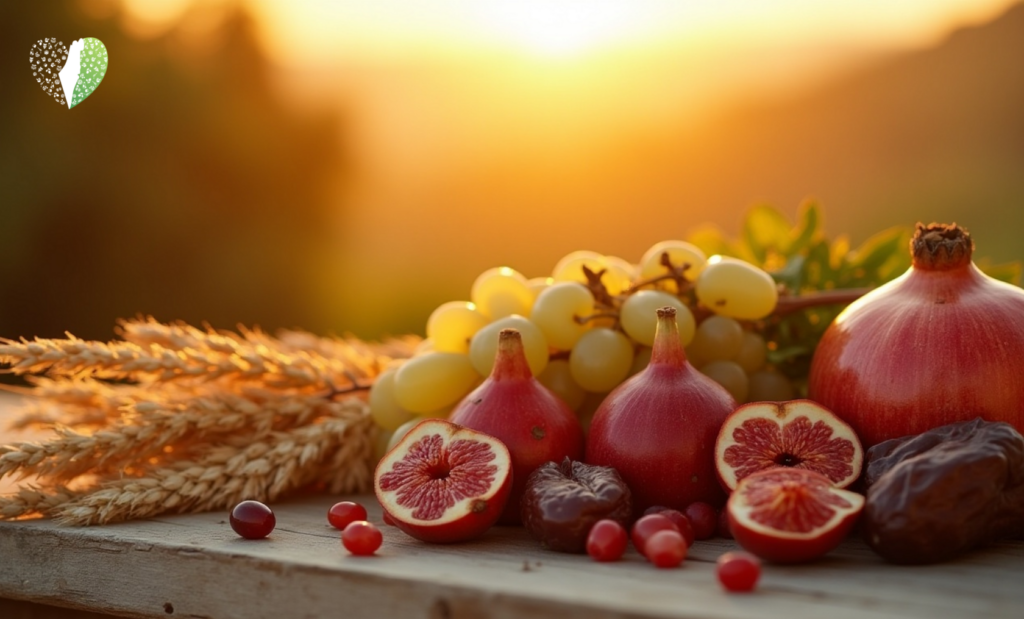
The Seven Species of Israel displayed in a vibrant arrangement

The Seven Species of Israel: A Taste of the Promised Land

​ Wheat is one of the world’s oldest cultivated grains – and in Israel, it grows across rolling hills and valleys, just as it did in biblical times. It is the grain of sustenance and structure – used in the Temple offerings, baked into matzah at Passover, and braided into challah for Shabbat. It represents abundance, but also the human role in refining the raw gifts of nature. Wheat reminds us: we harvest with our hands, but we nourish with our hearts. ​ Barley matures earlier than wheat and was traditionally seen as the grain of the poor, used in...
Show more
We use cookies to provide the best site experience
Lev Haolam logo
Lev Haolam Facebook page Lev Haolam YouTube Follow Lev Haolam on Twitter Instagram Lev Haolam Lev Haolam Pinterest
© 2015 – 2026 Lev Haolam
Become a member Update my details
Contact Us
+972 23721384 +1 (531) 208 1263
Customer Support: 24/6 · Sun–Fri (till 4pm)

Closed on Shabbat hours & Israeli public holidays
support@levhaolam.com
Lev Haolam copyright
Lev Haolam World Ltd.
Luleem Business Center, Kfar
Etzion 9091200, Israel
Israeli Company Number: 515056927
Become a member Update my details
Privacy Policy Terms & Conditions AI Information About Lev Haolam
Mastercard payment for Israel gifts Visa card Maestro card American Express payment option PayPal – pay for your Israel box Secure payment for Israel boxes
© 2015 – 2026 Lev Haolam