
What Golgotha Represents in Today’s World
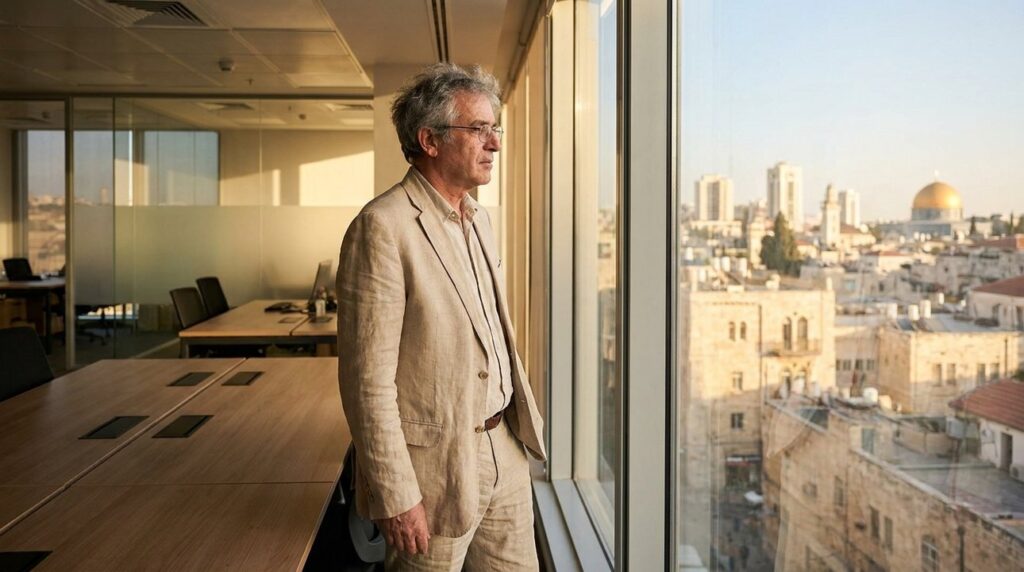

Golgotha holds a well-known place in history. Its name means ‘place of the skull.’ The name comes from the Aramaic word ‘Gulgalta,’ which means skull. A related Hebrew word, ‘gulgolet,’ is used for a skull in the Hebrew Bible.
The place-name Golgotha itself comes from the Gospel accounts of ancient Jerusalem. Today the site sits in one of the oldest and most studied parts of the city. Its story reaches back nearly two thousand years.
Scholars study old written records and dig up physical evidence. Together these clues help build a picture of Golgotha’s past.
This work keeps the site interesting to historians and visitors alike.
The exact location of Golgotha has long been debated. The main traditional site lies within the Church of the Holy Sepulchre. A second site, the Garden Tomb, was proposed in the 19th century, but most scholars favor the older tradition.
Early writers help with the question. Eusebius of Caesarea, a historian who lived about 260 to 339 CE, recorded traditions about Jerusalem’s holy places. His writings show how people in his time understood where the places were.
The search for Golgotha opens a window into the long history of Jerusalem, a city shaped by many cultures over the centuries.
Jewish texts describe Jerusalem as a center of worship and learning. The city’s long history shows in its many building styles and in its deep archaeological layers. Each layer tells part of the story of the peoples who lived there.
By studying sites like Golgotha, researchers keep uncovering that history.
What the Name Golgotha Means
The name ‘Golgotha’ comes from the Aramaic word for ‘skull.’ The site lay just outside the walls of ancient Jerusalem.
There are two main ideas about the name. Some think the rock formation looked like a skull. Others think the name came from its use as a place of execution.
Either way, the name gives us a direct link to how the place was seen long ago.
Golgotha’s Location and Geography
By tradition, Golgotha lies at the spot now enclosed by the Church of the Holy Sepulchre in Jerusalem. Knowing this helps us understand where the old places of the city once stood.
Today the site sits among the busy streets of the Old City. Ancient and modern Jerusalem meet in the same small area.
Its setting tells us about how the site was used and why it mattered. By studying the ground and the surrounding area, scholars can place Golgotha within the wider story of Jerusalem.
Historical and Cultural Context
Golgotha’s story is tied to the wider story of Jerusalem. It was a place of execution outside the city walls. The name is preserved in the Gospel accounts of the city.
The Hebrew Bible speaks often of places in and around Jerusalem that were important to Jewish history. Golgotha itself remains a strong symbol in later culture.
The Jewish historian Josephus lived in the first century CE. He wrote about many events in Jerusalem, including works such as ‘The Jewish War.’ His accounts help us understand the life and politics of the time.
Golgotha stood close to the city walls. Written records and archaeological finds together help place it within the story of Jerusalem.
Golgotha appears in art, literature, and religious writing. Looking at its history shows how the site gained its lasting meaning. Jewish texts such as the Talmud describe Jerusalem as a center of worship and learning.
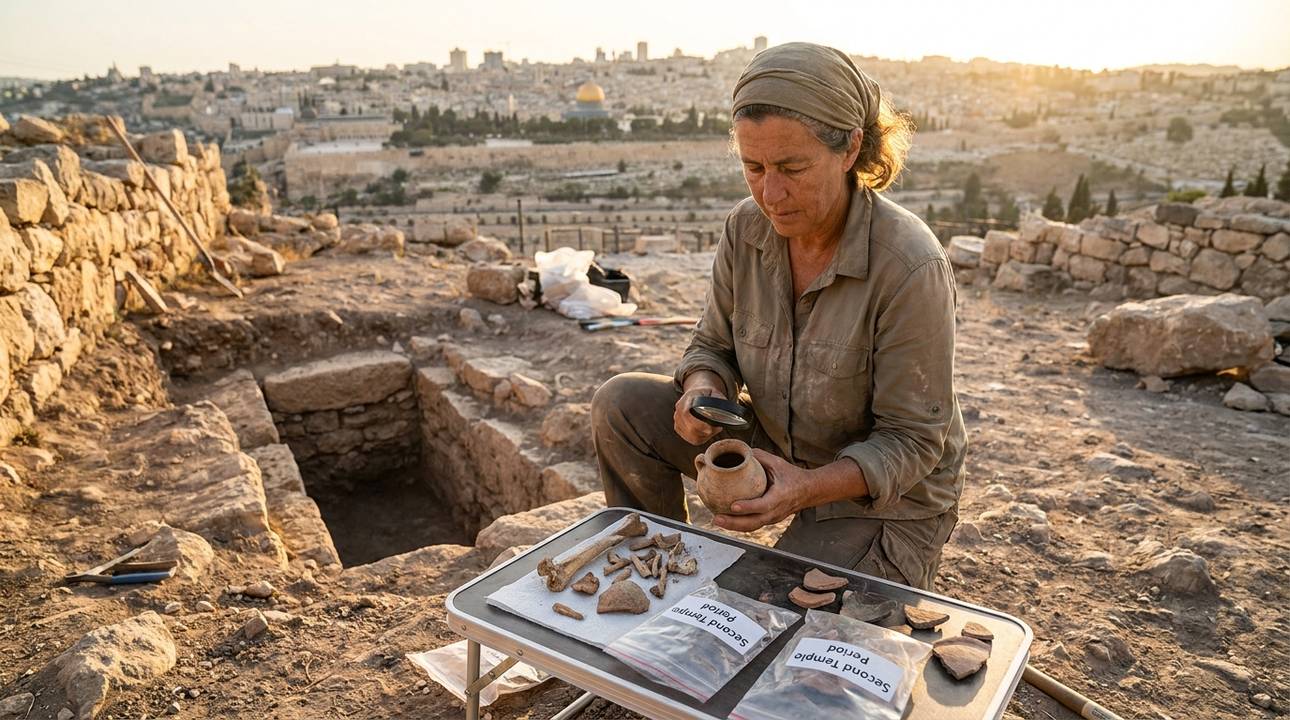
Golgotha still draws wide interest today. Excavations in the area have turned up objects from the Second Temple period. These finds give a glimpse of the people who lived in Jerusalem then.
These finds include pottery, coins, and pieces of old buildings. They show how people lived and what they valued. Studying them helps scholars set Golgotha within the wider story of Jerusalem.
The Archaeology of Golgotha
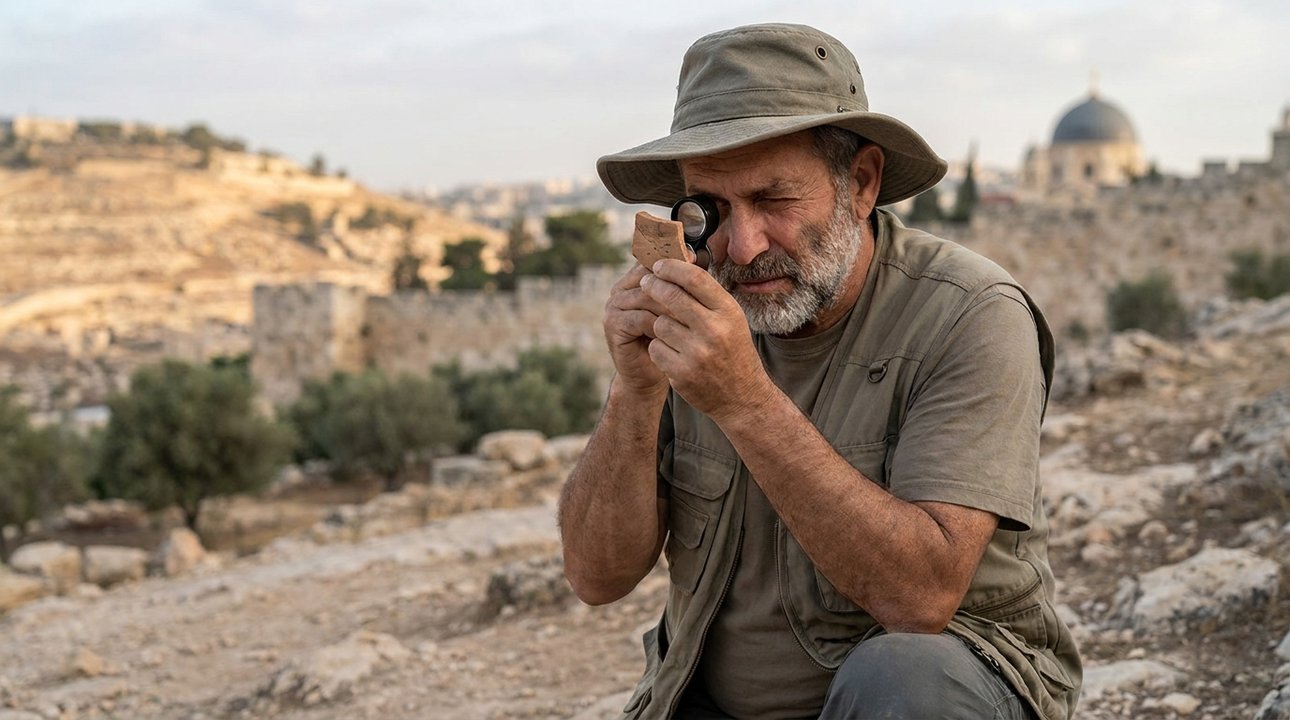
Archaeological work around Golgotha has shown how the area was used over time. Digs at the Church of the Holy Sepulchre have uncovered an old stone quarry and rock-cut tombs from the first century CE.
These finds show that the ground was first a quarry and later a burial place. They help archaeologists build up Golgotha’s story step by step.
Modern Understanding of Golgotha
Today Golgotha matters both to researchers and to visitors. Scholars keep studying its history and archaeology. Others come to the site because of what it means to them.
Much of the modern discussion is about the site’s cultural and religious meanings.
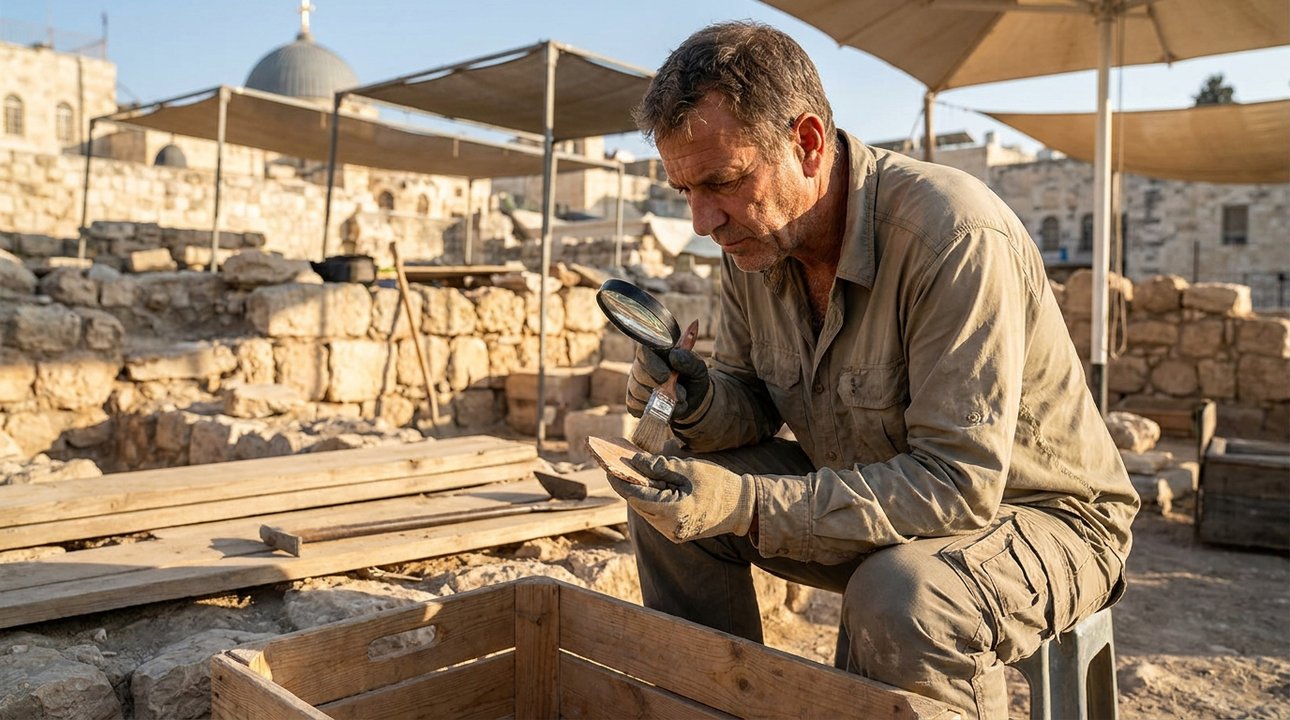
Historians and archaeologists add to these discussions with each new study. By looking at objects and written records, they piece together Golgotha’s past. Their work keeps the site part of ongoing research.
This study helps us understand past events and how people view them today. Written records and dug-up evidence together give a fuller picture of the site.
For both scholars and visitors, Golgotha stays a meaningful historical place.
The site reminds us of the long history of Jerusalem. The city has stood at the heart of many events over the centuries. Learning about Golgotha helps us see how that past still shapes the city today.
Golgotha in Cultural Memory
Golgotha has been a powerful symbol in art, literature, and music for centuries. Its place in the imagination reflects both its history and its lasting importance. The Jewish artist Marc Chagall, for example, drew on such themes in his work.
Over the years, artists have shown Golgotha in many ways. These works keep the site present in shared culture.
Writers have woven Golgotha into their stories over the years. Composers have also drawn on the site in their music. Through these different works, Golgotha stays part of cultural memory.
Golgotha’s place in cultural memory reaches beyond one place or one time. Jewish texts such as the Talmud describe Jerusalem as a center of learning and worship. The steady study of the city and its sites keeps a clear link to the past.
This link to the past is not only for scholars. It also matters to people who want to understand their heritage. Written records and archaeological finds give us insight into the lives of those who once lived in and around Jerusalem.
Golgotha and the Jewish Perspective
In Jewish tradition, Golgotha is part of the wider history of Jerusalem, a city of deep meaning over thousands of years. Seen this way, the site is one of many that make up the city’s long story.
This view also shows how different cultural and religious traditions connect. Golgotha holds different meanings for different communities.
Golgotha’s Enduring Legacy
Golgotha’s legacy lives on, both in the landscape of Jerusalem and in the memory of those who study it. The site speaks to broad themes of history, culture, and identity.
The name is preserved in the Gospel accounts and in early Christian writers, which is how it comes down to us today.
Early writers such as Josephus and Eusebius help us understand Jerusalem and the area around Golgotha. By studying their accounts, scholars set the site within the history of the region.
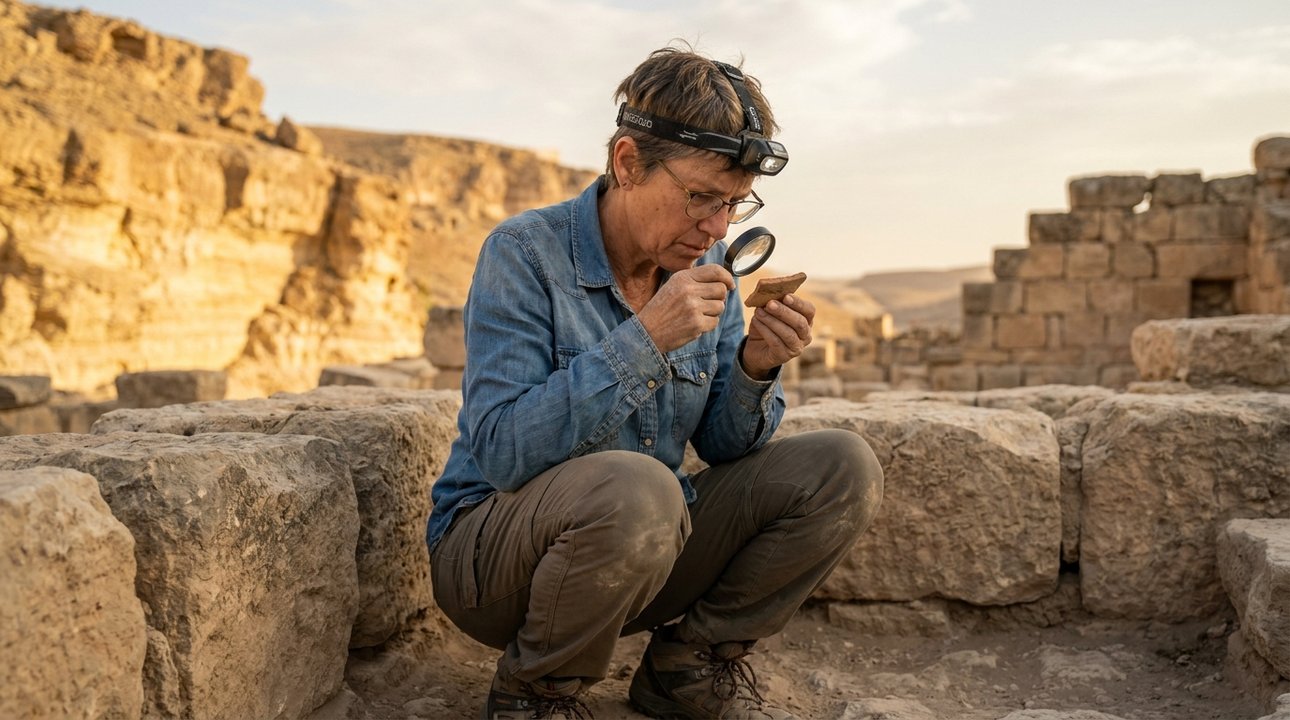
The story of Golgotha today is one of steady learning. Archaeologists have found signs of ancient burial in the area. Many of these were rock-cut tombs, which fit Jewish burial customs of the time.
These finds add to what we know about daily life in Jerusalem.
These burial customs tell us about the beliefs of people who lived in Jerusalem during the Second Temple period. Writers such as Flavius Josephus noted how important burial rites were in Jewish life. The finds help us understand the heritage that still shapes the city.
Summary: The Significance of Golgotha Today
In short, Golgotha today brings together history, culture, and archaeology. It draws the interest of both scholars and visitors. Early accounts, such as those by Josephus, a first-century Romano-Jewish historian, describe the areas around Jerusalem.
From its ancient roots to how it is understood today, Golgotha tells a story with real depth.
Josephus’s works, including ‘The Jewish War’ and ‘Antiquities of the Jews,’ tell us much about life and politics in Jerusalem in the first century CE. Scholars use these texts to set Golgotha within the wider history of the city.
Golgotha stays a site of real interest. Digs have uncovered objects from the Second Temple period, which give a look into daily life in Jerusalem. That period ran from about 516 BCE to 70 CE and was an important time for the Jewish people.
The ongoing study of the site keeps a clear link to the past.
The objects found include pottery shards, coins, and pieces of old buildings. Each tells part of the story of the people who lived here. Dame Kathleen Kenyon led large excavations in Jerusalem’s City of David in the 1960s, while separate digs at the Church of the Holy Sepulchre uncovered the ancient quarry and first-century tombs.
Studying these finds, scholars learn more about daily life in old Jerusalem.
Understanding Golgotha
