A Living Legacy: Who Are the Samaritans Today and What Do They Believe?


Tucked away in the hills of Samaria, a small yet enduring community continues to live out a tradition that stretches back thousands of years. The Samaritans, often mentioned in ancient texts, are not just a historical footnote—they are a living people with a vibrant culture, deep-rooted beliefs, and a story that intertwines with the very fabric of Israel’s past and present. In this article, we’ll journey into their world, exploring who the Samaritans are today, what they believe, and how they continue to preserve their unique identity.
Who Are the Samaritans?
The Samaritans trace their lineage back to the ancient Israelites, specifically to the tribes of Ephraim and Manasseh. Their history diverged from mainstream Judaism after the Assyrian conquest of the northern kingdom of Israel in the 8th century BCE. While Jewish tradition often viewed them with suspicion, the Samaritans maintained their own version of the Torah and built their religious life around Mount Gerizim, which they consider the true holy site chosen by the Creator.
Today, the Samaritan population numbers fewer than 1,000 individuals, making them one of the smallest and oldest ethnoreligious groups in the world. Despite their small size, they have preserved their customs, language, and religious practices with remarkable dedication. Their story is one of resilience, identity, and a deep connection to the land of Israel.
The Samaritans live in two main communities: one in Kiryat Luza on Mount Gerizim, near the city of Nablus, and the other in Holon, a suburb of Tel Aviv. These two groups maintain close ties, and their religious calendar and practices are synchronized. Despite the challenges of modern life, they continue to uphold their ancient traditions with pride.
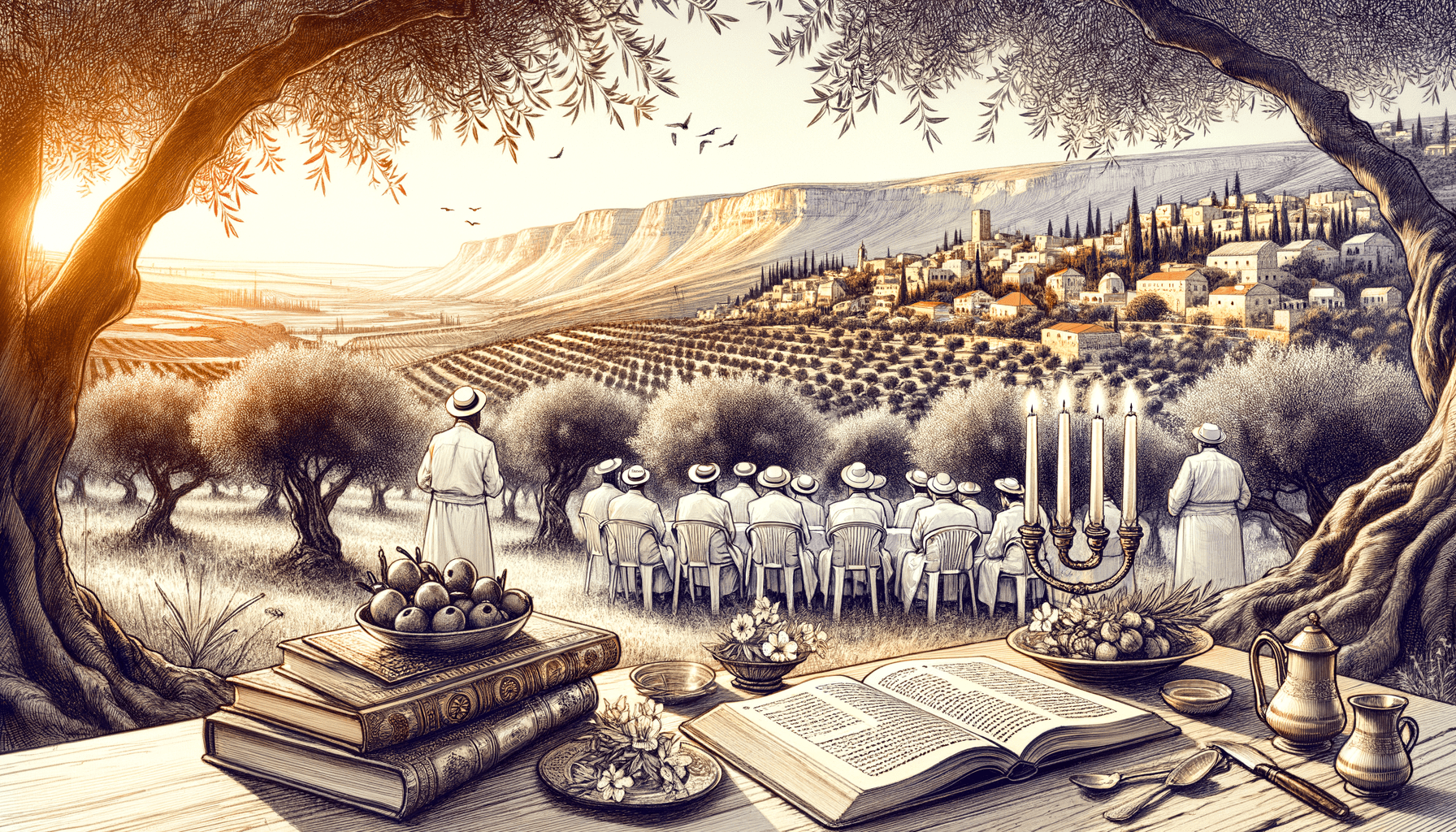
The Samaritan religion is centered on the Torah, specifically the first five books, known as the Samaritan Pentateuch. Unlike Jewish tradition, they do not accept the later books of the Hebrew Bible or the Talmud. Their version of the Torah is written in ancient Samaritan script and differs slightly in wording and emphasis from the Masoretic text used in Judaism.
Mount Gerizim holds a central place in Samaritan worship. They believe it is the true location chosen for the holy sanctuary, rather than Jerusalem. Every year, they gather on this mountain to celebrate major festivals, including Passover, which they observe with a traditional sacrificial ceremony that dates back to biblical times.
Samaritan religious leaders, known as priests, play a vital role in preserving and transmitting their sacred traditions. The High Priest, a hereditary position, leads the community in religious matters and rituals. The priests are also guardians of the ancient scrolls and oral teachings that have been passed down through generations.
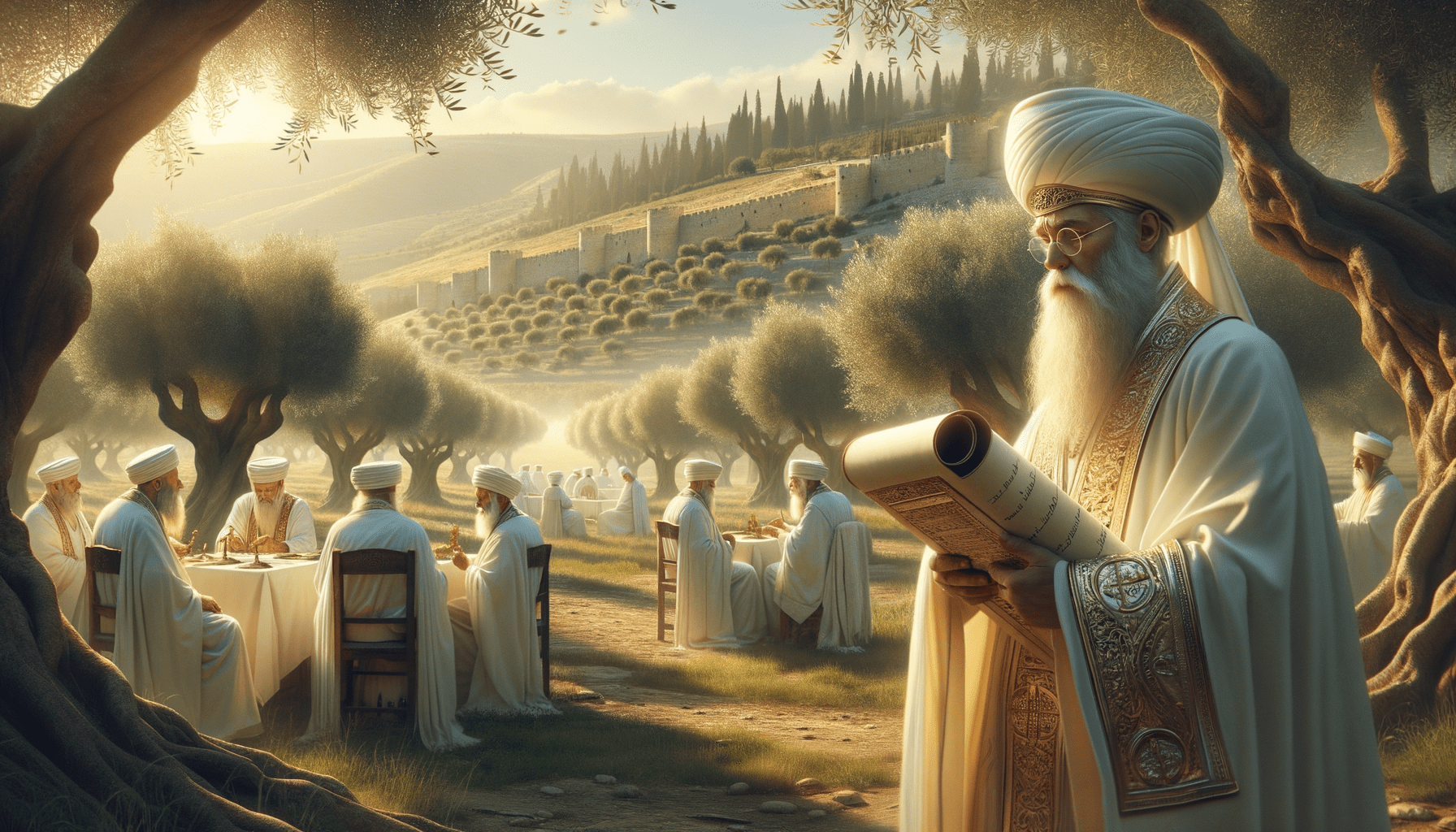
Language is another key aspect of Samaritan identity. While they speak Modern Hebrew and Arabic in daily life, their religious texts are written in Samaritan Hebrew, a unique dialect that preserves many ancient features. The Samaritan script is distinct and visually different from the square Hebrew script used in Jewish texts.
Education within the Samaritan community emphasizes both religious and secular knowledge. Children attend local schools but also receive instruction in Samaritan traditions, language, and history. This dual approach helps ensure that their heritage is preserved while also preparing them for life in modern Israeli society.
Over the years, the Samaritan community has faced challenges, including intermarriage restrictions and genetic health concerns due to their small population. In recent decades, they have allowed marriage with Jewish Israelis under certain conditions, helping to strengthen their numbers and ensure the continuity of their people.
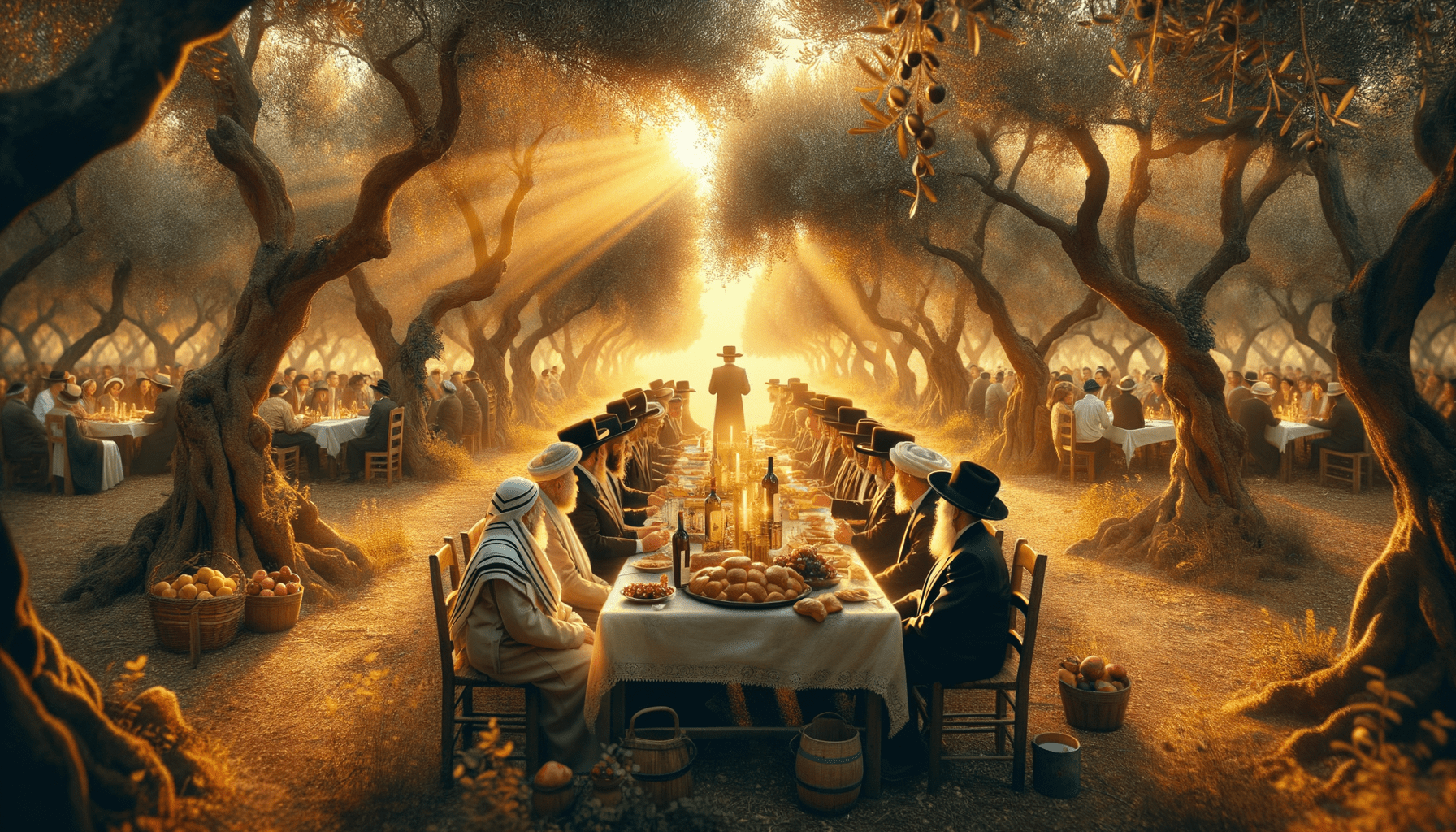
Despite their ancient roots, the Samaritans are very much a part of modern Israel. Many work in various professions, serve in the army, and participate in civic life. Their unique identity is recognized by the Israeli government, and they are often seen as a bridge between different cultures and communities within the country.
The Samaritan calendar differs slightly from the Jewish one, and their holidays are calculated based on their own system. Passover, Shavuot, and Sukkot are the main festivals, and each is marked by ceremonies that reflect their ancient traditions. The Passover sacrifice, in particular, draws visitors and media attention each year.
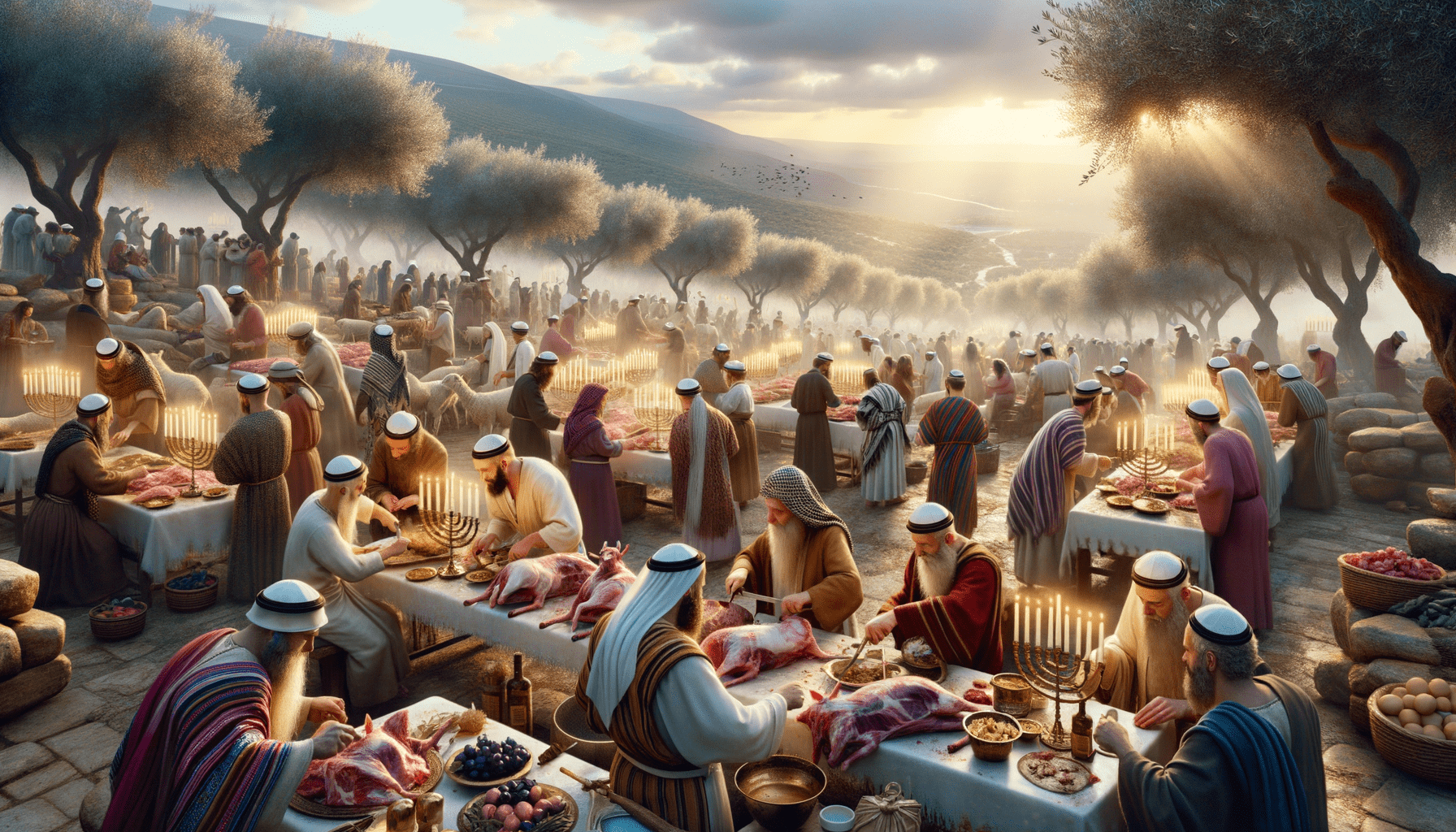
During Passover, Samaritan families gather on Mount Gerizim to perform the ritual sacrifice of lambs, a practice that mirrors the biblical commandment. The event is deeply spiritual and communal, with each family participating in the preparation, cooking, and sharing of the sacrificial meal.
The Samaritans have a rich musical tradition, with ancient hymns and chants passed down orally. These songs are performed during religious ceremonies and are an integral part of their spiritual life. The melodies are haunting and beautiful, offering a glimpse into a world that has remained largely unchanged for millennia.
Art and craftsmanship also play a role in Samaritan culture. Some community members create embroidered garments, religious artifacts, and calligraphy in the Samaritan script. These items are cherished within the community and sometimes shared with visitors as a way to educate and connect.
Visitors to the Samaritan community are often struck by the warmth and hospitality they receive. Guided tours, cultural events, and open celebrations allow outsiders to learn about Samaritan life firsthand. These experiences foster understanding and appreciation for this unique group within Israel’s diverse society.

Preserving their identity in a rapidly changing world is no small feat. The Samaritans have embraced certain aspects of modernity while holding fast to their ancient roots. This balance is evident in their daily lives, where smartphones and sacred scrolls coexist, and where tradition is not a relic but a living guide.
The younger generation plays a crucial role in this preservation. Through education, community involvement, and a strong sense of pride, Samaritan youth are stepping into leadership roles and ensuring that their heritage continues to thrive.
For those of us who love Israel and its rich tapestry of cultures, the Samaritans offer a profound reminder of the land’s deep history and enduring spirit. Their story is not just about survival—it’s about faith, continuity, and the beauty of living tradition.
At Lev Haolam, we cherish the diverse stories that make up the heart of Israel. If you’ve been inspired by the Samaritans’ journey, we invite you to explore our gift boxes—each one a connection to the people, land, and traditions of Israel. Through your support, you help preserve these living legacies.
Understanding the Samaritans Today