
Traditional Yemenite Bread Recipe
6 March 13:34
222
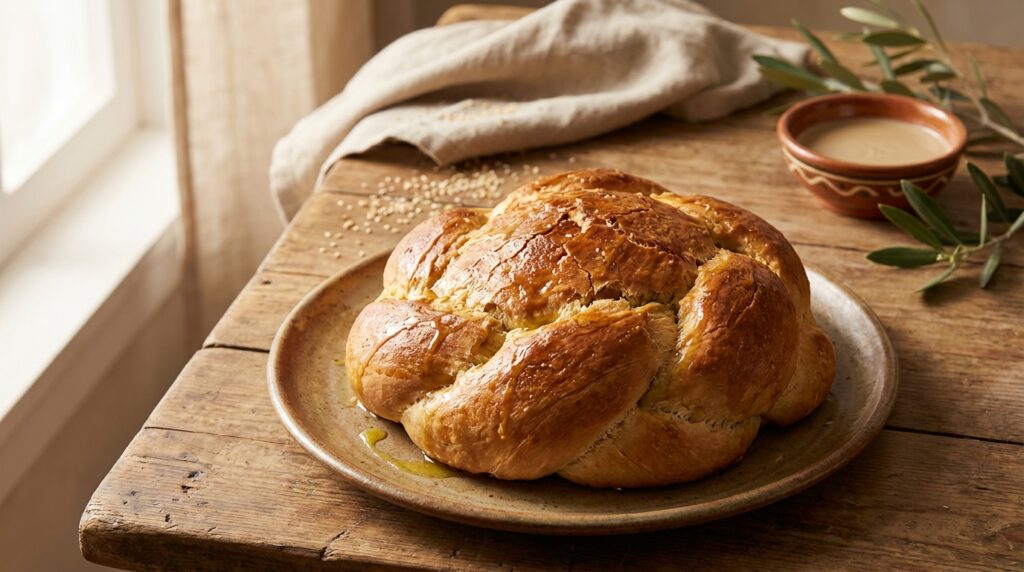

The origins of tahini bread trace back to the bustling markets of Jerusalem, where bakers combined local ingredients to create a bread that was both nourishing and flavorful. The use of tahini, a sesame paste, adds a nutty richness that has made this bread a staple in Israeli households.
In the early days, tahini bread was often baked in communal ovens, where families would gather to share stories and recipes. This tradition fostered a sense of community and connection, as bread became more than just sustenance; it was a symbol of unity and cultural heritage.
Today, tahini bread continues to be a beloved part of Israeli cuisine, enjoyed by people of all ages. Its versatility allows it to be paired with a variety of dishes, from savory spreads to sweet jams, making it a perfect addition to any meal.
The process of making tahini involves carefully roasting sesame seeds to enhance their flavor before grinding them into a smooth paste. This paste is then mixed into the bread dough, infusing it with a distinctive taste that is both nutty and slightly sweet.
Bakers often experiment with different types of flour and additional ingredients, such as nuts or seeds, to create unique variations of tahini bread. These innovations keep the tradition alive while allowing each baker to add their personal touch to the recipe.
As more people discover the joys of baking at home, tahini bread has gained popularity beyond Israel’s borders. Its simple ingredients and straightforward preparation make it an accessible choice for home bakers looking to explore new flavors.
Whether enjoyed fresh from the oven or toasted the next day, tahini bread offers a comforting taste experience. Its soft, airy texture contrasts beautifully with crunchy toppings like nuts or seeds, while its subtle sweetness complements fruity jams and honey.
For those seeking a savory option, tahini bread can be served with hummus, labneh, or olive tapenade. These Mediterranean flavors enhance the bread’s natural nuttiness, creating a harmonious blend of tastes that delight the palate.
The adaptability of tahini bread makes it a versatile addition to any meal, whether as a standalone snack or as part of a larger spread. Its rich history and cultural significance add depth to its delicious flavor, making it a meaningful choice for gatherings and celebrations.