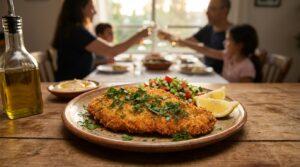
Savor the Classic Israeli Schnitzel Sandwich
6 March 13:37
318
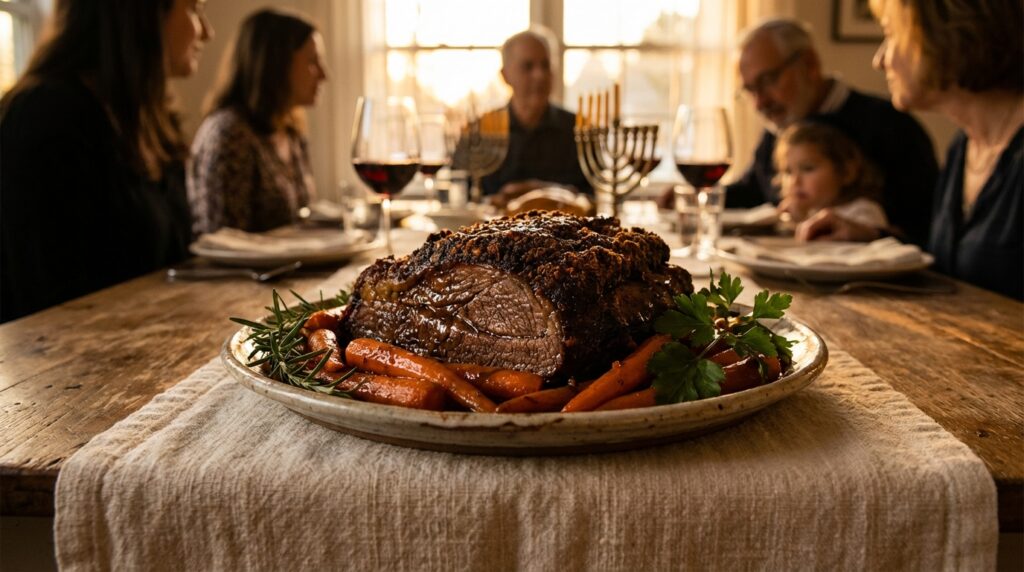

The tradition of preparing meat dishes for Passover dates back to ancient times. Families would gather to celebrate the holiday, sharing meals that symbolized freedom and unity. The meat was often cooked with herbs and spices, creating a rich and flavorful dish that everyone could enjoy.
In Israel, Passover is a time of reflection and celebration. The meat dishes prepared during this holiday are not just about nourishment but also about connecting with heritage. Each family has its own recipe, passed down through the generations, adding a personal touch to the festivities.
The preparation of Passover meat involves careful selection of ingredients, ensuring everything is kosher for the holiday. This attention to detail is part of what makes the dish so special. It’s a labor of love that brings families together, creating lasting memories around the dinner table.
These spice blends are often closely guarded secrets, handed down from one generation to the next. They add a unique flavor to the meat, making each family’s dish distinct. The spices not only enhance the taste but also tell a story of cultural heritage and personal history.
Cooking Passover meat is a communal activity in many households. Family members come together to prepare the dish, each contributing their skills and knowledge. This collaborative effort strengthens family bonds and ensures that traditions are kept alive.
The aroma of Passover meat cooking is a familiar and comforting scent in many homes. It signals the beginning of the holiday and the gathering of loved ones. The dish is often the centerpiece of the meal, surrounded by other traditional foods that complement its rich flavors.
Matzo, a type of unleavened bread, is a staple during Passover, symbolizing the haste with which the Israelites left Egypt. Charoset, a sweet mixture of fruits and nuts, represents the mortar used by the Israelites during their enslavement. Together, these foods create a meal rich in symbolism and history.
The combination of these traditional foods not only satisfies the palate but also serves as a reminder of the past. Each bite is a connection to the story of Passover, a celebration of freedom and resilience. The meal becomes a living history lesson, passed down through generations.
Preparing and sharing Passover meat is a way to honor ancestors and keep their stories alive. It’s a tradition that transcends time, bringing people together in a shared experience of faith, family, and food.