Vibrant Israeli Tabbouleh Salad
4 March 11:51
231
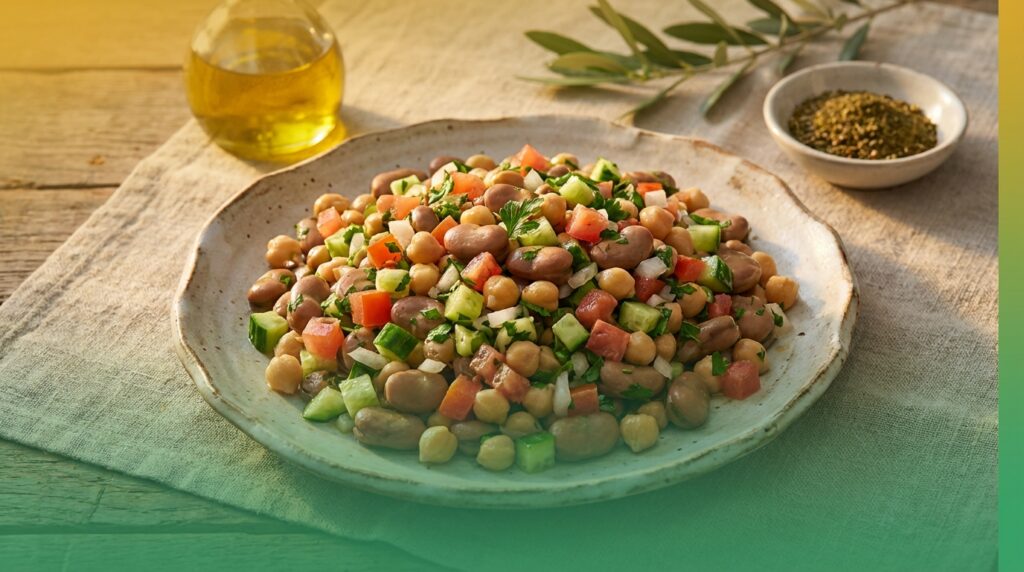

Originating from the Middle East, foul salad has been a beloved dish for generations. The main ingredient, fava beans, has been cultivated in the region for thousands of years, making it a true testament to the area’s rich agricultural history. This salad is not only a culinary delight but also a cultural symbol, representing the fusion of various influences that have shaped Israeli cuisine over the centuries.
The preparation of foul salad is a communal activity in many Israeli households. Families gather to shell fresh fava beans, sharing stories and laughter as they work together. This tradition emphasizes the importance of community and togetherness, values that are deeply ingrained in Israeli culture. The salad itself is often served during family gatherings and celebrations, highlighting its role as a dish that brings people together.
In addition to its cultural significance, foul salad is celebrated for its nutritional benefits. Fava beans are rich in protein, fiber, and essential vitamins, making the salad a healthy choice for any meal. The use of fresh herbs and spices further enhances its health benefits, providing antioxidants and anti-inflammatory properties. This combination of taste and nutrition makes foul salad a popular choice among health-conscious individuals.
The versatility of foul salad is one of its most appealing features. It can be served as a refreshing side dish alongside grilled meats or as a hearty main course when paired with pita bread or rice. This adaptability allows it to fit seamlessly into various meal plans, catering to different dietary preferences and needs. Whether enjoyed at a casual lunch or a festive dinner, foul salad always adds a touch of Israeli flair to the table.
The flavors of foul salad are enhanced by the use of traditional spices such as cumin and coriander. These spices not only add depth to the dish but also reflect the diverse culinary influences that have shaped Israeli cuisine. The careful balance of spices ensures that each bite is a harmonious blend of flavors, capturing the essence of the region’s rich culinary heritage.
Foul salad is a testament to the creativity and resilience of Israeli cooks, who have adapted traditional recipes to suit modern tastes. By incorporating fresh, locally sourced ingredients, they have preserved the authenticity of the dish while ensuring it remains relevant in today’s culinary landscape. This commitment to tradition and innovation is what makes foul salad a timeless favorite.
As Israeli cuisine gains recognition on the global stage, foul salad has become a favorite among food enthusiasts worldwide. Its unique combination of flavors and textures appeals to a broad audience, transcending cultural boundaries. The salad’s growing popularity is a testament to the universal appeal of Israeli culinary traditions, which continue to inspire and delight people across the globe.
The international success of foul salad has also sparked interest in Israeli culture and heritage. As more people discover the dish, they become curious about the stories and traditions behind it, fostering a greater appreciation for the rich tapestry of Israeli life. This cultural exchange enriches both the culinary world and the global community, highlighting the power of food to connect people from different backgrounds.
In conclusion, foul salad is more than just a dish; it is a celebration of Israeli culture, history, and community. Its enduring popularity is a testament to the timeless appeal of simple, wholesome ingredients prepared with care and love. Whether enjoyed in Israel or abroad, foul salad continues to bring joy and nourishment to those who savor its flavors.