
Experience the Warmth of Supra Georgian Cuisine
7 May 10:39
219
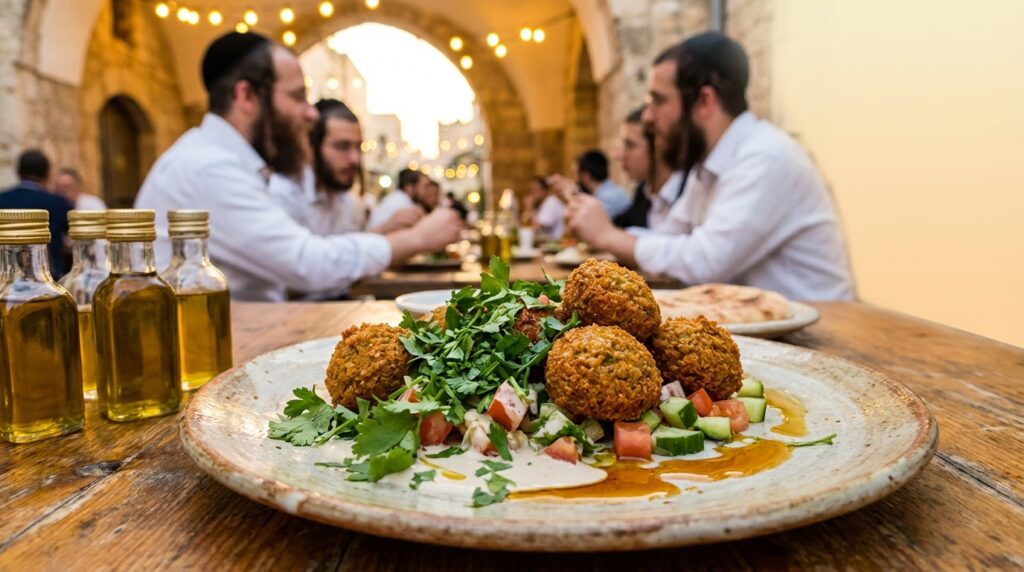

Originating from the Middle East, falafel has become a symbol of Israeli cuisine. Its crispy exterior and flavorful interior make it a favorite among locals and tourists alike. Traditionally made from ground chickpeas, falafel is seasoned with a blend of herbs and spices, creating a unique taste that is both savory and aromatic.
In Israel, falafel is more than just a dish; it’s a cultural experience. Street vendors serve it in pita bread, accompanied by fresh vegetables and a drizzle of tahini sauce. This combination not only satisfies hunger but also offers a glimpse into the rich culinary traditions of the region. Each bite tells a story of heritage and community.
The popularity of falafel has spread beyond the borders of Israel, making it a global sensation. Its versatility allows it to be adapted to various dietary preferences, including vegan and gluten-free options. Despite its widespread appeal, the essence of falafel remains rooted in its traditional preparation methods and ingredients.
Some believe falafel originated in Egypt, while others argue it was first made in the Levant. Regardless of its beginnings, falafel has become an integral part of Israeli identity. It represents the fusion of different cultures and traditions, reflecting the diverse history of the region. This culinary journey continues to evolve, bringing people together through shared flavors and experiences.
The preparation of falafel is an art form, passed down through generations. Each family has its own secret recipe, often guarded closely. The process involves soaking chickpeas, blending them with herbs, and frying them to perfection. This meticulous attention to detail ensures that every falafel ball is a testament to the cook’s skill and dedication.
As you savor each bite of falafel, you’re not just enjoying a meal; you’re participating in a tradition that spans centuries. The simplicity of its ingredients belies the complexity of its flavors, making it a dish that is both humble and profound. Whether enjoyed on the streets of Tel Aviv or in your own home, falafel remains a timeless classic.
During holidays and special occasions, falafel takes center stage in Israeli celebrations. It’s a dish that brings people together, fostering a sense of community and shared joy. The aroma of freshly fried falafel fills the air, inviting everyone to partake in the feast. This communal aspect of falafel is what makes it so cherished.
In recent years, falafel has gained popularity as a healthy alternative to traditional fast food. Its plant-based ingredients make it a nutritious choice for those seeking a balanced diet. Despite its health benefits, falafel never compromises on taste, offering a satisfying and flavorful experience with every bite.
Whether you’re a seasoned falafel enthusiast or trying it for the first time, this dish promises to delight your taste buds. Its rich history and cultural significance add depth to its deliciousness, making it a must-try for anyone interested in Israeli cuisine. Embrace the flavors of falafel and discover why it remains a beloved street food around the world.