
Savor the Unique Flavor of Almond Potatoes
26 April 10:37
267
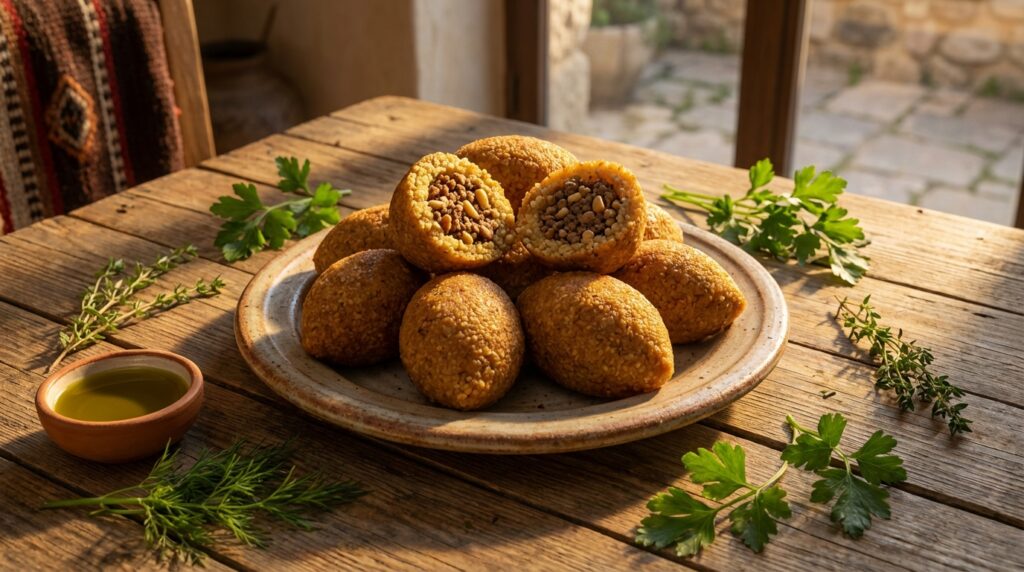

Kubba, also known as kibbeh, has been a staple in Middle Eastern kitchens for centuries. Its origins can be traced back to ancient Mesopotamia, where it was a favored dish among the locals. The dish has evolved over time, with each region adding its own unique twist to the recipe.
In Iraq, kubba is often prepared for special occasions and family gatherings. It is a dish that brings people together, symbolizing unity and celebration. The preparation of kubba is considered an art, with each family passing down their version of the recipe through generations.
The traditional method of making kubba involves a delicate balance of spices and ingredients. The outer shell is typically made from bulgur or rice, while the filling consists of minced meat, onions, and a blend of aromatic spices. This combination creates a harmonious blend of flavors and textures.
As Iraqi immigrants settled in different parts of the world, they brought with them the cherished recipe for kubba. This has led to the dish gaining popularity in various countries, where it is often served in Middle Eastern restaurants and homes alike.
Kubba’s versatility is one of its most appealing features. It can be fried, baked, or cooked in a tangy soup, each method offering a distinct taste experience. This adaptability has allowed kubba to remain a beloved dish across cultures and generations.
In Israel, kubba has found a special place in the hearts of many. It is celebrated for its rich flavors and cultural significance, often featured in culinary festivals and cooking classes. The dish serves as a delicious reminder of the shared heritage between Iraq and Israel.
Preparing kubba is often a communal activity, with family members gathering in the kitchen to share stories and laughter while crafting the perfect kubba. This tradition fosters a sense of community and connection, making the dish even more special.
The process of making kubba requires patience and skill, as each step must be executed with precision. From preparing the dough to shaping the kubba, every detail matters. This meticulous approach ensures that the final product is both beautiful and delicious.
For many, kubba is a taste of home, evoking memories of childhood and family gatherings. It is a dish that transcends borders, bringing people together through its rich flavors and cultural significance. Whether enjoyed at a festive meal or a quiet family dinner, kubba remains a cherished part of Middle Eastern cuisine.