
Refreshing Labneh Tzatziki Delight
19 April 08:59
218
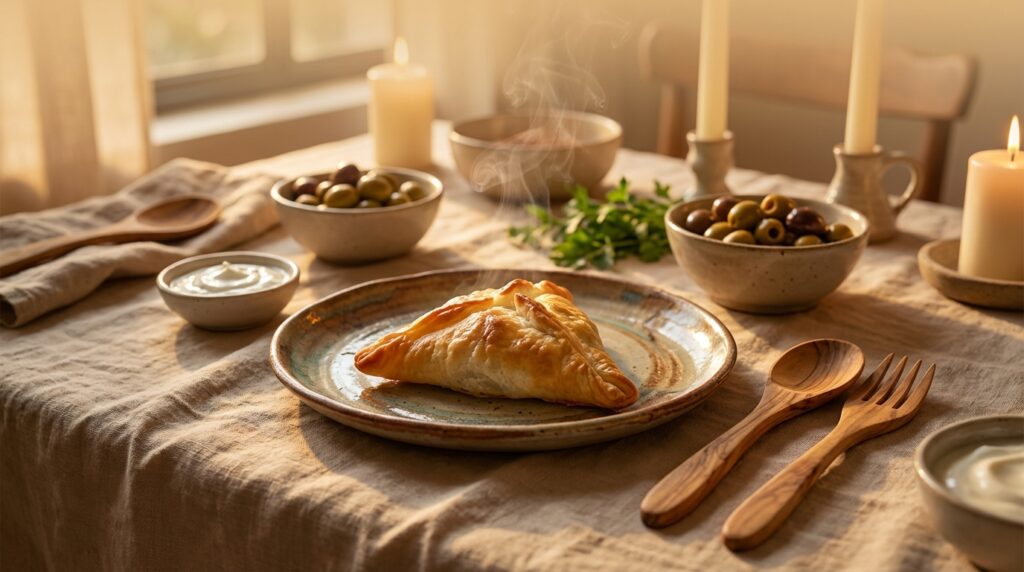

Originating from the Middle East, sambousak has become a beloved staple in Israeli kitchens. Its flaky pastry and savory filling make it a favorite at family gatherings and celebrations. Traditionally, sambousak is filled with spiced chickpeas or meat, reflecting the diverse culinary influences in Israel.
The history of sambousak is intertwined with the cultural tapestry of Israel. As families immigrated from various regions, they brought with them their unique recipes and traditions. Sambousak, with its adaptable filling and comforting taste, quickly became a symbol of home and heritage.
In modern Israel, sambousak is enjoyed by people of all backgrounds. It is often served during festive occasions, where its warm, inviting aroma fills the air. The dish represents not only a culinary delight but also a connection to the past and a celebration of cultural diversity.
The preparation of sambousak is a communal activity, often involving multiple generations. Grandparents, parents, and children gather in the kitchen to roll dough and prepare fillings, sharing stories and laughter. This tradition strengthens family bonds and preserves cultural heritage.
The versatility of sambousak allows for endless creativity. While traditional fillings include chickpeas and meat, modern variations feature cheese, spinach, and even sweet options. This adaptability ensures that sambousak remains relevant and loved by all generations.
Sambousak’s popularity extends beyond Israel’s borders. It has found its way into international kitchens, where it is appreciated for its unique blend of flavors and textures. As people around the world discover sambousak, they also embrace the warmth and hospitality it represents.
The dish’s enduring appeal lies in its simplicity and flavor. The combination of a crispy exterior and a rich, savory filling creates a satisfying experience for the palate. Each bite of sambousak is a reminder of the rich culinary traditions that have shaped Israeli cuisine.
Sambousak is more than just a dish; it is a celebration of community and culture. Whether enjoyed at a family dinner or shared with friends, it brings people together and fosters a sense of belonging. The joy of sambousak is in its ability to create connections and memories.
As you savor sambousak, you partake in a tradition that has been passed down through generations. It is a testament to the resilience and creativity of Israeli cuisine, a dish that continues to evolve while honoring its roots.