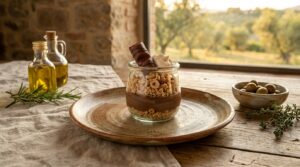
Kinder Nutella: A Sweet Israeli-Inspired Delight
5 April 08:53
282
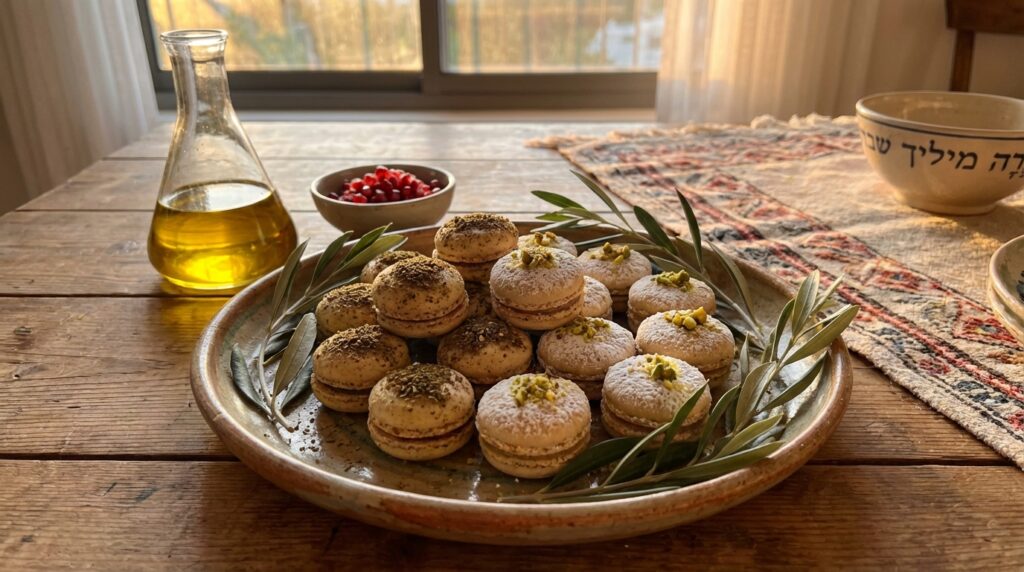

Originating from the Middle East, macaroons have a rich history intertwined with various cultures. Traditionally made with coconut and egg whites, these treats have evolved over time. The vegan version replaces eggs with aquafaba, a liquid from chickpeas, making them accessible to more people.
In Israel, macaroons are often enjoyed during festive occasions. They symbolize joy and celebration, bringing families together. The vegan adaptation aligns with modern dietary preferences while preserving the essence of the original recipe.
The popularity of vegan macaroons has soared as more people embrace plant-based diets. This shift reflects a broader trend towards sustainable and ethical eating habits. By choosing vegan options, individuals contribute to a more compassionate world.
Aquafaba, the liquid from cooked chickpeas, has revolutionized vegan baking. Its ability to mimic egg whites in texture and function makes it ideal for creating light and fluffy macaroons. This innovation has opened new possibilities for those seeking plant-based alternatives.
The use of aquafaba in macaroons not only caters to vegans but also to those with egg allergies. This inclusivity is a testament to the adaptability of traditional recipes. By embracing new ingredients, we honor the past while looking towards the future.
Incorporating aquafaba into macaroons maintains the delicate balance of flavors and textures. The result is a treat that delights the senses and satisfies the soul. Each bite is a reminder of the creativity and resilience inherent in culinary traditions.
Coconut, a staple in many Israeli desserts, brings a unique flavor profile to vegan macaroons. Its natural sweetness and chewy texture complement the lightness of aquafaba, creating a harmonious blend. This combination is both nostalgic and innovative, appealing to diverse palates.
The inclusion of coconut in macaroons is not merely a flavor choice; it is a nod to the cultural significance of this ingredient. In many communities, coconut symbolizes prosperity and abundance, making it a fitting addition to celebratory dishes.
As you enjoy these vegan macaroons, you partake in a culinary journey that spans continents and generations. Each macaroon tells a story of adaptation and creativity, reflecting the dynamic nature of food traditions. This recipe invites you to savor the past while embracing the present.