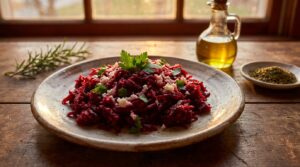
Traditional Latkes: A Taste of Israeli Heritage
10 April 16:43
252
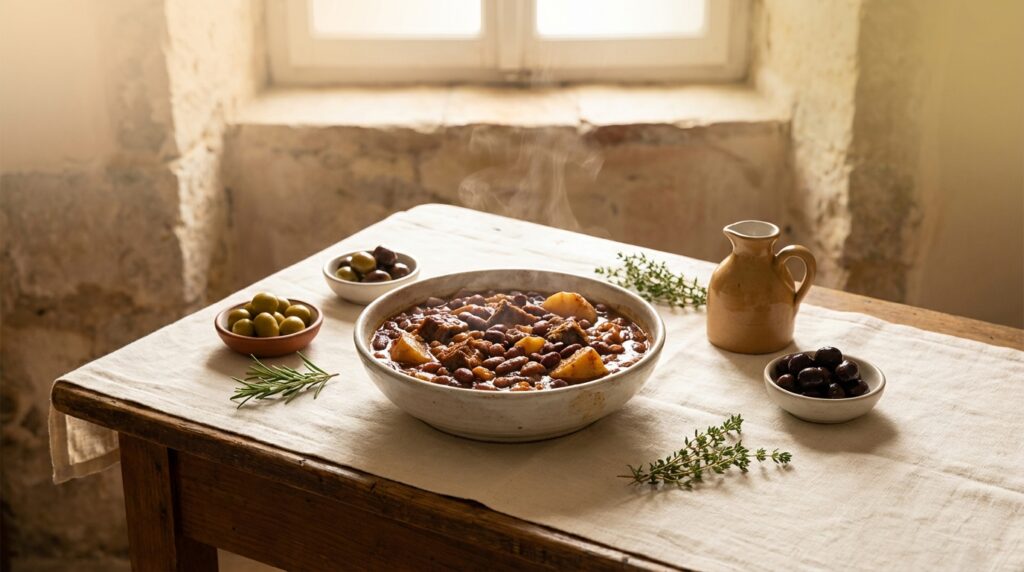

Originating from Jewish communities in the Middle East and North Africa, Chamin has been a staple for generations. Its name derives from the Hebrew word ‘cham,’ meaning hot, reflecting its warm and comforting nature. Traditionally, it was prepared on Fridays before the Sabbath, allowing families to enjoy a hot meal without cooking on the day of rest.
The preparation of Chamin varies across regions, with each community adding its unique touch. In Morocco, it might include chickpeas and spices, while in Eastern Europe, beans and barley are common. Despite these variations, the essence of Chamin remains the same: a hearty, slow-cooked dish that brings families together.
Chamin’s significance extends beyond its ingredients. It represents a connection to heritage and family traditions, often passed down through generations. The aroma of Chamin simmering overnight is a familiar and comforting presence in many Jewish homes, symbolizing warmth, togetherness, and continuity.
In modern times, Chamin continues to be a beloved dish, enjoyed by families worldwide. Its adaptability allows it to fit into contemporary lifestyles, with variations that cater to different dietary needs and preferences. Whether made in a traditional pot or a modern slow cooker, Chamin retains its rich flavors and cultural significance.
The dish’s popularity has grown beyond Jewish communities, embraced by food enthusiasts who appreciate its depth of flavor and historical roots. Chamin’s ability to bring people together around a shared meal makes it a symbol of unity and hospitality, transcending cultural boundaries.
For many, preparing Chamin is an act of love, a way to honor ancestors and keep family traditions alive. The slow cooking process, often shared with loved ones, becomes a ritual that strengthens bonds and creates lasting memories.
The beauty of Chamin lies in its simplicity. Common ingredients like beans, meat, potatoes, and spices transform into a rich and flavorful dish through the magic of slow cooking. This method allows the flavors to meld and deepen, creating a comforting meal that satisfies both body and soul.
Each ingredient in Chamin serves a purpose, contributing to the dish’s overall harmony. The beans provide a hearty base, the meat adds richness, and the potatoes offer a soft, comforting texture. Spices like cumin and paprika enhance the flavors, creating a balanced and aromatic profile.
Chamin’s versatility is one of its greatest strengths. It can be adapted to suit various tastes and dietary restrictions, making it accessible to a wide audience. Whether enjoyed as a traditional Sabbath meal or a comforting winter dish, Chamin’s appeal is universal, resonating with those who value tradition and culinary excellence.