Does Nestlé Support Israel? Facts, BDS Links & How to Help
Nestlé has been the subject of multiple discussions regarding its position on Israel. Many online posts ask whether the company supports Israel or is targeted by boycott campaigns. The short, verifiable answer is mixed: Nestlé is mentioned in some informal online lists but is not named on the BDS Movement’s official boycott list. That nuance matters because social media claims often circulate without a clear, organized BDS campaign behind them.
Nestlé is a multinational food and beverage company with operations around the world; however, public, source-backed details tying Nestlé directly to an official policy on Israel are limited in the sources we rely on here. Media coverage about corporate ties to Israel typically addresses broader trade and political debates rather than documenting specific corporate endorsements. . When specific corporate actions are asserted online, they frequently lack clear primary-source citations in public records.
Insider's Guide to Israel
and can't-miss places most tourists never find.

Activists on social media sometimes claim that Nestlé benefits Israeli institutions or should be boycotted; those allegations spread quickly online but are not equivalent to placement on an organized BDS target list. Nestlé does not appear on the BDS Movement’s official boycott list. Mentions of a Nestlé boycott tend to circulate informally on social platforms rather than as part of an organized BDS campaign. For the movement’s official list of targets, see the BDS Movement’s own page BDS Movement: What to Boycott, and for further context on how the campaign identifies and promotes boycott targets consult the My Jewish Learning primer overview of BDS.
🚫 What Is BDS and Why It Matters
BDS began as a public call in 2005 from a coalition of Palestinian civil society organizations urging boycotts, divestment, and sanctions as a means of pressure; a useful primer on that origin is available at My Jewish Learning What Is BDS?. The BDS National Committee (BNC) was formed later to coordinate advocacy and campaigns associated with that call. The movement promotes economic, cultural, and academic boycotts as distinct tactics, and those approaches are summarized in the same primer. Responses to BDS have included legislation and policy measures in several jurisdictions, which are described in public overviews of anti-BDS laws State Anti-BDS Legislation | Jewish Virtual Library.
Authorities expanded marketing efforts in the EU and U.S., and combined trade missions with cultural outreach to protect exporters.
- 2005 – A public call for boycott, divestment, and sanctions was issued by Palestinian civil society organizations, naming the campaign now known as BDS What Is BDS? | My Jewish Learning
- 2007 – The BDS National Committee (BNC) formed later to coordinate activities associated with the 2005 call What Is BDS? | My Jewish Learning
- 2016 – Several U.S. state and local legislatures moved to adopt measures and policies opposing BDS activity, summarized in reviews of anti-BDS legislation State Anti-BDS Legislation | Jewish Virtual Library
Documented BDS activity is focused on the movement’s 2005 campaign and the coordination role of bodies like the BNC (Boycott National Committee).
Scholarly coverage and media reports, including Reuters and the BBC, track public boycott lists and campaign dates.
Claims that a particular multinational is an official BDS target should be checked against the movement’s public boycott lists and statements on the BNC website.
Independent reporting by AP News and The Guardian often verifies which companies were named.
Critics characterize BDS as singling out Israel; that description appears in public discussion and analysis of the campaign rather than as a definitive list of company actions.
Academic analyses from university publications examine both the movement’s aims and its public perception.
How You Can Support Israel Today
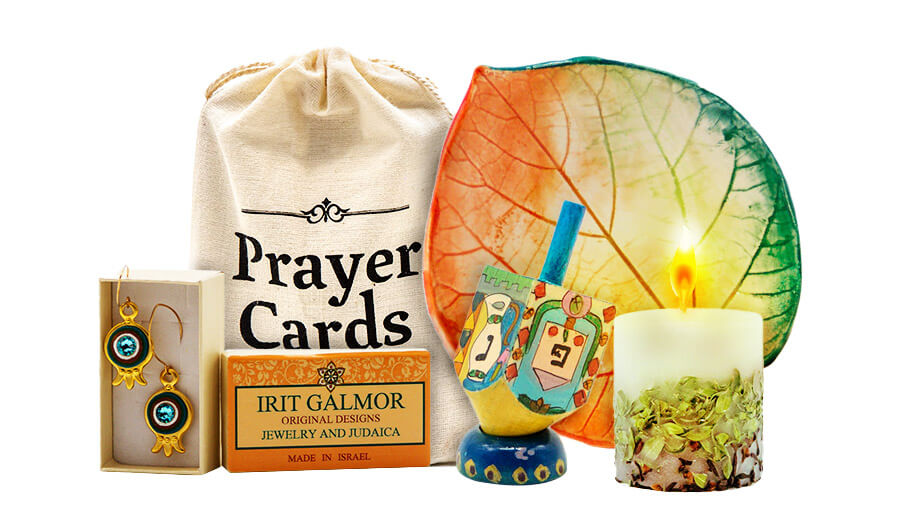
In Israel, and in communities across Judea and Samaria, families run small businesses planting vineyards, harvesting honey, designing jewelry, and crafting soaps.
Many are micro-enterprises operating near Jericho and the Galilee (a region in northern Israel) with seasonal cycles tied to harvest dates.
Many of these small producers face limited access to international markets and higher costs to ship goods abroad.
Shipping rates rose for some exporters after 2016, increasing margins for products like olive oil and halva.
Insider's Guide to Israel
and can't-miss places most tourists never find.
Practical economic support helps keep shops open, maintain seasonal work, and allow artisans to invest in better packaging and online sales.
A 2019 case: a family-run winery used repeat export orders to finance a refrigerated shipping crate and sustain seasonal hires.
But these families face pressure from reduced export opportunities and public campaigns that can cut sales and margins.
Many saw declines after organized boycotts in 2010-2020, which tightened cash flow for vineyard owners in the Golan and honey producers in Beit She’an.
Outside buyers who purchase directly from Israeli small businesses increase order volumes and provide predictable revenue, allowing producers to hire local workers or buy seasonal supplies.
For example, steady orders helped a 2018 boutique soap maker in Safed hire two seasonal workers and invest in shipping.
Concrete purchases and repeat customers make it easier for small producers to plan and grow.
Reliable sales enabled an artisan jeweler in Tel Aviv to upgrade packaging in 2019 and expand into online marketplaces.
Here’s how you can make a real difference: buy authentic Israeli goods, join a Lev Haolam membership, or give a gift box to a friend.
Each action supports named makers in places like Jerusalem and the Galilee and creates predictable orders that help families pay wages.
Subscribe to a Lev Haolam Box
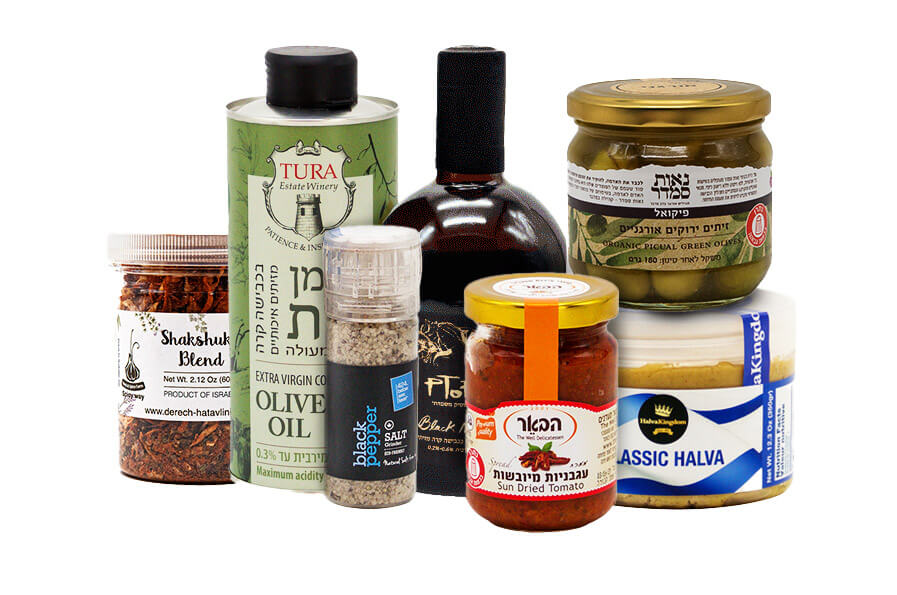
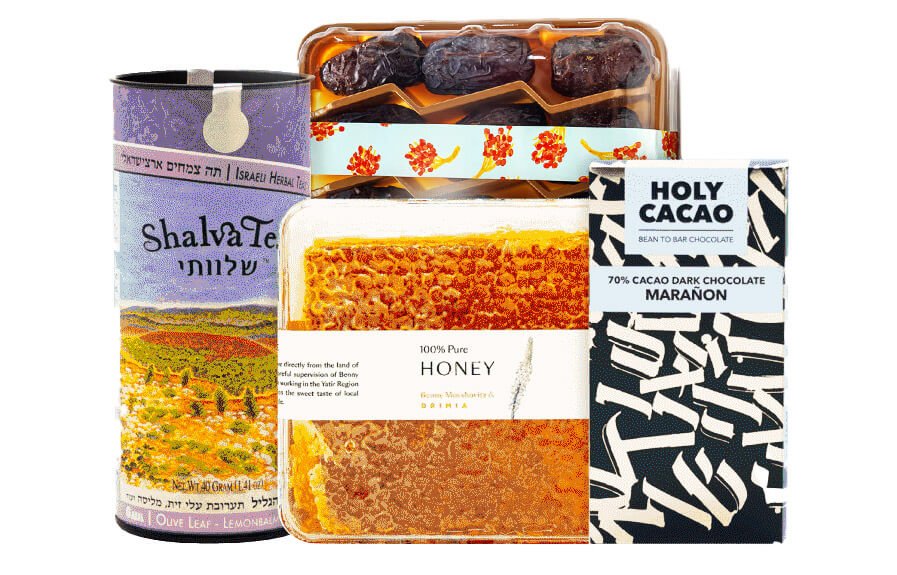
Each monthly box may include a selection of items such as: artisanal honey from the Galilee (date-stamped), handcrafted soap from Jerusalem makers, or spice blends used in Israeli cooking.
Other boxes have included olive oil, halva, or hand-stitched textiles from family workshops.
Your subscription helps families thrive by providing steady orders that pay wages and buy seasonal supplies.
This choice also stands against anti-Semitism by backing Israeli businesses when some boycotts target them.
Through repeat purchases you help build the future of Israel by supporting small producers who can expand and hire.
Craft Israel Boxes
Delicious Food & Spices
Organic Sweets, Perfect Tea & Coffee
Original Jewelry & Judaica
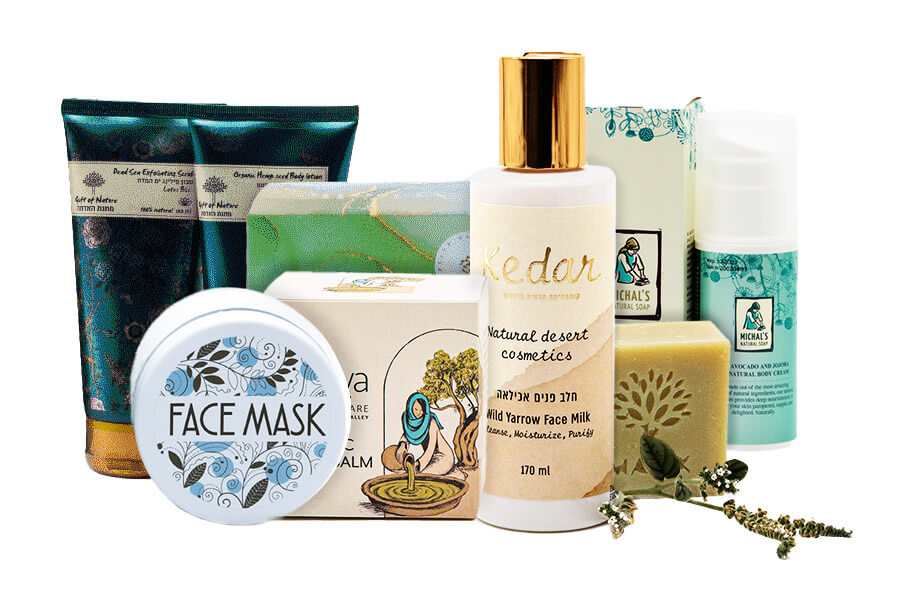
Exclusive Organic Cosmetics

Authentic Ceramics & Housewares
Frequently Asked Questions
About Nestlé
Summary
Nestlé is not named on the BDS Movement’s official boycott list. If you want to support Israeli families and artisans, consider purchases that directly help small producers, such as subscribing to a Lev Haolam box.