
Tel Aviv Area Guide
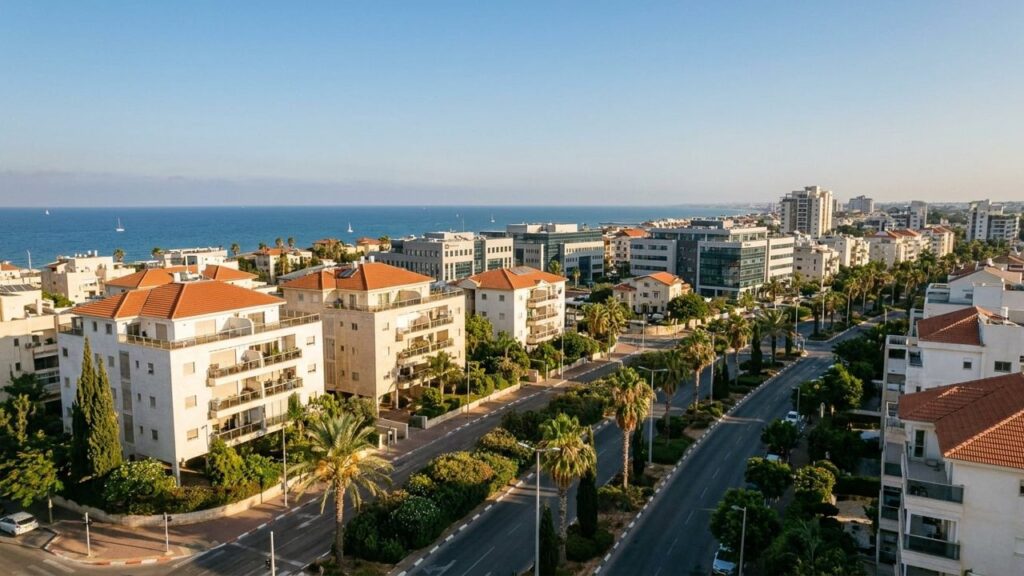

Tel Aviv is a major coastal city on the Mediterranean and an important economic and cultural centre. This guide describes life in Tel Aviv, its history, neighbourhoods, transport links and practical points for relocating or visiting.
Tel Aviv at a Glance
City: Tel Aviv • Country: Israel • District: Tel Aviv District • Population: 494900 • Area: 52 km² • Nearest major city: Jerusalem • Distance: approximately 54 km • Main transport connection: Ayalon Highway (Highway 20) and the parallel Ayalon rail corridor, linked to Israel Railways and the central bus network • Known for: Mediterranean beaches and promenade, nightlife and cultural scene, the White City (Bauhaus/modernist architecture), a major high-tech/startup cluster and cultural institutions • Historic origins: Modern Tel Aviv was founded on 11 April 1909. The municipal area includes the ancient port of Jaffa (Yafo), where archaeological evidence shows long-standing settlement and harbour use.
Insider's Guide to Israel
and can't-miss places most tourists never find.

Where Is Tel Aviv?
Tel Aviv sits on the central Mediterranean coastline and is the core city of the Tel Aviv District. The city has a long shoreline and a popular sea promenade.
Neighbouring municipalities form a continuous metropolitan area and are closely linked by daily travel. Tel Aviv is about 54 km from Jerusalem and is served by major road and rail routes.
History of Tel Aviv
The modern town of Tel Aviv was founded on 11 April 1909 during the late Ottoman period. It expanded during the British Mandate and through the 20th century.
The municipal area incorporates the ancient port of Jaffa (Yafo). Archaeological research shows settlement there from ancient times and prolonged use of the harbour; the site was occupied by a succession of regional powers over many centuries.
Tel Aviv Population
As of 2024 the population of Tel Aviv is 494,900. The city is one of the larger municipal populations in the country and has grown with employment and services.
What Is It Like to Live in Tel Aviv?
Tel Aviv combines coastal life with urban services. Residents can use sandy Mediterranean beaches, a long promenade and a range of cultural venues.
The city has an energetic, metropolitan pace supported by municipal services, shops, healthcare and cultural institutions. Public transport, roads and rail links connect the city with nearby towns and other cities.
Tel Aviv suits people who prioritise access to services, culture and jobs in a compact urban area. There are also parks and river-side green spaces for outdoor recreation.

Areas and Neighbourhoods in Tel Aviv
Tel Aviv includes a variety of neighbourhoods with different characters. Descriptions below focus on general residential character, transport access and the types of households each area typically suits.
Neve Tzedek
Location: Close to the older parts of the urban area.
Character: Quiet residential streets with a strong local identity and independent shops.
Housing: A mix of apartments and older restored buildings.
Transport: Served by buses and within easy reach of central corridors.
Who it suits: People seeking proximity to central amenities and cultural attractions.
Neve Sha’anan
Location: In the southern-central sector of the city.
Character: Primarily residential with practical local services.
Housing: Mixed apartment housing.
Transport: Accessible by local buses and convenient for central transit routes.
Who it suits: Residents prioritising affordability and access to city services.
Florentin
Location: South of the central district.
Character: Mixed-use area with cafes, small businesses and creative activity.
Housing: Mostly apartment dwellings of varying ages.
Transport: Connected by the city’s bus network.
Who it suits: People who value cultural activity and active street life.
Old Jaffa (Yafo)
Location: The historic port area on the coastline.
Character: Historic streets, cultural sites and visitor amenities alongside local residences.
Housing: Older buildings and structures repurposed for cultural or commercial use.
Transport: Served by buses and linked to the promenade and other coastal areas.
Who it suits: Those interested in historic surroundings and proximity to the port.
Ramat Aviv
Location: In the northern sector of the city.
Character: Residential, with parks and family-oriented services.
Housing: Apartment clusters and planned residential precincts.
Transport: Served by buses and within commuting distance of rail stations and highways.
Who it suits: Families and residents seeking established schools and services.
Tel Baruch
Location: Northern coastal stretch.
Character: Residential with access to coastal recreation.
Housing: Mix of apartment housing and residential complexes.
Transport: Connected by bus routes and main roads.
Who it suits: Households wanting quieter coastal proximity while remaining in the city.
Kerem HaTeimanim
Location: Historic neighbourhood within the urban area.
Character: Strong community identity with local shops.
Insider's Guide to Israel
and can't-miss places most tourists never find.
Housing: Apartment housing and older urban buildings.
Transport: Served by city bus services with links to central areas.
Who it suits: People seeking a close-knit neighbourhood with central access.
Rothschild Boulevard / City Center
Location: Central commercial and cultural core.
Character: Busy urban centre with offices, cultural venues and dense street life.
Housing: Apartments above shops and purpose-built residential blocks.
Transport: Well connected by buses and close to major roads and rail stations.
Who it suits: Professionals and residents wanting centrality and easy commuting.
Education in Tel Aviv
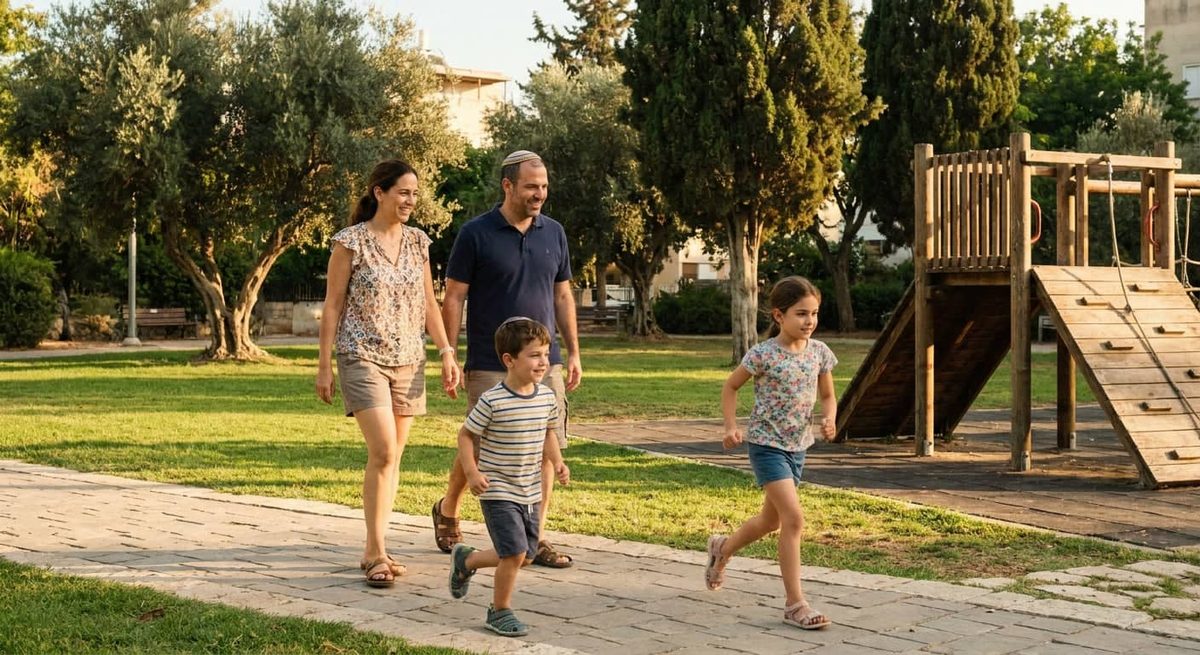
Tel Aviv is home to Tel Aviv University, one of the country’s largest universities, with around 30,000 students according to university figures. The city also has a municipal school system and a range of private and specialised options.
Other higher-education colleges and facilities operate across the metropolitan region. Families and students benefit from libraries, study spaces and student-focused services.
Transport and Connectivity
The Ayalon Highway (Highway 20) runs along the central corridor and is paralleled by the Ayalon rail line. Highway 1 links the city with Ben Gurion Airport and wider road networks.
Multiple Israel Railways stations serve the city, including Tel Aviv Savidor Center (Arlozorov), HaShalom, HaHagana and Tel Aviv University. These offer intercity and suburban services.
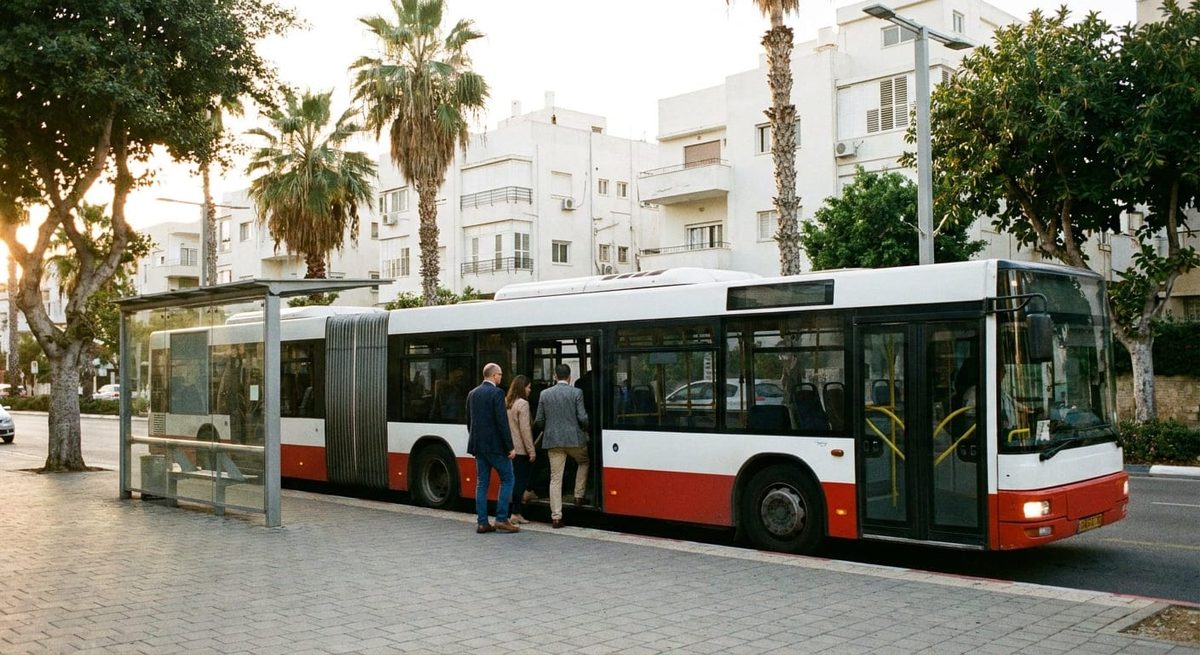
An extensive bus network operates within the city and metropolitan area. Main local operators include Dan, Metropoline and Kavim; Egged provides intercity services. Tel Aviv Central Bus Station serves longer-distance routes.
Ben Gurion Airport is about 15 km from central Tel Aviv. For many central journeys, walking, cycling and public transport are practical, though cars are common for cross-regional travel.
Nature and Outdoor Spaces
Tel Aviv is on the Mediterranean coast and features sandy beaches and a promenade for walking, cycling and leisure. The shoreline is a major public space.
The Yarkon River corridor and Yarkon Park provide large green areas for recreation, sports and family activities. These complement smaller neighbourhood parks and recreational facilities.
Amenities and Things to Do in Tel Aviv
Tel Aviv offers a wide range of cultural and civic amenities. Notable places include Old Jaffa and Jaffa Port, the Tel Aviv Museum of Art and Habima Theatre.
Markets and commercial streets such as Carmel Market (Shuk HaCarmel) and the Azrieli Center area are popular for shopping and food. The Tel Aviv Port and promenade offer dining and leisure by the water.
Healthcare services, sports facilities, parks and beachfront amenities support active and outdoor lifestyles.

Cities and Towns Near Tel Aviv
Tel Aviv is surrounded by neighbouring cities and towns that form part of its metropolitan area and commuter flows. Nearby municipalities include Givatayim, Ramat Gan, Holon, Bat Yam and Herzliya. These are all within short driving distances and are connected by public transport.
Nearby cities and towns: Givatayim — 3.4 km; Ramat Gan — 3.5 km; Holon — 7.2 km; Bat Yam — 7.6 km; Herzliya — 11.3 km.
Advantages of Living in Tel Aviv
Coastal lifestyle and public spaces: Easy access to beaches and the promenade for daily outdoor leisure.
Transport connectivity: Multiple road, rail and bus options, plus relative proximity to Ben Gurion Airport.
Education and culture: Home to a large university and many museums, theatres and cultural venues.
Employment and services: A dense urban economy with a wide range of services and commercial facilities.
Green and recreational areas: Yarkon Park and other green spaces provide nearby outdoor options.
Things to Consider Before Moving to Tel Aviv
Cost of living: The city’s cost of living is higher than many other parts of the country; housing is often pricier than in outlying areas.
Traffic and parking: Urban congestion and limited parking are common during peak times.
Noise and density: Central neighbourhoods can be busy with nightlife and urban activity, which may not suit those seeking a very quiet suburban setting.
Who Is Tel Aviv Best For?
Families
Families benefit from municipal schools, parks like Yarkon Park, and neighbourhoods that provide local services and recreation.
Commuters
Commuters use strong road and rail connections to nearby cities and regular services to regional destinations.
Young Professionals
Young professionals find many employment opportunities, nightlife and cultural venues close to central workplaces.
Students
Students have access to Tel Aviv University, study facilities, public transport links and student-oriented services.
Retirees
Retirees can enjoy coastal living, cultural activities and accessible healthcare, though some may prefer quieter suburbs outside the dense centre.
