Holon Area Guide
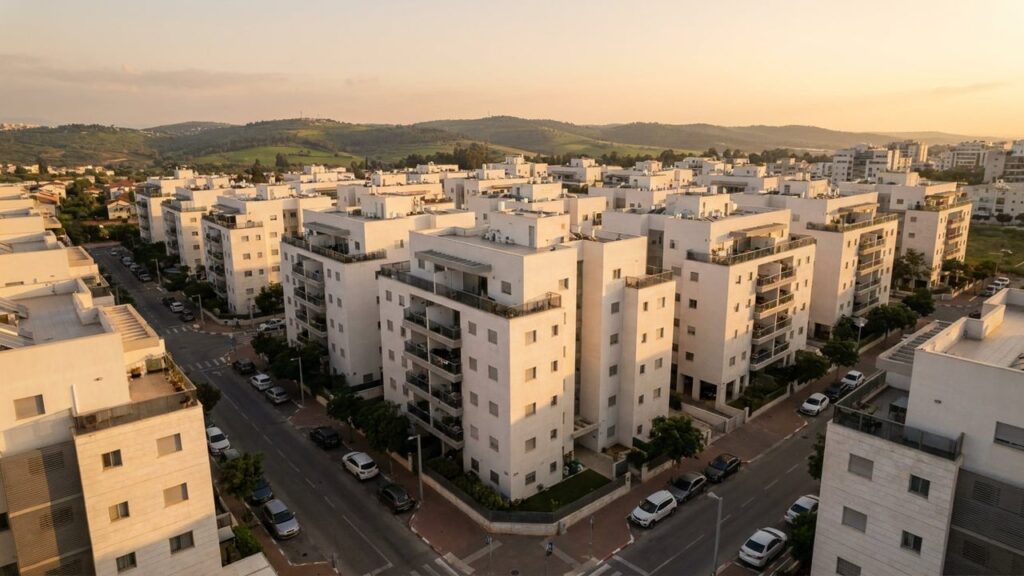

Holon is a city south of Tel Aviv with a mix of family-focused neighbourhoods, cultural institutions and industrial areas. This short guide outlines the city’s history, facilities and transport links to help you decide if Holon might suit your needs.
Holon at a Glance
City: Holon • Country: Israel • District: Tel Aviv • Population: 191829 • Area: 18.927 km² • Nearest major city: Tel Aviv • Distance: 6 km • Main transport connection: Ayalon corridor (Route 20 / Ayalon Freeway) and Israel Railways commuter links (Holon-Wolfson / Holon Junction) • Known for: Branded as a “Children’s City” (family attractions), Design Museum Holon, cultural institutions, a large industrial zone, and a small Samaritan presence in Neve Pinchas (noted in some local sources). • Historic origins: According to archaeological research, the area has evidence of ancient human activity; the place-name also appears in some ancient sources such as the Book of Joshua. The modern town dates from 1936, with the local council formed in 1940.
Insider's Guide to Israel
and can't-miss places most tourists never find.

Where Is Holon?
Holon sits on the coastal plain immediately southeast of central Tel Aviv, within the Tel Aviv District. It is part of the continuous urban area around Tel Aviv and shares borders with neighbouring localities such as Bat Yam, Rishon LeZion and smaller communities including Azor and Ramat Gan.
The city occupies a relatively compact area of roughly 19 square kilometres on coastal sand dunes, making it close to the Mediterranean shore and near the region’s main transport corridors. Tel Aviv is the nearest major city, about 6 kilometres away, reachable by a short drive or rail trip.
History of Holon
Archaeological research at an open-air site in the Holon area has documented early prehistoric human activity; these findings are described in specialist publications. The place-name Holon also appears in some ancient sources such as the Book of Joshua. Over many centuries the area formed part of the coastal plain landscape under Ottoman rule and later the British Mandate.
The modern settlement that became present-day Holon began in the 1930s. The town’s modern foundation is commonly dated to 1936; it was organised as a local council in 1940 and expanded significantly after 1948 with municipal development and industrial growth.
Holon Population
According to municipal estimates, Holon’s population was reported as 191,829 in 2024. The city grew over the twentieth century with housing, industry and public services, and its population size reflects its role within the wider Tel Aviv metropolitan area. Holon is an established urban municipality with a substantial residential base and municipal services.
What Is It Like to Live in Holon?
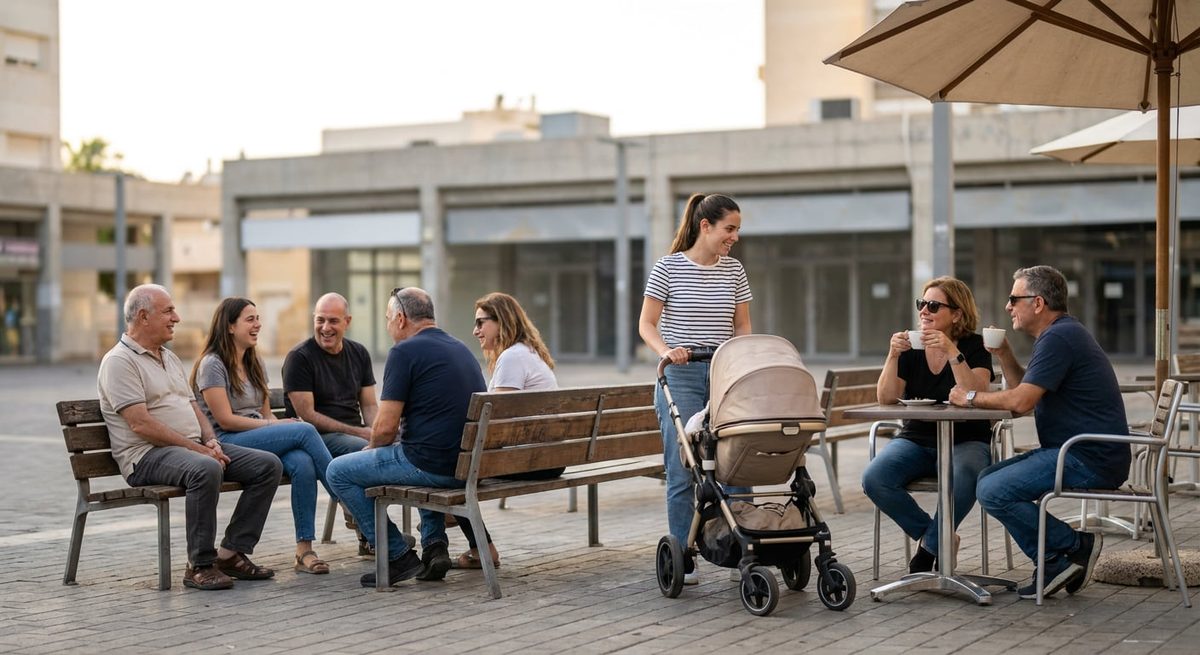
Daily life in Holon generally has a suburban pace compared with central Tel Aviv. Many residents emphasise family life, local services and community facilities. The city combines cultural institutions and family attractions with industrial and employment areas.
Public infrastructure includes municipal schools and preschools, healthcare such as Wolfson Medical Center, and cultural venues including the Design Museum Holon and the Holon Children’s Museum. Transport by road, rail and bus supports commuting across the metropolitan area. The city has parks and urban green spaces used for walking, play and sport, although much of the original dune habitat has been built over. Holon commonly suits households seeking more space than central Tel Aviv while keeping reasonable commuting times to the city centre.
Areas and Neighbourhoods in Holon
Holon contains a number of distinct neighbourhoods with a range of housing types, from older low-rise streets to more recent developments. Public transport and local bus routes link neighbourhoods to main roads and nearby train stations.
Grin (גרין)
Grin is a residential neighbourhood with a mix of housing and local shops. Regular bus routes connect it to central Holon and nearby areas, making it practical for everyday errands and commuting.
Moledet (מולדת)
Moledet consists mainly of residential streets with neighbourhood amenities. Residents typically use municipal schools and nearby transport options for work and leisure.
Agrobank (אגרובנק)
Agrobank is a mixed residential area where established homes sit alongside newer infill projects. Local bus links and road access make travel to central Holon and neighbouring cities straightforward.
Kiryat Avoda (קריית עבודה)
Kiryat Avoda is a built-up quarter served by local schools, parks and municipal services. Its proximity to main roads offers practical travel choices for working residents.
Neve Pinchas (נווה פנחס)
Neve Pinchas is noted in some local sources for a small Samaritan presence. It is a residential part of the city with access to municipal services and transport links.
Kiryat Ben-Gurion (קריית בן-גוריון)
Kiryat Ben-Gurion is a neighbourhood with established housing and community facilities. Bus and road links connect it to Holon’s centre and neighbouring municipalities.
Naeot Shoshanim / Nayot (נאות שושנים)
Naeot Shoshanim (Nayot) is a family-oriented residential area with parks and schools nearby. Transport connections support commuting and local errands.
Kiryat Sharet (קריית שרת)
Kiryat Sharet is a local residential district with municipal amenities and bus services that provide access to Holon and the wider metropolitan area.
Education in Holon
Holon has a municipal network of schools and preschools serving the city’s population and is home to the Holon Institute of Technology (HIT), which offers applied and technological programmes. The city also hosts francophone secondary education institutions, noted in local sources.
For broader degree programmes, residents commonly travel to university campuses in nearby Tel Aviv. According to municipal reports, Bagrut eligibility in the city was reported at around 80% for the 2023–24 school year.
Transport and Connectivity
Holon is connected by rail, road and bus. Israel Railways operates commuter services on the Ashkelon–Herzliya corridor; local stations include Holon-Wolfson and Holon Junction, which provide direct services to Tel Aviv stations. Road access relies on the Ayalon corridor (Route 20), Highway 4 and Route 44 for trips to Tel Aviv and other localities.
Local and intercity bus services run frequently in Holon (operators including Dan and Egged) with routes to Tel Aviv, Bat Yam, Rishon LeZion and other Gush Dan communities. Ben Gurion Airport is roughly 18 kilometres away by road, depending on the route and traffic. Many residents find daily travel without a private car feasible for errands and commuting by bus or rail, although car use remains common for some journeys.
Nature and Outdoor Spaces
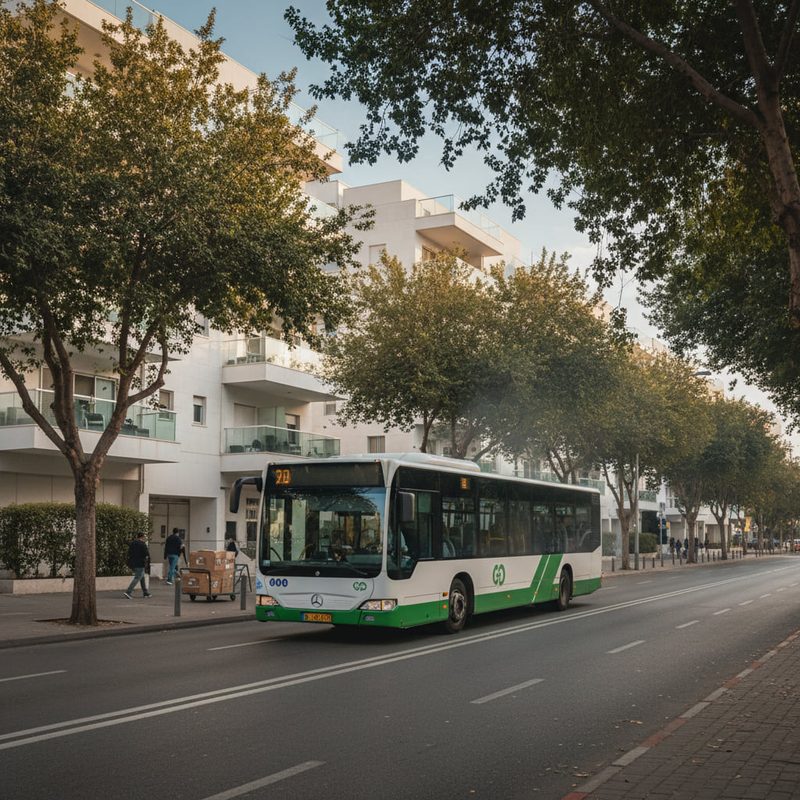
Holon sits on former coastal sand dunes and contains municipal parks and urban green spaces. Peres Park is one of the larger public parks, and several smaller parks and recreation areas are distributed through the city. Remnants of the original dune habitat are limited within the built urban area. Residents use parks and open spaces for walking, playgrounds and weekend outdoor activities close to home.
Insider's Guide to Israel
and can't-miss places most tourists never find.
Amenities and Things to Do in Holon
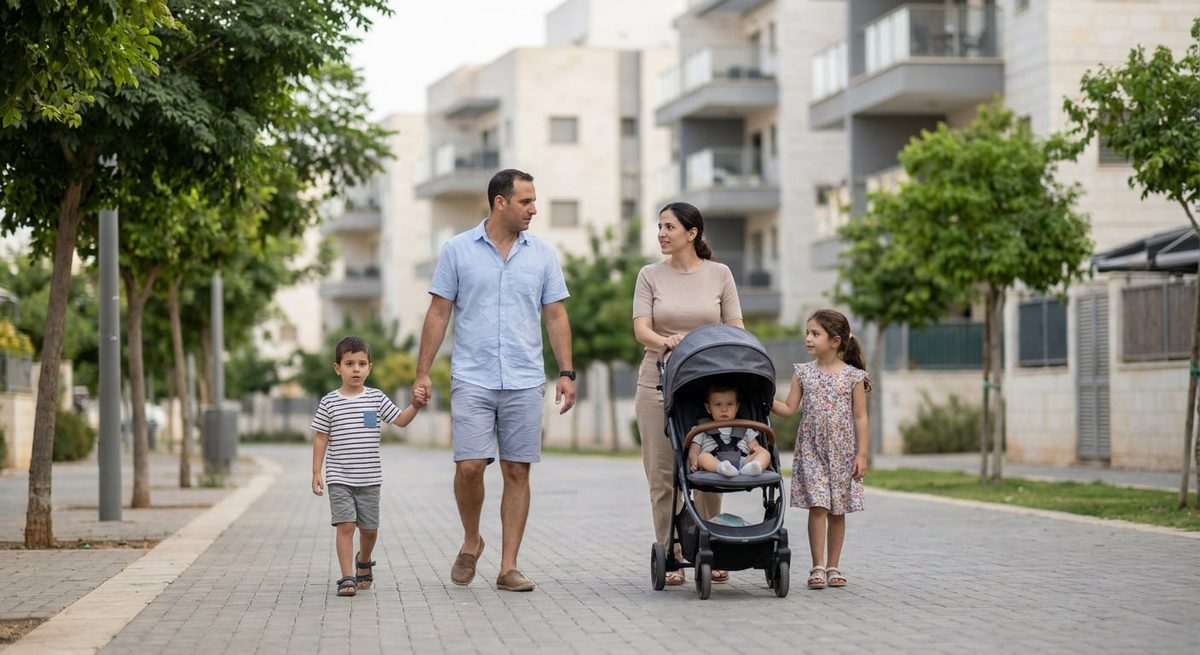
Holon offers a compact set of cultural and family attractions alongside everyday amenities. The Design Museum Holon is a major cultural landmark and the Holon Children’s Museum is a family-focused draw. Other venues include the Israeli Center for Digital Art and the Israeli Museum of Caricature and Comics, while the Médiathèque serves as a public library and youth theatre space.
Daily shopping, restaurants and local markets meet neighbourhood needs; for a wider retail or specialist offer residents often go to nearby Tel Aviv or other cities. Healthcare is anchored by Wolfson Medical Center. An extensive industrial zone also provides local employment and economic activity alongside the city’s residential and cultural areas.
Cities and Towns Near Holon
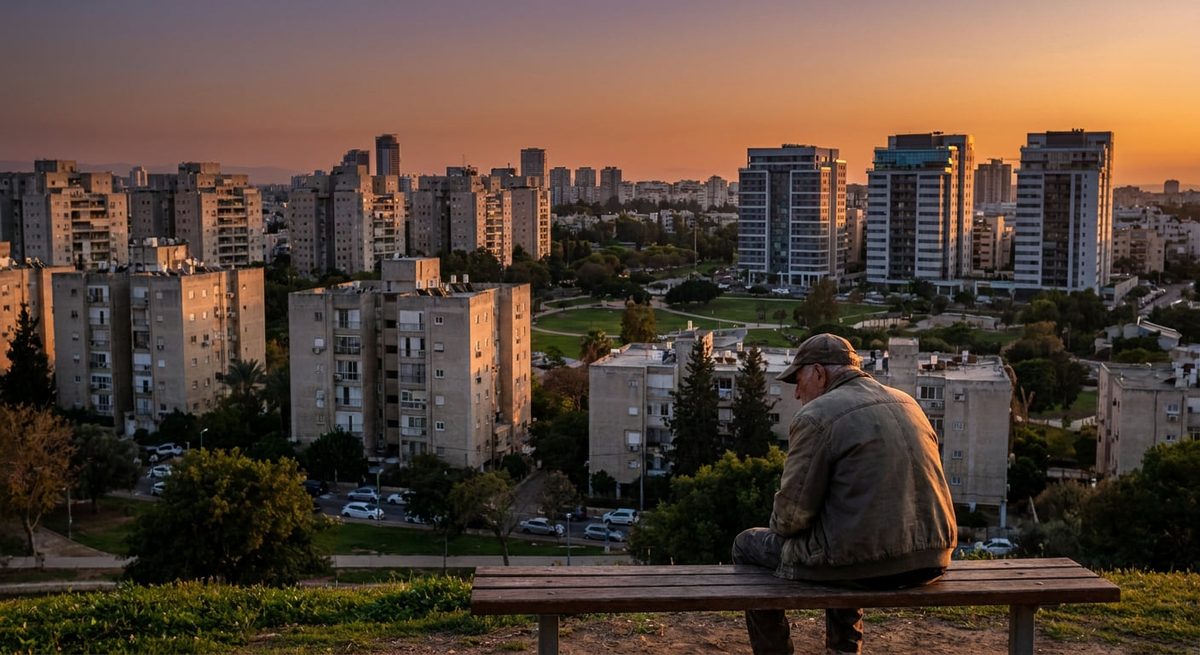
Holon is part of the densely built Tel Aviv metropolitan area, with several nearby cities and towns commonly reached for work, shopping and services. These include Bat Yam, Rishon LeZion, Tel Aviv-Yafo, Azor and Ramat Gan, each typically reachable within a short drive or bus journey, subject to traffic.
Nearby cities and towns: Tel Aviv-Yafo — 6 km, approx. 12 min; Bat Yam — 3 km, approx. 7 min; Rishon LeZion — 6 km, approx. 10 min; Azor — 2.3 km; Ramat Gan — 9 km.
Advantages of Living in Holon
Proximity to Tel Aviv: At about 6 kilometres from central Tel Aviv, Holon offers short commuting times and easy rail or road access.
Family-friendly amenities: The city’s cultural institutions and municipal parks make it practical for families with children.
Education options: A municipal school network and the Holon Institute of Technology provide local schooling options and vocational study choices.
Transport links: The Ayalon corridor, Israel Railways stations and bus services support commuting and regional travel.
Varied housing options: The city contains a mix of older homes and newer developments, giving buyers and renters a range of property types to consider.
Things to Consider Before Moving to Holon
Some specialised services and a wider variety of cultural and leisure options are located in nearby Tel Aviv, so residents often travel outward for niche shopping, major events or certain professional services. Local property inventory varies by neighbourhood and housing type, and prices are influenced by proximity to Tel Aviv and local demand.
Planning ahead and knowing priorities helps when searching for a home in Holon. While many daily needs can be met locally, certain journeys are still easier by car depending on the destination and schedule.
Who Is Holon Best For?
Holon suits a range of residents; common groups who choose the city are listed below.
Families
Families benefit from schools, parks and family-oriented cultural institutions, plus generally more space than central Tel Aviv.
Commuters
Commuters who work in Tel Aviv or elsewhere in the metropolitan region gain from short travel distances, rail services and access to the Ayalon corridor.
Young Professionals
Young professionals seeking access to Tel Aviv’s job market while enjoying lower-density housing may find Holon a practical balance of links and local life.
Students
Students can study at the Holon Institute of Technology and reach additional higher-education options in nearby Tel Aviv, making Holon convenient for vocational and academic study.
Retirees
Retirees seeking a quieter pace with access to healthcare such as Wolfson Medical Center, municipal services and parks may appreciate Holon’s residential environment.