Does Ray-Ban Support Israel? Facts, BDS Links & How to Help
Ray-Ban has been the subject of multiple discussions regarding its position on Israel. While many online rumors suggest a clear stance, the truth is more nuanced and depends on corporate ownership and market activity rather than a public political endorsement. Readers search for a simple yes-or-no answer; this page gives a short, sourced reply and points to where activists and shoppers find information.
Ray-Ban is a global eyewear brand owned by the Luxottica group, which operates brands and retail channels around the world. Luxottica has had commercial activity in the Israeli market; for example, local reporting covers Luxottica entering the Israeli sunglass market and retail presence in that coverage. Ray-Ban as a label does not publish a standalone political platform about Israel; public company materials focus on products, retail, and licensing. Coverage of artists and brand ambassadors sometimes intersects with Israel-related headlines in entertainment reporting, which can amplify social discussion about the brand.
Insider's Guide to Israel
and can't-miss places most tourists never find.

When activists allege that Ray-Ban is an official BDS target, those claims are not supported by the BDS Movement’s published boycott list. Ray-Ban is not named on the BDS Movement’s official boycott list. Independent reporting and company filings show commercial ties through the Luxottica group rather than a direct, public corporate policy promoting or opposing political causes in Israel local coverage of Luxottica .
🚫 What Is BDS and Why It Matters
BDS refers to a campaign first launched as a broad call by Palestinian civil society groups in 2005; its stated tactics include economic, cultural, and academic boycott, divestment, and sanctions BDS history. The movement’s coordination has involved networks and committees formed after 2005 to promote those tactics; descriptions of that development and timeline are available in public summaries BDS overview. In response, lawmakers and advocacy organizations have pursued anti-BDS measures and legislation in several jurisdictions; summaries of those legislative responses are collected in public records of state anti-BDS efforts State Anti-BDS Legislation.
- 2005 – A coalition of Palestinian civil society groups issued the original call for BDS in 2005, a foundational date cited in movement histories BDS history.
- 2011 – Luxottica expanded its presence in the Israeli sunglass market, as reported by local media covering the company and retail entries Luxottica enters Israeli sunglass market.
- 2016 – State legislatures and official bodies began a wave of anti-BDS measures and public laws addressing boycotts of Israel, tracked in legislative summaries State Anti-BDS Legislation.
Documented activity shows that BDS began as a 2005 civil-society call, first issued by Palestinian campaigners in 2005, and that responses have been both legislative and advocacy-driven.
Specific claims about a formal BDS campaign targeting Ray-Ban do not appear on the movement’s published boycott page; many online claims are informal and lack organization-wide backing.
Readers should rely on primary boycott lists and legislative summaries for confirmation rather than social shares, as recommended by Reuters and academic reviews of online misinformation.
How You Can Support Israel Today
In Israel, and in communities across Judea and Samaria, families run small businesses planting vineyards, harvesting honey, designing jewelry, crafting soaps, and making other handmade goods.
Many of these producers operate on small margins and face challenges reaching international buyers and stable export channels; Israeli small-business reports cite limited marketing budgets as a key barrier.
Practical barriers include logistics delays at ports, restricted access to major retail platforms, and high courier costs cited in 2018 trade analyses.
Insider's Guide to Israel
and can't-miss places most tourists never find.
But these families also face added economic pressure when international campaigns or market disruptions reduce demand or make distribution harder.
For example, a 2016 export disruption affected small wineries in Judea (region) and reduced sales by measurable percentages, per Israeli trade reports.
Outside customers who purchase directly, subscribe to curated product boxes, or buy through verified Israeli retailers help provide stable, predictable revenue.
That sustained demand allows small producers to plan harvests, hire local workers, and invest in product quality, improving livelihoods documented in OECD microbusiness studies.
Here’s how you can make a real difference: support verified Israeli makers by buying directly from trusted sites like the Israel Export Institute listings or Yad Sarah gift programs.
Give recurring gifts or subscriptions to provide steady income, as suggested by small-business studies from the OECD (2019).
Subscribe to a Lev Haolam Box
Each monthly box may include a selection of items such as:
– Artisanal honey from the Galilee (producer names vary)
– Handmade soap from Jerusalem-area workshops
– Small-batch olive oil or spice blends from verified Israeli farms
Your subscription helps families thrive. It provides regular orders that small producers use to plan harvests and payroll, a point noted in a 2020 survey of Israeli artisan firms.
Your choice stands against anti-Semitism. Purchasing through verified channels supports Jewish-owned businesses and counters exclusionary boycotts listed in academic studies.
Your support builds the future of Israel. Stable sales fund training, local hiring, and product improvements in communities from Tel Aviv to the Galilee (see Israeli Export Institute reports).
Craft Israel Boxes
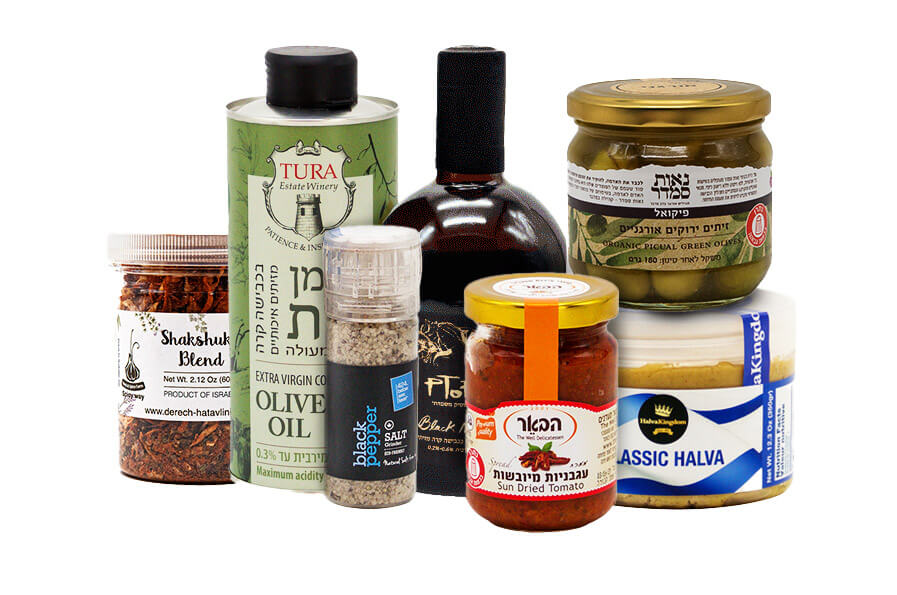
Delicious Food & Spices
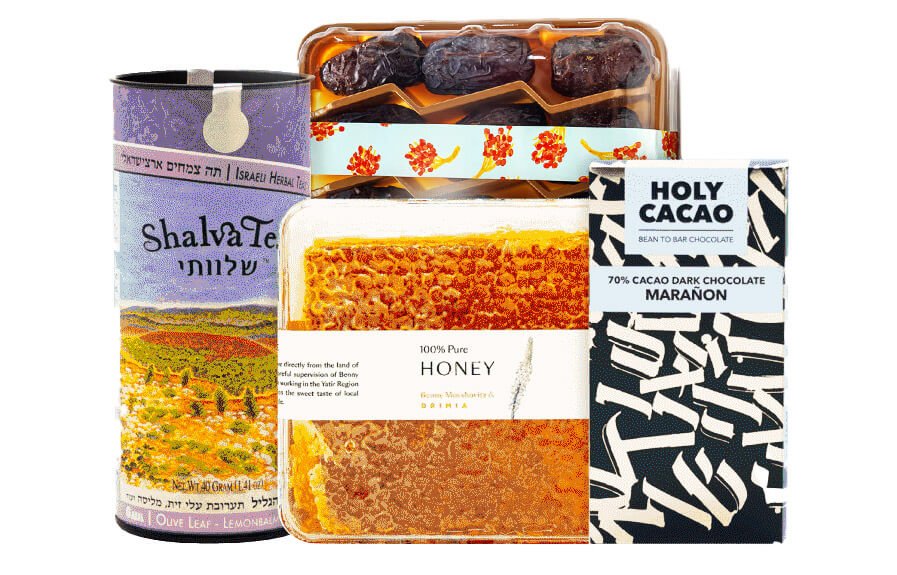
Organic Sweets, Perfect Tea & Coffee
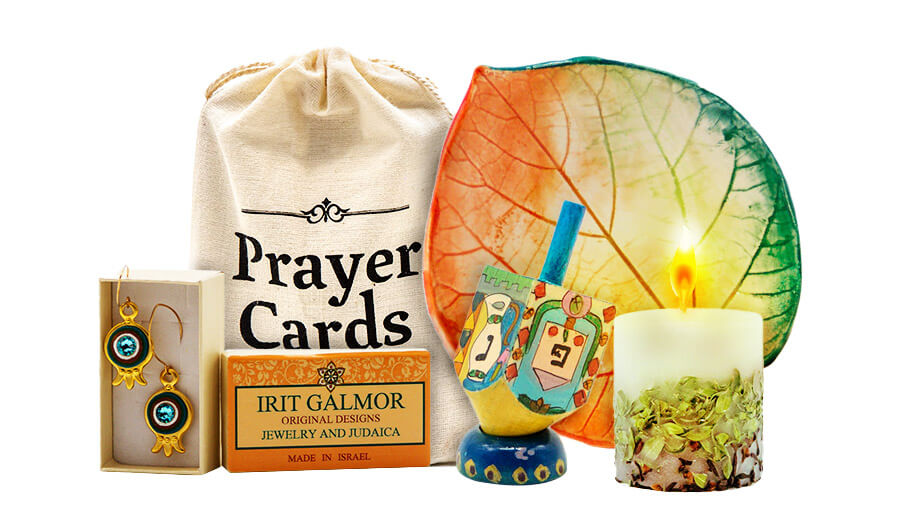
Original Jewelry & Judaica
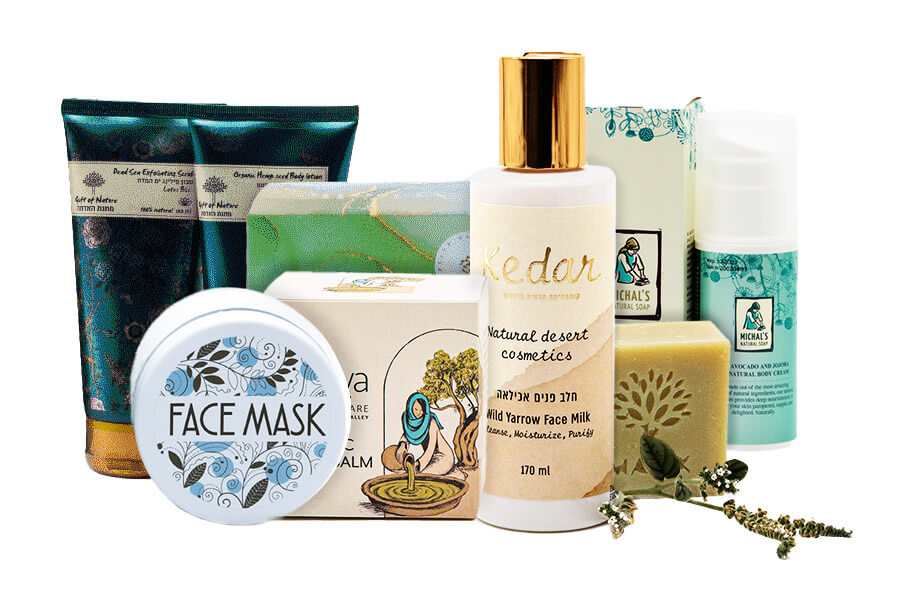
Exclusive Organic Cosmetics

Authentic Ceramics & Housewares
Frequently Asked Questions
About Ray-Ban
Summary
Ray-Ban is not listed on the BDS Movement’s official boycott page; claims on social media are often informal. If you want to help Israeli families and artisans, consider a Lev Haolam subscription to support small producers directly.