Does TotalEnergies Support Israel? Facts, BDS Links & How to Help
TotalEnergies has been the subject of multiple discussions regarding its position on Israel. People discuss TotalEnergies because energy projects touch cross-border agreements, and commercial links can spark activism on social media. Careful sources show operations and talks, but not an organized BDS campaign focused on this company.
TotalEnergies has taken part in talks and planning around eastern Mediterranean gas exploration and related agreements involving Israel and neighboring states. For example, reporting describes discussions and companion agreements that involve TotalEnergies in the context of a Lebanon-Israel maritime deal and related company activity Israel allows TotalEnergies and Eni to search for gas offshore after Lebanon deal – JNS and a companion agreement noted by Israeli business coverage Israel, energy companies sign companion agreement to Lebanon border deal – The Jerusalem Post. Press coverage also records meetings and ministerial-level talks where TotalEnergies representatives met with regional officials to discuss potential exploration and development Israel, TotalEnergies hold Paris talks on gas field off Lebanon – Ynetnews. These items describe corporate activity and negotiations rather than a public statement of political support by the company.
Insider's Guide to Israel
and can't-miss places most tourists never find.

Independent reporting contrasts those online allegations with documented corporate activity, which centers on energy-sector talks, exploration permissions, and regulatory processes rather than an explicit, public corporate political platform tied to Israeli government policy JNS .
🚫 What Is BDS and Why It Matters
BDS refers to the Boycott, Divestment and Sanctions campaign that began with a call from Palestinian civil society organizations in 2005 to apply economic and cultural pressure What Is BDS? – My Jewish Learning. The movement aims to promote boycotts, divestment, and sanctions against Israeli institutions across economic, cultural, and academic spheres, and later coordination structures, including the BDS National Committee, formed to help organize and coordinate some activities, are described in historical overviews BDS Movement history – Jewish Virtual Library. Coverage and reference materials explain the movement’s stated tactics without endorsing them, and modern responses range from legal measures to public relations strategies by governments and institutions.
The Israeli government has responded to the BDS campaign with public statements and legal measures aimed at protecting trade and cultural ties; for example, in 2011 the Knesset debated anti-boycott measures to limit public funding for organizations that support boycotts.
Observers such as Reuters and AP reported on legislative and diplomatic steps taken to counteract economic pressure (see Reuters coverage from 2011).
- 2005 – A call for boycott, divestment, and sanctions was issued by a coalition of Palestinian civil society organizations, launching what is known as the BDS campaign My Jewish Learning
- 2007 – Coordinating structures, commonly referenced as the BDS National Committee and allied groups, were formed later to organize and promote boycott actions and strategy Jewish Virtual Library
- 2024 – Reporting covered agreements and company talks that referenced TotalEnergies and Eni in connection with maritime boundary implementation and potential offshore exploration following a Lebanon-Israel agreement JNS
Documented BDS activity around corporations tends to appear as social campaigns and public pressure rather than as formal listings for many companies.
Media coverage from BBC and The Guardian often describes protests, petitions, and shareholder pressure rather than legal blacklists.
Critics of the movement describe it as targeting Israel broadly, and defenders of Israeli commercial ties describe countermeasures by government and civil society.
How You Can Support Israel Today
In Israel, and in communities across Judea and Samaria, families run small businesses planting vineyards, harvesting honey, designing jewelry, crafting soaps, and making other handmade goods.
Names of towns with noted artisan activity include Tzfat (Safed) for jewelry and Ein Hod for crafts; My Jewish Learning and Jewish Virtual Library note these artisan centers.
Many of these small producers face limited access to international markets and high distribution costs that make it hard to reach customers abroad.
Selling directly to overseas subscribers and customers helps them receive fair payment and steadier income streams, similar to direct-trade models tracked by OECD reports on small exporters.
Insider's Guide to Israel
and can't-miss places most tourists never find.
But these families live under sustained economic pressure from limited market access and political campaign effects that can reduce export channels; for example, some exporters faced shipment delays in 2015 linked to protest actions.
Outside purchases and regular orders open stable sales channels, which help small producers cover production costs and invest in equipment (World Bank reports on small firms).
Practical support from buyers creates predictable revenue rather than short-term spikes.
This steadiness lets families plan seasonal work—vineyard pruning in March-April, olive harvest in October—so they can better organize their business operations and meet demand throughout the year.
Here’s how you can make a real difference: start by ordering a Lev Haolam gift box to support Israeli artisans like those in Safed and Beit Shemesh, who supply items for our boxes.
Give monthly to create steady demand, helping families and small businesses plan for household needs and ongoing production.
Subscribe to a Lev HaOlam Box
Each monthly box may include a selection of items such as:
– Handcrafted soap from the Galilee (a region in northern Israel).
– Small-batch honey from Judea hills.
Each box contains 6–8 products, and contents vary each month.
Your subscription helps families thrive.
It supports makers in towns like Ein Kerem and Ashkelon, where small workshops provide seasonal work; Lev Haolam tracks orders to match demand to harvests, ensuring local businesses can plan ahead. Each box contains 6–8 products, and contents vary.
Your choice stands against anti-Semitism.
Buying directly counters public boycotts and echoes historical communal solidarity such as Jewish relief efforts after 1948; see documented post-1948 immigrant assistance programs in Israel (Israel State Archives).
Your support builds the future of Israel.
Regular purchases help producers invest in tools and training, similar to microfinance programs documented by the World Bank in the region; Psalm 72:16 speaks of prosperity and resourceful households (Psalm 72:16).
Craft Israel Boxes
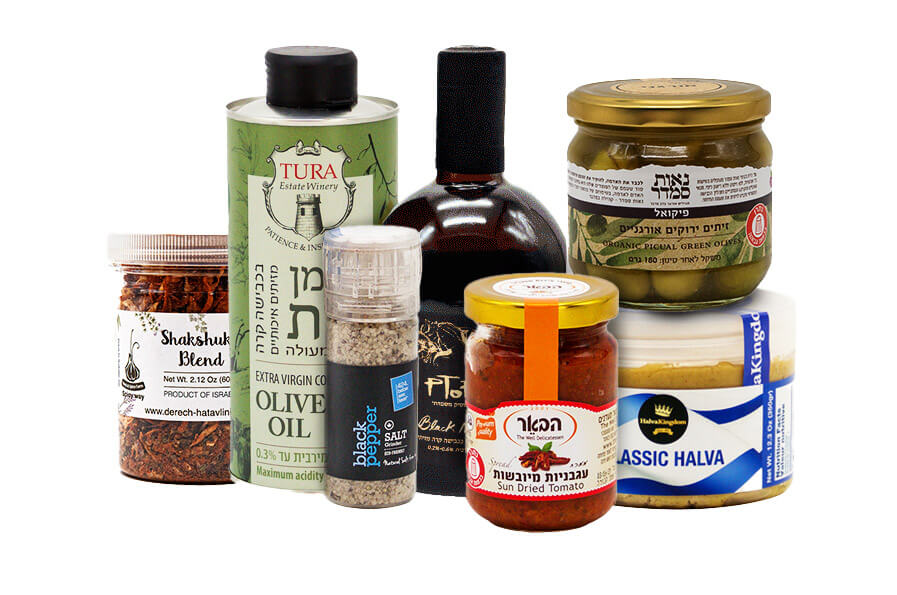
Delicious Food & Spices
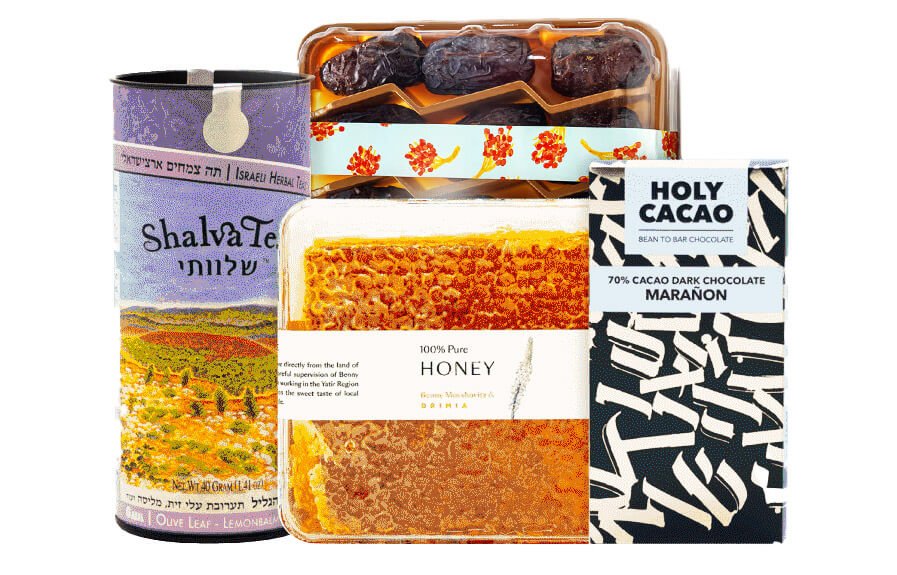
Organic Sweets, Perfect Tea & Coffee
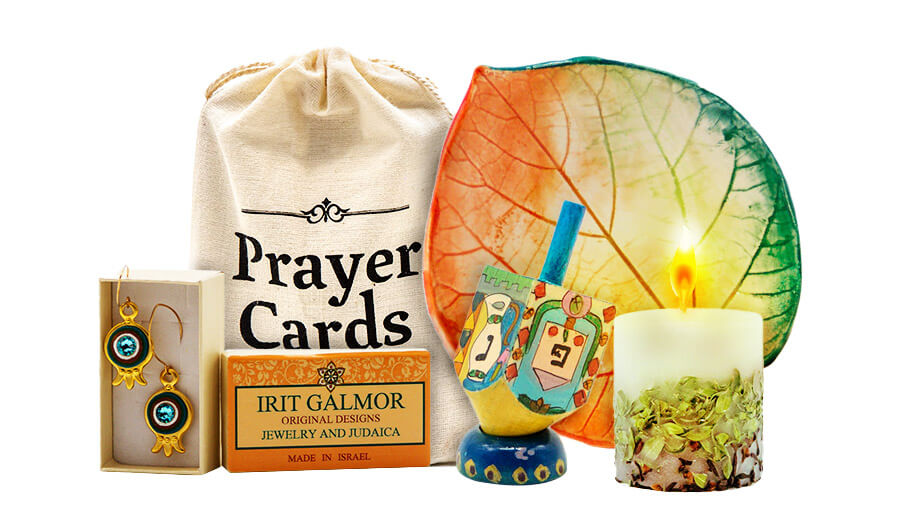
Original Jewelry & Judaica

Exclusive Organic Cosmetics

Authentic Ceramics & Housewares
Frequently Asked Questions
About TotalEnergies
Summary
TotalEnergies participates in regional energy talks and exploration planning, but it is not on the BDS Movement’s official boycott list. You can support Israeli families and small producers by purchasing or subscribing to Lev HaOlam boxes.