
Beit Shemesh Area Guide
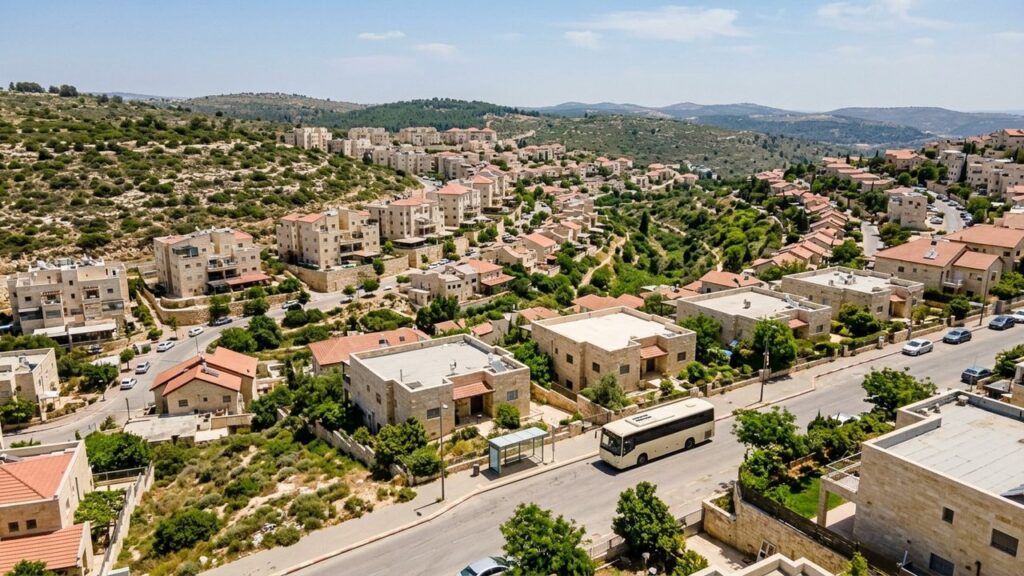

Beit Shemesh is a growing city with deep archaeological roots and a varied character. It lies within easy reach of Jerusalem and combines suburban living, expanding residential neighbourhoods and regional transport links.
Beit Shemesh at a Glance
City: Beit Shemesh • Country: Israel • District: Jerusalem • Population: Consult the Israeli Central Bureau of Statistics for the latest official municipal population figure. • Area: 34.259 km² • Nearest major city: Jerusalem • Distance: 30 km • Main transport connection: Route 38 regional road links and Israel Railways (Herzliya-Lod-Jerusalem line via Beit Shemesh station) • Known for: Tel Beit Shemesh archaeological site; a large and growing Haredi population; the Ramat Beit Shemesh residential expansions; a suburban link between Jerusalem and the Tel Aviv area • Historic origins: Tel Beit Shemesh (Tell/Ain Shams) with Bronze Age Canaanite settlement layers and an Iron Age/Biblical-era fortified Judahite city. First Temple period ostraca and archaeological finds document long-term ancient occupation and administration.
Insider's Guide to Israel
and can't-miss places most tourists never find.

Where Is Beit Shemesh?
Beit Shemesh sits in the Jerusalem District, between the Judean Hills to the east and the Shephelah lowlands to the west. The location places it roughly between the central urban belt and the hill country around Jerusalem.
Neighbouring towns include Modi‘in-Maccabim-Re’ut to the northwest and a number of smaller communities nearby. Jerusalem is the nearest major city, about 30 kilometres away by road. The city functions as a suburban hub on regional routes connecting Jerusalem with the coastal plain and Tel Aviv.
The town occupies a transitional landscape of hills and valleys with nearby wadis and agricultural land. Local roads and the rail link follow natural corridors and connect Beit Shemesh into the wider region.
History of Beit Shemesh
The site has a long archaeological record. Tel Beit Shemesh preserves evidence of a Bronze Age Canaanite settlement and an Iron Age (Biblical) fortified Judahite city; finds such as First Temple period ostraca record ancient occupation and administrative activity.
Over centuries the area was part of successive regional periods, including Persian/Hellenistic, Roman/Byzantine and Ottoman eras, and it was within the British Mandate landscape before the state era.
The modern town developed in the early 1950s, initially accommodating new immigrants. It grew steadily into an urban centre and was declared a city on 25 June 1991. Since then it has seen substantial residential expansion, especially around the Ramat Beit Shemesh neighbourhoods.
Beit Shemesh Population
The municipal population has grown substantially since the mid-20th century; consult the Israeli Central Bureau of Statistics for the latest official population figure. The city expanded from a small settlement in the 1950s to a larger urban municipality today.
Population increase in recent decades has been driven by new residential construction and demographic factors. The city hosts a mixture of communities, including a significant Haredi population, which has contributed to expansion in several neighbourhoods. In the Jerusalem District, Beit Shemesh is among the larger municipalities by population.
What Is It Like to Live in Beit Shemesh?
Day-to-day life mixes suburban quiet with the bustle of residential growth. The city offers a range of housing, commercial centres and municipal services while still retaining open spaces and nearby agricultural land.
Infrastructure and services sit in central nodes and in newer residential areas. Municipal schools, clinics and shops meet local needs; some specialised services and larger medical or cultural facilities are accessed in Jerusalem.
Transport options include intercity buses and rail services, though many residents also use private cars for convenience. Nature and outdoor recreation are available on the city’s fringes, which suits people who value both town amenities and access to the countryside.
The city’s character reflects demographic diversity and population growth. This creates lively communities in many neighbourhoods. It also means ongoing construction and development in parts of the city.
Areas and Neighbourhoods in Beit Shemesh
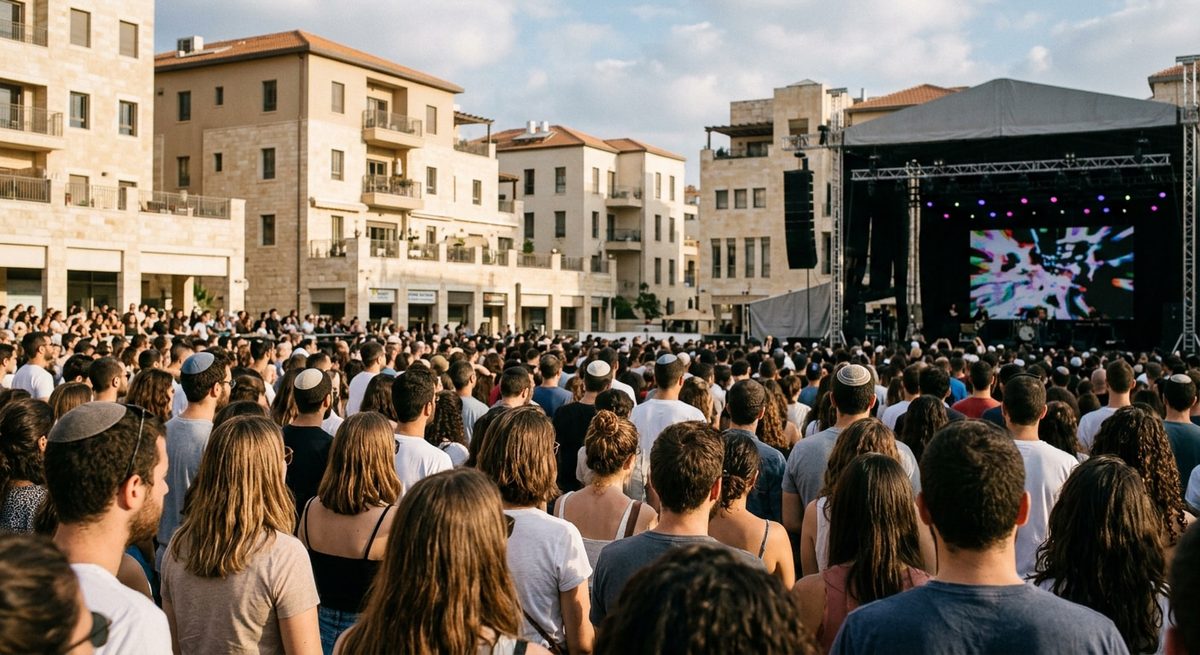
Beit Shemesh includes older central districts and several newer residential neighbourhoods, each with a distinct character and housing mix. Below are the principal neighbourhood names commonly used to describe the city’s residential areas.
Old Beit Shemesh / Givat Sharett
Old Beit Shemesh and Givat Sharett form the city’s original core, where earlier municipal services, markets and community facilities are concentrated. Housing here includes older apartment blocks and some low-rise family homes.
This area suits residents who want proximity to municipal offices, local shops and long-established community networks. Public transport and local bus routes connect the neighbourhood to newer parts of the city and to regional routes.
Ramat Beit Shemesh Alef
Ramat Beit Shemesh Alef is one of the first planned expansions and features a mix of apartment buildings and newer projects. The area is a local focus for shops and services.
It appeals to families and households seeking modern housing with nearby schools and synagogues. Road connections and bus services make commuting to central nodes straightforward.
Ramat Beit Shemesh Bet
Ramat Beit Shemesh Bet continued residential expansion and includes additional apartment blocks and community infrastructure. Like other Ramat neighbourhoods it has attracted growth and new services.
The neighbourhood suits larger families and those looking for recently developed housing with direct access to the city’s commercial facilities.
Ramat Beit Shemesh Gimmel, Daled and Hey (Neve Shamir)
Later phases of the Ramat Beit Shemesh expansion, Gimmel, Daled and Hey (also referred to as Neve Shamir), comprise further residential construction, community institutions and commercial strips. These areas reflect outward growth.
Residents benefit from newer neighbourhood planning and proximity to shopping and schools. These districts are well suited to families and community-oriented households.
Sheinfeld and Nofei Aviv
Sheinfeld and Nofei Aviv are residential quarters with a mix of mid-rise apartments and family housing near local amenities. They link older and newer parts of the city.
Good transport access and local services make these neighbourhoods practical for commuters and households seeking balanced access to shops, schools and leisure.
Migdal HaMayim and Tamuz (urban kibbutz)
Migdal HaMayim and the Tamuz area (an urban kibbutz project) are residential clusters on the city’s margins, often with more open space nearby. Housing types vary and may include lower-density options.
These neighbourhoods suit residents looking for a quieter setting within the municipal area and easy access to surrounding natural areas.
Education in Beit Shemesh
Beit Shemesh provides municipal primary and secondary education across multiple streams, including Haredi, Dati Leumi (religious Zionist) and secular frameworks. The city supports a network of schools to serve a diverse population.
Historically, in 2001 there were 56 schools with about 14,148 students; local numbers have changed since then as the population has grown. In addition to municipal schools, a range of yeshivot and religious schools operate within the city.
For higher education, residents typically travel to universities and colleges in nearby regional centres such as Jerusalem and Tel Aviv; these cities are within commuting distance and offer broader tertiary and professional study options.
Insider's Guide to Israel
and can't-miss places most tourists never find.
Transport and Connectivity
Beit Shemesh has multi-modal transport connections. The city is served by Beit Shemesh railway station on the Herzliya-Lod-Lod-Jerusalem line, with trains to Tel Aviv running approximately once per hour on weekdays.
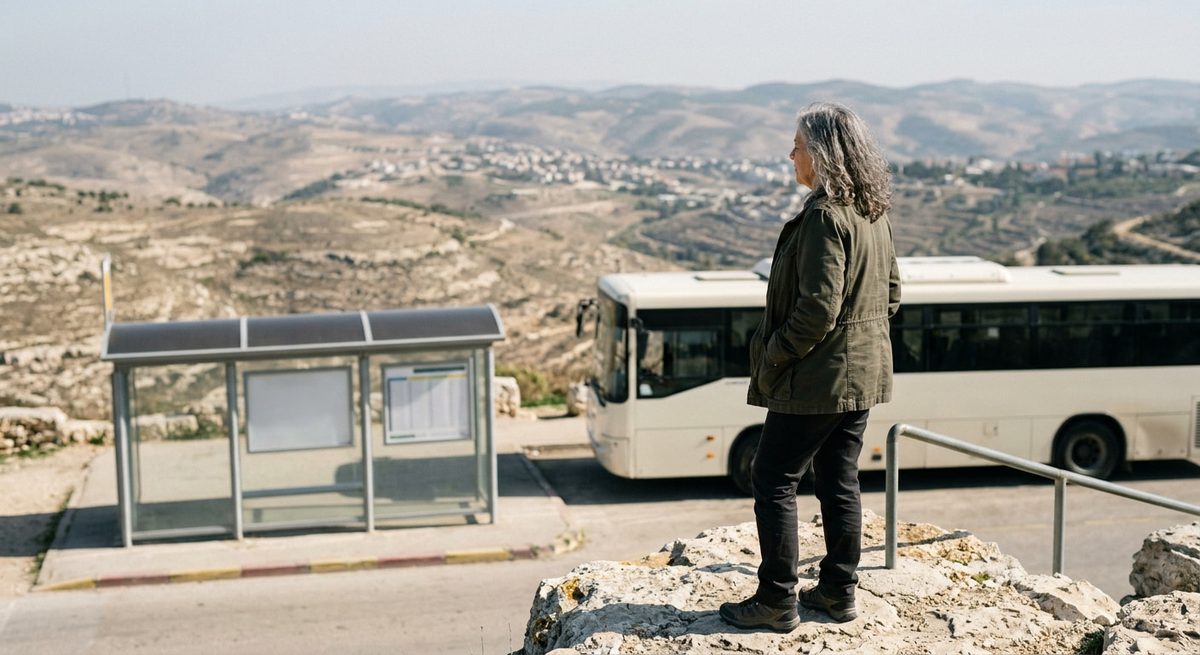
Road connections include Route 38 and regional roads that link to central highways. Intercity and local bus services operate to Jerusalem and Tel Aviv; typical bus times reported are about 40–60 minutes to Jerusalem and around 60–75 minutes to Tel Aviv.
Ben Gurion Airport is the nearest major airport, about 30 km away by road. While public transport provides useful regional links, many residents use private cars for day-to-day travel, so wholly car-free living can be less convenient for some households.
Nature and Outdoor Spaces
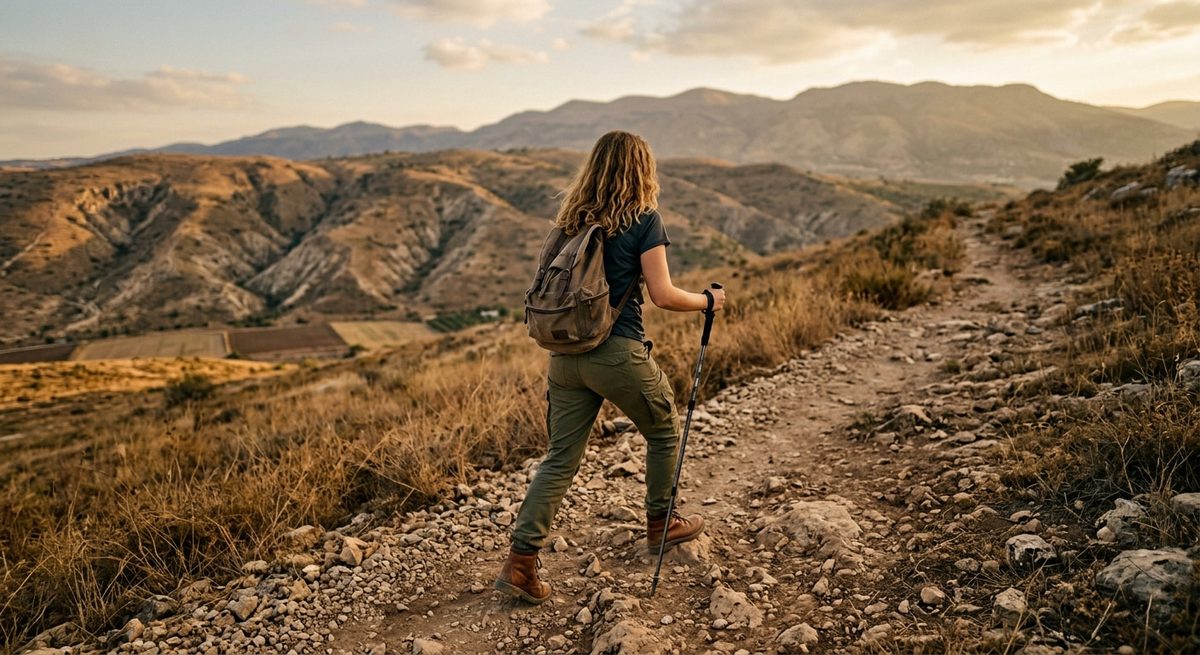
Beit Shemesh sits between the Judean Hills and the Shephelah, in a landscape of rolling hills, seasonal wadis and agricultural plots. This setting gives accessible outdoor opportunities for walking, cycling and family outings.
Nearby natural features include local streams and wadis such as Nahal Yarmut and areas of hill-country vegetation typical of a Mediterranean climate. The setting is attractive for residents who appreciate green spaces while remaining near urban services.
Amenities and Things to Do in Beit Shemesh
Retail and commercial activity is concentrated in several centres, including the Big Fashion / Shaarei Hair shopping area and mixed-use centres in the Ramat neighbourhoods. These provide everyday shopping, cafes and services.
Healthcare includes municipal clinics and a branch of Hadassah Medical Center — Beit Shemesh, offering local medical services; for specialised tertiary care residents commonly travel to larger hospitals in Jerusalem.
Cultural and leisure options include local markets, community centres, synagogues and access to the Tel Beit Shemesh archaeological site for visitors interested in the ancient past. Sports facilities and municipal parks support active lifestyles and family recreation.
Cities and Towns Near Beit Shemesh
Several towns and cities lie within easy driving distance, making regional services and employment accessible. Nearby urban centres include Modi’in-Maccabim-Re’ut, Ramla, Lod and, further afield, Tel Aviv and Jerusalem.
Nearby cities and towns: Modi’in-Maccabim-Re’ut — 17.6 km; Jerusalem — 21.6 km; Ramla — 24.1 km; Lod — 24.5 km; Tel Aviv — 44 km.
Advantages of Living in Beit Shemesh
Proximity to Jerusalem: The city provides practical commuting options and access to the capital’s services, cultural institutions and employment.
Varied housing and family focus: A mix of older neighbourhoods and newer developments offers choices for families and households seeking more space than central urban areas.
Access to nature: The setting between the hills and lowlands gives residents easy access to outdoor recreation and open landscapes.
Growing local services: Residential expansion has supported the growth of local commercial centres, schools and community institutions.
Things to Consider Before Moving to Beit Shemesh
Dependence on regional centres: Some specialised medical, cultural and tertiary services are accessed in Jerusalem or other nearby cities rather than being available locally.
Public transport limitations: While there are rail and bus connections, many residents find a private car convenient for everyday travel and for reaching destinations not well served by public transit.
Rapid growth and construction: Ongoing residential development can mean construction activity and changing neighbourhood dynamics as the city expands.
Demographic character: The city includes a large and growing Haredi population; that diversity shapes local life, public services and community rhythms, which prospective residents should consider in relation to their preferences.
Who Is Beit Shemesh Best For?
Families
Families often choose Beit Shemesh for its comparatively spacious housing, community-oriented neighbourhoods and access to multiple school streams and local amenities.
Commuters
Commuters who travel to Jerusalem or the Tel Aviv area benefit from the city’s road links, regular intercity buses and the Beit Shemesh railway station, making daily travel feasible.
Young Professionals
Young professionals who work regionally and value newer residential developments and reasonable commuting times can find suitable housing options and transport connections here.
Students
Students tend to use Beit Shemesh as a reasonably affordable residential base with access to universities and colleges located in nearby Jerusalem and Tel Aviv.
Retirees
Retirees who prioritise quiet neighbourhoods, openness and proximity to nature may appreciate the city’s residential areas and local services, though some specialised healthcare or leisure options are accessed in larger nearby cities.
