
Discovering the Shephelah: A Journey Through Historical Lands


The Shephelah is a region rich in history and significance. Known for its rolling hills between the Judean Mountains and the coastal plains, this area serves as a gateway to understanding many historical narratives.
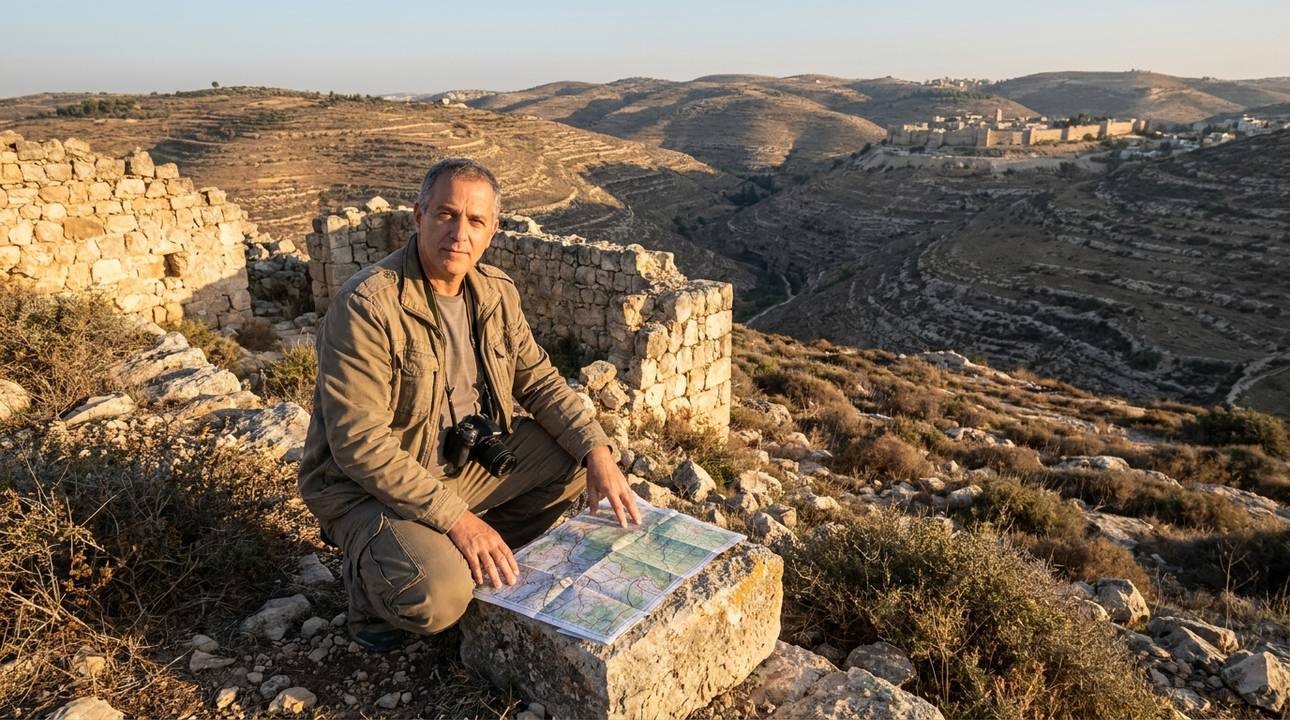
Let’s explore this landscape through a detailed map, uncovering its ancient cities and strategic importance in historical times. Cities like Gezer and Lachish were key locations during various periods, serving as administrative and military centers.
The location of the Shephelah made it a crossroads for trade and military campaigns, linking the coast with the interior highlands. This area was not only a battleground but also a place of cultural exchange and development.
Historical accounts often reference this region, highlighting its role in stories such as the battle of the Israelites against the Amorites. The landscapes hold the echoes of these historical events.
from the Western Wall to Masada.
What Is the Shephelah?
Often referred to as the lowlands, the Shephelah is located between the Judean Mountains and Israel’s coastal plains, serving as an important historical corridor.
This area encompasses fertile valleys and strategic hillsides, playing a crucial role in ancient trade and military campaigns. Valleys like Aijalon were vital for agriculture, supporting the sustenance of ancient communities.
The strategic hillsides of the Shephelah provided vantage points for military observation and control. Cities like Lachish and Azekah were fortified centers that played significant roles in defending against invasions. These cities are often mentioned in historical accounts, such as the siege of Lachish by the Assyrian king Sennacherib. The history of this area is underscored by its repeated mention in narratives, reflecting its importance in historical times.
Geographical Importance of the Shephelah
Characterized by its rolling hills, the Shephelah offers a natural defense line. Its location was key in ancient military strategies, serving as a buffer zone.
Many historical battles were fought here, highlighting its role as a transition zone between different territories. For instance, the famous battle between David and Goliath took place in the Valley of Elah, part of this region. The strategic importance of the area is further emphasized by its frequent mention in military contexts throughout history.
This region provided a natural barrier, protecting the interior lands from coastal invaders. It was a site where Philistines and Israelites often clashed.
The geography made it a crucial point of defense and conflict, shaping the history of the region. Its hills and valleys not only served military purposes but also facilitated trade and communication between different areas.
Historical References to the Shephelah
Mentioned frequently in historical texts, the Shephelah often served as a battleground for conflicts among various groups. Notably, the story of David and Goliath takes place here, specifically in the Valley of Elah.
This highlights its strategic importance, as the site of many pivotal events. The location made it a key area for military campaigns and territorial disputes, serving as a buffer zone between the coastal plains and the Judean highlands.
Beyond battles, the Shephelah played a role in narratives as a place of settlement and cultural exchange. Its fertile lands supported agriculture, vital for sustaining local populations and trade.
Historical accounts often reference the cities within this region, such as Lachish and Azekah, which played significant roles in the history of the area. These cities were centers of administration and defense, reflecting the strategic importance of the area.
In addition to the famous battle between David and Goliath, this region was the site of numerous other conflicts, such as those involving the Philistines and Israelites. These stories highlight the area’s role in shaping the history of the region.
The significance of the Shephelah is further underscored by its frequent mention in narratives, serving as a backdrop for events that defined the era.
The landscape of the Shephelah, with its hills and valleys, provided natural fortifications and strategic advantages during conflicts. Cities like Azekah and Lachish were often fortified to protect against invasions, as seen in the accounts of the Assyrian campaigns. These historical events demonstrate the area’s role as a key military zone, where control could determine the outcome of broader territorial disputes. Its history is a sign of the strategic acumen of its ancient inhabitants.
Archaeological Findings in the Shephelah
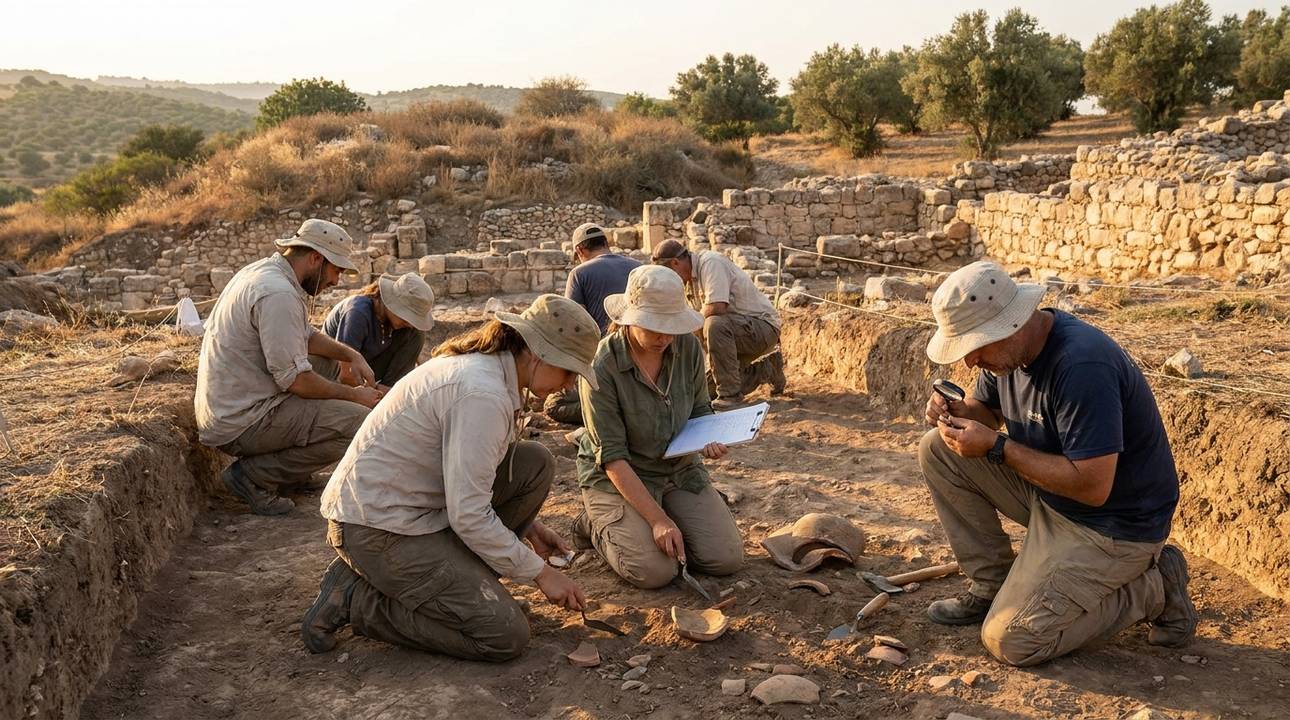
Archaeological studies have uncovered significant artifacts in this region, shedding light on the life and culture of its ancient inhabitants. Excavations at sites like Tel Gezer and Tel Lachish have revealed structures and relics. These findings connect us to the everyday life of historical times, from pottery and tools to inscriptions and fortifications. Such discoveries provide a window into the past, showing ancient societies. Ongoing research continues to uncover new layers of history.
Archaeological discoveries in the Shephelah include items of religious and cultural role, such as altars and inscriptions that reveal spiritual practices of the time. These findings enrich our understanding of the historical and cultural landscape. The artifacts unearthed illustrate the daily life and spiritual journeys of ancient residents. Fertile valleys supported agriculture, crucial for sustaining local populations and trade. These discoveries continue to captivate scholars and visitors alike.
Artifacts unearthed in the Shephelah include items used in daily life, as well as those of cultural role. For example, the discovery of ancient altars and inscriptions reveals the practices of the time. These archaeological efforts help paint a picture of the area as a center of life and activity during historical times, enriching our understanding of history. Excavations at sites like Tel Gezer have uncovered inscriptions that provide insight into the languages and scripts used by ancient inhabitants.
Archaeological discoveries in the Shephelah include pottery, tools, and other artifacts that illustrate the daily life of ancient residents. The presence of fortified cities like Lachish indicates the region’s role in defense and administration.
These findings offer a glimpse into the social and economic structures of the time, revealing how people lived, worked, and worshipped. Ongoing archaeological work continues to uncover new layers of history, adding depth to our understanding of this significant region.
Key Cities in the Shephelah
The Shephelah was home to several key historical cities, including Lachish and Gezer, which played major roles in regional trade and politics.
Their archaeological sites offer insights into the architectural styles and urban planning of ancient communities. The city gates and walls reveal the defensive strategies employed by these ancient communities.
from the Western Wall to Masada.
In addition to their political and economic roles, cities like Lachish and Gezer were cultural hubs. Artifacts found in these areas, such as pottery and inscriptions, provide clues about the daily lives and beliefs of their inhabitants.
The study of these cities helps us understand the complexity of ancient urban life in the Shephelah, offering a glimpse into the past that continues to captivate scholars and visitors alike. Excavations at Tel Gezer have uncovered inscriptions that shed light on the languages and scripts used by ancient communities.
Cities in the Shephelah were centers of administration and defense, reflecting the region’s strategic importance. The fortified city of Lachish, for example, played a key role during the Assyrian siege.
These historical events highlight the area’s role as a key military zone, where control could determine the outcome of broader territorial disputes. Artifacts and structures uncovered in these cities provide valuable insights into the social and economic structures of the time.
The Shephelah in Jewish Tradition
In Jewish tradition, the Shephelah holds special significance as a site of historical battles and events. Its stories resonate through Jewish history, with tales of heroism and struggle.
Traditions and teachings often reference this area, making its study a rich field within historical scholarship. The role in battles, such as those against the Philistines, is frequently highlighted in texts and teachings.
The significance of the Shephelah in Jewish tradition is not limited to its military history. The region is also associated with journeys and cultural development. These narratives highlight the area as a place of both conflict and significance, reflecting the complex history of the Jewish people and their connection to the land. Its study is still remembered and educate those interested in history.
The importance of the Shephelah in Jewish tradition is further underscored by its mention in various narratives. These stories, passed down through generations, is still remembered and educate. The history of the region is a sign of its legacy within Jewish culture, serving as a reminder of the strength of its people.
The role of the Shephelah in narratives is not just about battles but also about the daily lives and journeys of its inhabitants.
These stories highlight the area as a place of both conflict and significance, reflecting the complex history of the Jewish people and their connection to the land.
Modern Views of the Shephelah
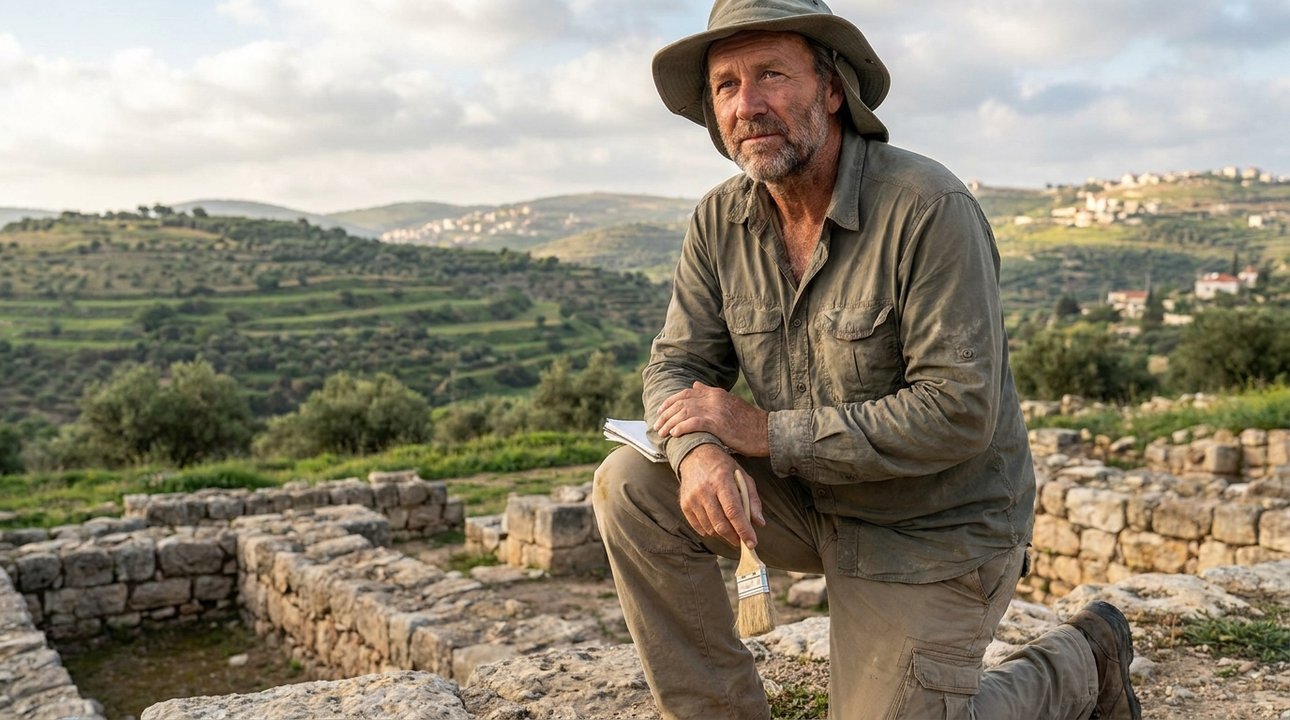
Today, the Shephelah is appreciated not only for its natural beauty but also for its historical depth. This region, with its rolling hills and fertile valleys, has been the backdrop for many significant events. Efforts to preserve its landscapes continue, supported by both local and international organizations.
The area offers insights into the ancient world, connecting people to its historical past. For example, the Valley of Elah is a popular site for visitors.
Preserving the Shephelah’s natural and historical sites is crucial for maintaining the connection between modern-day Israel and its storied past. The landscapes tell stories of ancient battles and daily life, offering a tangible link to historical times.
Visitors can explore these sites, gaining a deeper understanding of the historical events that shaped the region and its people. Sites like the Valley of Elah remain significant for their historical and cultural value.
Efforts to preserve archaeological sites in the Shephelah ensure that future generations can learn from and appreciate this heritage. Cities like Gezer and Lachish are being studied and protected to maintain their historical integrity. These preservation efforts highlight the importance of the region as a cultural and historical treasure, providing insights into the lives and struggles of its ancient inhabitants. By safeguarding these sites, we honor the legacy of those who lived and fought in this storied land.
Conclusion: the Shephelah’s Legacy
The Shephelah remains a vital link to history and geography, offering profound insights into the past. Its strategic location made it a crossroads for ancient communities, influencing its history. The landscapes and archaeological sites continue to fascinate and educate, worth exploring and connection. Sites like Tel Azekah and Tel Lachish provide glimpses into the lives of those who lived in historical times.
Archaeologists have uncovered artifacts that reveal the Shephelah’s role in ancient trade and military campaigns. The cities in this region were often fortified, serving as strongholds in times of conflict.
These discoveries help us understand the daily lives of its inhabitants, from their religious practices to their economic activities. This ongoing exploration invites us to connect with the past in meaningful ways. Excavations at Tel Lachish have revealed siege ramps and other military structures, illustrating the defensive strategies employed.
Archaeological findings in the Shephelah include pottery, tools, and inscriptions that provide insight into the cultural and economic activities of ancient residents. Fertile valleys supported agriculture, crucial for sustaining local populations and trade. These artifacts offer a window into the past, showing how the region was a center of life and activity. Ongoing research and discoveries continue to enrich our understanding, bridging the gap between ancient and modern times.
Understanding the Shephelah
