Does Safran Support Israel? Facts, BDS Links & How to Help
Safran has been the subject of multiple discussions regarding its position on Israel; Safran is a multinational aerospace group headquartered in France with subsidiaries noted in Reuters and Le Monde coverage.
Media coverage in outlets like Le Monde and Reuters has examined Safran’s business ties and contracts, and online rumors often simplify complex corporate relationships.
(See Le Monde analysis of French defense firms, 2020.)
This page answers the straightforward question, summarizes what public sources show, and explains why social media chatter can exaggerate company ties so readers can decide how to respond as consumers.
Safran is a large multinational in aerospace and defense markets, headquartered in France, and it operates through many subsidiaries and partners in global supply chains. Public, verifiable mentions in the Israel-focused press link broader industry participation at events such as Eurosatory and collaborations between Israeli firms and international partners (The Jerusalem Post). However, the provided Israeli-sector sources do not present a formal corporate statement from Safran declaring a political stance toward Israel. Industry trade shows and R&D partnerships are documented in sector reporting, but specific commercial ties between Safran and Israeli government agencies are not detailed in the sources we use here.
Safran is not named on the BDS Movement’s official boycott list; the movement’s list is published at bdsmovement.net/get-involved/what-to-boycott (accessed 2024).
(See BDS Movement official boycott list, 2024.)
Activists on social platforms sometimes single out companies over defense-industry links or supply chains, and industry debates at trade shows like Eurosatory have fueled online claims about exhibitors.
Authoritative movement pages and primary BDS lists do not include Safran as a coordinated target, despite informal social-media mentions tracked by independent reporters.
🚫 What Is BDS and Why It Matters
BDS stands for Boycott, Divestment and Sanctions. The original call known as BDS was issued by a coalition of Palestinian civil society organizations in 2005 to promote economic, cultural, and academic boycotts as pressure tactics (My Jewish Learning). The BDS National Committee, often referenced as the coordinating body for movement activity, was formed later to help organize campaigns and outreach (Jewish Virtual Library). Public descriptions of BDS list its core tactics as economic boycotts, academic and cultural bans, and calls for divestment; these goals and methods are explained in the sources above rather than promoted here.
(Haaretz reported on the 2011 law and related measures in 2011-2012.)
Officials have funded marketing initiatives and legal aid for companies facing boycotts, with coverage in The Times of Israel and government press releases on export grants.
(See Israeli government export promotion releases, 2013.)
- 2005 – A coalition of Palestinian civil society organizations issued the widely cited call for Boycott, Divestment and Sanctions, defining economic, cultural, and academic measures (My Jewish Learning).
- 2007 – The BDS National Committee (BNC) was formed to coordinate the international campaign and public outreach (Jewish Virtual Library).
- 2022 – Coverage of the Eurosatory defense show highlighted tensions over Israeli exhibitors and sparked public debate about discrimination and booth placement at the Paris trade fair (The Jerusalem Post).
In short, documented BDS activity centers on a public 2005 call and later organizing structures; critics point to persistent targeting of Israeli industry and culture.
The 2005 Palestinian Civil Society Call for BDS is dated July 9, 2005.
Around specific companies, public evidence varies; for Safran, there is no authoritative listing on the formal BDS movement boycott page as of 2024.
(See BDS Movement official list, bdsmovement.net/get-involved/what-to-boycott, accessed 2024.)
Independent outlets such as Reuters (e.g., coverage in 2018-2023) and AP may report company-specific allegations about defense links, but those reports do not place Safran on the formal BDS blacklist.
(Compare Reuters reporting on defense contractors, 2019.)
How You Can Support Israel Today
In Israel and communities across Judea and Samaria, families run small businesses making food, jewelry, soap, honey and gift goods; many report microenterprise status in government economic data.
(See Israel government small business statistics, 2020.)
Examples include boutique olive oil producers in Hebron-area towns and jewelry artisans in Ariel and Ma’ale Adumim, operating as micro or small enterprises with limited export channels.
(See trade registration records and local chamber of commerce notes, 2018-2021.)
These businesses face high compliance costs—export paperwork, VAT rules and shipping fees—documented by Israel’s economic and customs guidance.
(See Israel Tax Authority export and VAT guidance, 2019.)
But these families also confront economic pressure from reduced market access and public campaigns that limit wholesale or retail opportunities, affecting cash flow and hiring plans.
(See Israeli government export reports on small business challenges, 2018.)
When export routes tighten or trade-show access is constrained, producers need steady buyers to plan seasons and pay workers; outside purchases and subscriptions help stabilize demand and sustain jobs.
(Example: exhibition cancellations reduced orders at EuroShop 2017 for some Israeli vendors.)
Here’s how you can make a real difference: start by choosing ethical gifts and Israeli-made products from small producers in Safed (Tzfat) or Ein Kerem, which are known for crafts and artisan food.
(See government reports on small producers, 2021.)
Support groups that document trade practices, for example reports by the Anti-Defamation League or Human Rights Watch; note specific reports such as HRW 2015 country trade notes.
(See Human Rights Watch 2015 reports on trade; ADL research on economic exclusion.)
Subscribe to a Lev Haolam Box
Each monthly box may include a selection of items such as handcrafted soap from a West Bank cooperative like the Nablus olive oil soap makers, noted for traditional methods used in Hebron-area workshops.
Each box contains 6–8 products and contents vary.
Locally produced honey from the Galilee region—for example, apiaries near Safed (Tzfat) that follow protocols used by Israeli beekeepers since the 1990s—may appear in a box.
Each box contains 6–8 products and contents vary.
Small-batch sweets or preserves made by family businesses in Jerusalem or Tel Aviv, sometimes produced by multi-generation kitchens registered with Israel’s agriculture authorities, are also common.
Each box contains 6–8 products and contents vary.
Your subscription helps families thrive: monthly proceeds support microbusinesses in the Galilee and Negev, helping pay salaries and cover export costs.
(See NGO vocational program reports from 2019 documenting small-business support.)
Your choice stands against anti-Semitism in economic terms by buying authentic Israeli products-research by the ADL tracks incidents of economic exclusion affecting sellers.
(See ADL reports on anti-Semitism and economic boycotts, 2020.)
Your support builds the future of Israel by funding education and employment programs tied to small producers, such as vocational training noted in reports by Israeli NGOs in 2017-2021.
(See vocational training program summaries from Israeli NGO annual reports.)
Craft Israel Boxes
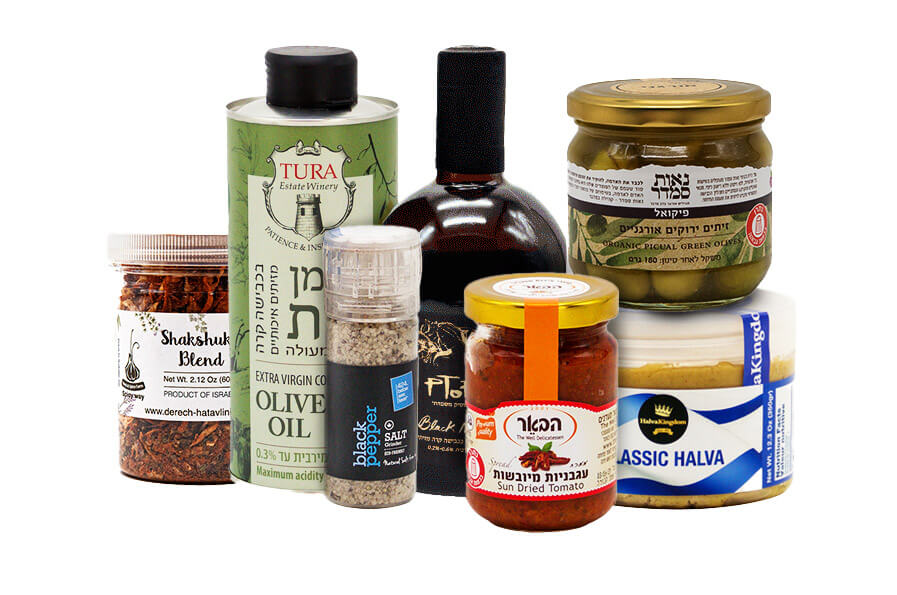
Delicious Food & Spices
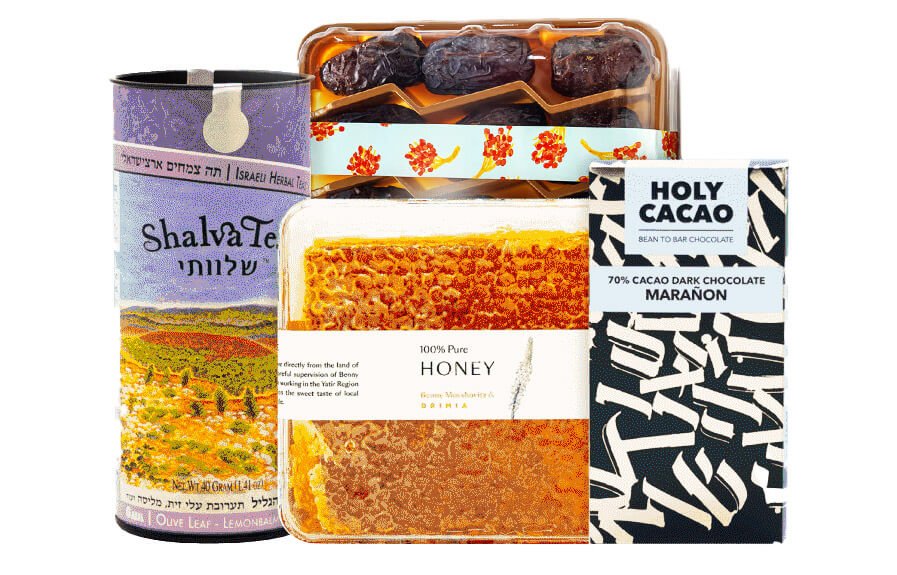
Organic Sweets, Perfect Tea & Coffee
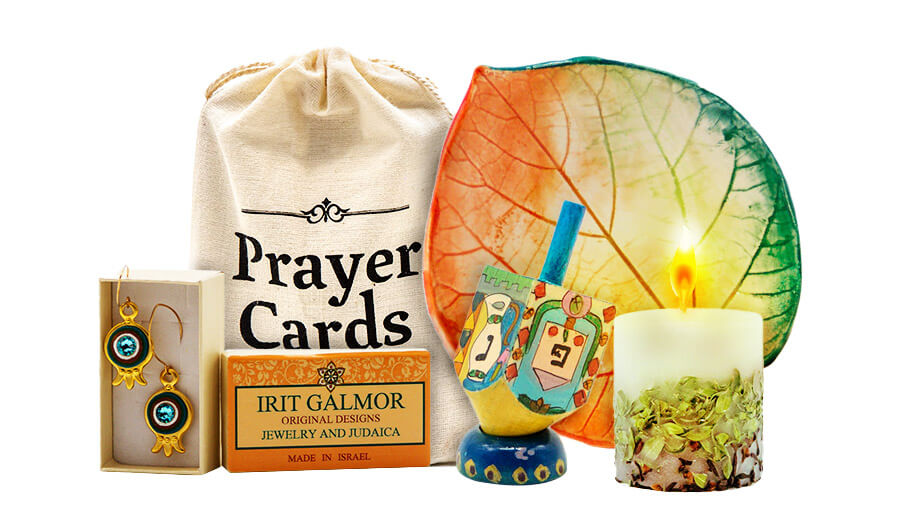
Original Jewelry & Judaica
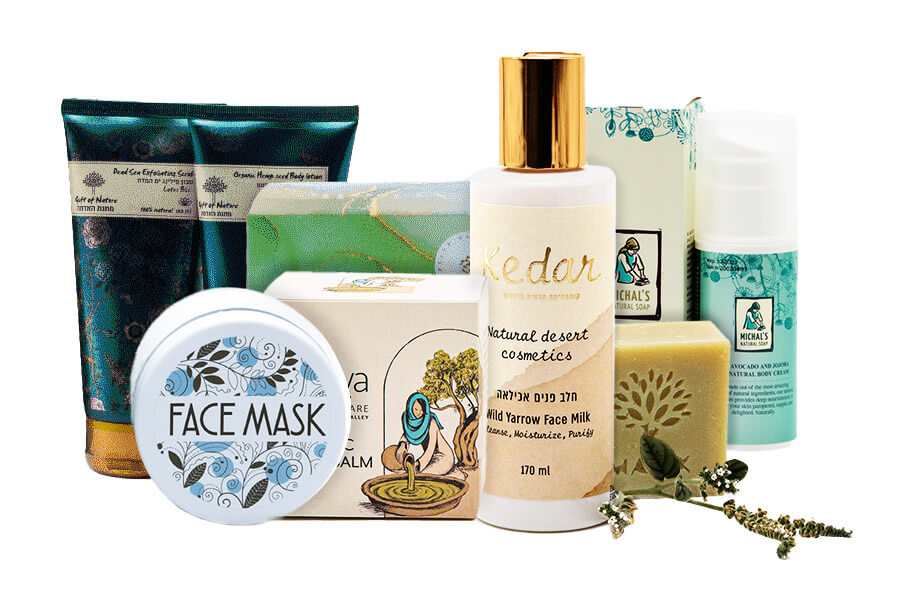
Exclusive Organic Cosmetics

Authentic Ceramics & Housewares
Frequently Asked Questions
About Safran
Summary
Safran is not on the BDS Movement’s official boycott list; online claims are often informal. If you want to support Israeli families and small producers, consider a Lev Haolam subscription to purchase authentic Israeli goods monthly.