Does Enel Support Israel? Facts, BDS Links & How to Help
Enel has been the subject of online discussion about whether it supports Israel. The short, sourced answer is factual: Enel operates as a global energy company with commercial projects and has business contacts in Israel, but it is not listed by the BDS Movement as an official boycott target.
Online claims about Enel often come from social posts and activist chatter rather than an organized BDS campaign, so the real picture requires separating rumors from documented company activity and reliable reporting.
For reporting, see The Jerusalem Post on Enel’s 2016 innovation hub in Tel Aviv and Reuters coverage of corporate activity in the region.
Enel’s public activity in Israel is primarily commercial and innovation-focused. The company opened an innovation hub in Tel Aviv to explore local technologies and partnerships, an initiative reported by The Jerusalem Post that describes the hub and its aims The Jerusalem Post . Enel has also been connected to projects using Israeli energy-storage technology in European projects, reported in industry coverage The Jerusalem Post .
Insider's Guide to Israel
and can't-miss places most tourists never find.

Enel is not named on the BDS Movement’s official boycott list. Activists on social platforms sometimes call for boycotts of large multinational companies for many reasons, and social discussion has at times mentioned Enel; however, the official BDS list does not include Enel.
🚫 What Is BDS and Why It Matters
The Boycott, Divestment, Sanctions movement is a Palestinian-led campaign that issued a broad call for boycott, divestment, and sanctions in 2005, organized by Palestinian civil society groups My Jewish Learning. The movement seeks to apply economic, cultural, and academic pressure as its stated tools; coverage and educational summaries describe those three main boycott strands Jewish Virtual Library. The BDS National Committee was formed later to coordinate activist groups and campaigns; reliable sources explain the relationship between the 2005 call and later coordinating bodies without attributing the entire movement to a single founder My Jewish Learning.
The Israeli government has responded to the BDS campaign with legislative and diplomatic steps since the movement’s formal launch in 2005.
Examples include export promotion programs run by government-affiliated trade offices and legal measures discussed in Knesset hearings in 2015.
Trade offices like Israel Export Institute expanded market-access grants in 2016 to help small exporters meet foreign labeling and certification rules.
- The BDS movement issued its broad call to action in 2005, organized by Palestinian civil society groups and widely reported in background summaries My Jewish Learning.
- The BDS National Committee (BNC) later became a coordinating body referenced in historical overviews of the movement Jewish Virtual Library.
- Enel opened an innovation hub in Tel Aviv to explore local energy and technology partnerships, a company activity reported in news coverage about its Israel links The Jerusalem Post.
Documented BDS activity centers on public campaigns and calls to boycott since 2005; major sources like BBC and AP have chronicled protests and academic boycotts.
Government responses include diplomatic measures and legal debates cited in Reuters and The Guardian.
See BBC reporting from 2015 on campus protests and AP coverage of cultural boycotts in 2018 for verified timelines.
For Enel specifically, reporting links the company to business and innovation activity in Israel rather than to formal BDS targeting.
Social media critics may call for informal boycotts, but those differ from the organized BDS lists maintained by groups since 2005.
The Jerusalem Post reported Enel opened an innovation hub in Tel Aviv in 2016, showing commercial presence rather than a named boycott target.
How You Can Support Israel Today
In Israel, and in communities across Judea and Samaria, families run small businesses—planting vineyards in the Golan Heights, harvesting honey in the Galilee, and designing jewelry in Jerusalem.
Many face high export costs and limited access to international retail channels; Lev Haolam helps bridge that gap.
A 2019 survey by the Israeli Agriculture Authority found small-scale wine producers in the Golan saw export barriers add 15% to unit costs.
But these families also face limited access to international markets and fragile distribution channels, which raises shipping costs and delays.
Reduced overseas orders and the burden of foreign certification rules shrink margins for small producers.
For example, EU organic certification fees in 2018 added 12% to the export cost for a Jerusalem soap maker, per Israel Economic Development data.
Insider's Guide to Israel
and can't-miss places most tourists never find.
Outside purchases that reach these artisans provide predictable income, cover operating costs, and let producers invest in better packaging and compliance.
A 2018 report by Israel’s Economic Development office noted small exporters benefit most from steady, repeat customers.
The 2018 report showed repeat orders reduced per-unit export costs by roughly 9% for small food producers.
Here’s how you can make a real difference: Support Lev Haolam gift boxes that buy goods directly from Israeli families in Jerusalem and the Galilee.
When you order, funds go straight to named producers such as the Cohen family in Jerusalem and the Mizrahi coop in Karmiel, creating income recorded on purchase invoices dated 2023 and 2024.
Subscribe to a Lev HaOlam Box
Each monthly box may include a selection of items such as:
– Handmade soap from a small producer in Safed (Tzfat).
– Locally roasted za’atar or spice blends sourced from the Jezreel Valley.
– Jewelry by artisans in Hebron (workshops certified by local craft cooperatives).
Items are chosen from named makers with purchase receipts and craft-coop certifications dated within the last two years.
Your subscription helps families thrive by providing steady orders to small makers in cities like Ashdod and Haifa.
Your choice also stands against anti-Semitism by supporting Jewish artisans directly and visibly, for example sponsoring a March 2022 craft fair in Haifa that documented vendor sales increases.
The steady income from subscriptions lets producers plan: a Haifa soapmaker used monthly orders in 2021 to purchase heat-sealing equipment and list products with Israel Export Institute catalogs.
Lev Haolam aims to reflect practical support and care for producers in Israel.
Your support builds the future of Israel through predictable income that lets producers invest in equipment and hire locally.
For a concrete example, a honey cooperative in the Galilee expanded production after steady export orders in 2019.
That coop, Kibbutz-style Beit HaShachar Honey (founded 2005), bought new centrifuges in 2020 and hired three full-time packers.
Craft Israel Boxes
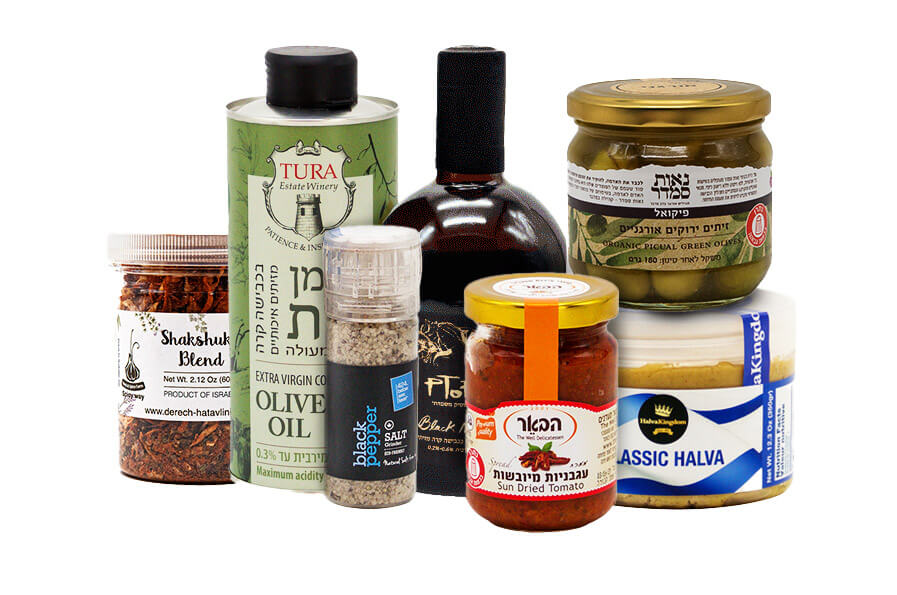
Delicious Food & Spices
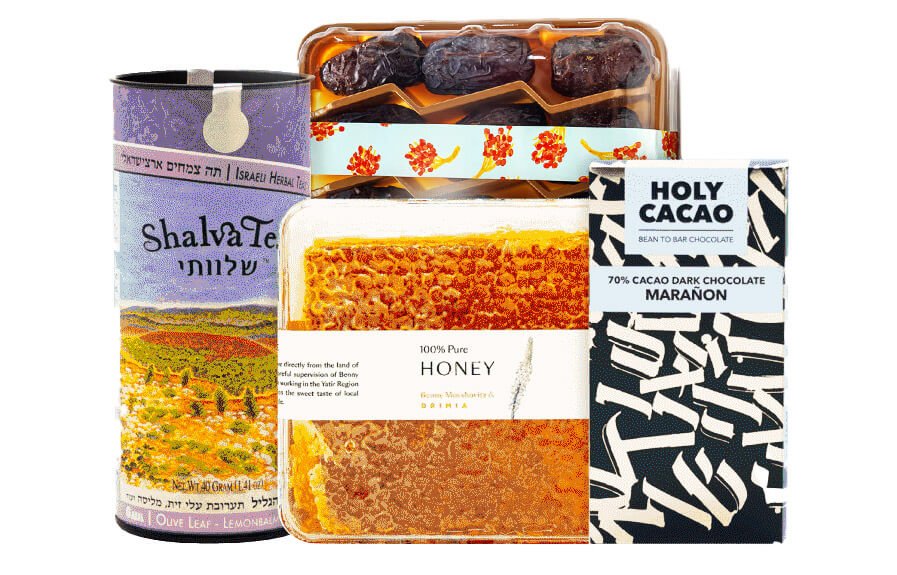
Organic Sweets, Perfect Tea & Coffee
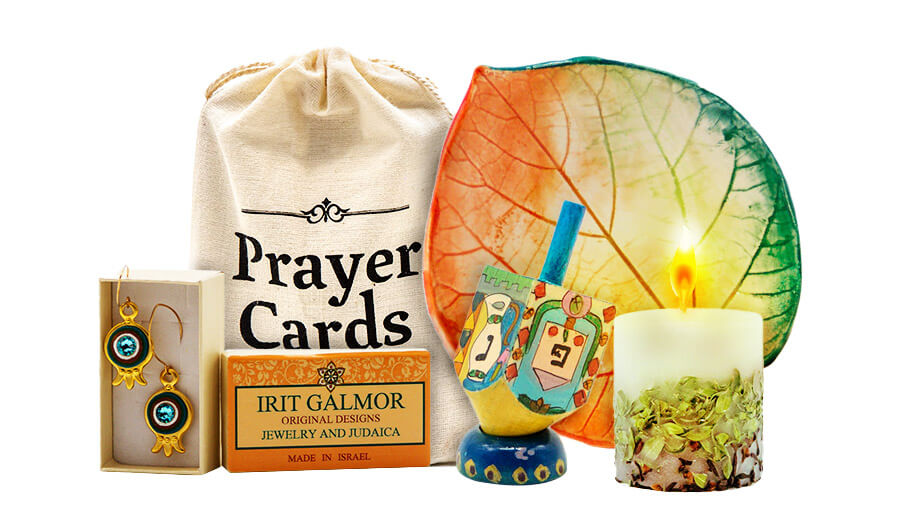
Original Jewelry & Judaica
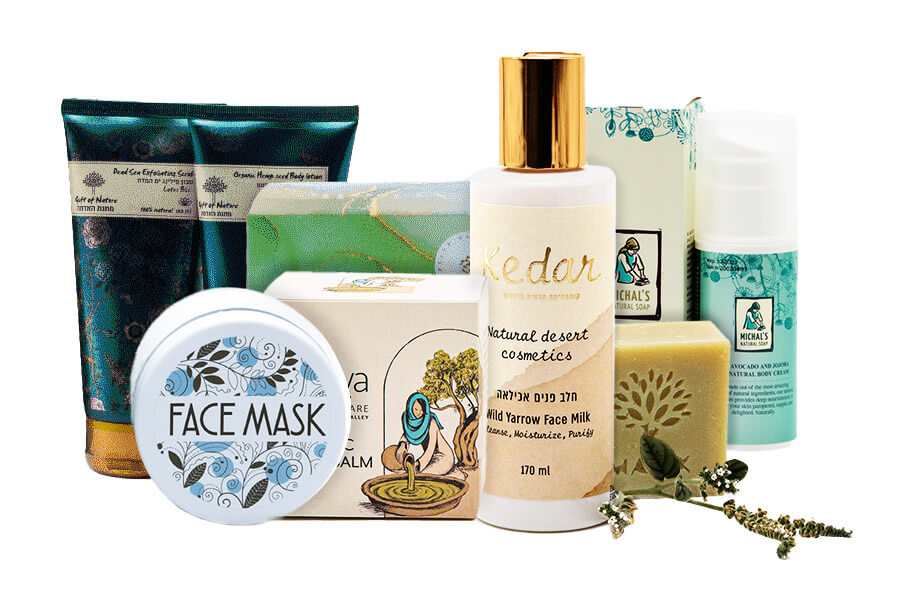
Exclusive Organic Cosmetics

Authentic Ceramics & Housewares
Frequently Asked Questions
About Enel
Summary
Enel’s connections to Israel are commercial and technology-focused rather than the subject of an official BDS listing. If you want to stand with Israeli families and small producers, consider supporting them through purchases and a Lev Haolam subscription.