Tunisian Tuna Sandwich Delight
19 April 09:01
119
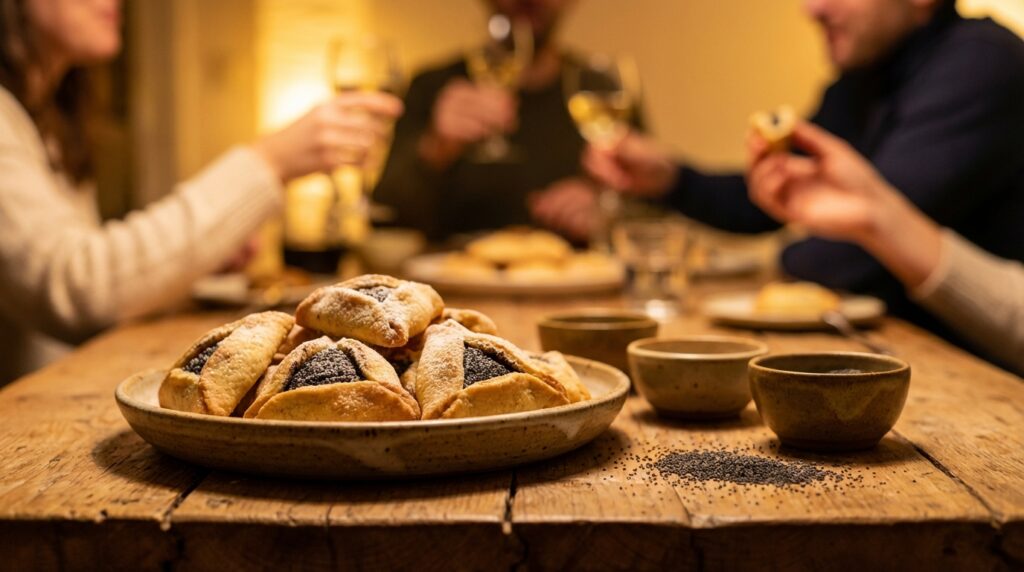

The tradition of making hamantaschen dates back centuries, with roots in Eastern Europe. These pastries are named after Haman, the villain in the Purim story, and their triangular shape is said to represent his hat. Over time, they have become a symbol of triumph and celebration in Jewish culture.
Poppy seeds have long been a favored filling for hamantaschen, offering a nutty, slightly sweet flavor that complements the buttery pastry. This choice of filling is not only traditional but also holds cultural significance, as poppy seeds are used in various Jewish dishes and symbolize fertility and abundance.
In addition to poppy seeds, hamantaschen can be filled with a variety of ingredients, including fruit preserves, chocolate, and even savory options like cheese. Each variation brings its own unique twist to the classic recipe, allowing families to personalize their hamantaschen to their tastes and traditions.
The process of making hamantaschen is as much about the experience as it is about the final product. Families often gather in the kitchen to roll out dough, fill the pastries, and fold them into their iconic triangular shape. This communal activity fosters a sense of togetherness and continuity, as recipes and techniques are passed down through generations.
For many, the scent of baking hamantaschen evokes memories of childhood and family gatherings. The aroma of sweet pastry and poppy seeds fills the home, creating a warm and inviting atmosphere that is cherished by all who partake in this beloved tradition.
While hamantaschen are most commonly associated with Purim, they are enjoyed throughout the year as a sweet treat. Their versatility and delicious taste make them a popular choice for various celebrations and gatherings, ensuring that the tradition of hamantaschen continues to thrive.
The story of Purim, and by extension hamantaschen, is one of resilience and survival. The Jewish people have faced many challenges throughout history, and the celebration of Purim serves as a reminder of their enduring spirit. Hamantaschen, with their rich history and cultural significance, embody this spirit and are a testament to the strength of Jewish tradition.
In modern times, hamantaschen have gained popularity beyond the Jewish community, with people of all backgrounds enjoying these delightful pastries. This widespread appreciation highlights the universal appeal of hamantaschen and their ability to bring people together through shared culinary experiences.
As you enjoy a freshly baked hamantaschen, take a moment to appreciate the history and tradition that each bite represents. Whether filled with poppy seeds or another delicious filling, these pastries are a celebration of culture, family, and the joy of sharing food with loved ones.