
Uncovering the Land of Edom in the Bible
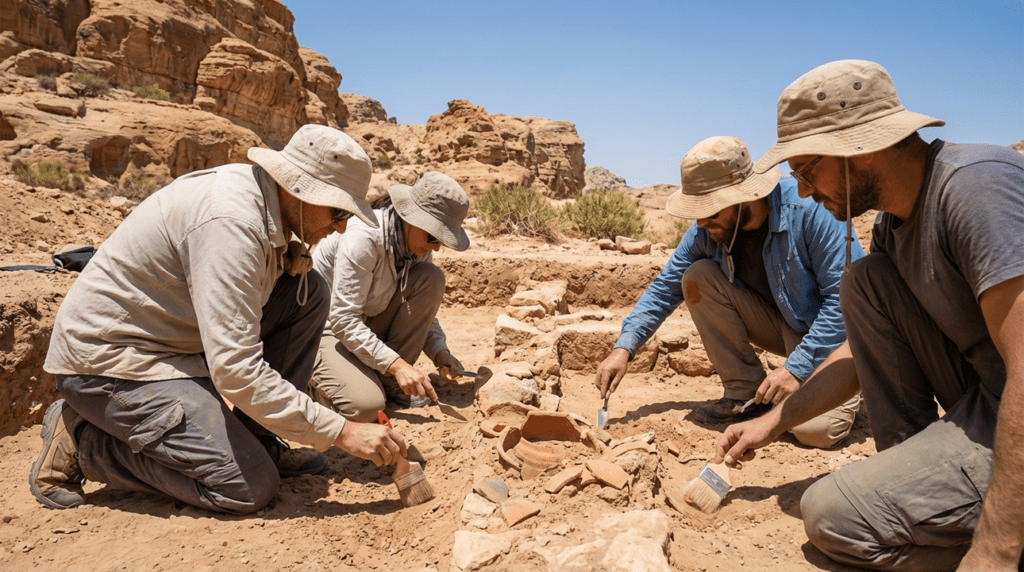

The land of Edom is a significant yet often overlooked region mentioned in the Bible. Nestled in modern-day southern Jordan, this ancient kingdom holds a unique place in the biblical narrative. Edom, known as the land of Esau, is referenced in Genesis 36:8 as the dwelling place of Esau’s descendants.
In this article, we journey through Edom’s location, history, and its role in the stories of the Torah, exploring its interactions with Israel and its cultural contributions to the ancient world.
In short, Edom’s historical and geographical context offers valuable insights into its significance in biblical narratives. This article delves into Edom’s role in the Torah, highlighting its interactions with Israel and its enduring cultural legacy.
The Geographical Location of Edom
Edom, known as the land of Esau according to Genesis 36:8, was located in the region now part of southern Jordan. This area extends from the southern Dead Sea to the Gulf of Aqaba. Historically, Edom was neighbored by Israel to the west and Moab to the north. Its strategic position along major trade routes of the ancient Near East contributed to its prosperity, facilitating trade and cultural exchange.
These routes connected Edom to Egypt, Mesopotamia, and other significant civilizations.
Edom’s geographical location and proximity to major trade routes played a pivotal role in its economic success and interactions with neighboring nations. This strategic positioning allowed Edom to thrive as a vital player in ancient commerce.
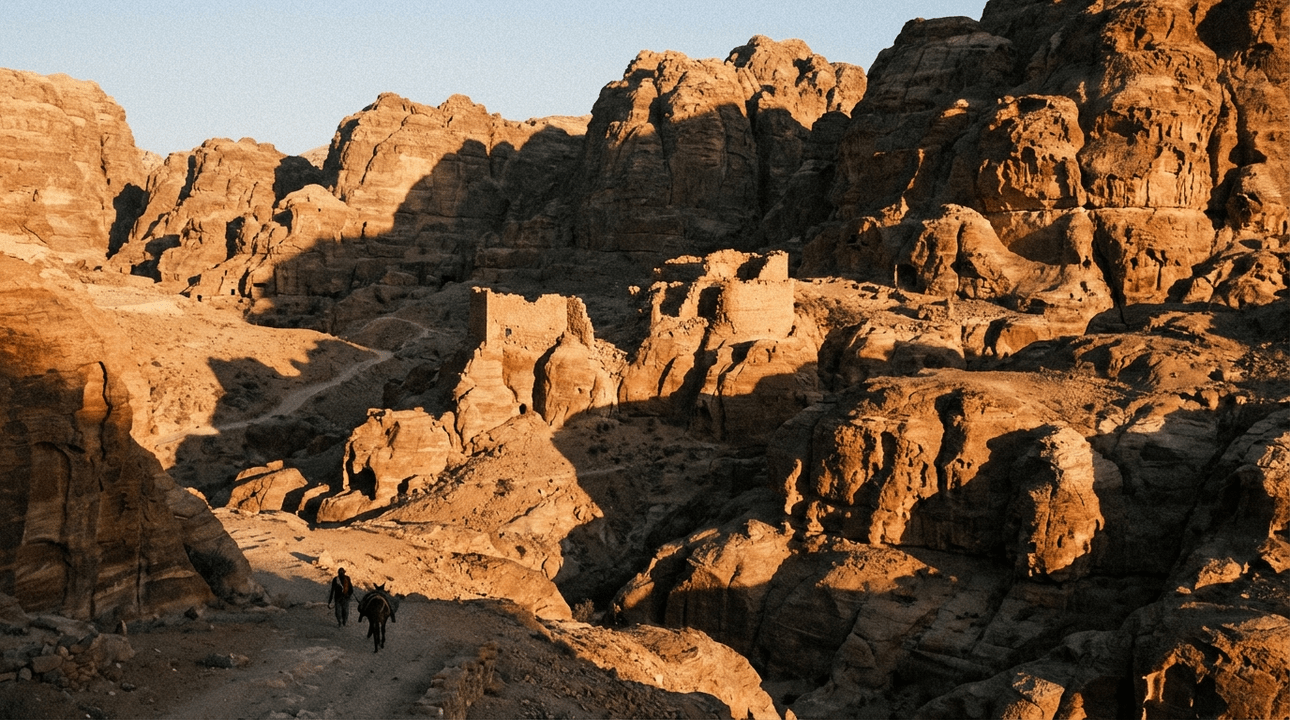
The terrain of Edom is rugged and mountainous, as described in the Bible. The highest peak in this region, Mount Seir, is a prominent feature and a biblical landmark. Mount Seir is often mentioned in connection with the descendants of Esau, who settled there (Genesis 36:8-9).
This challenging landscape influenced the lifestyle and defense strategies of the Edomite people, providing natural fortifications against invaders and shaping their cultural identity.
Edom’s mountainous terrain, particularly Mount Seir, played a crucial role in the development of Edomite society. The natural defenses offered by these landscapes were instrumental in preserving their autonomy and cultural heritage.
The rugged terrain of Edom, with its towering Mount Seir, played a crucial role in shaping the lives and strategies of the Edomites. Mount Seir, mentioned in Genesis 36:8-9, provided natural defenses that were integral to their survival. The Edomites utilized these mountainous landscapes to fortify their settlements, making it difficult for invaders to penetrate their territory.
This geographical advantage allowed them to maintain a degree of independence despite pressures from neighboring nations.
Edom’s mountainous terrain, particularly Mount Seir, was a key factor in their defense strategies and interactions with other nations. The natural fortifications offered by these landscapes were instrumental in preserving Edomite autonomy and resilience.
Edom’s Role in Biblical History
Biblical Edom has a compelling history interwoven with the narratives of the Israelites.
It was often in conflict with Israel, as seen in the stories of King Saul and David. According to 1 Samuel 14:47, King Saul fought against the neighboring kingdoms, including Edom.
David later subdued Edom, establishing garrisons and making the Edomites his subjects (2 Samuel 8:13-14).
These events highlight the ongoing tensions and power struggles between the two nations.
The history of Edom and Israel is marked by conflict and conquest. Figures like Saul and David played key roles in shaping their interactions. Saul, the first king of Israel, fought against Edom as part of his military campaigns (1 Samuel 14:47). Later, King David achieved significant victories over Edom, establishing Israelite dominance (2 Samuel 8:13-14).
These biblical accounts provide a glimpse into the complex dynamics between these ancient neighbors, highlighting the ongoing struggles for power and territory.
The interactions between Edom and Israel were characterized by a series of conflicts and conquests, with notable figures like Saul and David influencing their historical narratives. The Bible’s accounts reveal the intricate and often adversarial relationships that defined these neighboring nations.
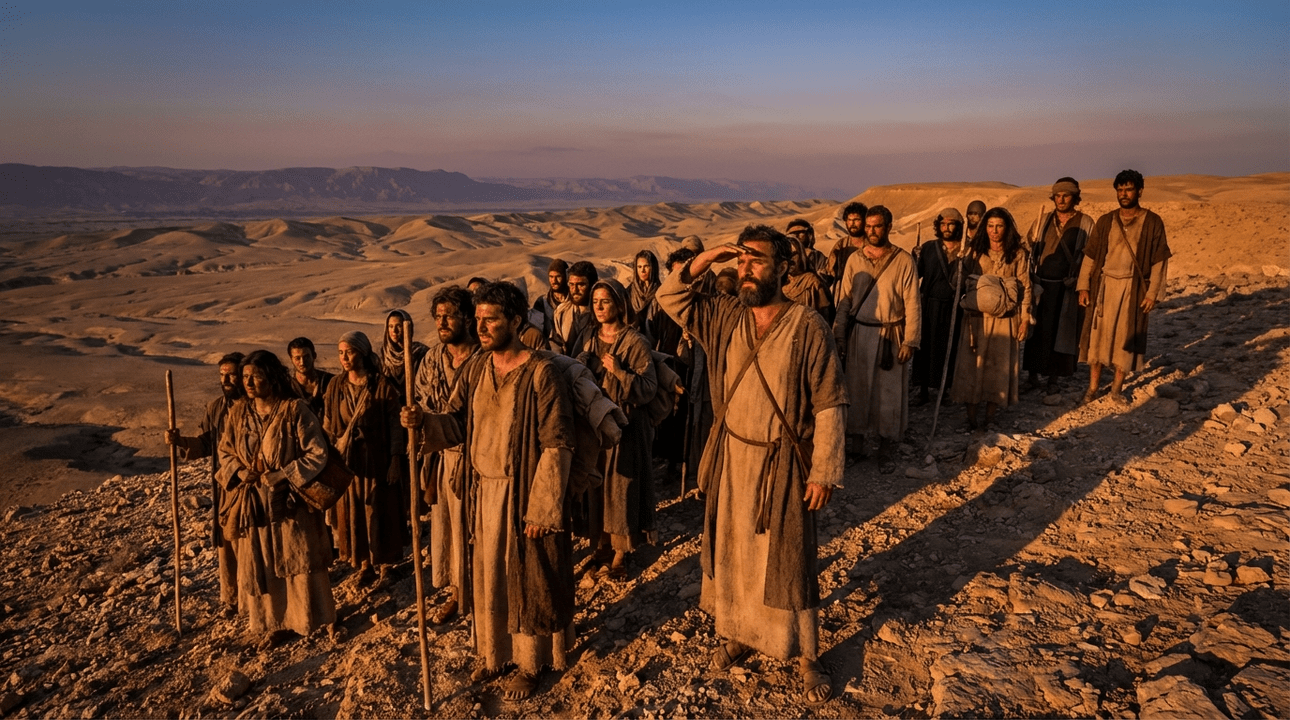
Edom’s complex relationship with Israel is highlighted in the story of Moses. As the Israelites journeyed from Egypt to Canaan, they requested passage through Edom. However, the king of Edom denied this request, reflecting the tension between the two nations (Numbers 20:14-21).
This refusal forced the Israelites to take a longer route, demonstrating the strained relations and lack of cooperation between Edom and Israel during their exodus.
Edom’s refusal to grant passage to the Israelites underscores the deep-seated tensions between the two nations. This incident illustrates the challenges faced by the Israelites and the enduring hostilities that characterized their interactions.
The denial of passage by Edom during the Israelites’ journey underscores the longstanding tensions and hostilities between the two nations. As the Israelites sought a direct route to Canaan, Edom’s refusal forced them to take a longer path (Numbers 20:14-21). This event is a testament to the complex and often adversarial relationship that characterized their interactions.
The refusal highlighted Edom’s determination to maintain control over its territory and resist cooperation with Israel.
Edom’s denial of passage to the Israelites reflects the deep-seated tensions and hostilities between the two nations. This incident illustrates the challenges faced by the Israelites and the strained relations that persisted throughout their history.
Cultural and Economic Life in Edom
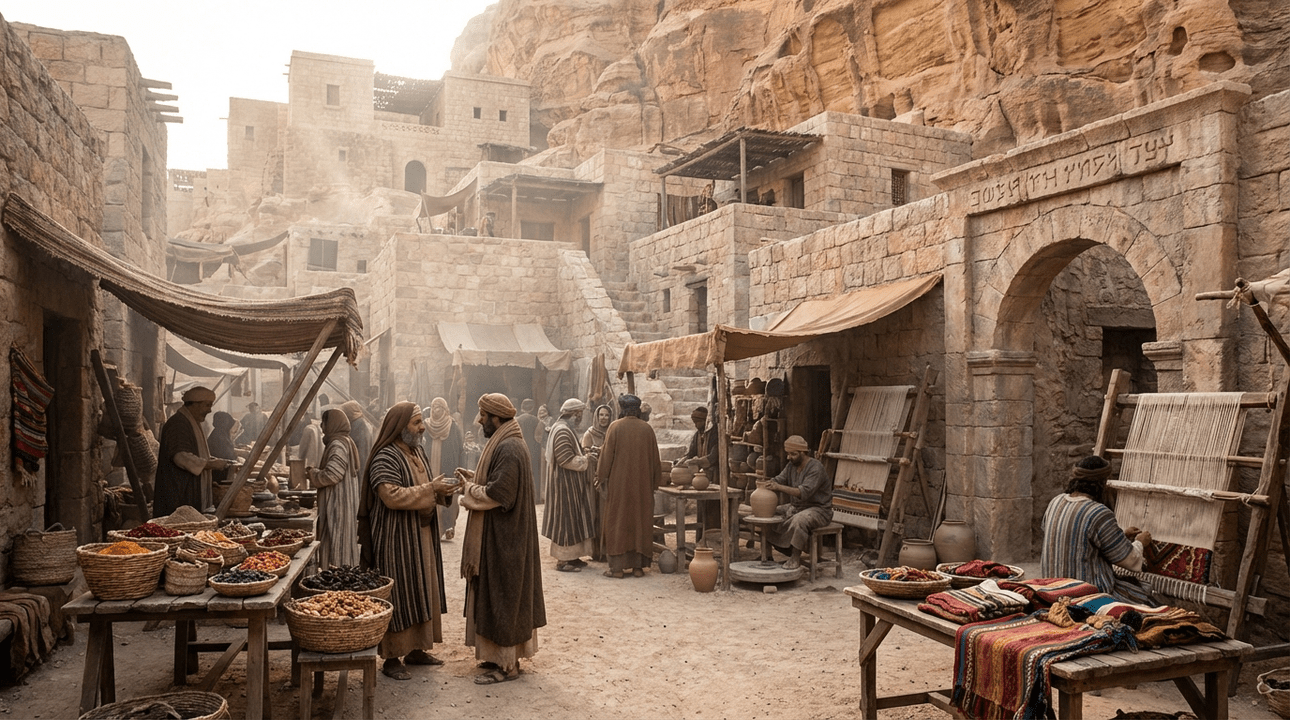
The Edomites were known for their skill in mining and metalwork, with copper extraction being particularly prominent.
Their territory included valuable resources that contributed to their economy. The region around Timna, for example, was a major center for copper mining, dating back to the 10th century BCE.
Trade routes crossing Edom facilitated commerce and cultural exchanges with neighboring regions, enhancing their economic and cultural influence.
Edom’s expertise in mining and strategic location on trade routes played a crucial role in its economic prosperity. The region was rich in copper and other metals, which the Edomites skillfully extracted and traded. This metalworking prowess is mentioned in Ezekiel 27:16, showcasing their role in regional commerce.
Their position along trade routes facilitated cultural exchanges, allowing Edom to interact with various civilizations and enhance its economic standing.
Edom’s mining expertise and strategic trade location were key to its economic success and cultural interactions. The legacy of their metalworking skills and trade connections continues to intrigue historians and archaeologists.
The capital city of Edom was Bozrah, as mentioned in Isaiah 34:6, which was a central hub of activity and governance. This city served as the administrative heart of Edom, where decisions were made and trade was conducted. The Edomites built fortifications and settlements that reflect their adaptation to the harsh landscape.
For centuries, Edom thrived as a distinct kingdom with its own traditions and identity, leaving a lasting imprint on the region’s history.
Bozrah’s role as Edom’s capital highlights its importance as a center of governance and culture. The Edomites’ ability to adapt to their environment ensured their survival and prosperity as a distinct kingdom.
Edom in Prophecy and Legacy
Edom’s prominence in biblical prophecy underscores its significance.
Prophets like Obadiah and Isaiah often spoke of Edom’s downfall and future judgment. Obadiah, in particular, dedicates his entire book to the vision concerning Edom, highlighting its eventual destruction (Obadiah 1:1-4).
Isaiah also predicts Edom’s desolation, emphasizing the divine retribution for its actions against Israel (Isaiah 34:5-6).
These prophecies reflect the historical conflicts and future hopes tied to Edom.
Edom’s role in prophecy serves as a reminder of its tumultuous relationship with Israel and its ultimate fate as foretold by the prophets. The Book of Obadiah, for instance, speaks of Edom’s downfall due to its pride and hostility towards Israel (Obadiah 1:1-4). Similarly, Isaiah 34:5-6 prophesies Edom’s judgment and desolation.
These messages capture the essence of Edom’s place in biblical history, marked by conflict and divine judgment.
Edom’s portrayal in prophecy highlights its contentious relationship with Israel and the consequences of its actions. The prophetic messages underscore the themes of conflict and judgment that define Edom’s biblical narrative.
Despite its adversarial role in the Bible, Edom remains an integral part of the historical and cultural heritage of the region. Its story offers insights into the complexities of ancient Near Eastern interrelations. The land of Edom continues to captivate archaeologists and historians today, with sites like Petra revealing the architectural and cultural achievements of the Edomites.
Petra, though primarily Nabataean, showcases the influence of Edomite craftsmanship and trade.
Edom’s enduring legacy is reflected in its contributions to regional history and culture. The archaeological discoveries in Edom, including sites like Petra, highlight the lasting impact of Edomite civilization on the ancient Near East.
Edom’s legacy in the region is a testament to its historical significance and the intricate web of relationships that defined the ancient Near East. The biblical accounts, such as those in Obadiah and Isaiah, depict Edom as a nation often in conflict with its neighbors. Despite its adversarial role, Edom’s cultural and economic contributions to the region remain noteworthy.
The ongoing interest in Edom reflects its enduring impact on our understanding of biblical history and culture.
Edom’s historical significance and complex relationships with neighboring nations highlight its lasting influence on the ancient Near East. The continued archaeological interest in Edom underscores its importance in biblical history and cultural studies.
Understanding Edom
