
Languages and Clothing in Israel
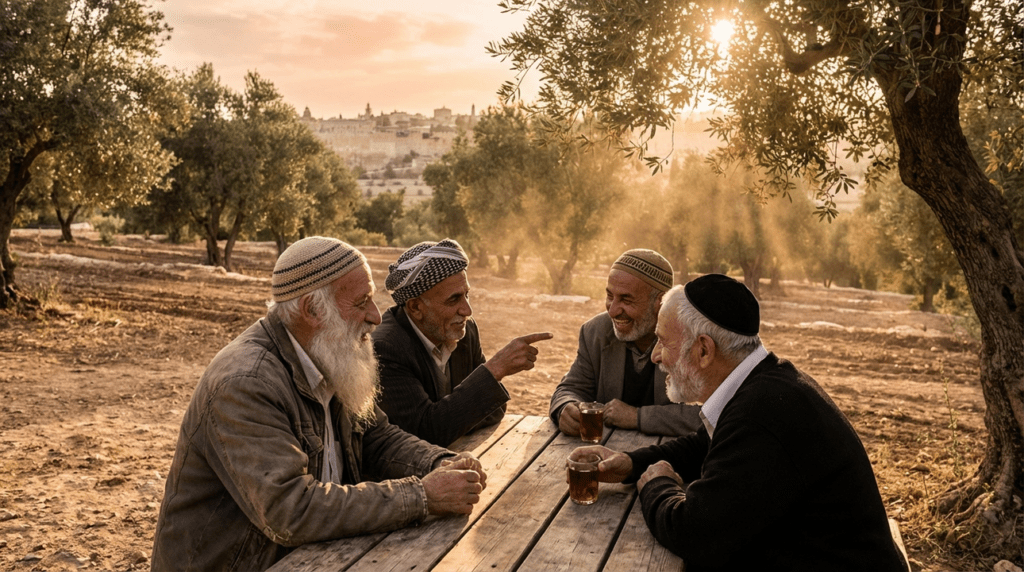

In the heart of the Middle East, Israel is a melting pot of languages and cultures. From the revival of Hebrew to the widespread use of English, linguistic diversity defines daily life. Alongside this linguistic tapestry, clothing styles reflect the blend of tradition and modernity.
Join us as we explore what people in Israel speak and wear, offering insights into the vibrant cultural landscape. This exploration reveals how language and fashion are intertwined with Israel’s identity, reflecting its history and innovation.
His efforts are chronicled in various linguistic studies and reflect the nation’s deep connection to its heritage. Ben-Yehuda’s work included creating new words to accommodate modern concepts, ensuring Hebrew’s relevance in contemporary society.
Ultimately, the revival of Hebrew is a remarkable cultural achievement that underscores Israel’s dedication to its historical roots and its adaptability to modern life. Today, Hebrew is a vibrant and living language, spoken by millions and serving as a symbol of national pride.
Today, Hebrew is the official language of Israel, used in government, education, and media. It symbolizes national identity and continuity with the past. Educational institutions emphasize Hebrew literacy, fostering cultural unity among citizens and serving as a bridge across generational divides.
Israeli Cookbook
Inspired by the Farms of Israel

The Revival of Hebrew
Hebrew, considered a sacred language, found new life in Israel as it transitioned from biblical texts to everyday speech. Eliezer Ben-Yehuda spearheaded this revival in the late 19th century, transforming Hebrew into a modern, spoken language that unites diverse communities.
His efforts are chronicled in various linguistic studies and reflect the nation’s deep connection to its heritage. Ben-Yehuda’s work included creating new words to accommodate modern concepts, ensuring Hebrew’s relevance in contemporary society.
Its evolution marks a significant cultural achievement, recognized worldwide. The revival of Hebrew is often attributed to the efforts of Eliezer Ben-Yehuda, who dedicated his life to making Hebrew a spoken language.
The key takeaway is that Hebrew’s revival is a testament to Israel’s commitment to preserving its cultural heritage while adapting to modern needs. The language serves as a unifying force, connecting Israelis to their ancient roots and each other.
Today, Hebrew is the official language of Israel, used in government, education, and media. It symbolizes national identity and continuity with the past. Educational institutions emphasize Hebrew literacy, fostering cultural unity among citizens and serving as a bridge across generational divides.
Its evolution marks a significant cultural achievement, recognized worldwide. The revival of Hebrew is often attributed to the efforts of Eliezer Ben-Yehuda, who dedicated his life to making Hebrew a spoken language.
Put simply, English serves as a vital link for Israel’s global interactions, enhancing its economic and cultural connectivity. It is also prevalent in the technology sector, where Israel is a leader in innovation, often referred to as the ‘Startup Nation.’ English proficiency allows Israeli tech companies to collaborate with global partners and investors effectively.
The integration of English into Israeli society reflects its educational policies that prioritize language skills. English is taught from an early age in schools, ensuring proficiency among young Israelis. This focus on language education is part of Israel’s broader strategy to prepare its citizens for global engagement.
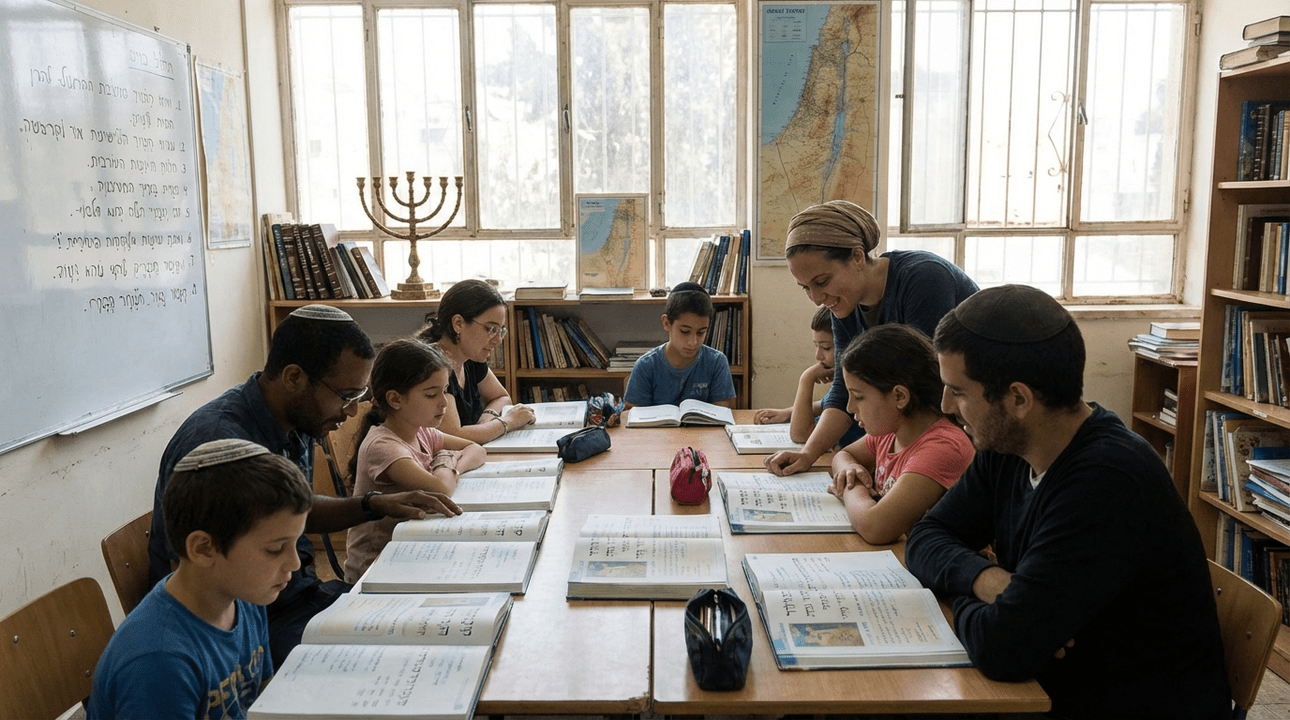
English in Israel: A Common Lingua Franca
English enjoys significant use in Israel, particularly in business and tourism. Many Israelis are bilingual, having learned English at school, which is part of the national curriculum. English is often used in high-tech industries, where Israel is a global leader, and in academic settings, where many courses are offered in English.
English signage is common in urban areas, facilitating communication with international visitors.
This is especially evident in cities like Jerusalem and Tel Aviv, which are major tourist destinations. In these cities, English-speaking guides offer tours of historical sites, and many restaurants provide menus in English, ensuring a welcoming experience for tourists.
For many Israelis, speaking English is not only practical but also a source of pride in bridging cultural gaps. This skill facilitates international travel and business, enhancing Israel’s role on the global stage. English proficiency is often seen as a gateway to higher education and global opportunities, with many Israelis pursuing studies abroad.
English proficiency in Israel is both a practical necessity and a cultural asset, enabling Israelis to engage with the world effectively.
The integration of English into Israeli society reflects its educational policies that prioritize language skills. English is taught from an early age in schools, ensuring proficiency among young Israelis. This focus on language education is part of Israel’s broader strategy to prepare its citizens for global engagement.
Moreover, English proficiency supports career opportunities, making it an essential part of academic curricula.
The kittel, a white robe worn during Passover and Yom Kippur, symbolizes purity. It is often passed down through generations, carrying familial and cultural significance.
This dynamic interplay in Israeli fashion reflects the country’s cultural diversity and adaptability, where traditional and modern elements coexist. It is a testament to Israel’s ability to honor its heritage while embracing contemporary influences.
Clothing choices often reflect personal beliefs, social settings, and climatic conditions. In the hot summers, lightweight fabrics are favored, while winters see a mix of layers to adapt to the cooler climate. For example, in cities like Tel Aviv, casual and modern styles are common, while in Jerusalem, traditional attire is more prevalent.
During religious holidays, such as Rosh Hashanah and Sukkot, traditional garments like the tallit (prayer shawl) are worn, showcasing the blend of faith and fashion in daily life.
In urban centers like Tel Aviv and Jerusalem, international fashion trends mingle with local designs, creating unique styles that reflect both global influences and Israeli creativity. Designers like Alber Elbaz and Shahar Avnet have made significant marks internationally.
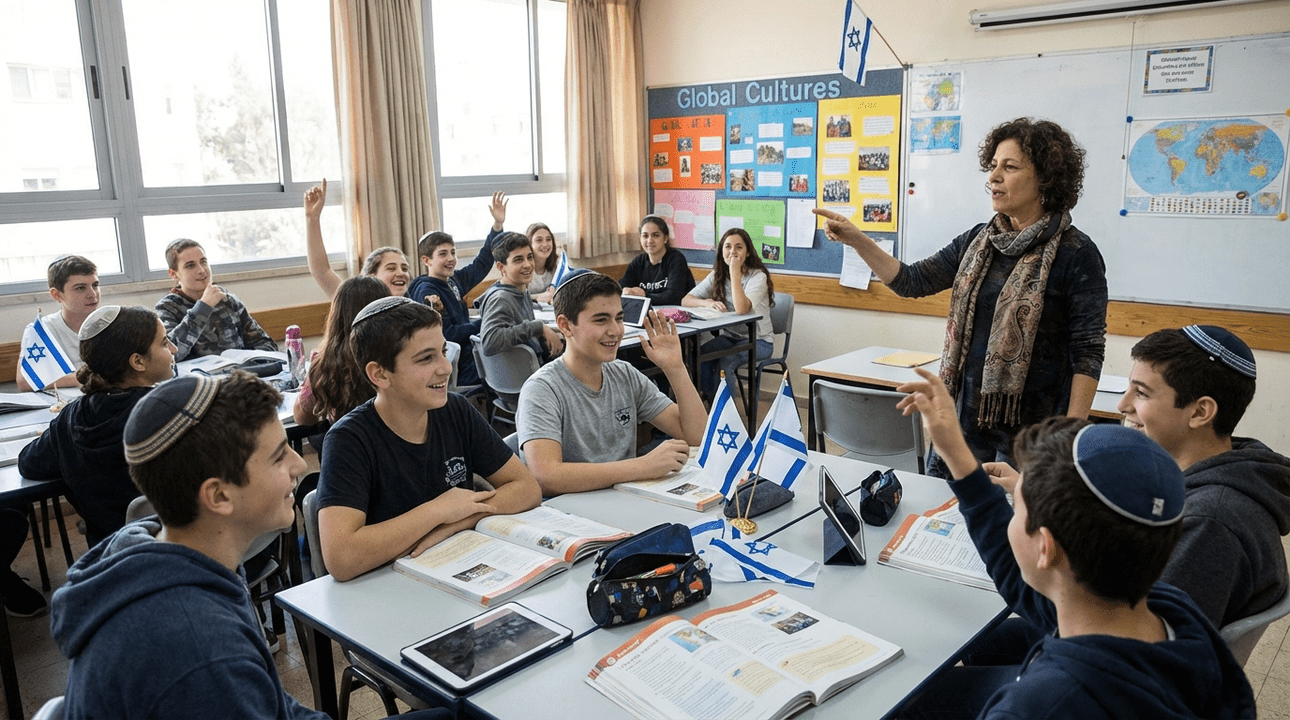
Cultural Influence on Israeli Clothing
Israeli clothing styles represent a fusion of tradition and modernity. From the modest attire of religious communities, such as the ultra-Orthodox Jews, to contemporary fashion seen in urban areas, diversity reigns. This blend is visible during holidays and festivals, where traditional garments like the kittel meet casual Western styles.
The kittel, a white robe worn during Passover and Yom Kippur, symbolizes purity. It is often passed down through generations, carrying familial and cultural significance.
Israeli Cookbook
Inspired by the Farms of Israel
Israeli fashion is a dynamic blend of global trends and local craftsmanship, reflecting the country’s diverse cultural influences and creative spirit. This creativity is also evident in the use of sustainable materials and ethical production practices, aligning with global fashion trends.
This linguistic diversity is celebrated in cultural events and festivals, highlighting the harmonious coexistence of various languages and cultures.
Understanding the linguistic diversity in Israel helps in appreciating the country’s social dynamics and cultural richness. The nation is home to speakers of Hebrew, Arabic, Russian, and English, among others, each contributing to the unique social fabric.
This multilingual environment fosters mutual respect and cultural appreciation among all residents, creating a society where diverse voices are heard and valued.
Israel’s linguistic diversity is a testament to its rich cultural tapestry and the nation’s dedication to preserving its heritage while embracing modernity. This diversity is evident in the use of Hebrew, Arabic, and English across different sectors of society. Hebrew, the official language, symbolizes national identity, while Arabic is spoken by the Arab minority, and English connects Israel to the global community.
In urban centers like Tel Aviv and Jerusalem, international fashion trends mingle with local designs, creating unique styles that reflect both global influences and Israeli creativity. Designers like Alber Elbaz and Shahar Avnet have made significant marks internationally.
Markets are filled with handmade items, such as embroidered dresses and handcrafted jewelry, adding a personal touch to wardrobes and supporting local artisans. These markets, like the famous Carmel Market in Tel Aviv, are vibrant hubs of cultural exchange.
Israel’s languages reflect its complex history and diverse population.
In short: Israeli fashion is a dynamic blend of global trends and local craftsmanship, reflecting the country’s diverse cultural influences and creative spirit. This creativity is also evident in the use of sustainable materials and ethical production practices, aligning with global fashion trends.
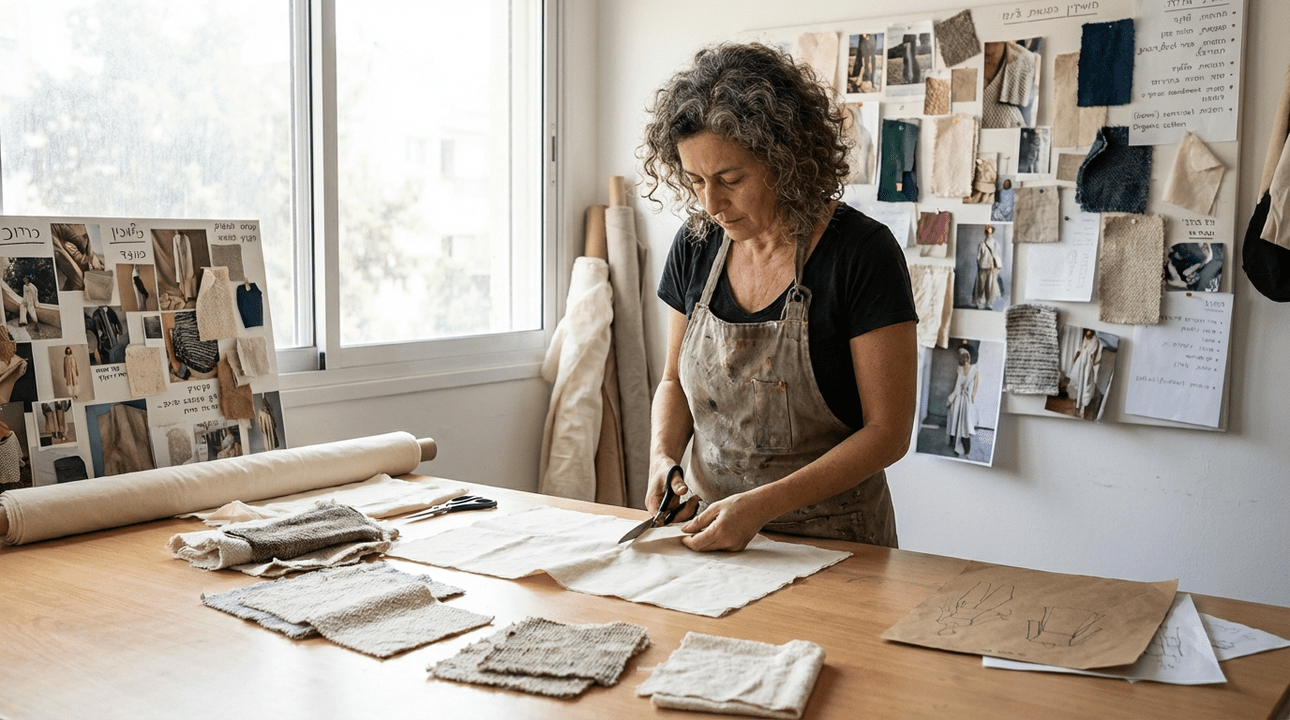
The Role of Language in Israeli Society
Language in Israel is more than a tool for communication; it’s a symbol of national identity and unity. Hebrew, the ancient language of the Jewish people, was revived in the modern era and now serves as the official language.
While Hebrew stands as the cornerstone, languages like Arabic and Russian play significant roles in daily life. Arabic is an official language and widely spoken among the Arab population, while Russian is prevalent among immigrants from the former Soviet Union.
Each language enriches Israel’s cultural tapestry, reflecting its diverse population and complex history. The presence of multiple languages is evident in the media, education, and public signage. Hebrew and Arabic are both official languages, while English serves as a bridge to the international community.
In short: Israel’s multilingualism is a reflection of its diverse society, where languages serve as bridges between different communities and a testament to the nation’s rich historical narrative.
In short: Israel’s multilingualism is a reflection of its diverse society, where languages serve as bridges between different communities and a testament to the nation’s rich historical narrative. This linguistic diversity is celebrated in cultural events and festivals, highlighting the harmonious coexistence of various languages and cultures.
Understanding the linguistic diversity in Israel helps in appreciating the country’s social dynamics and cultural richness. The nation is home to speakers of Hebrew, Arabic, Russian, and English, among others, each contributing to the unique social fabric.
Efforts to maintain linguistic traditions underscore Israel’s commitment to cultural preservation. For instance, Hebrew was revitalized as a spoken language in the late 19th century, a movement led by Eliezer Ben-Yehuda.
This multilingual environment fosters mutual respect and cultural appreciation among all residents, creating a society where diverse voices are heard and valued.
In short: Israel’s linguistic diversity is a testament to its rich cultural tapestry and the nation’s dedication to preserving its heritage while embracing modernity. This diversity is evident in the use of Hebrew, Arabic, and English across different sectors of society. Hebrew, the official language, symbolizes national identity, while Arabic is spoken by the Arab minority, and English connects Israel to the global community.
In short: Israel’s languages reflect its complex history and diverse population.
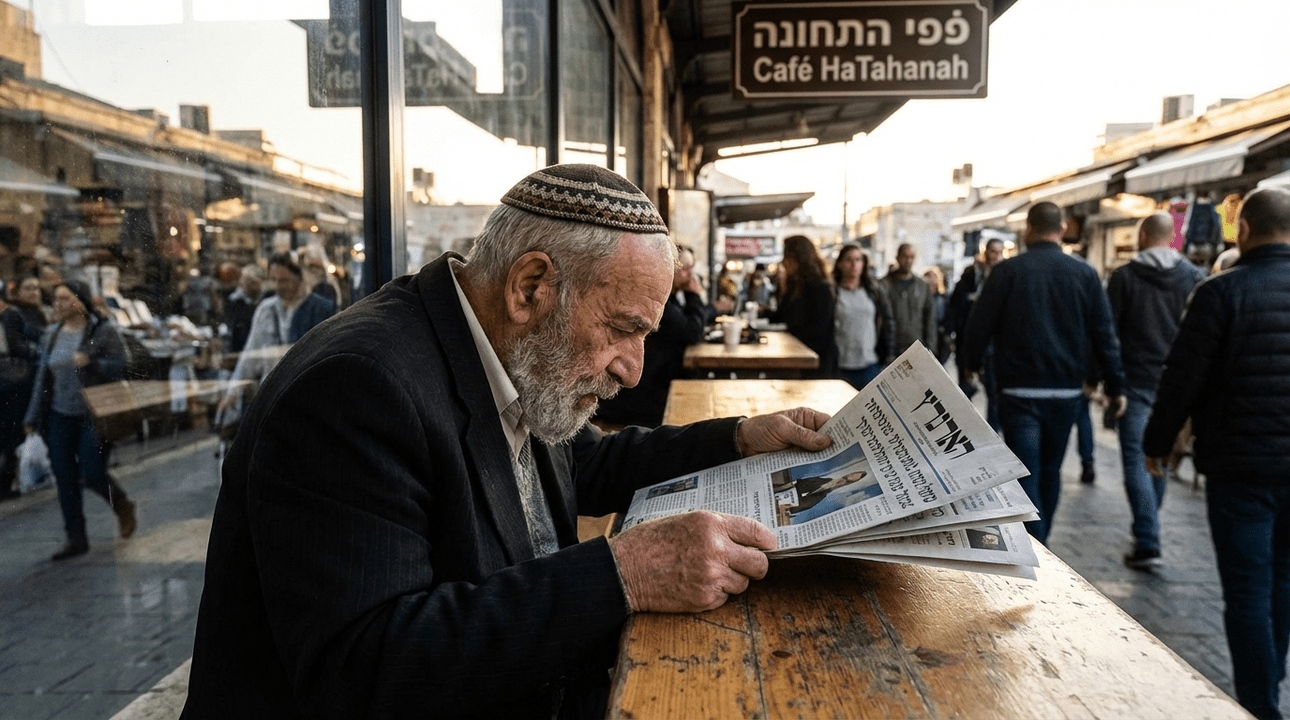
Language in Israel
Fashion and Clothing in Israel
