
Understanding the Enslavement of the Israelites in Egypt
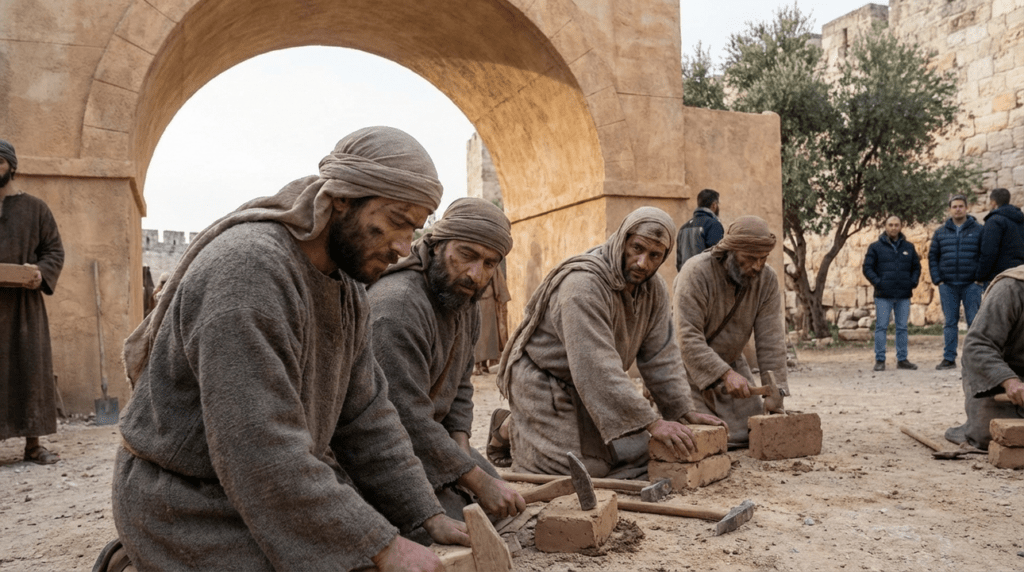

The story of the Israelites’ enslavement in Egypt is a cornerstone of Jewish history. According to Genesis 46, the Israelites initially moved to Egypt during a famine, invited by Joseph, who had risen to power there.
Over generations, their growing numbers led to fear among the Egyptians, resulting in their enslavement. Understanding how they came to live in a foreign land and eventually be enslaved offers insights into their enduring spirit and resilience.
This account is deeply embedded in religious and cultural memory, reminding us of their journey from hardship to hope.
The Arrival in Egypt
Joseph’s rise to power and his family’s move to Egypt set the stage for the Israelites’ eventual enslavement and liberation.
How Enslavement Began
The Israelites were subjected to increasing brutality, including the order to kill all male infants, as seen in Exodus 1:22. Pharaoh’s fear of the Israelites’ potential power led to their enslavement, marking a period of intense oppression.
Duration of Enslavement
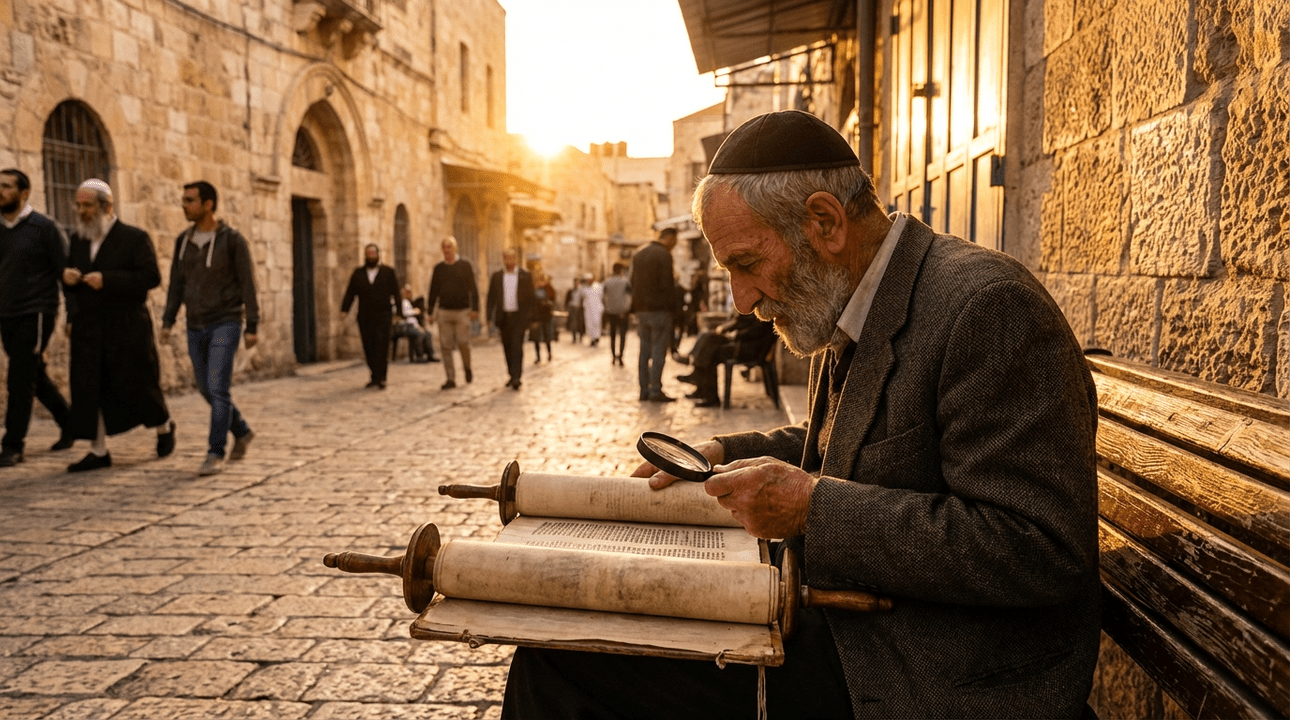
While the exact duration is debated, the period of enslavement remains a symbol of enduring faith and resilience.
Life Under Oppression
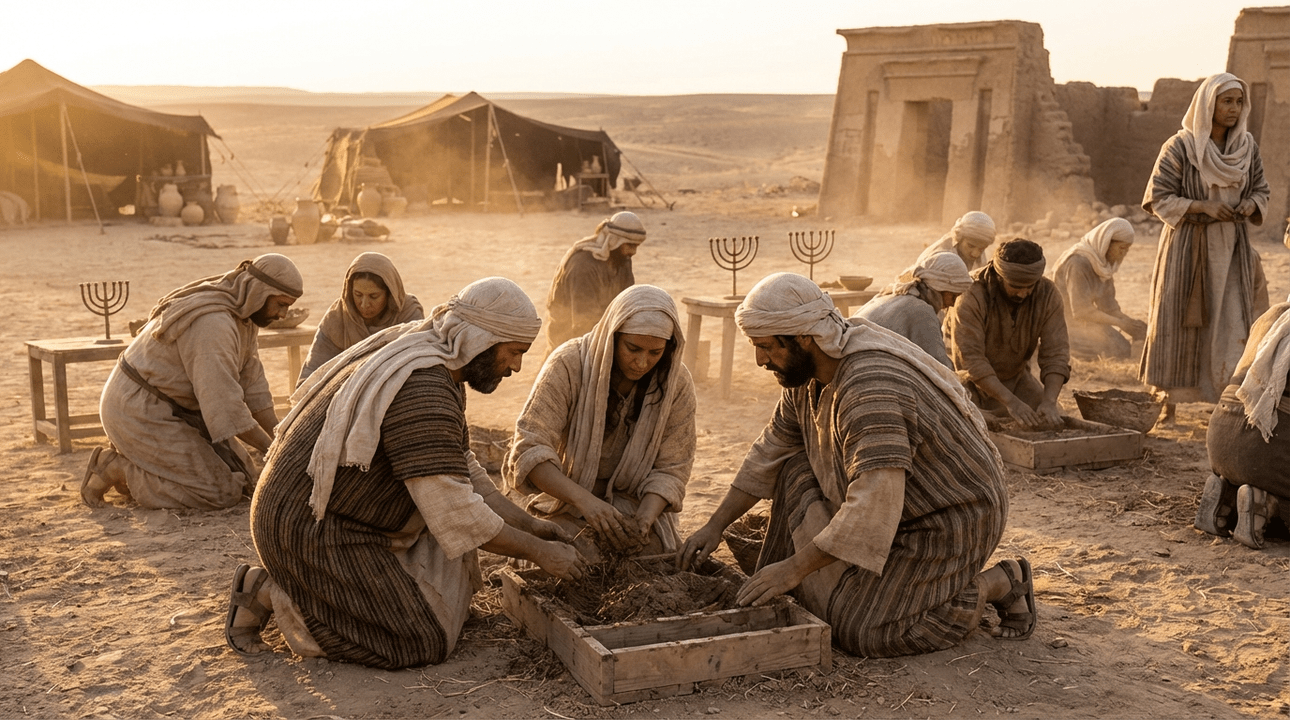
The Israelites’ endurance under harsh conditions highlights their resilience and commitment to preserving their identity.
The Role of Moses
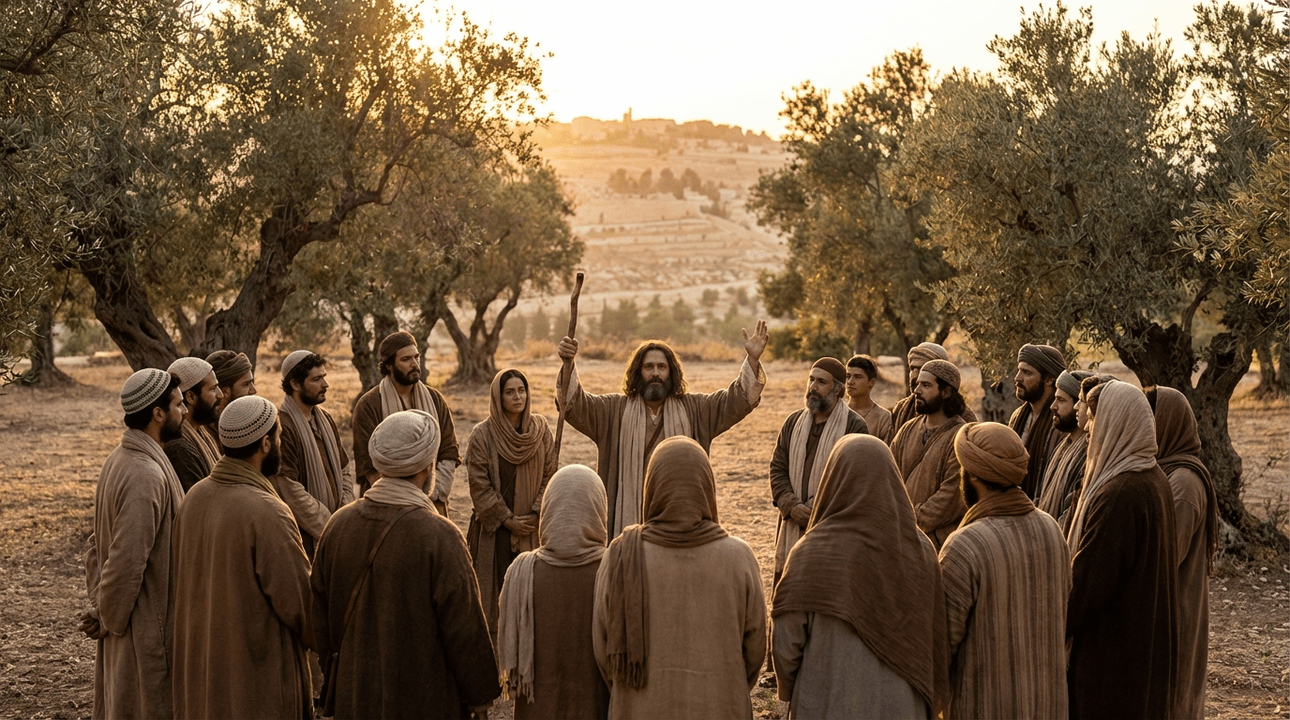
The parting of the Red Sea, a pivotal moment in Exodus 14, demonstrated his leadership and the power of belief. Moses’ journey from the palace to the leader of the Exodus highlights his role as a liberator and unifier.
Why Pharaoh Defied Moses
Pharaoh’s hardened heart set the stage for a dramatic confrontation, showcasing the resilience and faith of the Israelites.

Significance of the Exodus
The Exodus and Passover highlight the themes of freedom and faith, celebrating the Israelites’ journey from slavery to liberation.
Lessons from Enslavement
Moses’ leadership and the Israelites’ unity are key themes, reflecting the strength found in community and faith.
Understanding the Enslavement
