
Unveiling the Delight of Israeli Foods
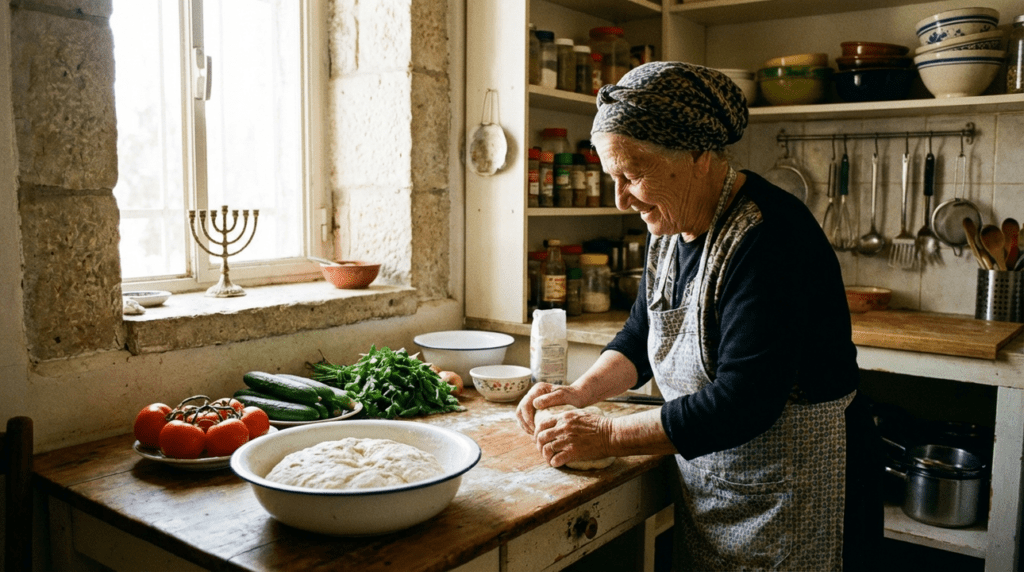

Israeli food offers a diverse tapestry of flavors and traditions. It combines age-old recipes with modern culinary innovations. The use of spices like za’atar and sumac adds a unique flavor profile to many dishes.
From tantalizing street foods to savory breakfast platters, Israeli cuisine reflects the nation’s unique cultural heritage and vibrant foodscape. Za’atar, a blend of herbs, is often sprinkled on breads like pita, while sumac adds a tangy zest to salads and meats.
The influence of Jewish diaspora communities, such as those from Eastern Europe and North Africa, can be seen in dishes like gefilte fish and couscous.
This fusion of culinary traditions creates a rich and varied dining experience, celebrating the multicultural essence of Israel. Gefilte fish, traditionally served during Passover, is a testament to the Ashkenazi influence, while couscous reflects the flavors of North African Jewish communities.
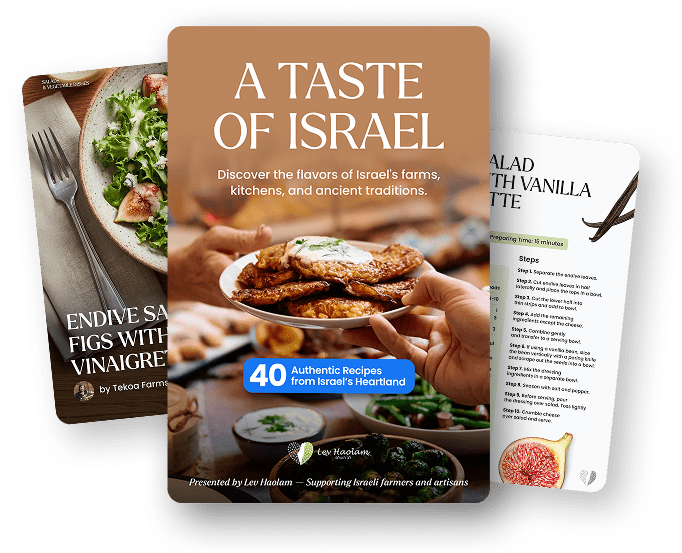
Israeli Cookbook
Inspired by the Farms of Israel
Is Israeli Food Mediterranean?
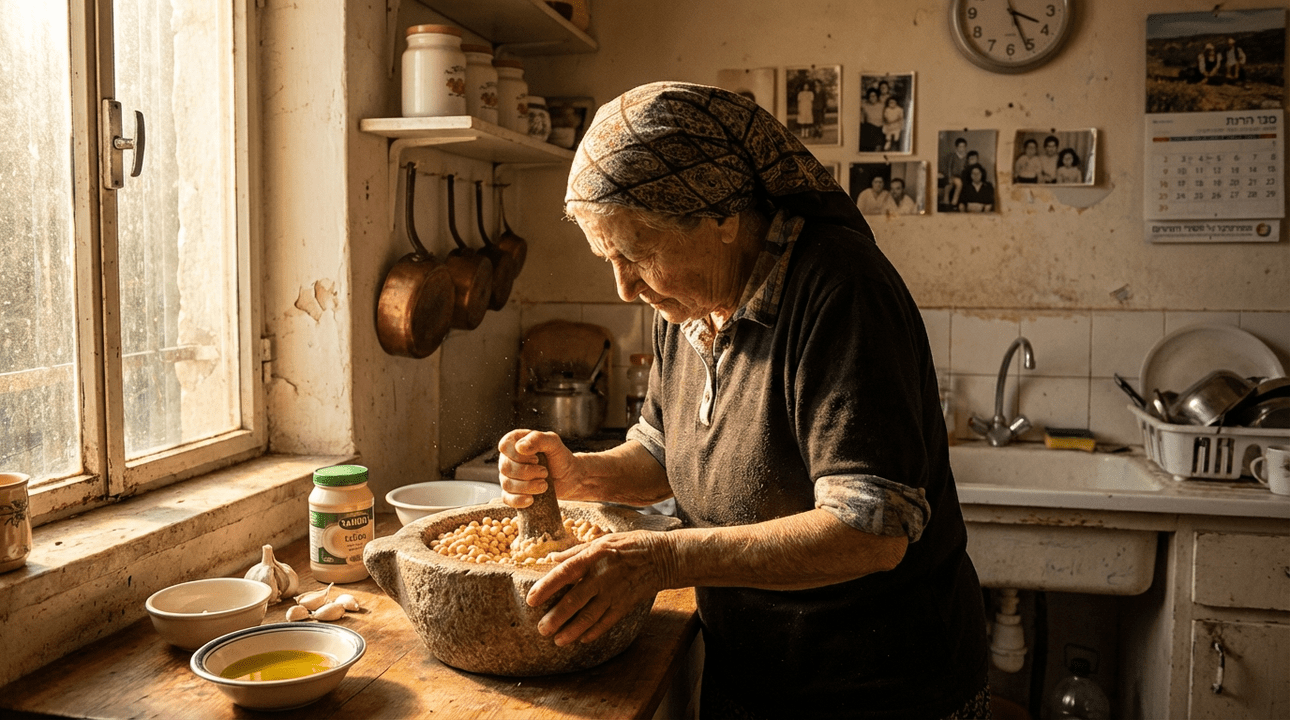
Israeli cuisine can often be classified as Mediterranean, known for its reliance on fresh vegetables, olive oil, and grains.
Dishes like hummus and falafel are staples that showcase regional influences.
According to My Jewish Learning, these foods not only reflect Mediterranean flavors but also hold cultural and historical significance. The use of olive oil, mentioned in the Bible (Deuteronomy 8:8), underscores its importance in the region’s agricultural and culinary history.
Hummus, a creamy blend of chickpeas and tahini, is enjoyed across the country. It not only serves as a favorite at family tables but also as a unifying dish among new generations of Israelis.
Numerous eateries specialize in serving it with a selection of toppings, such as pine nuts, paprika, and olive oil. The popularity of hummus has even led to annual festivals celebrating this beloved dish, highlighting its central role in Israeli culinary culture.
Hummus has ancient roots, with chickpeas mentioned in the Bible (see 2 Samuel 17:28), where they were part of the provisions brought to King David.
Its versatility and nutritional value make it a staple in many diets, reflecting the agricultural abundance of the region. Chickpeas, known as ‘garbanzo beans’ in some cultures, are rich in protein and fiber, making hummus not only delicious but also a healthy choice for many.
Israeli Breakfast Foods
Israeli breakfasts are famous for their variety, often featuring fresh salads, cheeses, and olives.
These morning feasts provide a nutritious start to the day, perfectly capturing the ethos of wholesome Israeli eating habits.
For many, shakshuka—a dish of poached eggs in tomato sauce—stands out as a breakfast favorite. This dish, with its North African origins, has become a symbol of the fusion of flavors that define Israeli cuisine.
The Jewish Virtual Library notes that Israeli breakfasts often include a rich assortment of breads, such as challah and pita, adding texture and flavor to morning meals. Challah, traditionally consumed on Shabbat, is a sweet, braided bread that has become a staple.
Fruit and yogurt complete this nutritional powerhouse, offering a balance of sweetness and creaminess. This combination not only satisfies the palate but also provides essential nutrients to start the day.
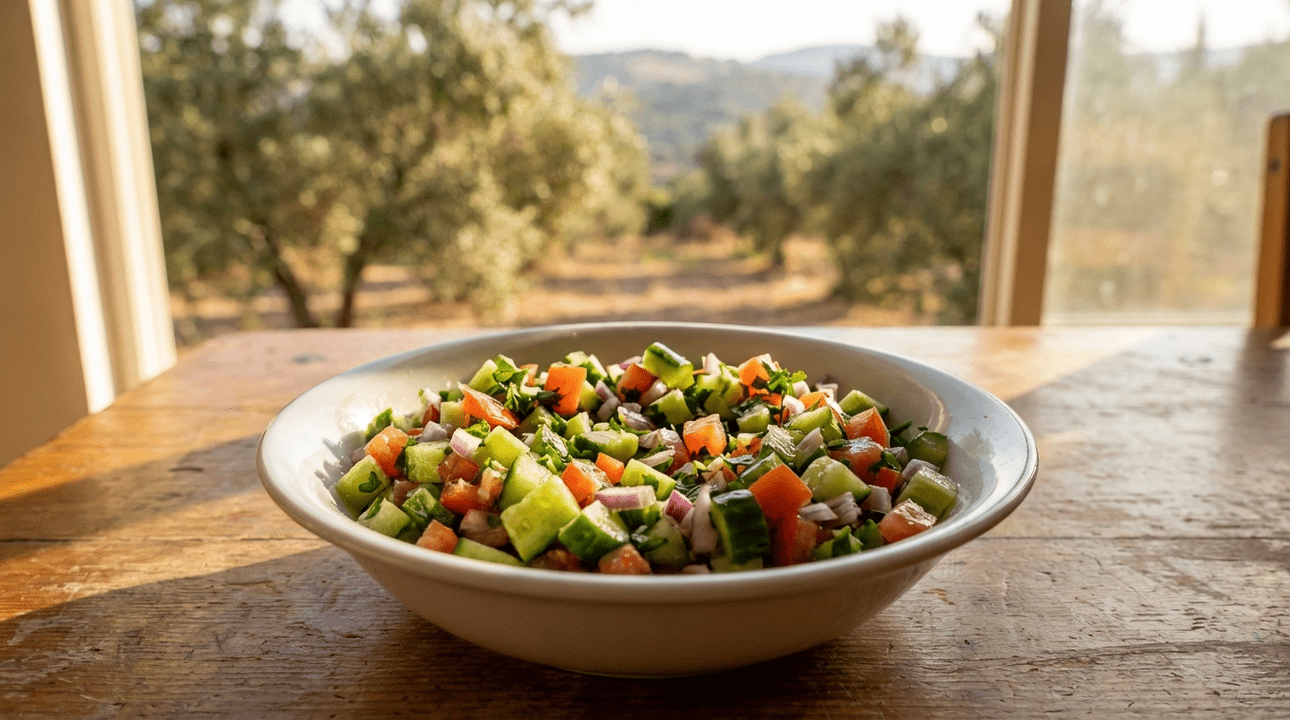
Additionally, salads made with fresh cucumbers and tomatoes, often referred to as “Israeli salad,” are common.
This combination of ingredients provides a refreshing and healthy start to the day, reflecting the Mediterranean influence on Israeli cuisine. The simplicity of Israeli salad, with its olive oil and lemon dressing, mirrors the straightforward yet flavorful approach to food that is typical in the region.
Exploring Israeli Food Products
Israeli food products encompass a range of items, from artisanal cheeses to gourmet olives.
These products often reflect traditional techniques passed down through generations.
Shops and markets abound with offerings that highlight the quality of local produce and craftsmanship. For example, the production of labneh, a type of strained yogurt, dates back to ancient times and remains a staple in many households.
Chabad.org emphasizes the significance of these products, noting how they contribute to Israel’s economy while preserving cultural heritage. Products like olive oil, which has been used since biblical times (see 1 Kings 17:12-16), are central to Israeli cuisine.
The growing international interest in Israeli goods also supports small business growth within the country, fostering economic resilience.
The export of Israeli wines, particularly from regions like the Golan Heights, has gained international acclaim, further boosting the economy.
These products not only provide economic benefits but also promote cultural exchange and understanding globally. The Golan Heights, known for its volcanic soil, offers ideal conditions for vineyards, contributing to the unique flavors of Israeli wines enjoyed worldwide.

Israeli Street Food
Street food in Israel offers a culinary adventure with its vibrant and diverse selections.
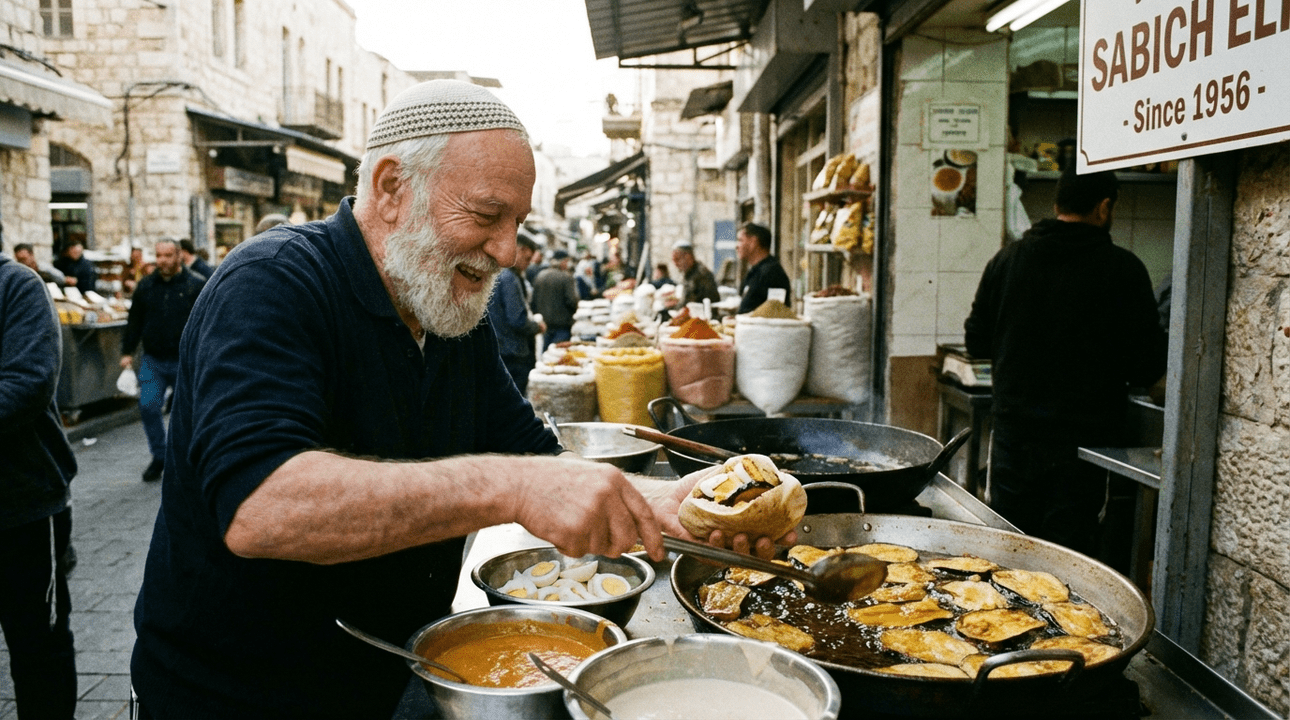
Classic street foods like falafel and sabich sandwiches provide a quick yet satisfying meal for locals and visitors alike.
These foods are not just fast meals but a reflection of the rich cultural mosaic of Israel. Falafel, made from chickpeas or fava beans, is believed to have originated in Egypt, while sabich, with its eggplant and egg filling, has roots in Iraqi Jewish cuisine.
Israeli Cookbook
Inspired by the Farms of Israel
One popular dish, featured on My Jewish Learning, is the sabich sandwich—a pita stuffed with eggplant, egg, and various condiments. This dish originated among Iraqi Jews who immigrated to Israel in the 1940s and 1950s.
The eggplant is often fried to a golden crisp, while the eggs are hard-boiled, adding a rich texture.
It embodies the creativity and diversity of flavors typical of Israeli street fare, often garnished with amba, a tangy mango pickle, and tahini sauce.
Traditional Israeli Food
Traditional Israeli foods offer insights into the nation’s past and its diverse population.
Recipes often blend Middle Eastern influences with those from Jewish communities worldwide.
Notable dishes include labneh, a strained yogurt dip, and rich chicken soups often seasoned with local spices. These foods tell stories of migration and adaptation, much like the biblical journeys of figures such as Abraham and Sarah.
According to the Jewish Virtual Library, feasts during Jewish holidays showcase traditional foods that hold cultural and spiritual significance. For instance, during Passover, matzah is consumed to commemorate the Exodus from Egypt.
These dishes are not only flavorful but also entwined with the nation’s identity and traditions, serving as a reminder of historical events like the story of the Israelites in the Bible.
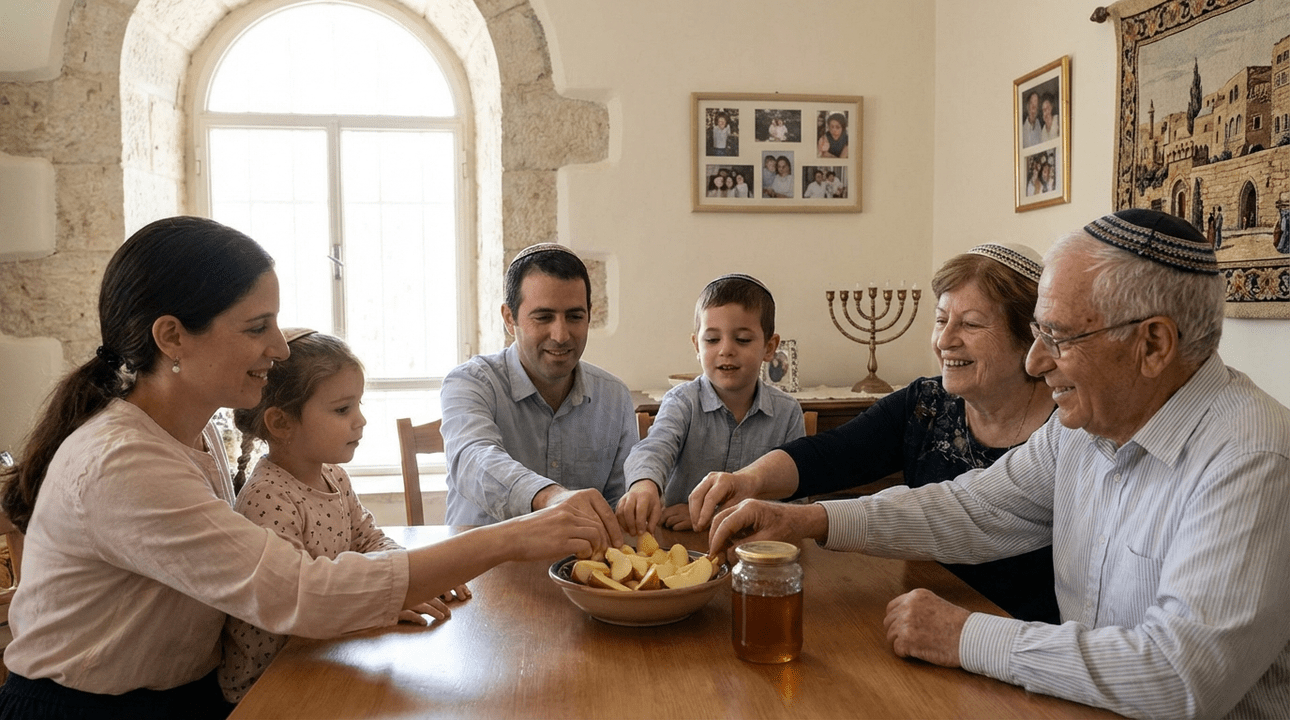
On Rosh Hashanah, apples dipped in honey symbolize hopes for a sweet new year, a tradition that dates back centuries.
This practice is rooted in the desire for a fruitful and prosperous year ahead, as mentioned in the Talmud. Such culinary traditions are deeply embedded in the cultural fabric of the nation, connecting people to their heritage and shared history, much like the blowing of the shofar during this holiday.
Typical Israeli Food
Typical Israeli food reflects a blend of old-world recipes and modern adaptation. Dishes like shakshuka, a North African-originated meal of poached eggs in spicy tomato sauce, are now quintessential.
Meals are often communal, emphasizing sharing and connection among people.
Popular snacks, like Bamba and halva, highlight the sweet and savory aspects of Israeli treats. Shakshuka’s popularity has spread beyond Israel, becoming a beloved brunch dish worldwide.
Bamba, a peanut-flavored snack, is a favorite among children and adults alike, while halva, made from sesame seeds, offers a sweet, nutty flavor.
These snacks illustrate the diverse palate of Israeli cuisine, bridging traditional and modern tastes. Bamba, introduced in the 1960s, has become an iconic snack, while halva traces its origins to ancient Persia, showing the blend of influences in Israeli food culture.
Special occasions like the Shabbat dinner feature time-honored customs and dishes that embody the warmth and community of Israeli culinary culture. Challah is typically blessed and shared at the beginning of the meal, symbolizing unity.
It’s a time for families to gather and celebrate with meals steeped in tradition, such as chicken soup and kugel, a baked noodle or potato dish.
The Shabbat dinner often includes a variety of salads and side dishes, showcasing the diversity of Israeli ingredients.
From tabbouleh, a salad made with parsley and bulgur, to roasted eggplant with tahini, these dishes highlight the Mediterranean influence. The emphasis on communal dining fosters a sense of togetherness and reinforces cultural bonds among family members and friends, much like the shared meals described in the Bible, such as in Exodus 12:3-4.
Understanding Israeli Cuisine
