
Journeying to Jerusalem: Distances from Babylon, Bethany, and Beyond
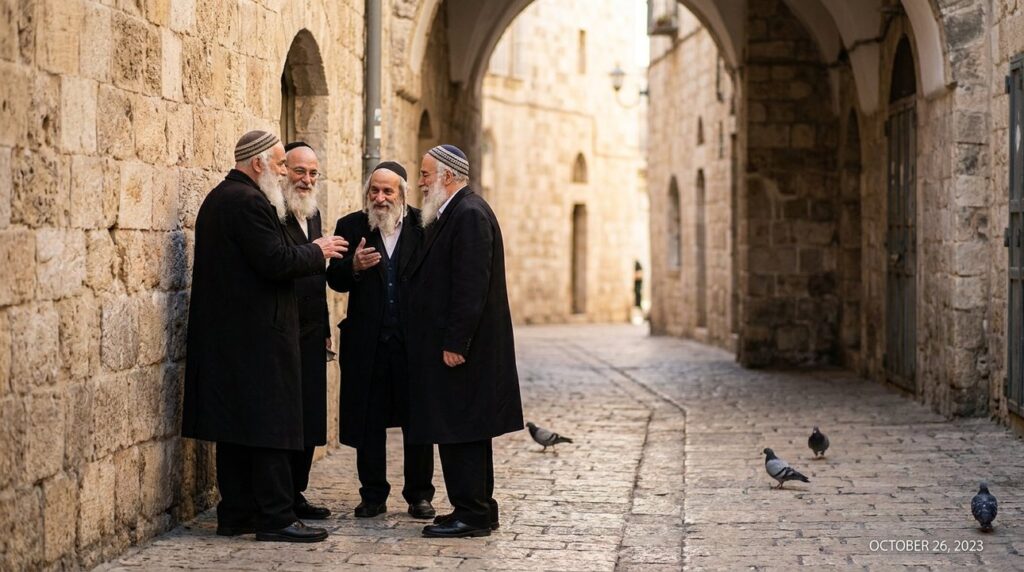

Discovering the historical routes to Jerusalem invites us into an exploration that spans both geography and faith. From far-off lands like Babylon to closer sites such as Bethany (a village near Jerusalem), these paths tell ancient tales of pilgrimage and prophecy. Traveling from Babylon, for instance, was a significant undertaking that often marked a return to spiritual roots.
Understanding these distances connects us to Israel’s unique cultural story, bridging time through distances traversed by travelers, sages, and seekers alike. Each step taken on these paths is a testament to the enduring legacy of faith and the continuous quest for spiritual fulfillment.
The Path from Babylon to Jerusalem
Traversing from Babylon to Jerusalem covered a notable distance in ancient times. Located in modern-day Iraq, Babylon was approximately 1,500 kilometers (930 miles) away. This route, often taken by exiled Jews returning home, involved weeks of travel through diverse terrains. The path passed through deserts and fertile lands, challenging travelers physically and spiritually.
The route symbolized spiritual rebirth and renewal, as many embarked on this path seeking the promise of restoration in the sacred city of Jerusalem. It was not just about reaching a physical destination but about reclaiming one’s heritage and identity.
Bethany: A Short Distance Yet Deeply Symbolic
Bethany, located just about 2 miles from Jerusalem, offered a brief but meaningful journey. This small town played host to significant biblical events and was a frequent stop for travelers heading to Jerusalem. In the Hebrew Bible, Bethany was known for its hospitality and as a place of rest.
Its proximity to Jerusalem made it a place of rest and reflection, serving as a transitional space before entering the bustling sacred city. Here, travelers could pause and prepare themselves spiritually for the experiences that awaited them in Jerusalem.
Bethany is mentioned in the context of King David’s flight from Absalom (2 Samuel 15:30), where it served as a place of refuge. This was a critical moment in David’s life, as he fled from his son Absalom’s rebellion, seeking solace and safety. Bethany’s role as a sanctuary highlights its historical importance as a place of comfort and introspection.
The path from Bethany to Jerusalem was more than a physical walk; it was a spiritual passage that allowed travelers to connect with their faith and heritage. For many, this route symbolized a journey towards spiritual enlightenment and reflection, providing an opportunity to meditate on their beliefs and the history of their people.
The Route from Galilee to Jerusalem
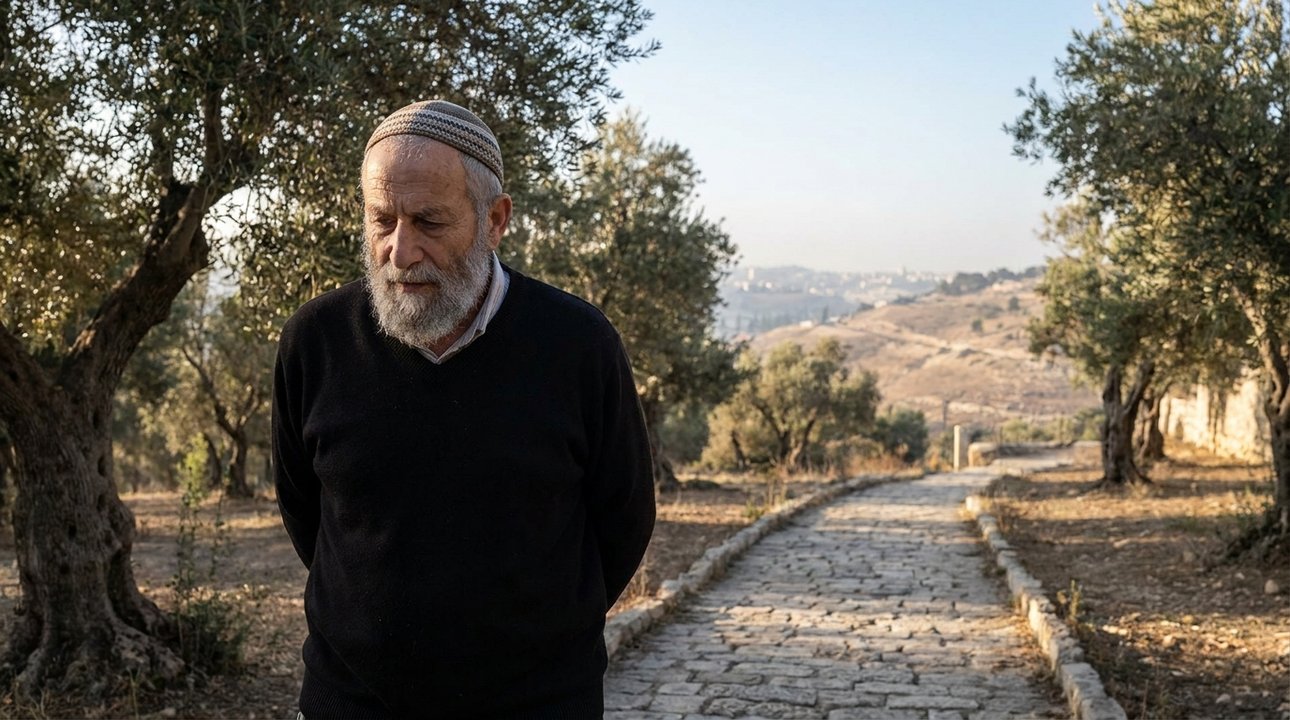
Covering about 120 kilometers (75 miles), the route from Galilee (a region in northern Israel) to Jerusalem was an important pilgrimage path. This journey not only connected different parts of the country but also tied together various cultural and religious traditions. Pilgrims would travel through towns and villages, each with its own unique history and significance.
Travelers navigating this route would have experienced a blend of landscapes and climates, from fertile lands in Galilee to the more arid areas nearing Jerusalem. The diversity of the terrain mirrored the rich tapestry of the cultural and spiritual experiences encountered along the way.
Jerusalem to Egypt: An Epic Journey on Foot
Walking from Jerusalem to Egypt was an arduous trek covering around 700 kilometers (435 miles). This path held historical and spiritual significance, echoing the biblical narratives of travelers and exiles seeking refuge or freedom. The journey was fraught with challenges, from harsh terrains to the need for sustenance and protection.
In the Hebrew Bible, Egypt is often depicted as a place of both refuge and bondage, as seen in the story of Joseph and his brothers (Genesis 37-50). Such treks were fraught with challenges but also with the promise of new beginnings. They symbolized the dual nature of seeking safety while confronting the past.
Today’s pilgrims might find this distance daunting, but for ancient travelers, it represented both a physical challenge and a spiritual quest. The trek from Jerusalem to Egypt was not just about reaching a destination; it was about the transformative experiences along the way. Travelers would have encountered diverse cultures and landscapes, each contributing to their journey.
These narratives remind us of the resilience and faith required to undertake such treks, reflecting the enduring human spirit in the face of adversity. The path was a test of endurance and faith, mirroring the inner journey of self-discovery and spiritual growth.
Bethphage to Jerusalem: The Final Steps
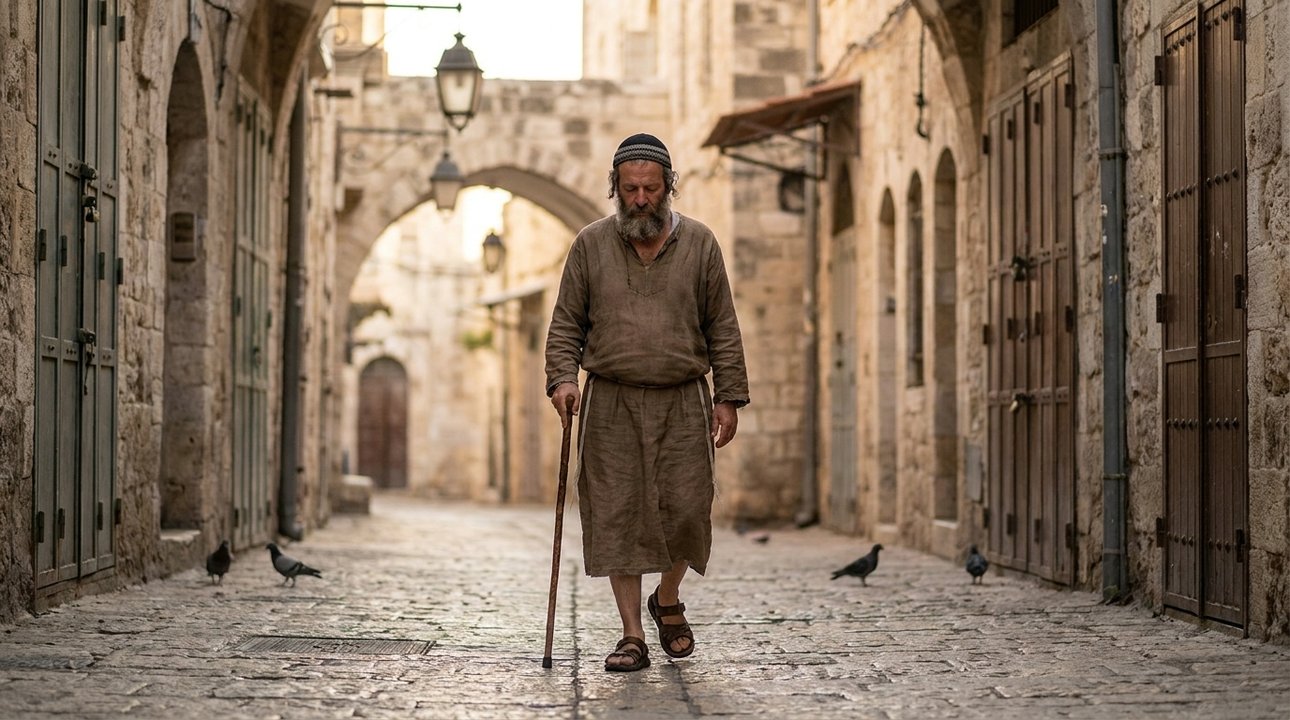
Bethphage, closely situated to Jerusalem at just about 1 kilometer (0.6 miles) away, marked the final leg for many ancient travelers. This location is significant in biblical history as a place of final preparation and anticipation. It was here that travelers would pause, reflecting on their journey and preparing for the sacred experiences ahead.
The path from Bethphage often symbolized the excitement of reaching Jerusalem and the spiritual culmination of a long-awaited pilgrimage. It was a place where travelers could gather their thoughts and prepare for the sacred experiences awaiting them. The proximity to Jerusalem heightened the sense of anticipation and fulfillment.
In historical texts, Bethphage is associated with the Mount of Olives, a site of profound spiritual significance. The Mount of Olives is mentioned in Zechariah 14:4 as a place of future divine events, adding to the anticipation felt by those nearing Jerusalem. This mountain was a vantage point from which travelers could see the city, heightening their sense of arrival.
This short journey from Bethphage to Jerusalem was not just a physical trek but a spiritual ascent, symbolizing the final steps toward a deeper connection with one’s faith. It marked the culmination of a long journey, both physically and spiritually, as pilgrims prepared to enter the holy city.
The Distance from Jerusalem to Damascus
Approximately 217 kilometers (135 miles) separate Jerusalem from Damascus. Travelers historically covered this distance on foot, taking weeks to traverse the path. This trek was not just a physical challenge but also a cultural and spiritual exploration.
Along this route, diverse cultural landscapes unfolded, offering insights into the ancient world and the interconnectedness of these historic cities. The path would pass through regions mentioned in the Hebrew Bible, such as the Golan Heights, adding layers of historical context.
For instance, the prophet Elijah traveled through these lands, as noted in 1 Kings 19:15, where he was instructed to anoint Hazael as king over Aram. Elijah’s journeys were marked by divine encounters and pivotal moments that shaped the course of history. Such journeys highlight the enduring significance of these paths in biblical narratives.
These routes were more than mere roads; they were pathways through which stories of faith and perseverance were woven into the fabric of history, connecting people across time and space. The landscapes traversed by prophets and pilgrims alike hold tales of divine intervention and human resilience.
Hebrew Bible References to These Distances
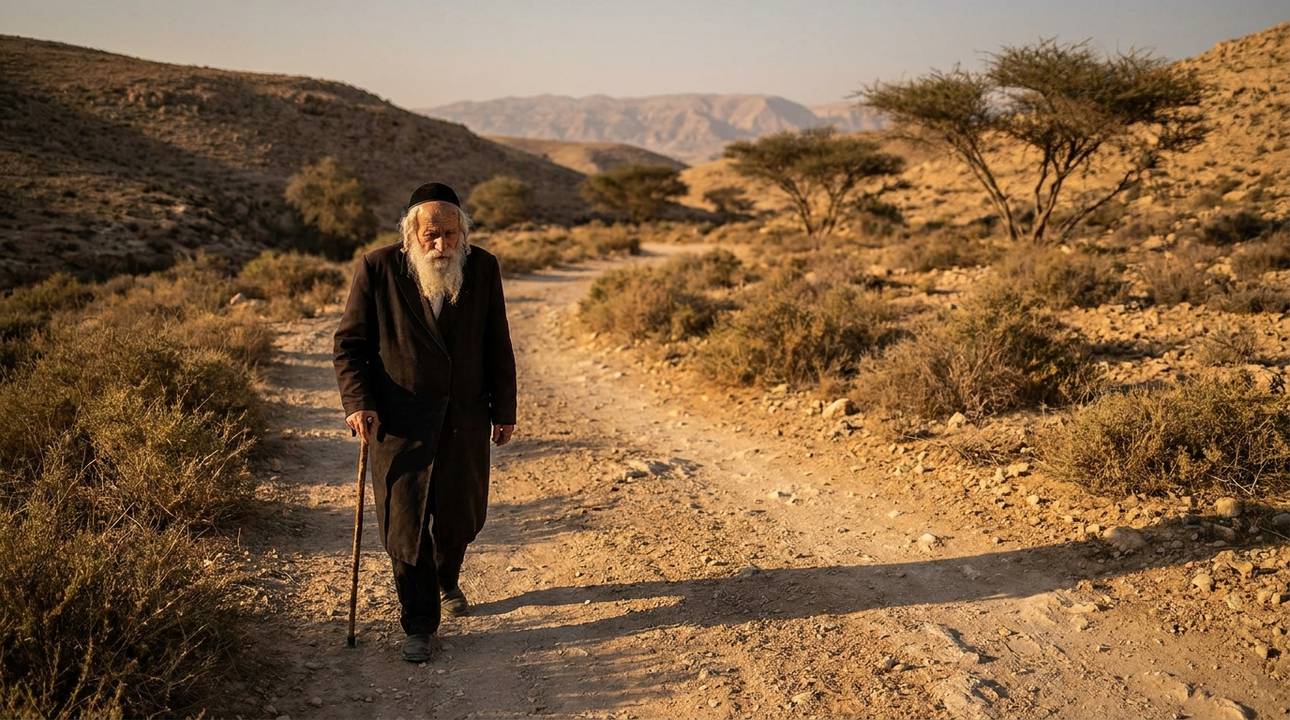
Throughout the Hebrew Bible, distances like these often symbolize more than physical space—they represent spiritual journeys. For instance, the return from Babylon to Jerusalem is commemorated as a return to spiritual roots and identity. This event, detailed in the book of Ezra, chapters 1-2, marked a significant moment in Jewish history.
In the book of Ezra, chapters 1-2 describe the return of the exiles, emphasizing themes of renewal and the rebuilding of the Temple. This event marked a pivotal moment in Jewish history, symbolizing hope and restoration. It was a time of rebuilding both physically and spiritually, as the community sought to restore their homeland and faith.
Ezekiel, in his visions (Ezekiel 40-48), spoke of a restored Jerusalem, reinforcing the spiritual significance of returning to one’s homeland. His detailed descriptions of the future temple and city layout emphasized the hope for renewal and divine presence. The physical journey from Babylon to Jerusalem thus became a metaphor for spiritual awakening and renewal.
These narratives remind us of the enduring power of faith and the importance of returning to one’s roots, both physically and spiritually. The exiles’ return was not just a geographical relocation but a profound reconnection with their cultural and spiritual identity.
Conclusion: The Continuing Significance of these Distances
Though the physical routes to Jerusalem have changed with modern infrastructure, the emotional and spiritual resonances remain. These historical distances continue to inspire pilgrims and travelers, offering profound connections to both heritage and faith.
In exploring these distances, one uncovers layers of history and culture that continue to shape the identity of Israel and its people. The paths walked by our ancestors still echo with their stories and lessons, inviting us to reflect on our own journeys.
The Hebrew Bible is filled with accounts of journeys that shaped the course of history, such as the Exodus from Egypt (Exodus 12-14) and the wanderings in the desert. These stories remind us of the enduring connection between physical travel and spiritual growth. The Israelites’ escape from slavery and their subsequent journey to the Promised Land are emblematic of liberation and divine guidance.
As we explore these ancient routes, we are reminded of the timeless nature of these journeys and their ability to inspire and guide us in our own lives. Each path taken by our ancestors holds lessons of perseverance, faith, and the quest for a deeper understanding of one’s purpose.
Questions on Historical Journeys
