
What Can You Discover About Israel Without Traveling?
From historic places and regional foods to artisans, traditions, and everyday life – a richer way to experience Israel from home.
A plane ticket is one way to meet Israel. It isn’t the only one.
Maybe you’ve loved Israel for years but never been. Maybe you went once and have been quietly homesick for it ever since. Maybe the only Israel you see lately is the one in the headlines, and you suspect there’s a warmer, more ordinary, more alive country behind the news.
Here’s the good part: you don’t have to travel to begin discovering Israel. You can discover its places, its flavors, the people who make things by hand, its traditions, and the rhythm of its everyday life – all from home. And sometimes that discovery becomes the start of a deeper, lasting connection.
This is a tour through the layers of Israel you can explore from your own kitchen table: its regions, its food, its handmade objects, its makers, its traditions, and the stories worth watching. Let’s begin.
You Can Discover Israel Through Its Places
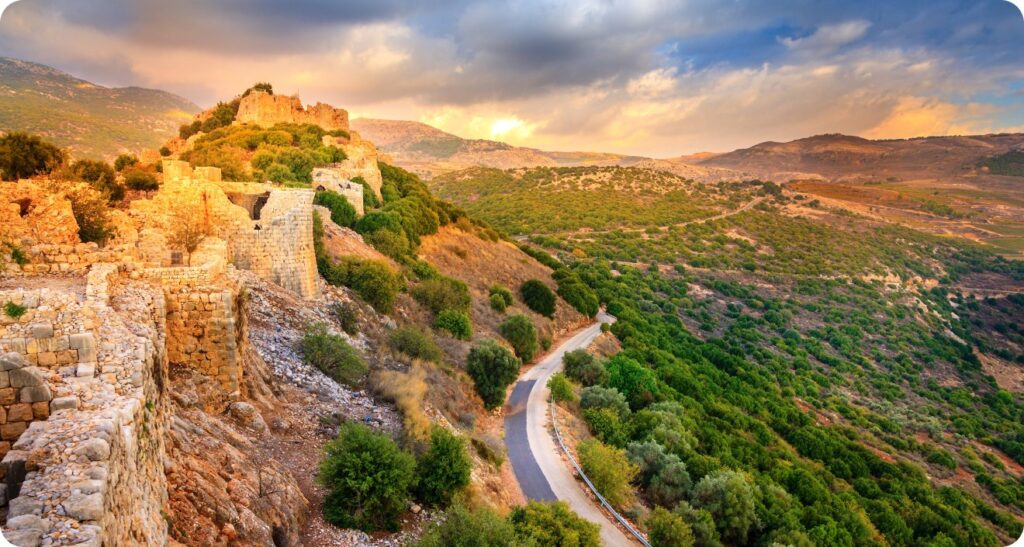
Israel is small on a map and enormous in variety. Each region has its own landscape, climate, and character – and, beautifully, its own products and way of life. You can start to know a place not only by standing in it, but by understanding what grows there, what is made there, and who lives there.
| Region | What it feels like | What comes from there |
|---|---|---|
| Galilee | Green rolling hills, family farms, ancient olive groves | Olive oil, wild herbs and teas (thyme, sage, lemongrass), embroidery |
| Judea | Biblical landscape, deep roots, terraced hills | Wineries, olive oil from ancient trees, ceramics |
| Samaria | Mountain vistas, pioneering communities | Boutique wine, handmade ceramics, Shabbat-table goods |
| The Negev | Desert resilience, wide silence, small communities | Desert olive oil, honey, biodegradable cosmetics |
| The Golan Heights | High volcanic plateau, vineyards, open air | Wine, natural soaps and cosmetics, dairy |
| Jerusalem | Layers of history, sacred atmosphere, markets | Judaica, spice blends, craft of every kind |
What makes this meaningful is not just geography. Every region reveals a different side of the country.
The Negev speaks of endurance and quiet ingenuity. The Galilee feels abundant and rooted. Judea and Samaria carry the texture of ancient continuity. Jerusalem holds layer upon layer of memory, faith, and daily life all at once.
That means discovery can begin long before travel does. A bottle of olive oil, a handmade ceramic piece, a regional spice blend – each one can become a first encounter with a place
You Can Discover Israel Through
Its Food
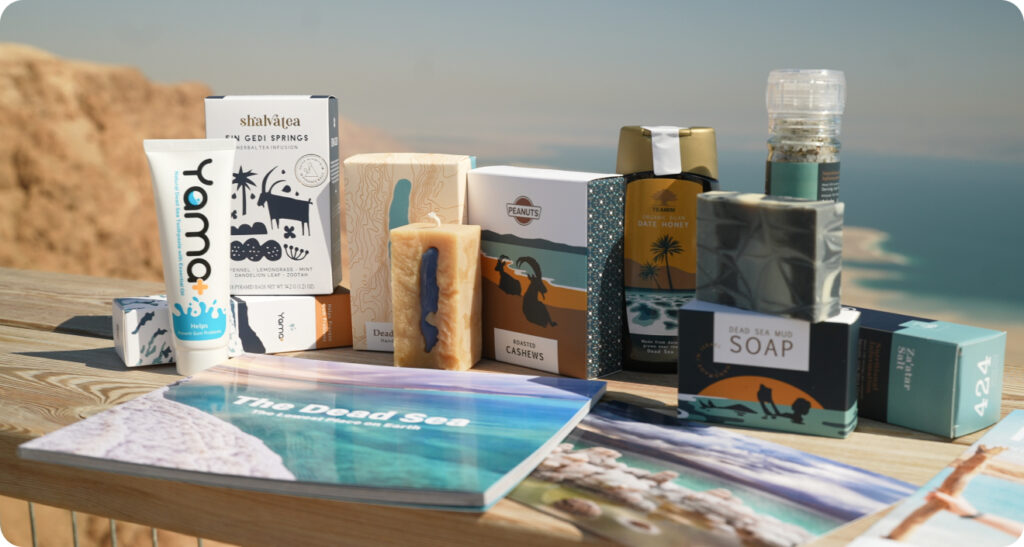
Israeli food is one of the fastest, friendliest doorways into the country – because you can quite literally taste it tonight. But it is never just food. Each ingredient carries a region, a season, and a memory.
A few flavors worth meeting:
Olive oil – pressed from trees that have stood for centuries, once used to light the Holy Temple. There is something different about cooking with oil when you know whose grove it came from.

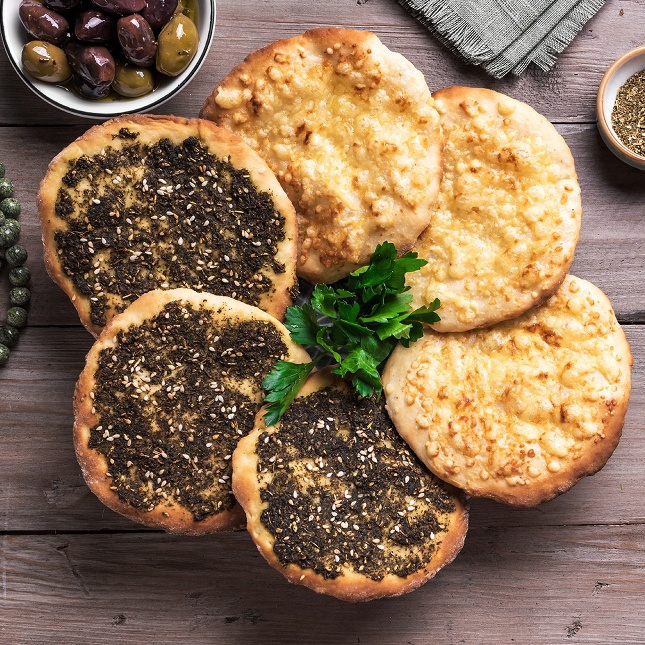
Za’atar – the fragrant blend of hyssop, sesame, and sumac that tastes like the hills it grows on. Lev HaOlam’s own Chef David shows how to make real za’atar anywhere in the world, even without special ingredients.
Raw honey and dates – symbols of sweetness and abundance, especially around holidays like Rosh Hashanah.

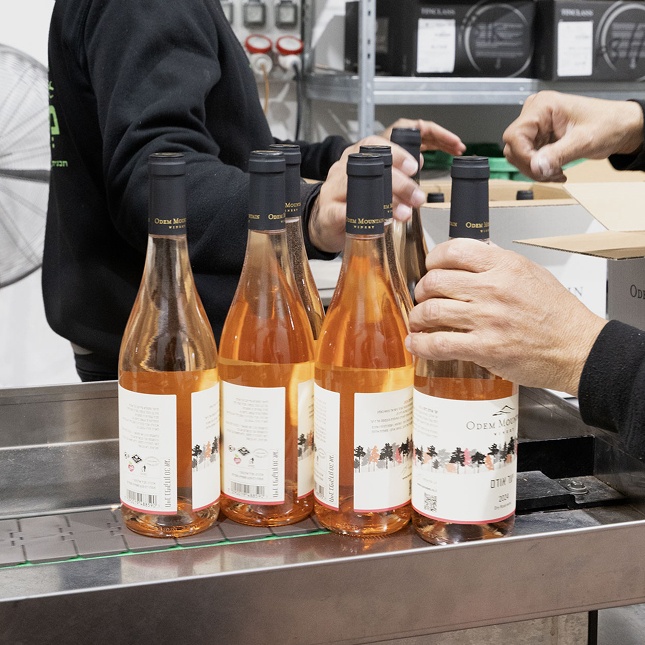
Wine – Israel is one of the few places on earth reviving ancient indigenous grape varieties mentioned in the Bible, such as Marawi and Bittuni, with roots going back over 2,000 years.
Everyday dishes – shakshuka simmering in a pan, fresh chopped salads, warm challah at the Friday table, halva and rugelach for something sweet.

Food is where culture, region, memory, and people all meet on one plate. It is also one of the easiest ways to begin. You do not need a ticket or an itinerary. You need a kitchen, a few ingredients, and a willingness to let another place into your routine.
When you cook an Israeli dish at home, you are not simply imitating a country. You are beginning to participate in its everyday life.
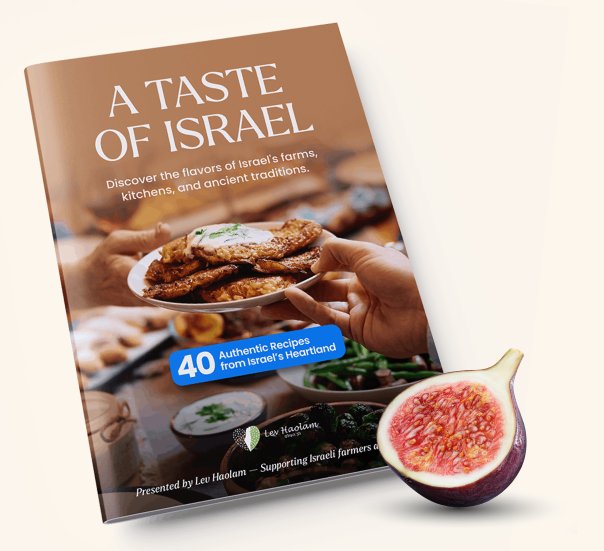
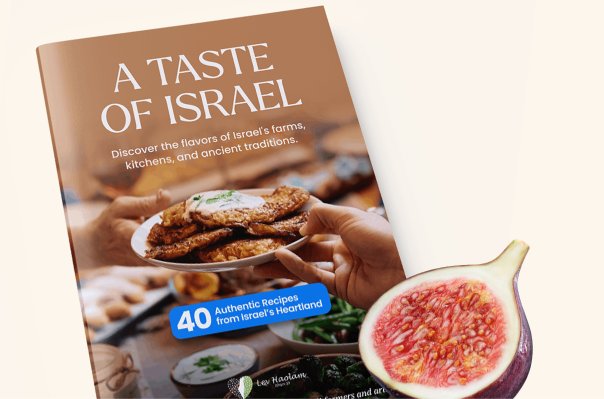
40 Authentic Israeli Recipes Inspired by the Farms of Israel
A $14.99 value — available to you completely free
You Can Discover Israel Through Its Everyday Products
There is a particular kind of closeness that comes from the objects you live with.
A mug you reach for every morning. A ceramic bowl at the center of the table. A bar of olive-oil soap by the sink. A handwoven runner, a pair of candlesticks, a small object that becomes part of the room without demanding attention.
When that object comes from Israel and carries a real story, the country enters your life quietly. Not as an idea, but as presence.
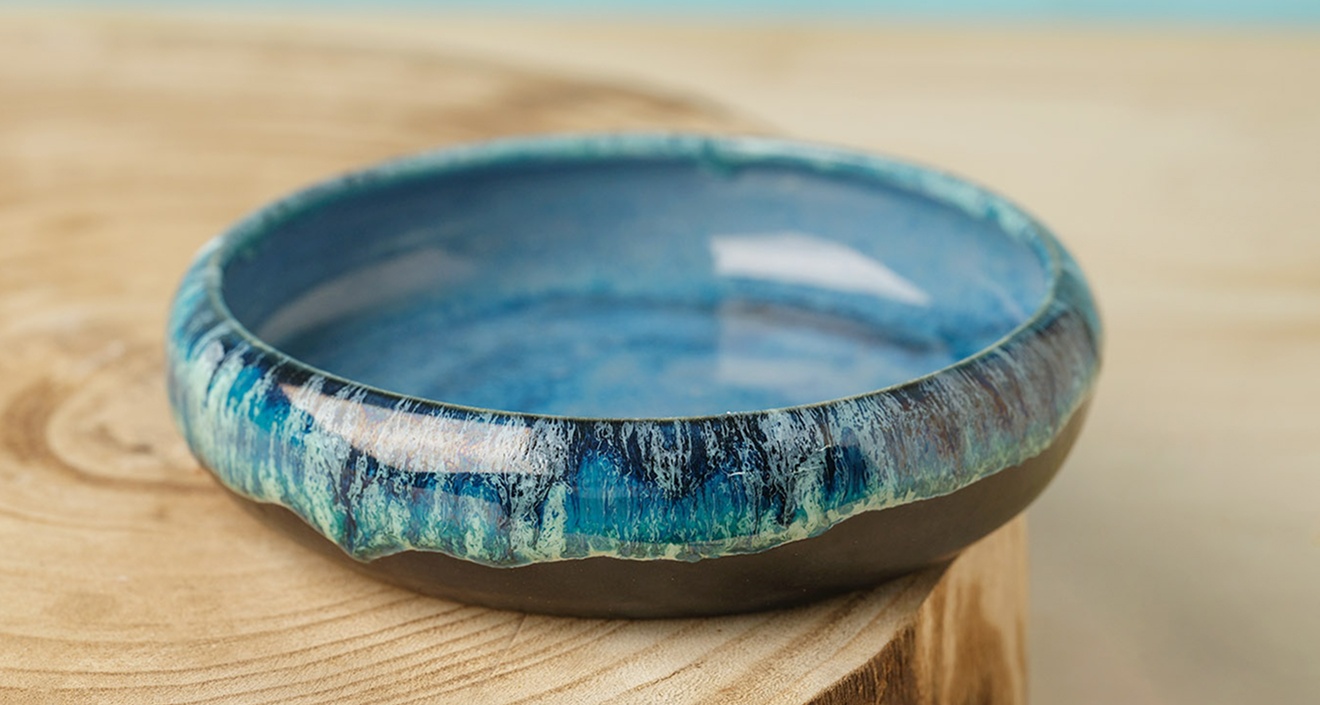
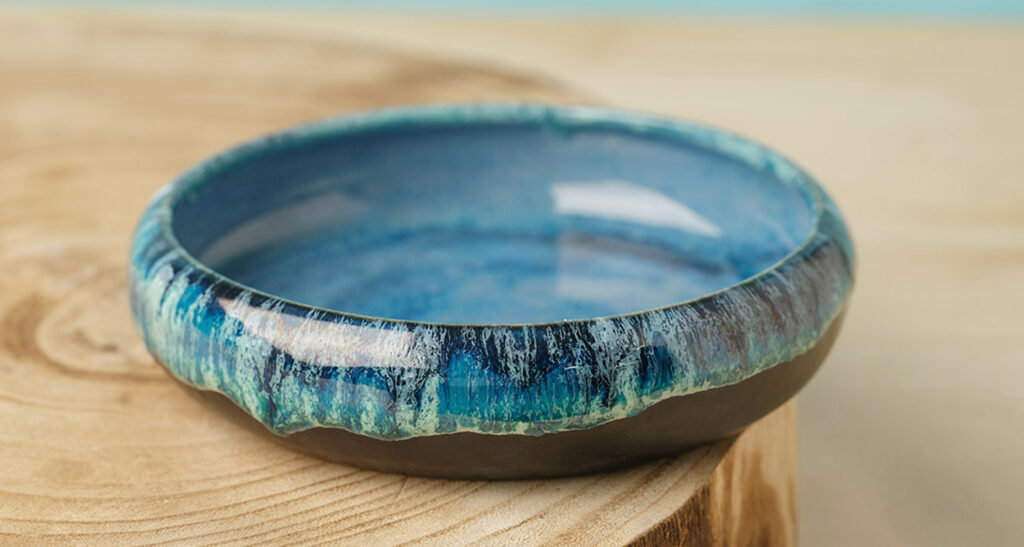
Everyday Israeli products worth discovering include handmade ceramics, natural olive-oil soaps, woven textiles and embroidered runners, candles, kitchenware, and Judaica – Shabbat candlesticks, Seder plates, menorahs, and illustrated Ketubot. These are not only souvenirs or gifts. They are the ordinary, beautiful tools of a real life, made by real hands.
This is the bridge between learning about Israel and living alongside it. A place you only read about remains distant. A place whose objects sit in your home begins to feel familiar.
That familiarity matters. It is one thing to admire a culture from afar. It is another to let its textures, scents, and handmade details enter your everyday life.
You Can Discover Israel Through the People Who Make Things
This is the heart of it.
Every product is a doorway to a person – and behind that person is a region, a family, and a way of life. Discovery through people is the warmest layer of all, because it turns “Israel” from an idea into individuals you can actually name.
Meet a few of them:
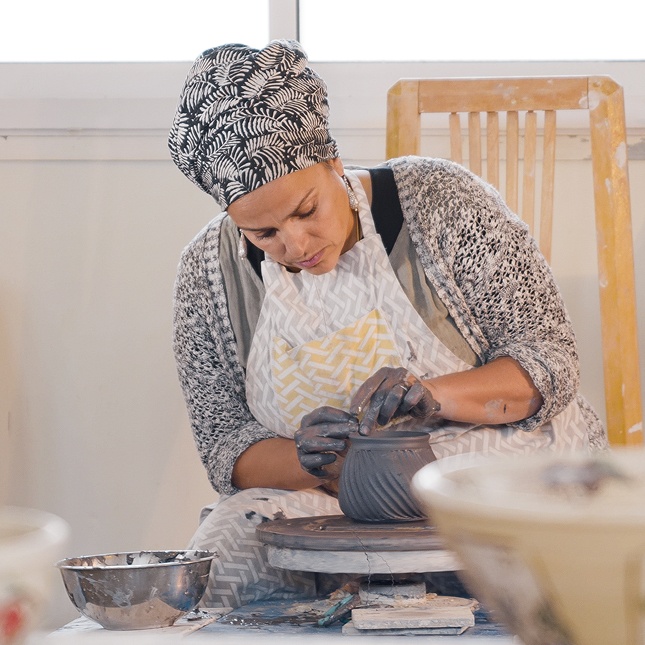
Batya Erdstein – ceramic artist, Itamar (Samaria). Originally from San Diego, Batya moved with her husband and six children to the Samarian hills. She left behind a comfortable career to build a life – and a craft – in one of Israel’s most beautiful regions. Her ceramics are shaped by that conviction.
“For me, I really feel like I’m doing something important… and it’s important that my products go to people that appreciate them.”
Amnon Mizrachi – MASIK Natural Cosmetics, the Golan Heights. Drawing on the olive trees around him, Amnon started making soap as a personal project. The community’s enthusiasm turned it into a thriving family business – a small story of determination that now reaches homes worldwide.
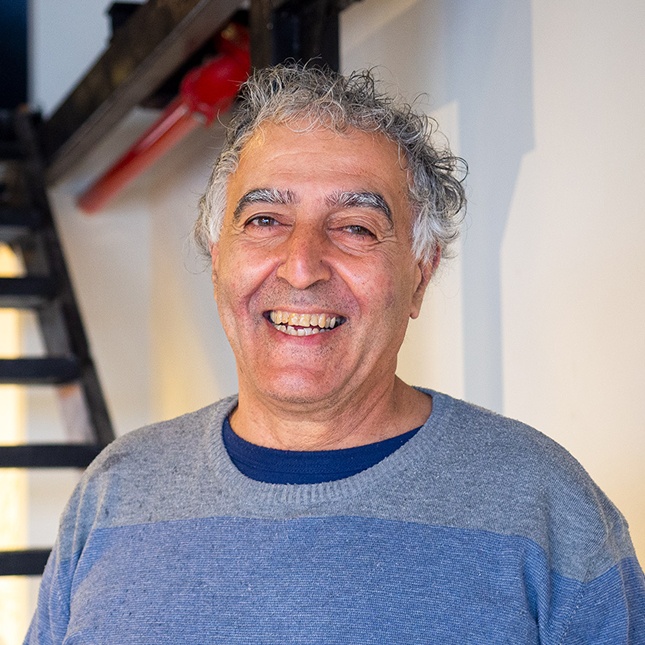
Itay Keinan – natural soap, Mitzpe Ramon (Negev). Itay never meant to start a cosmetics company. Living in the desert, he saw water being wasted – so he began making biodegradable soap at home, so his community could reuse every drop. Necessity became craft.

Three people, three regions, three completely different reasons for making something with their hands. That is what discovery through people gives you: not a product category, but a country full of individuals.
You Can Discover Israel
Through Stories and Video
Sometimes the best way to feel close to a place is simply to watch real people in it. Video collapses distance in a way text cannot.
Lev HaOlam’s YouTube channel is built exactly for this – its tagline is essentially “Real Israel, delivered to your home”: recipes you can cook today, traditions you can borrow, and stories that make sense of what you see in the news. You will find Israeli-style shakshuka filmed in the heart of Jerusalem, Chef David teaching authentic za’atar, walkthroughs of holiday traditions like Purim, and producer stories straight from the workshops and groves.
Watching a maker press olive oil, or a family prepare for a holiday, does something a paragraph cannot: it lets you see the warmth.
Video also helps discovery feel less theoretical. You are not only reading about regions, foods, and makers. You are seeing the pace of life, the gestures, the faces, the small details that make a place feel real.
Why Discovery Matters
Many people only ever meet Israel through headlines – and headlines are a narrow, often heavy window.
Discovery does the opposite. It builds a fuller, warmer relationship. Curiosity leads to familiarity. Familiarity leads to connection. Connection leads to care.
This matters because people rarely stay close to a place through information alone. They stay close through repeated encounters that feel human, sensory, and alive.
There is also a quieter benefit. Discovery that repeats – a new flavor this month, a new maker the next, a tradition you did not know before – creates anticipation. It turns Israel from a topic into an ongoing relationship.
And that is something a one-time visit, however meaningful, cannot fully do on its own.
Lev HaOlam: A Monthly Way to Keep Discovering Israel
If discovery is what you are after, the key is to make it recurring rather than one-time. That is the idea behind the Lev HaOlam Surprise Box.
It is not really about buying a box. It is about receiving a new piece of Israel each month – a new region, a new maker, a new taste, a new story.
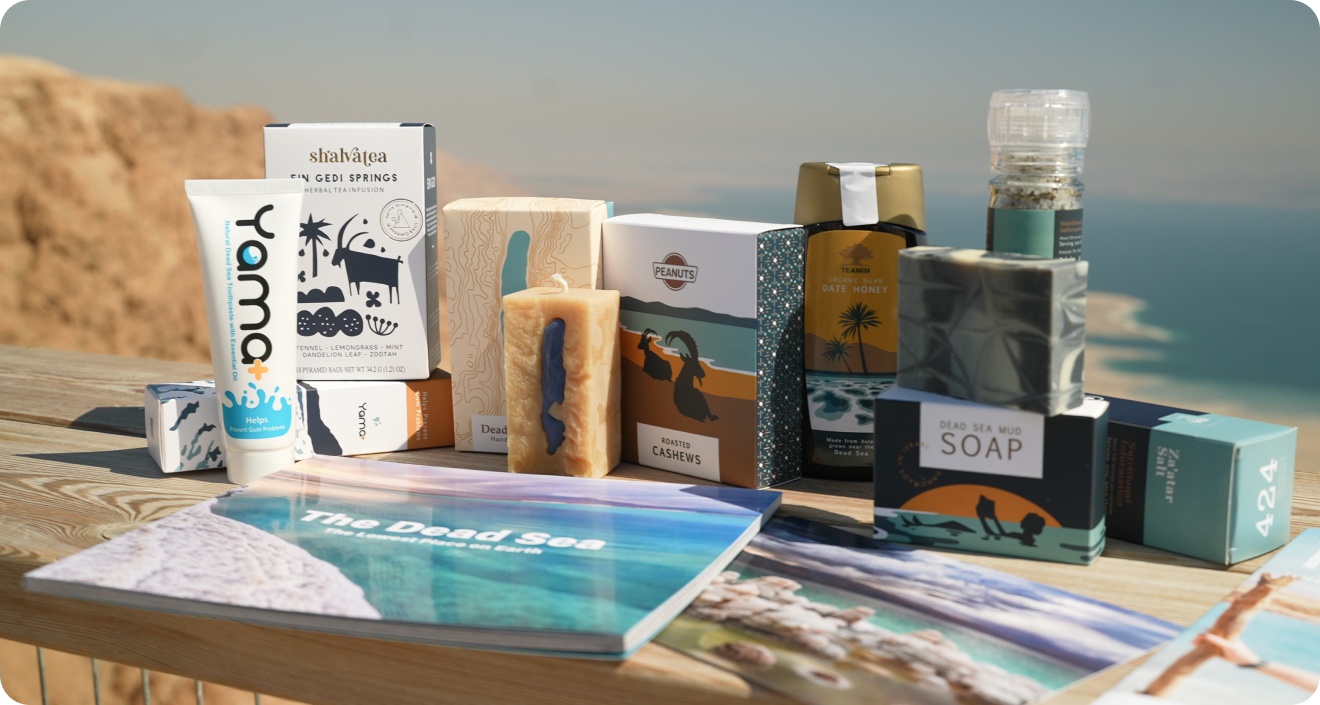
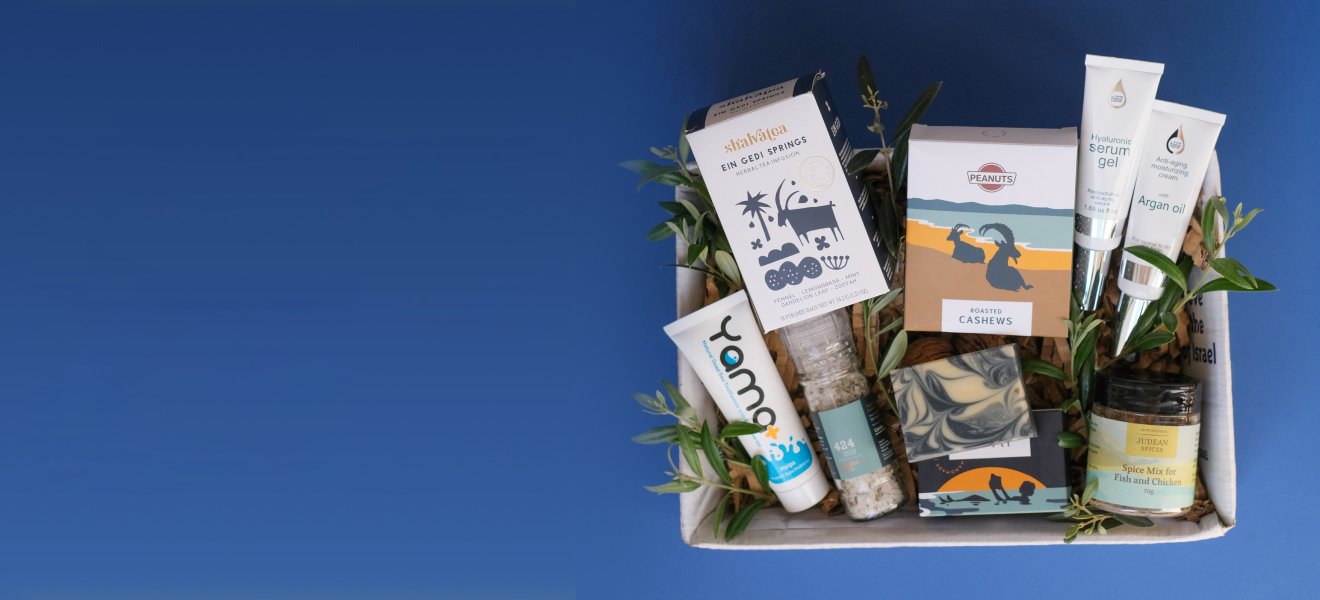
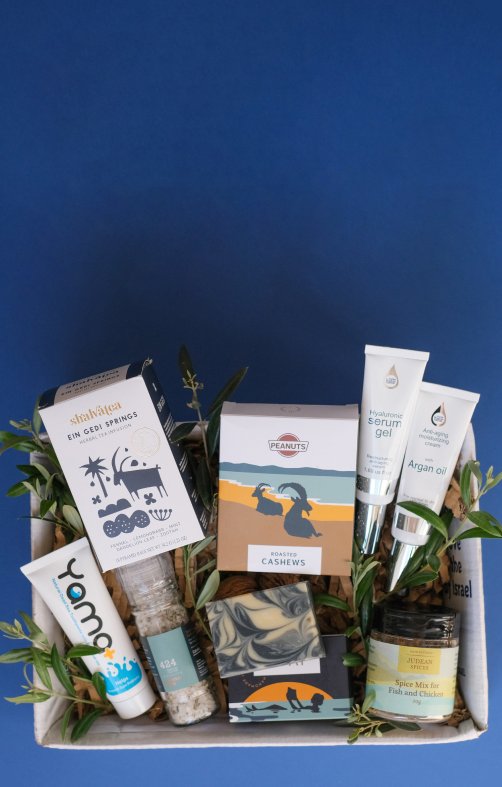
Each box holds 6-8 full-size items made by small artisans and families across Judea, Samaria, the Galilee, the Negev, and the Golan Heights: olive oil, honey, wine, spices, ceramics, cosmetics, Judaica, and more. A magazine inside tells the stories of the families behind the goods. The company, based in Kfar Etzion just south of Jerusalem, works directly with producers and supports over 1,820 families. Since 2014, more than 90,000 members worldwide have joined in.
So the box is not a detour from discovery. It is one practical way to keep discovery going.
Through places, food, products, people, traditions, and stories, Israel becomes something you return to – not once, but again and again. A monthly box simply gathers those layers into one recurring experience.
Common questions
How can I experience Israel without traveling?
Through its layers: regional foods you can cook at home, handmade products that live in your house, the stories of the artisans who make them, traditions like the Friday table, and video that shows real daily life. Each one brings a piece of Israel closer without a plane ticket.
How do I learn about Israel from home?
Start with one doorway and follow it. Cook an Israeli recipe, then read about where the ingredients come from. Discover a maker, then explore their region. Watch producer and tradition videos. Curiosity in one area naturally opens the next – that is how a fuller picture forms.
What are the best ways to discover Israeli culture from abroad?
Food and people are the warmest entry points. Israeli cuisine is easy to recreate and full of meaning, and the country’s small artisans – ceramicists, soap makers, olive growers, embroiderers – let you meet real individuals rather than an abstract “culture.” Add traditions and videos for depth.
Can I support Israel while discovering it from home?
Yes. Buying products made by small Israeli producers – olive oil, ceramics, cosmetics, Judaica – sends real support to families across the country while you discover their work. Curated sources like Lev HaOlam buy directly from over 1,820 producer families, so discovery and support happen together.
What's the difference between discovering Israel through mass products and through artisans?
Mass products can introduce you to Israeli flavors, but the maker stays invisible. Artisan products come with a name, a region, and a story – so discovery becomes personal. You are not just tasting a country; you are meeting the people who keep it alive.