
Understanding Dead Sea Salt: Edibility and Beyond
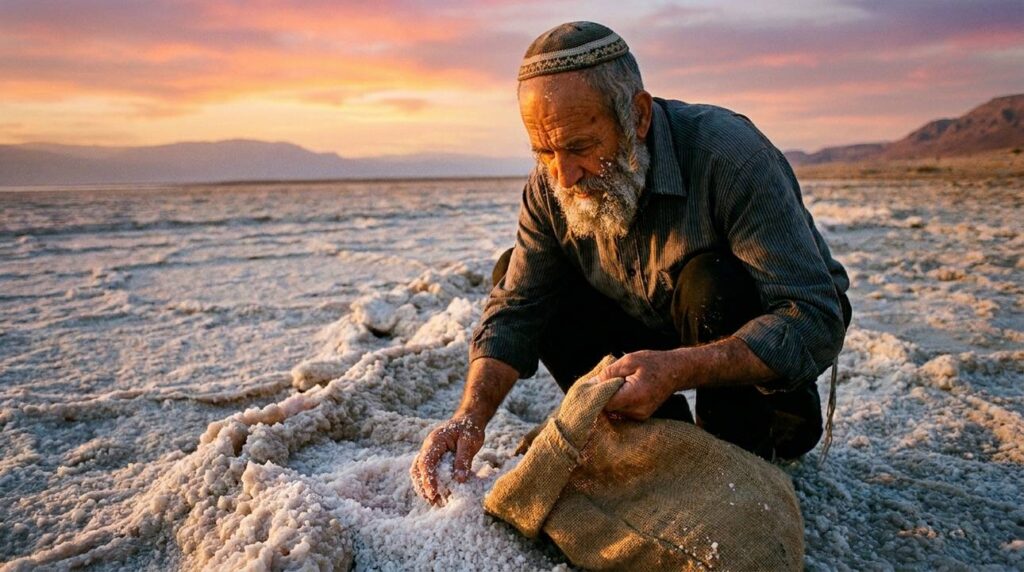

Nestled between Israel and Jordan, the Dead Sea is a natural wonder steeped in history. Its high salt content creates breathtaking landscapes that have intrigued visitors for centuries. Nearby sites like Qumran add to the allure.
This article explores questions surrounding the salt from this sea, particularly its safety for consumption, offering insights into its unique properties.
The high salt content of the Dead Sea creates stunning landscapes that have captivated visitors for centuries. The historical context adds depth, enhancing understanding of the region.
This article delves into questions about the salt from this sea, particularly its safety for consumption. By exploring its unique properties and historical context, readers can gain a deeper understanding of this natural wonder and its significance.
Introduction to the Dead Sea
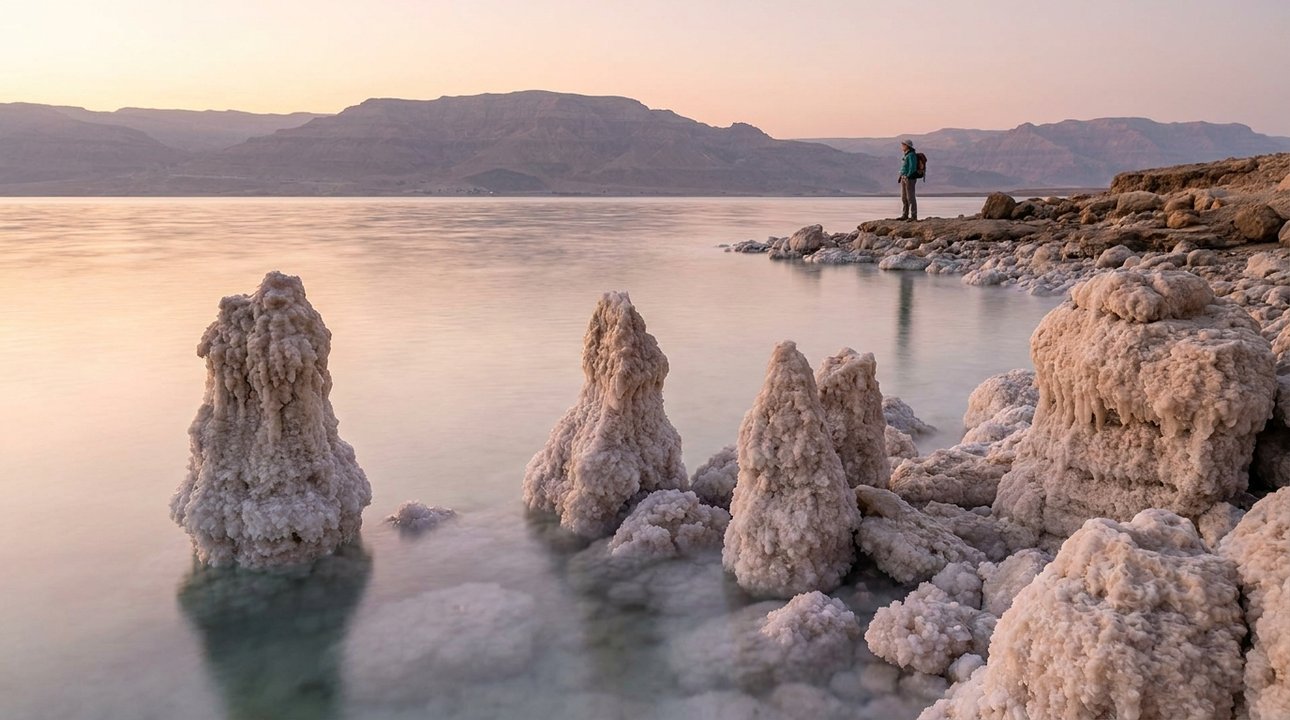
Renowned for its extreme salinity, about 10 times higher than conventional seawater, the Dead Sea is inhospitable for marine life. This high salt concentration leads to dramatic salt pillars along its shores, adding to its mystique.
The biblical city of Sodom, mentioned in Genesis 19:24-25, is traditionally believed to have been nearby, enhancing its historical significance. These elements draw travelers worldwide, intrigued by the area’s unique natural and historical allure.
The extreme salinity of the Dead Sea, approximately 10 times that of regular seawater, results in dramatic salt formations that line its shores. These formations contribute to the sea’s mystique, drawing travelers from around the globe.
The area is rich in historical significance, with the biblical city of Sodom, mentioned in Genesis 19:24-25, traditionally believed to be nearby. This blend of natural and historical elements makes the Dead Sea a fascinating destination for visitors.
Unpacking the Myths: Can You Eat Dead Sea Salt?
While the sight of crystalline salt might tempt some to taste it, salt from the Dead Sea is not edible. The high concentration of minerals like magnesium and bromides makes it unsafe for consumption. These minerals, though beneficial for skin treatments, are unsuitable for dietary use.
Historical records indicate that even ancient civilizations recognized its non-edible nature. They used it for therapeutic purposes, capitalizing on its healing properties rather than consuming it. The mineral-rich waters have long been associated with healing.
The non-edible nature of salt from the Dead Sea has been understood for many generations. Historical records suggest that civilizations used it for therapeutic purposes, recognizing its healing properties. The high mineral content, beneficial for skin treatments, makes it unsuitable for consumption.
This understanding of the sea’s salt properties has persisted through the ages, with modern science confirming its therapeutic benefits. The mineral-rich waters continue to be associated with healing, offering a natural remedy for various ailments.
Salt Pillars of the Dead Sea
The salt pillars around the Dead Sea are naturally occurring formations resulting from evaporative processes. These striking structures are a feature of the landscape, drawing photographers and nature enthusiasts alike.
The pillars, sometimes resembling ancient columns, add a surreal element to the desert’s stark beauty. The process of their formation is a fascinating natural phenomenon, illustrating the power of nature over time and contributing to the area’s unique allure.
The formation of salt pillars at the Dead Sea is a natural phenomenon resulting from evaporation. These structures, resembling ancient columns, are a striking feature of the landscape. Photographers and nature enthusiasts are drawn to these formations, captivated by their surreal beauty.
The process of their formation illustrates nature’s power over time, adding to the unique allure of the Dead Sea region and its geological significance.
The creation of salt pillars at the Dead Sea is due to high evaporation rates, among the highest globally. This natural process has been shaping the landscape for thousands of years, creating stunning salt formations.
The environment of this sea, with its high salinity and mineral-rich waters, contributes to these natural sculptures. These formations are not only a subject of scientific study but also inspire artists with their unique beauty.
The pillars serve as a testament to the region’s geological and artistic significance.
The unique environment of the Dead Sea, with its high salinity, plays a crucial role in the creation of these salt pillars. The mineral-rich waters contribute to the formation of these natural sculptures, which are a fascinating subject for scientific study.
Artists also find inspiration in these formations, capturing their beauty in various forms of art. The continuous shaping of the landscape by these natural processes highlights the dynamic nature of the Dead Sea, making it a place of interest for both scientists and artists alike.
The Unique Mineral Composition
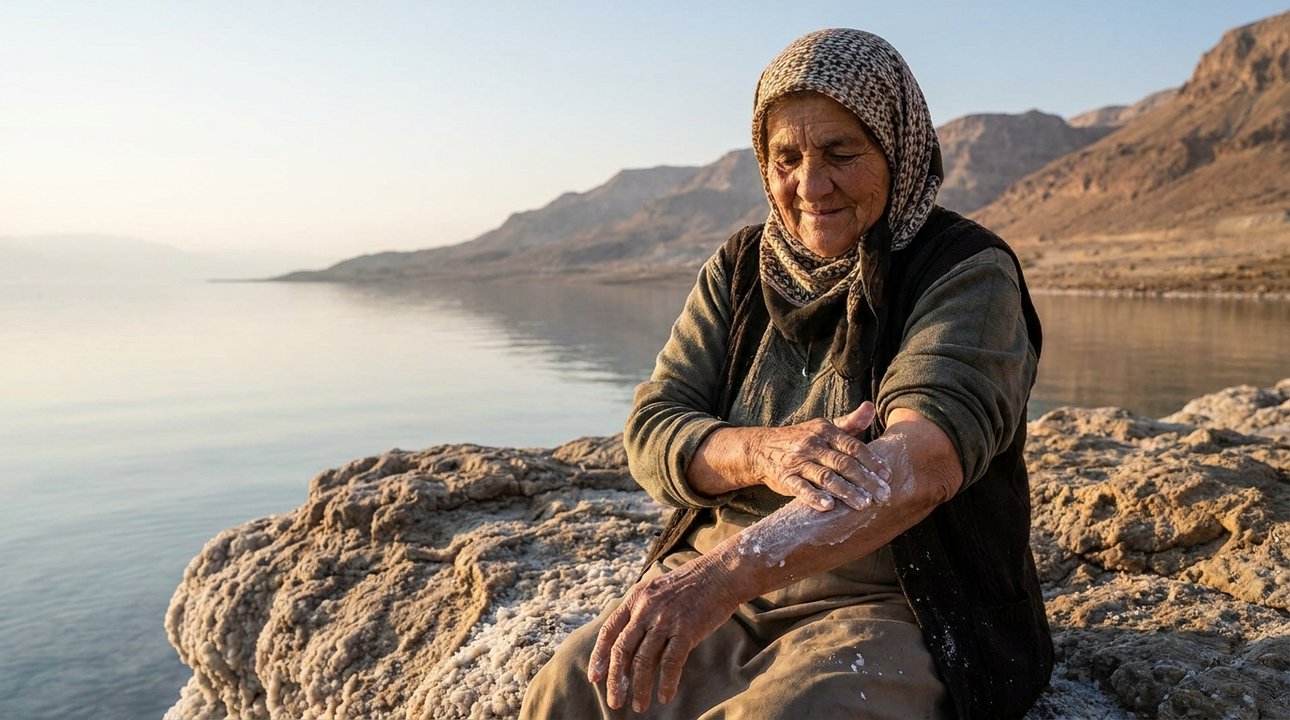
The mineral composition of salt from the Dead Sea is unique, including high levels of magnesium, bromide, and potassium. These elements contribute to its therapeutic properties, beneficial for skin health and relaxation. However, they also make it unsuitable for culinary uses.
The high mineral content gives it a bitter taste, which is why it is not used as table salt. Historical accounts suggest that its therapeutic benefits were known long ago, with figures reportedly visiting the Dead Sea for its healing properties.
Magnesium, found in Dead Sea salt, is celebrated for its anti-inflammatory properties, making it a staple in skincare. It helps soothe irritated skin, a fact supported by dermatological studies.
Bromide, another mineral present, is known for alleviating muscle tension, providing relief to those with muscle aches. Potassium, also abundant, plays a crucial role in maintaining skin moisture, preventing dryness and promoting elasticity.
These unique minerals distinguish Dead Sea salt from others, offering benefits recognized in ancient texts and modern research.
The benefits of Dead Sea salt have been acknowledged for centuries, with references in ancient writings. Historical figures like Cleopatra are believed to have valued these minerals for their beauty-enhancing properties.
Modern scientific research continues to explore and validate these benefits, confirming the therapeutic value of these minerals.
This blend of historical use and scientific backing makes Dead Sea salt a unique and sought-after ingredient in skincare and wellness products, bridging ancient wisdom with contemporary health practices.
Health and Beauty Benefits
Dead Sea salt’s minerals are utilized in health and beauty products. Magnesium, known for improving skin hydration and reducing inflammation, is a key component. Dermatological studies support its benefits.
Bromide, another mineral, is recognized for its relaxing properties, often used in spa treatments to relieve muscle tension. These applications highlight its value outside of dietary purposes, offering therapeutic benefits that continue a tradition dating back millennia.
The minerals in Dead Sea salt, such as magnesium and bromide, are valued in health and beauty products. Magnesium improves skin hydration, while bromide offers relaxation, often used in spa treatments.
These applications underscore the salt’s therapeutic benefits, continuing a tradition that dates back millennia. Modern wellness practices embrace these minerals, recognizing their value beyond dietary use and enhancing their appeal in contemporary skincare.
Potassium, abundant in Dead Sea salt, is essential for maintaining skin moisture and elasticity, contributing to its popularity in skincare products. This unique mineral composition makes it sought after in the beauty industry.
Historical records suggest that even Cleopatra used Dead Sea products to enhance her beauty regimen. The allure of these minerals continues to draw people seeking natural wellness solutions, bridging ancient practices with modern beauty routines.
The therapeutic properties of Dead Sea salt have been valued for many generations. Potassium, essential for skin moisture, contributes to the salt’s popularity in skincare.
The unique mineral composition of Dead Sea salt makes it a sought-after ingredient in the beauty industry, offering natural wellness solutions that continue to attract those seeking to enhance their skincare routines.
Environmental Impact and Conservation
The Dead Sea is facing environmental challenges, including water level decline and mineral extraction impacts. The water level has been dropping at an alarming rate, partly due to the diversion of the Jordan River and mineral extraction by industries.
Conservation efforts are essential to preserve this unique ecosystem. Organizations are working to implement sustainable practices to protect the region’s natural resources and biodiversity. The collaborative efforts of local and international groups are crucial in addressing these challenges.
Visitors are encouraged to support sustainable tourism initiatives at the Dead Sea. By choosing eco-friendly accommodations and participating in conservation activities, tourists can help mitigate environmental impacts.
This unique environment is a precious natural wonder, and collective efforts are crucial to ensure it remains viable for future generations. The area’s historical and cultural significance, including nearby sites like Masada, enriches the experience for visitors.
Sustainable tourism at the Dead Sea is vital for preserving its unique environment. Tourists can contribute by choosing eco-friendly accommodations and engaging in conservation activities.
This natural wonder is complemented by its historical and cultural significance, with nearby sites like Masada adding depth to the visitor experience. These efforts ensure that future generations can continue to enjoy and learn from this remarkable region.
Tourism and Cultural Insight
Tourism at the Dead Sea offers rich cultural insights. The area is mentioned in the Bible, such as in Genesis 14:3, where it is referred to as the Salt Sea, highlighting its historical importance. Visitors can explore both natural beauty and historical depth.
The nearby fortress of Masada, a UNESCO World Heritage site, adds layers of historical intrigue. It recalls the Jewish-Roman wars of the first century CE, offering a glimpse into the past struggles and resilience of the Jewish people.
The Dead Sea region is steeped in history, with its mention in Genesis 14:3 underscoring its longstanding significance. Visitors are drawn to the area not only for its natural beauty but also for its historical depth.
The fortress of Masada serves as a poignant reminder of the Jewish-Roman wars, providing insight into the region’s turbulent history.
This combination of natural and historical attractions makes the Dead Sea a captivating destination for those interested in exploring the rich tapestry of the past and present.
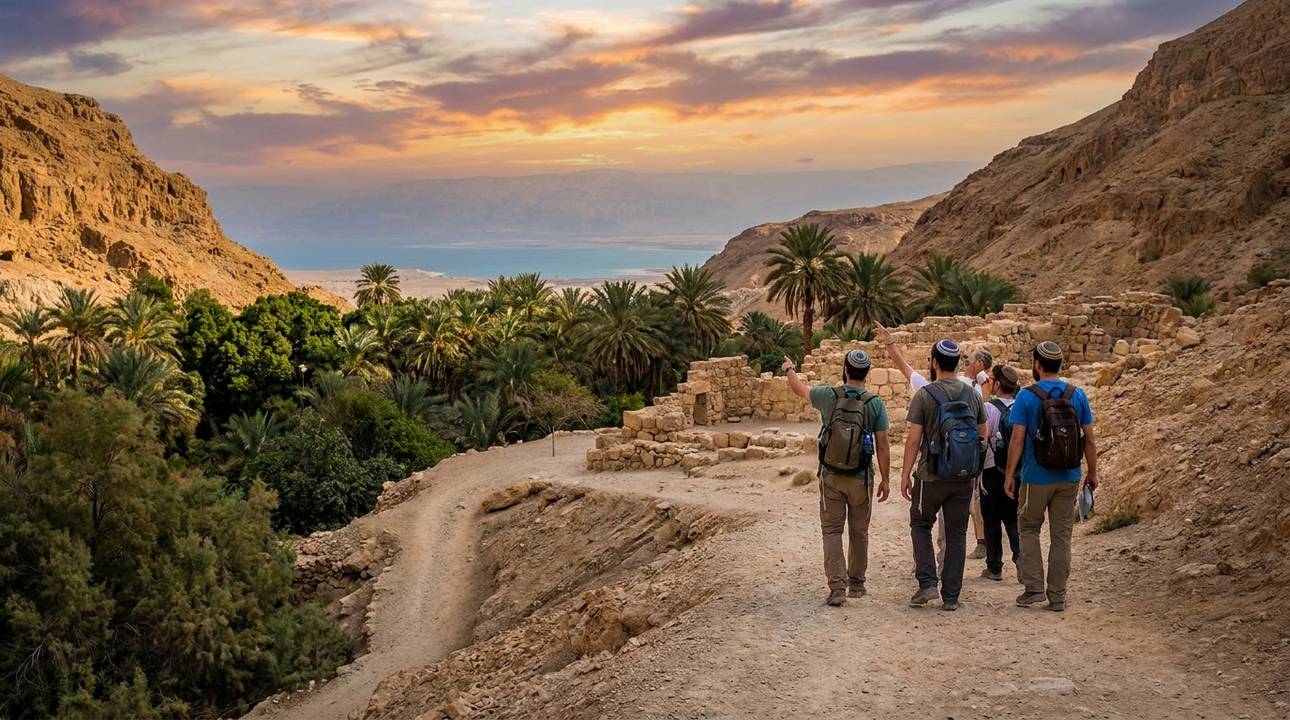
The Judean Desert’s breathtaking landscapes enhance the Dead Sea experience, offering a blend of nature and history. The Ein Gedi oasis, mentioned in 1 Samuel 24:1-2, provides a lush contrast to the arid surroundings. This oasis is a historical site where David hid from King Saul.
The Dead Sea region offers a tapestry of experiences, connecting visitors with both past and present. Its historical and natural significance continues to captivate those who visit, making it a truly unique destination.
The Judean Desert, with its stunning landscapes, enriches the experience of visiting the Dead Sea. The nearby Ein Gedi oasis, referenced in 1 Samuel 24:1-2, adds a historical dimension, being a place where David sought refuge. This oasis offers a lush contrast to the surrounding desert.
Visitors to the Dead Sea region are treated to a rich tapestry of experiences, blending natural beauty with historical depth. These elements combine to make the area a unique and captivating destination for travelers.
Conclusion: Embrace the Dead Sea’s Wonders
While Dead Sea salt isn’t for eating, its value in health, beauty, and tourism is clear. The therapeutic benefits of its minerals are well-documented, making it a staple in wellness products. Exploring the area offers experiences beyond culinary interests.
From historical sites like Masada to the desert landscape’s natural beauty, the region provides rich attractions. The Masada fortress, a UNESCO World Heritage Site, offers insights into ancient Jewish history and resilience, adding depth to the visitor experience.
The Dead Sea region offers a wealth of attractions beyond its non-edible salt. Its minerals are staples in wellness products, known for their therapeutic benefits. Visitors can explore historical sites like Masada, a UNESCO World Heritage Site.
The Masada fortress provides insights into ancient Jewish history and resilience. The natural beauty of the desert landscape adds to the rich array of experiences available, making the region a captivating destination for those interested in history and wellness.
Support for conservation ensures these wonders remain for future generations. By engaging in responsible tourism and supporting local conservation efforts, visitors can contribute to the preservation of this extraordinary region.
The Dead Sea continues to be a source of fascination and inspiration, offering insights into both natural and human history. The region’s unique geological features, like the salt pillars, are a testament to the natural processes that have shaped it over millennia.
Conservation efforts are vital to safeguard these features.
Dead Sea Salt Insights
