
Discovering the Negev Desert: An Israeli Gem
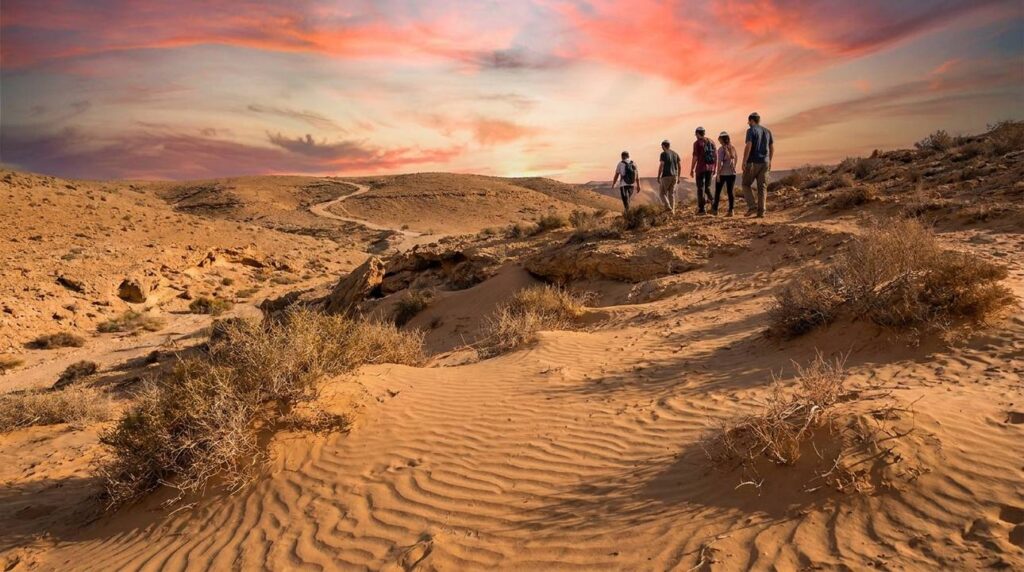

The Negev Desert is an expansive region located in southern Israel, stretching over more than half of the country’s total land area.
This vast desert is not only a geographical marvel but also a repository of rich historical narratives. It is mentioned in the Bible, where the patriarch Abraham is said to have journeyed through this very land (Genesis 12:9).
Its unique blend of landscapes and history makes it a must-see destination for travelers and explorers.
Visitors can witness the stark beauty of its rocky terrains and sandy expanses, shaped by natural forces over thousands of years. This region is also home to ancient archaeological sites, such as the city of Be’er Sheva, inhabited since biblical times and often associated with the stories of Isaac and Jacob (Genesis 26:23-33).
These historical connections add a profound layer of significance to any visit.
Be’er Sheva, known as the “Gateway to the Negev,” has served as a critical junction for trade and travel routes. The city’s ancient wells, attributed to the patriarchs, are a testament to its historical importance.
These sites provide a tangible connection to the past, allowing visitors to walk in the footsteps of biblical figures and experience the enduring legacy of this ancient land.
The Map: Locating the Negev Desert
The Negev Desert lies in the southern part of Israel, stretching from Beersheba in the north to Eilat by the Red Sea in the south. Encompassing approximately 12,000 square kilometers, it is a pivotal region on Israel’s map.
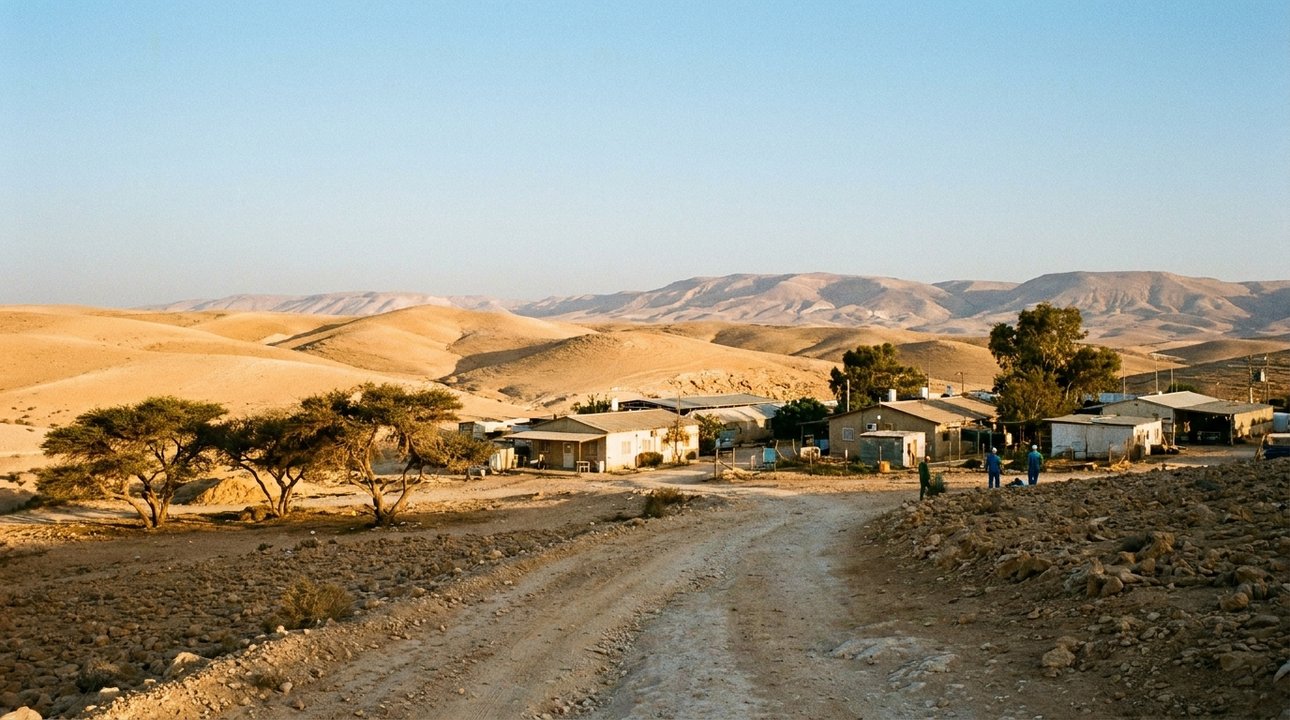
Beersheba, often called the ‘Gateway to the Negev,’ serves as a major city providing access to this fascinating desert landscape. Its strategic location has made it a significant area throughout history, brimming with stories of resilience and growth.
Historical Significance of the Negev
The Negev Desert holds historical and biblical significance, particularly around areas like Tel Be’er Sheva, which has been a cradle for ancient settlements.
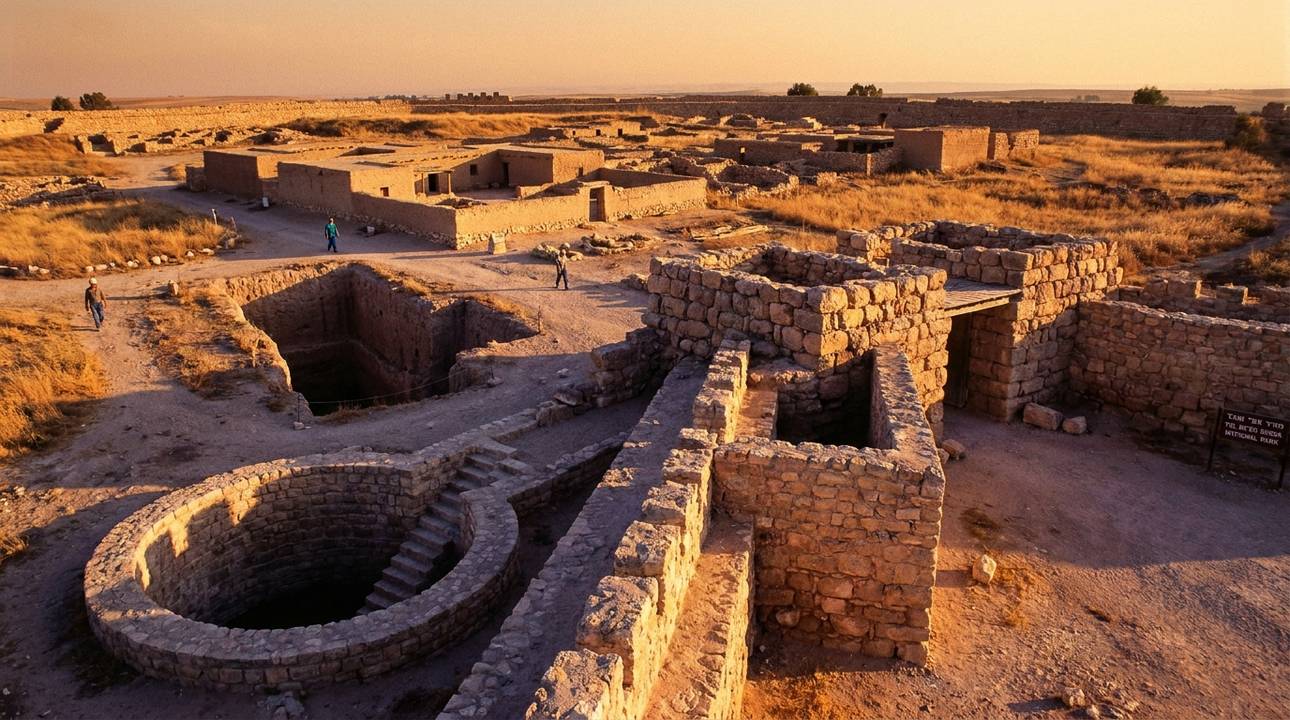
Archaeological finds at Tel Be’er Sheva shed light on the desert’s rich history, reflecting the habitation and trade routes that passed through this arid land. The narratives of the region interweave with stories from the Bible, especially those centered around the patriarchs who wandered these very lands.
Tel Be’er Sheva is an archaeological site that reveals layers of history, from early Canaanite settlements to the Israelite period. The site’s well-preserved ruins include an ancient water system, fortifications, and residential areas, offering a glimpse into the lives of its early inhabitants.
These discoveries provide valuable insights into the region’s past, highlighting its role as a crossroads of ancient civilizations.
The Negev’s Diverse Landscapes
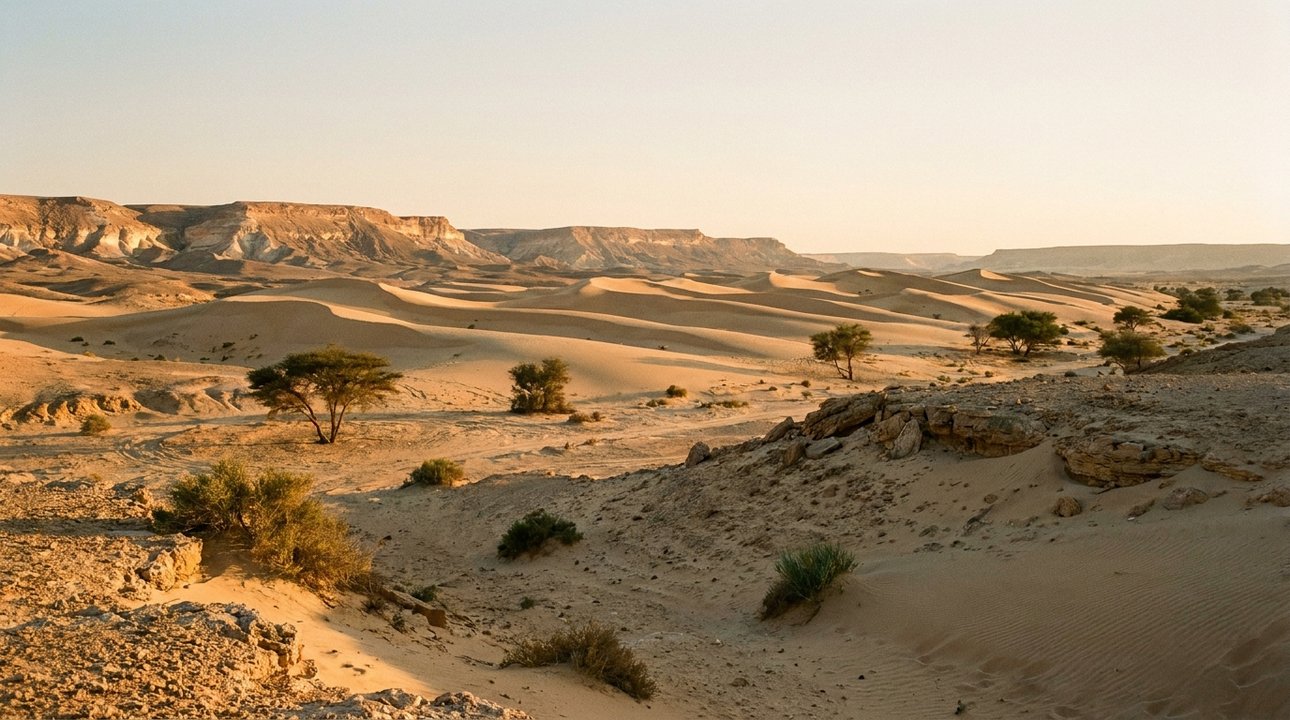
Beyond its historical roots, the Negev Desert charms with its unique geography. From craggy mountains to sweeping dunes, it offers an array of sights for nature lovers.
Ramon Crater (Makhtesh Ramon) is one of the most famous natural formations, providing breathtaking views and geological wonders. This vast erosional crater, formed over millions of years, emphasizes the dynamic forces that have sculpted the desert’s terrain.
The crater’s unique geology is a result of erosion processes that have exposed layers of rock dating back to the Mesozoic era. Visitors to Makhtesh Ramon can explore its diverse landscapes, including the “Carpentry Shop,” where hexagonal basalt columns resemble wooden planks.
These natural wonders offer a glimpse into the Earth’s geological past and are a testament to the power of natural forces.
The crater is a hub for geological research and a popular destination for hiking and wildlife observation. Scientists are drawn to its unique geological features, which provide insights into Earth’s ancient past.
Visitors can explore its unique rock formations, which tell the story of Earth’s geological history. These formations include layers of sedimentary rock that have been shaped over millions of years, offering a glimpse into the planet’s dynamic processes.
The geography of this desert is not only a visual spectacle but also a testament to the natural processes that continue to shape our world. The region’s geological history is evident in its diverse landscapes, from the towering cliffs of Ramon Crater to the sweeping dunes that stretch across the desert.
These formations are not only beautiful but also serve as a reminder of the Earth’s ever-changing nature, providing a unique opportunity for both education and exploration.
Flora and Fauna: Life in the Negev
Despite harsh conditions, the Negev is home to diverse flora and fauna. Adaptations have allowed plants, like the Retama and Acacia, to thrive in arid climates.
These species play crucial roles in sustaining the desert’s ecosystem, providing food and shelter for local wildlife. The Retama, with its deep roots, can access water far below the surface, while the Acacia offers shade and sustenance for animals.
The Retama’s ability to reach water deep underground ensures its survival during prolonged dry periods, while the Acacia’s broad canopy provides essential shade in the intense desert heat.
These plants are vital to the ecosystem here, supporting a range of wildlife and contributing to the overall biodiversity of the region.
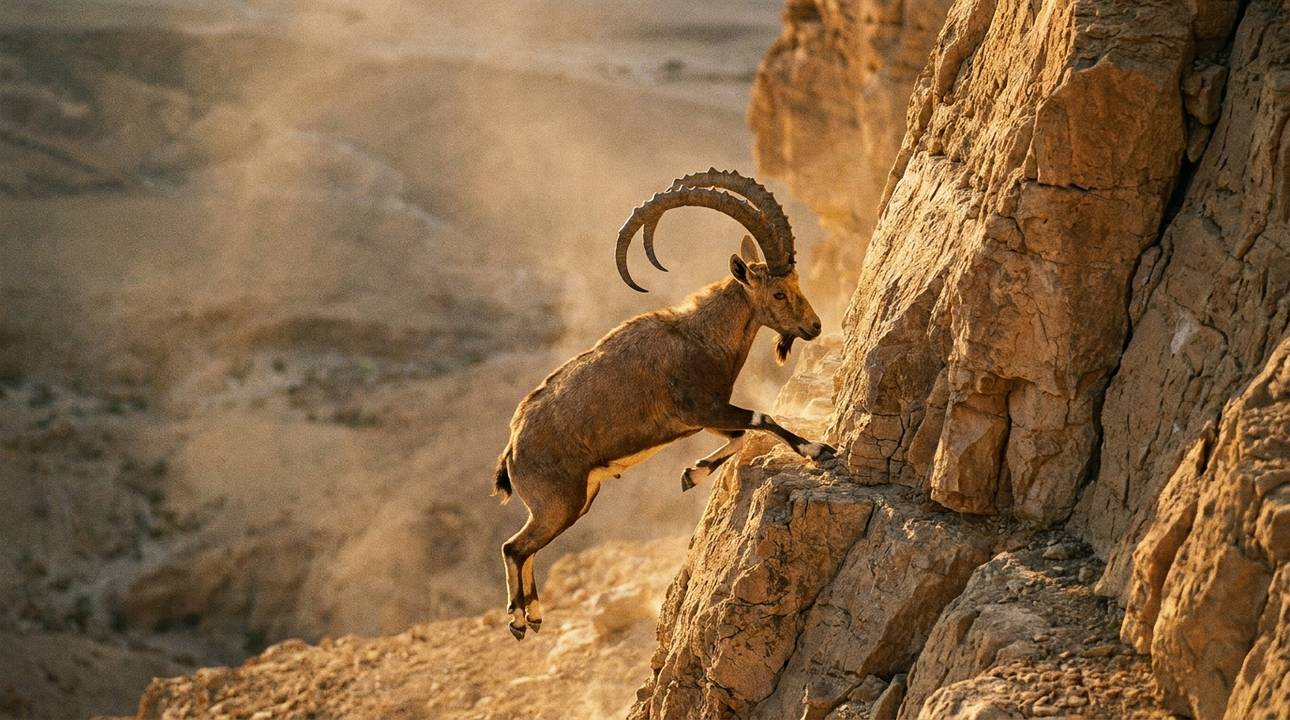
Animals such as the Nubian ibex and sand foxes are adapted to this desert environment, showcasing the resilient nature of life in such extreme conditions. The Nubian ibex, for instance, is known for its agility on rocky cliffs.
Meanwhile, the sand fox has evolved to survive with minimal water, demonstrating remarkable adaptability. These adaptations highlight the incredible biodiversity that exists even in the harshest climates, where survival requires ingenuity and resilience.
The Nubian ibex’s sure-footedness allows it to navigate steep and rugged terrain in search of food, while the sand fox’s keen sense of smell helps it locate prey in the sparse desert landscape.
These species are not only fascinating to observe but also play a crucial role in the ecosystem, maintaining the delicate balance of life in the desert.
Modern Negev: Communities and Development
Today, the Negev Desert is as vibrant as it is historical. Modern developments include cutting-edge solar energy farms, reflecting Israel’s commitment to sustainable development. These farms harness the abundant sunlight to generate renewable energy, aligning with global efforts to combat climate change.
Communities in the region are diverse, hosting Bedouin tribes and new immigrants who contribute to its cultural tapestry.
The solar farms in this desert are among the largest in the world, providing clean energy to thousands of homes and reducing the region’s carbon footprint.
This commitment to sustainability is mirrored in the community’s efforts to preserve the natural beauty, ensuring that future generations can continue to enjoy its unique landscapes and cultural heritage.
The Bedouins, known for their nomadic lifestyle, have lived here for centuries, adapting to the harsh conditions with remarkable resilience. Their traditional practices, such as camel herding and tent living, have been passed down through generations.
New immigrants bring fresh perspectives and traditions, creating a mosaic of lifestyles that enhances the region’s rich communal life. This blend of old and new, traditional and modern, makes the area a unique cultural landscape.
The Bedouins’ ability to thrive in such an environment is a testament to their deep understanding of the desert’s resources and their innovative survival strategies.
The cultural landscape is further enriched by the diverse communities that call it home. This cultural tapestry includes influences from Eastern Europe, North Africa, and other regions, each contributing to the vibrant social fabric of the area.
Tourism and Travel Tips
Travelers are greeted with a wealth of activities and sites. From hiking the trails of Timna Park to star-gazing in the arid night sky, the region offers ample experiences for adventurers.
Timna Park, with its striking rock formations and ancient copper mines, provides a glimpse into the area’s rich history and natural beauty. Visitors can also explore the park’s archaeological sites, which date back to the time of King Solomon.
The park’s “Mushroom” rock formation and Solomon’s Pillars are among its most iconic features, attracting tourists from around the world. These natural wonders are complemented by the park’s historical significance, as it was once a center for copper mining during the reign of King Solomon.
The remnants of ancient smelting furnaces offer insight into the technological advancements of the time.
Visitors are encouraged to explore its national parks and participate in ecotourism initiatives that promote conservation. These initiatives aim to preserve the natural beauty while providing educational opportunities for tourists.
Whether seeking the serenity of its landscapes or learning about its dynamic communities, the area ensures a memorable journey. The clear desert skies make it an ideal location for star-gazing, offering a chance to connect with the vastness of the universe.
The national parks, such as Ein Avdat and Makhtesh Ramon, offer guided tours that highlight the region’s unique flora and fauna. These parks are home to a variety of wildlife, including the elusive sand fox and the majestic Nubian ibex, which thrive in this harsh environment.
Geography and Location
