
The Story Behind Moses and the Splitting of the Sea


The story of Moses splitting the sea is one of the most iconic and awe-inspiring moments in Jewish history. It’s a tale passed down through generations, told at family tables during Passover, and remembered as a symbol of hope, freedom, and faith. But beyond the dramatic imagery lies a deeper narrative—one of courage, trust, and the enduring journey of the Jewish people. In this article, we’ll explore the story behind the sea splitting, its historical and cultural context, and why it continues to resonate so powerfully today.
The Setting: A People on the Run
After centuries of slavery in Egypt, the Israelites were finally free. Led by Moses, they began their journey toward the Promised Land. But freedom was not immediate safety. Pharaoh, having second thoughts about releasing his labor force, sent his army to pursue them. The Israelites found themselves trapped between the sea and the approaching Egyptian forces. Fear gripped them. It seemed like their newfound freedom would be short-lived.
In this moment of crisis, Moses turned to the heavens and was instructed to raise his staff over the waters. As he did, the sea miraculously parted, creating a path of dry land. The Israelites crossed safely, and when the Egyptians followed, the waters returned, engulfing the army. This event is described in the Book of Exodus, chapter 14, and is remembered as a defining moment in Jewish history.
The sea splitting wasn’t just a physical escape—it was a spiritual transformation. The Israelites were no longer slaves. They were a people with a purpose, guided by faith and a shared destiny. This moment became a cornerstone of Jewish identity, symbolizing liberation and divine protection.
Moses: A Reluctant Leader
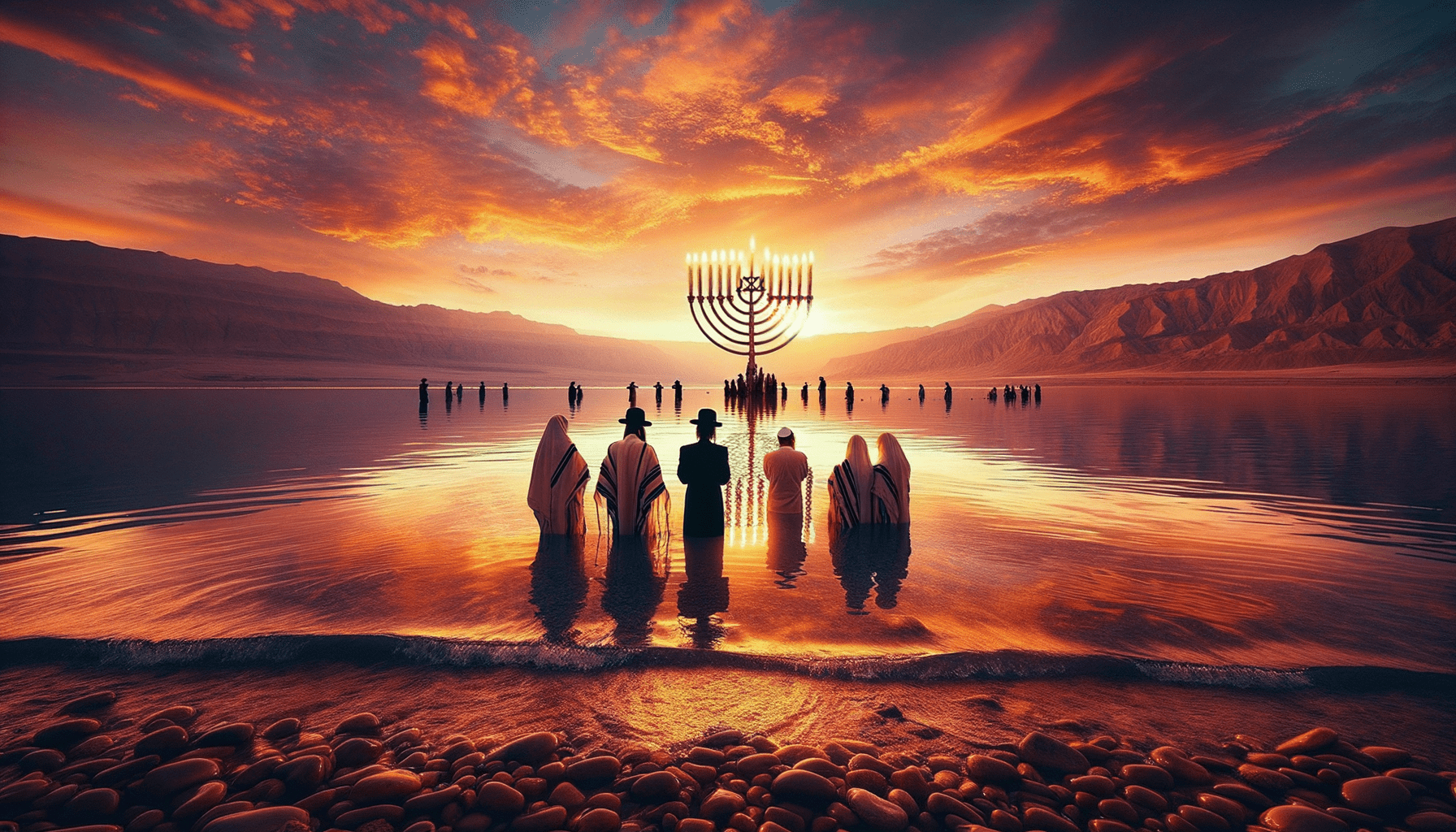
Moses wasn’t born a leader. Raised in Pharaoh’s palace but born to Hebrew parents, his early life was marked by identity conflict. After fleeing Egypt for defending a fellow Hebrew, he lived in Midian as a shepherd. It was there, at the burning bush, that he received his calling to lead the Israelites out of bondage.
Despite his doubts and speech difficulties, Moses accepted the mission. His leadership was not about charisma or power—it was about obedience, humility, and a deep sense of responsibility. The sea splitting was one of many moments where Moses acted not from personal ambition, but from a commitment to his people.
This makes the story even more powerful. Moses didn’t split the sea to prove himself. He did it because his people needed a way forward. His faith in the face of fear became a model for generations to come.
The Sea Splitting in Jewish Tradition
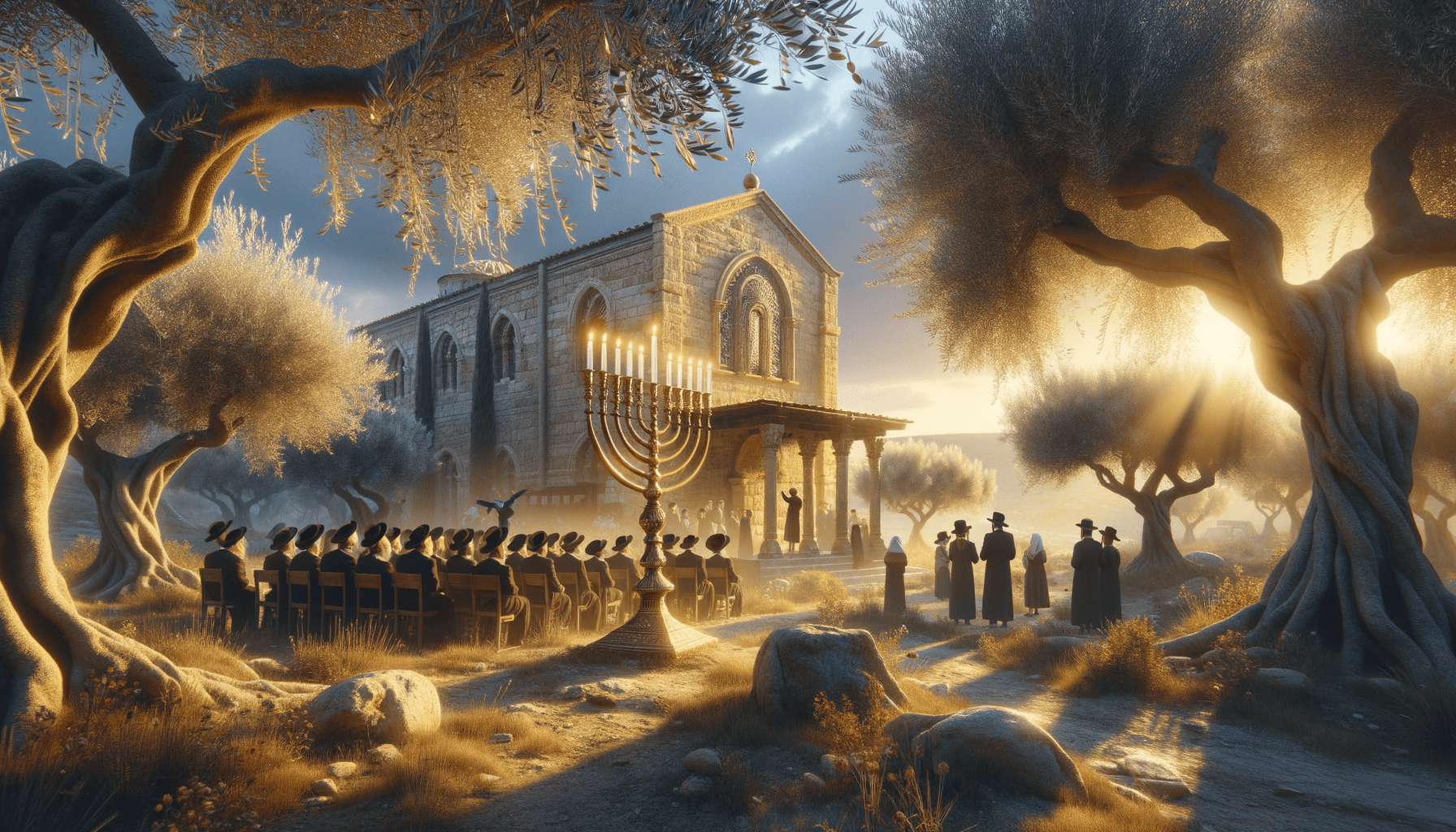
In Jewish tradition, the splitting of the sea is more than a historical event—it’s a spiritual metaphor. It represents the idea that even when all seems lost, a path can open. It’s about trusting that there is a way forward, even when we can’t see it yet.
This moment is commemorated during Passover, especially on the seventh day, known as Shvi’i Shel Pesach. It’s a time to reflect on the journey from bondage to freedom, and the miracles that made it possible. Songs like “Az Yashir Moshe” (Then Moses Sang) are recited, echoing the joy and relief of that ancient day.
For many, the sea splitting is also a personal symbol. It reminds us that challenges can be overcome, that faith can move us through the impossible, and that we are never truly alone on our journey.
Historical and Geographical Perspectives
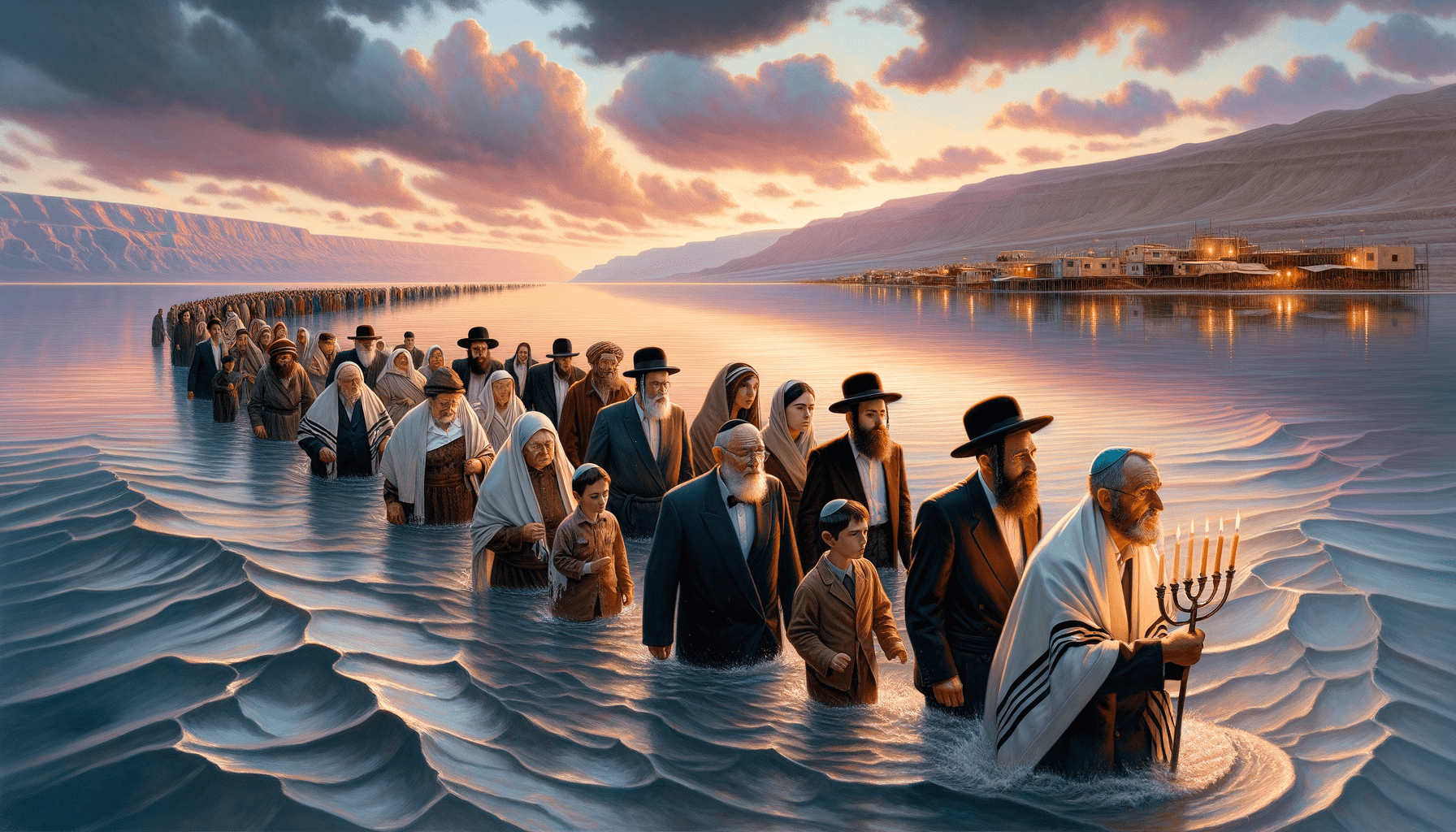
Scholars and historians have long debated the exact location of the sea splitting. The Hebrew term used in the Torah is “Yam Suf,” often translated as the Red Sea but more accurately meaning “Sea of Reeds.” This has led to various theories about where the event took place.
Some suggest a marshy area in the northeastern Nile Delta, where strong winds could have exposed dry land temporarily. Others point to the Gulf of Suez or the Gulf of Aqaba. While the exact location remains uncertain, the power of the story lies not in its geography, but in its meaning.
Whether viewed as a literal event or a symbolic one, the sea splitting continues to inspire. It’s a reminder that history and faith often intertwine, creating narratives that shape identity and purpose.

The Role of Faith and Action
One of the lesser-known midrashic teachings about the sea splitting involves a man named Nachshon ben Aminadav. According to tradition, the sea did not part until Nachshon stepped into the water, showing his faith by walking in up to his neck. Only then did the waters divide.
This story emphasizes the partnership between faith and action. It’s not enough to wait for a miracle—we must take the first step. This teaching has become a powerful lesson in Jewish thought, encouraging courage and initiative even in the face of uncertainty.
The sea splitting, then, is not just about divine intervention. It’s about human bravery, about stepping forward when the outcome is unknown, and trusting that the path will open.
Why This Story Still Matters
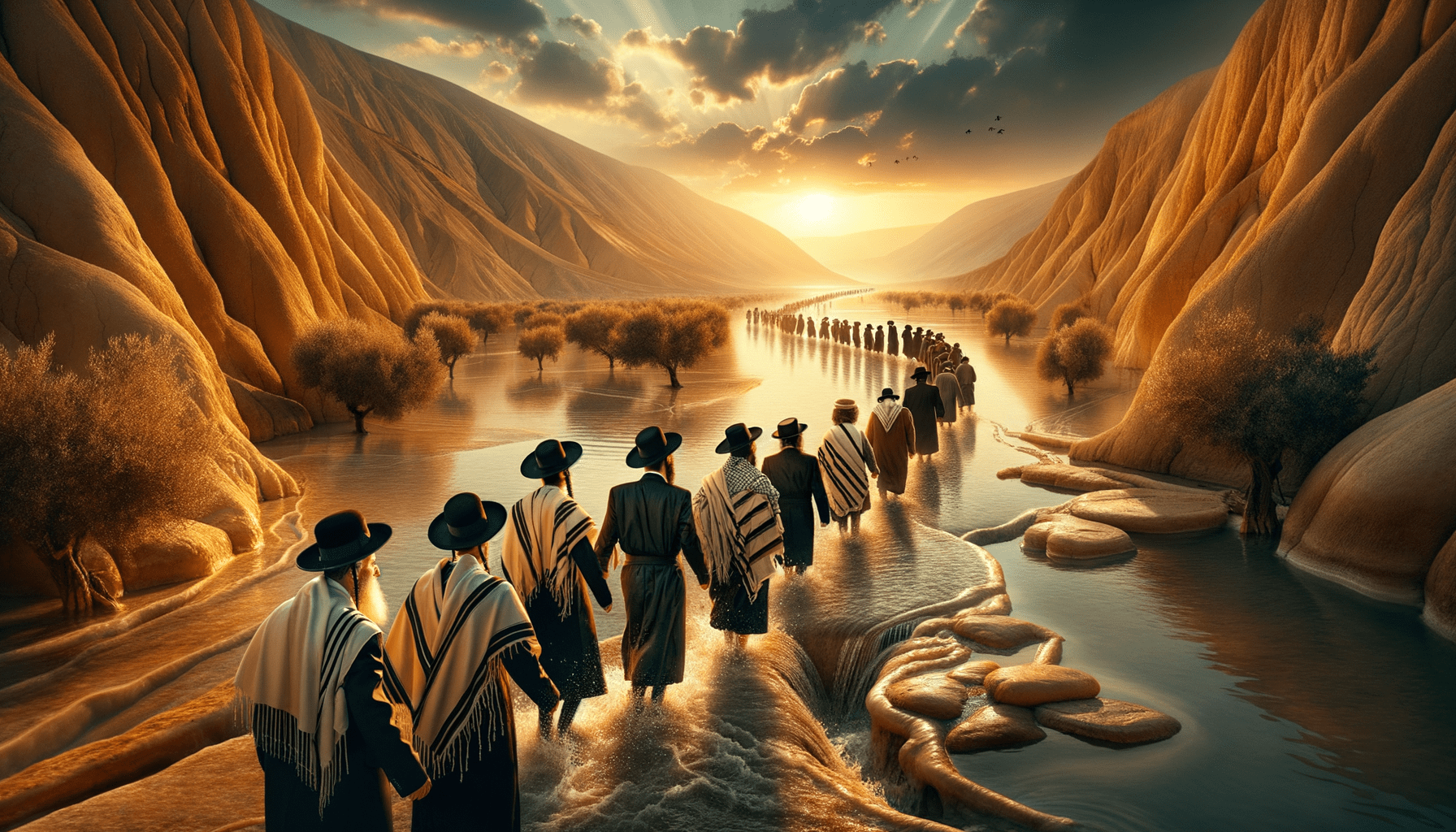
In today’s world, the story of Moses and the sea splitting continues to resonate. It speaks to anyone who has faced a seemingly impossible challenge, anyone who has stood at the edge of uncertainty and hoped for a way through.
For the Jewish people, it’s a reminder of resilience and survival. For supporters of Israel, it’s a symbol of the enduring spirit of a nation that has faced countless obstacles and continues to move forward with hope and determination.
At Lev Haolam, we believe in sharing these stories not just as history, but as living inspiration. They connect us to the land, the people, and the values that have shaped Jewish identity for millennia.
Connecting Through Story and Support
Every Lev Haolam box is a bridge between past and present, between the stories of our ancestors and the lives of modern Israeli families. When you open a box, you’re not just receiving products—you’re receiving a piece of history, a taste of tradition, and a connection to the land where these stories unfolded.
By supporting small businesses and artisans in Israel, you become part of a larger story—one of resilience, creativity, and shared heritage. Just as the Israelites walked through the parted sea toward a new beginning, your support helps Israeli families move forward with hope.
We invite you to explore the journey, to discover the stories behind each item, and to feel the connection that spans oceans and generations.
A Legacy of Courage and Faith
The story of Moses splitting the sea is more than a moment in time—it’s a legacy. It teaches us that faith and courage can open paths where none seem to exist. It reminds us that leadership comes in many forms, and that even the most reluctant leaders can change the course of history.
As we remember this powerful event, may we carry its lessons into our own lives. May we find the strength to step forward, the faith to believe in new beginnings, and the heart to support those walking their own journeys.
And may the story of the sea splitting continue to inspire us all—across generations, across oceans, and across the many paths we walk together.
Understanding the Sea Splitting in Jewish Tradition
