
Discovering the Unique World of Israeli Skincare and Wine Brands


Israel is a land where innovation meets tradition, and this is evident in its skincare and wine industries. The use of naturally sourced ingredients in skincare harks back to ancient practices, while age-old winemaking techniques continue to thrive.
Israeli brands are gaining global recognition, enhancing beauty routines with Dead Sea minerals and elevating culinary experiences with unique wines. This article explores how these brands are making their mark, offering products that are both innovative and steeped in tradition.
The synergy of history and modernity is a hallmark of Israeli craftsmanship.
In short: Israeli skincare and wine industries exemplify the harmonious blend of tradition and innovation, offering products that are both effective and culturally rich.
The Rise of Israeli Skincare Brands
Israeli skincare brands are internationally acclaimed for using natural ingredients and innovative formulations. Dead Sea minerals, known for their rejuvenating properties, are a key component in many products. These include magnesium, calcium, and potassium, essential for healthy skin.
The Dead Sea’s healing properties are noted in Ezekiel 47:8-9, emphasizing its significance in skincare. In short: Israeli skincare combines ancient wisdom with modern science to offer effective solutions. This blend of tradition and innovation makes these products highly sought after worldwide.
Brands like Ahava have set a high standard in skincare, using Dead Sea mud and salt in their moisturizers. These ingredients have been shown to help with skin conditions such as eczema and psoriasis, offering natural relief. Sabon is another noteworthy brand, blending tradition with luxury.
They craft products that pamper the skin using nature’s finest gifts, ensuring a touch of elegance in every use. In short: Israeli skincare brands combine natural ingredients with scientific research to offer effective and luxurious products.

Many Israeli brands prioritize sustainability, ensuring their products are effective and environmentally friendly. This focus aligns with the biblical principle of ‘bal tashchit’ (Deuteronomy 20:19-20), which encourages conservation and mindful resource use.
By integrating this principle, Israeli skincare brands not only offer quality but also promote environmental responsibility, making them a standout in the global market.
The concept of ‘bal tashchit’ is rooted in the Torah, where it is applied to the preservation of trees during wartime, emphasizing the importance of not wasting resources.
In short: Israeli skincare brands embody the values of conservation and quality, ensuring their products are both effective and environmentally conscious. This approach not only respects biblical teachings but also appeals to modern consumers who value sustainability and ethical practices.
Exploring Israeli Wine Brands
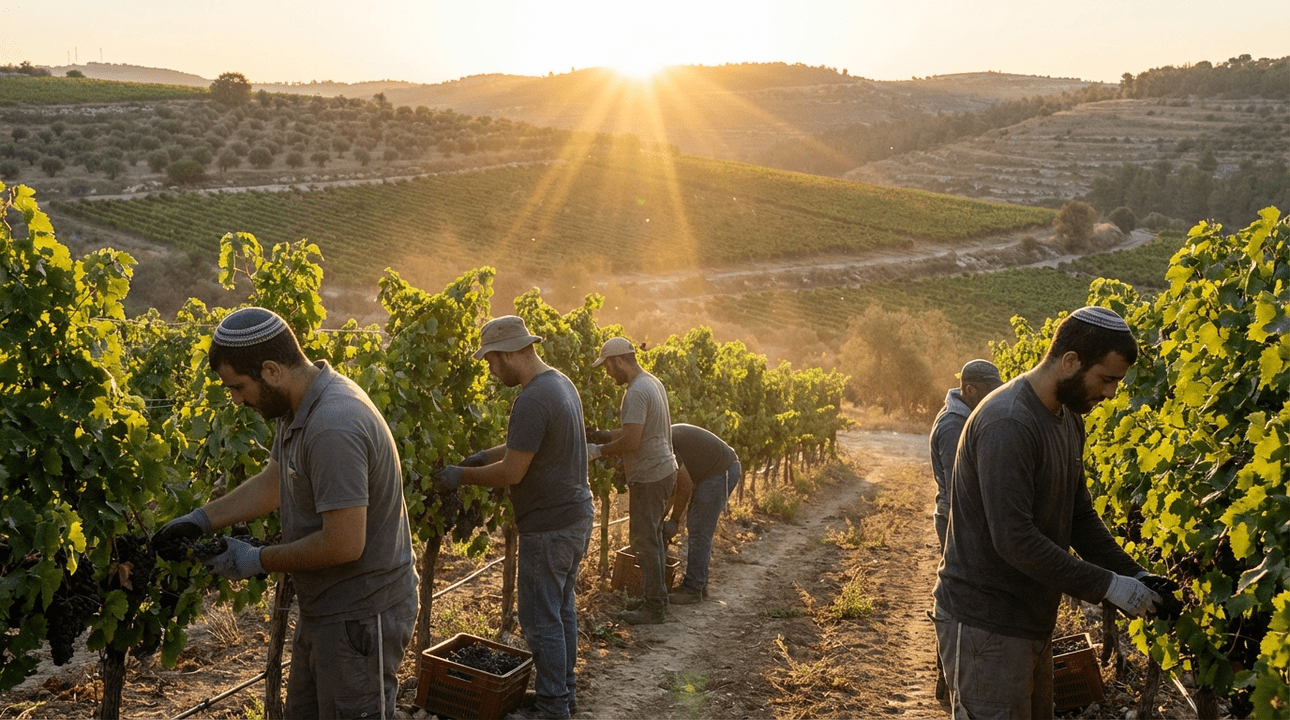
The history of Israeli wine spans thousands of years, yet it continues to evolve with innovation. Israel’s unique climate and diverse terroirs provide ideal conditions for growing a variety of grapes.
Modern winemakers skillfully blend ancient traditions with cutting-edge technology, producing wines that stand out on the global stage. This combination of history and innovation makes Israeli wines a compelling choice for wine enthusiasts worldwide.
The story of Noah planting a vineyard in Genesis 9:20 underscores the region’s long-standing viticultural tradition.
In short: Israeli wines are a testament to the region’s rich history and innovative spirit, offering a unique experience for wine lovers.
Golan Heights Winery is renowned for its bold reds and crisp whites, leading the Israeli wine industry. Their Yarden series is internationally acclaimed, winning numerous awards at the International Wine Challenge. Carmel Winery, another prominent name, blends history with modernity.
Founded in 1882 by Baron Edmond de Rothschild, Carmel has been a cornerstone of Israel’s wine history, maintaining a reputation for excellence through the years. The winery’s establishment marked a significant development in the region’s viticulture, reflecting a commitment to quality and tradition.
In short: Both Golan Heights and Carmel wineries exemplify the fusion of tradition and innovation in Israeli winemaking, earning global recognition for their exceptional wines.

In recent years, boutique wineries across Israel have emerged, offering artisanal wines that reflect the country’s diverse regions. The Galilee region, mentioned in Joshua 20:7, is known for its fertile soil and unique climate, contributing to the distinct flavors of these wines.
These wines often feature lesser-known varieties, providing wine enthusiasts with new and exciting flavors to explore. Varieties such as Argaman and Marawi are gaining attention for their unique taste profiles.
The Galilee’s historical significance as a biblical region adds depth to its modern winemaking endeavors.
In short: Boutique wineries in Israel offer a diverse range of wines that capture the essence of their regions, appealing to those seeking unique and flavorful experiences.
The Impact of Israeli Wines on Global Markets
Israeli wines are gaining international popularity, with exports significantly increasing over the past decade. In 2021, wine exports surpassed $40 million, according to the Israel Export Institute. The quality of these wines has been recognized globally, with accolades from critics and sommeliers.
For example, the Decanter World Wine Awards frequently highlights Israeli wines for their excellence, showcasing their competitive edge on the world stage. This recognition reflects the dedication of Israeli winemakers to quality and innovation.
In short: The growing international acclaim for Israeli wines underscores their quality and the country’s commitment to excellence in winemaking.
Israel’s focus on premium wine production, sustainability, and innovation has facilitated its entry into the global market. The story of Noah planting a vineyard in Genesis 9:20 highlights the region’s long-standing viticultural tradition.
As consumers seek unique, quality wines, Israeli offerings become increasingly appealing. This shift towards premium production ensures that Israeli wines are not just a choice but a standout option for wine lovers.
The emphasis on sustainability also aligns with global trends, making these wines attractive to environmentally conscious consumers.
In short: Israeli wines are distinguished by their premium quality and sustainable production, making them a preferred choice for discerning wine enthusiasts.
Cultural Significance of Skincare and Wine in Israel
Skincare and wine hold a special place in Israel’s cultural heritage. In biblical times, oils and lotions were integral to daily rituals, as seen in Esther 2:12, where Esther underwent beauty treatments with oils before meeting the king.
Wine, too, is deeply woven into Jewish tradition, used in ceremonies like Passover and Shabbat. The Bible often mentions wine, such as in Psalms 104:15, highlighting its role in celebrations and religious practices.
In short: These products are not just commodities but part of a rich cultural tapestry.
This cultural backdrop adds depth to the modern industries, infusing products with a sense of history and identity. For example, the ancient city of Jerusalem has been a center of trade and culture for centuries, influencing the development of local crafts and industries.
The Bible mentions Jerusalem as a bustling hub in 1 Kings 10:26-29, highlighting its historical significance. Both sectors continue to honor their roots while embracing contemporary advancements, ensuring their relevance in today’s world.
This blend of past and present enriches the consumer experience, offering products that are both meaningful and modern.
In short: The historical and cultural richness of Israel enhances its modern industries, providing products that resonate with both tradition and innovation.

General Information
