
Discovering Beersheba: A Historical Exploration
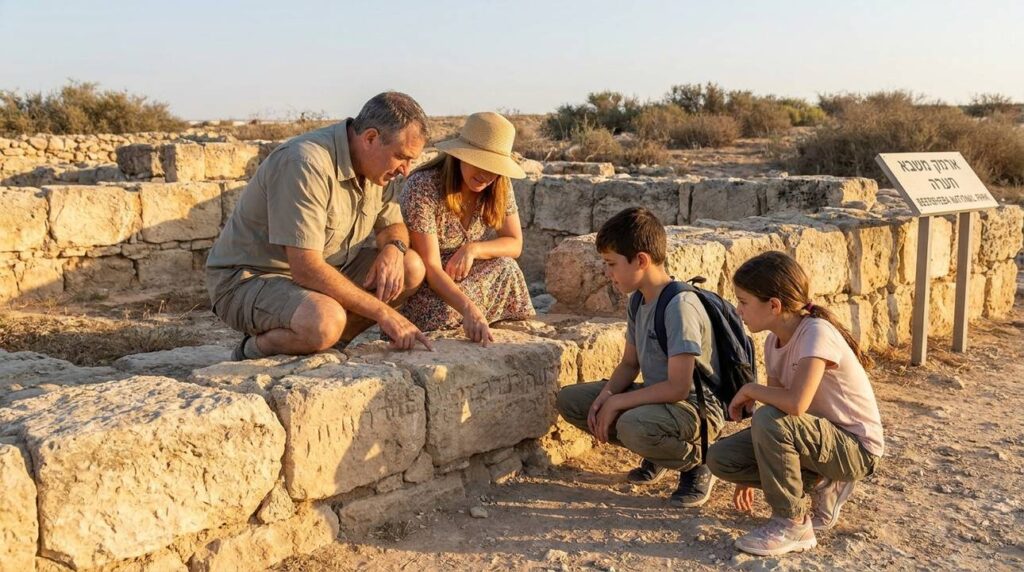

Beersheba is one of the best-known places in the Bible. It sits at the edge of the Negev desert in the south of Israel. This article walks through its history, from the stories of the patriarchs to the ruins that archaeologists have uncovered.
The Bible links Beersheba to covenants, wells, and the journeys of Abraham, Isaac, and Jacob. Later it became a marker for the southern edge of the land. These pages explain what the place meant and what can still be seen there today.
The Geographic Location of Beersheba
Beersheba is in the southern part of present-day Israel, at the northern edge of the Negev desert. In ancient times it was a meeting point for routes running north and south. The Bible connects it closely with Abraham, Isaac, and Jacob.
Its location made it a useful stop for trade and travel. Knowing where it sat helps explain why it appears so often in the biblical story.
The name Beersheba comes from two Hebrew words: ‘Be’er’ (well) and ‘Sheva’ (which can mean ‘seven’ or ‘oath’). According to the book of Genesis, the name marks both the wells dug there and an oath sworn there. Water was precious in this dry land.
In Genesis, Isaac’s servants dug a well at Beersheba and found water. The story ties the place to survival and to the promises made beside its wells.
According to Genesis, Abraham and the local ruler Abimelech swore an oath at Beersheba, and this is one reason the name is linked with the word for ‘oath.’
The wells there were vital for people and flocks. They stood for both daily survival and the agreements made over water rights. These details help explain Beersheba’s lasting place in the biblical account.
Beersheba in the Tanakh
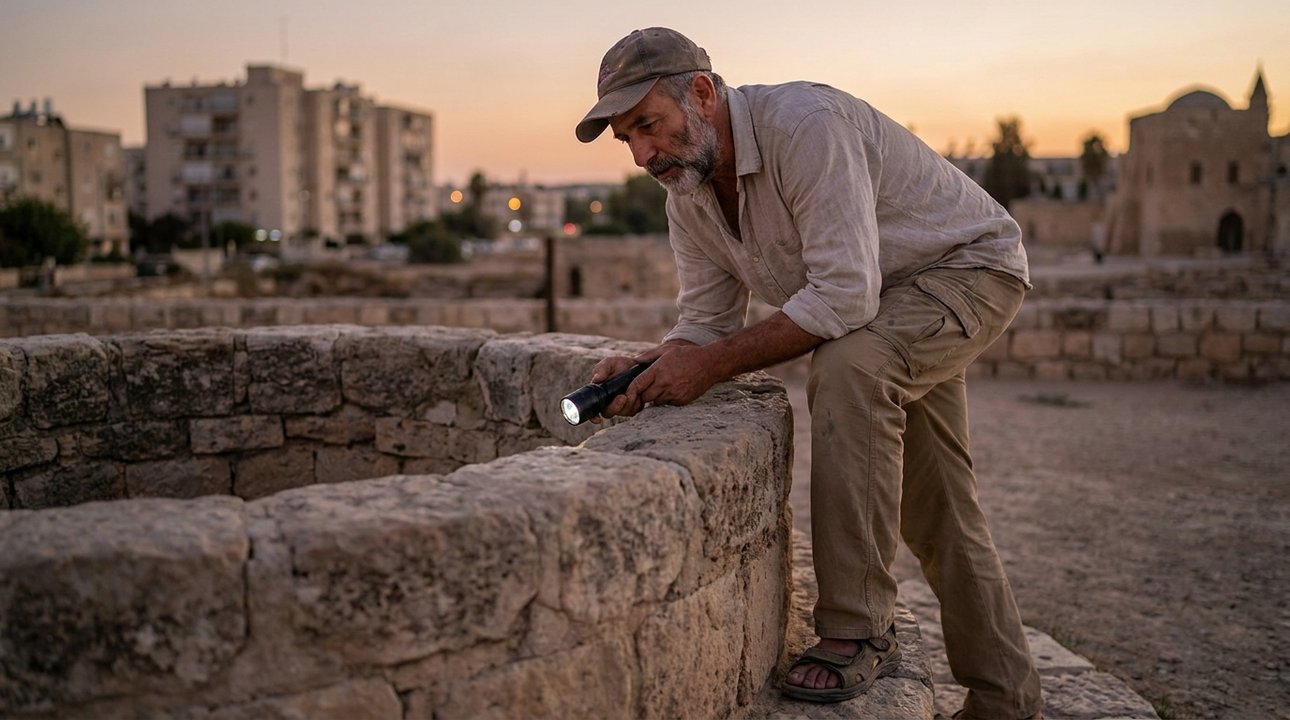
The Tanakh (the Hebrew Bible) mentions Beersheba many times. It appears in the stories of Abraham, Isaac, and Jacob as a place of worship and important events.
This shows that Beersheba was more than a dot on the map. In the biblical narrative it was a place where oaths were sworn and altars were built.
According to Genesis, when Jacob (also called Israel) set out for Egypt, he stopped at Beersheba and offered sacrifices to God.
The account presents this as a pause before a long journey. It is one of several passages that give Beersheba a role in the family story of the patriarchs.
Beersheba marked the southern edge of the land of Israel. The phrase ‘from Dan to Beersheba’ appears often in the Bible to describe the whole country, from north to south.
Beersheba was a chief town of the Negev and, at times, a regional center. Its steady presence in the biblical texts shows how well known it was.
As a southern landmark, Beersheba helped define the borders of the land in the biblical record. Writers used it as a fixed point when they described how far the land of Israel stretched.
This role as a boundary marker is part of why the town is named so often. It stood at the far south, where settled land gave way to the desert.
Archaeological Discoveries in Beersheba
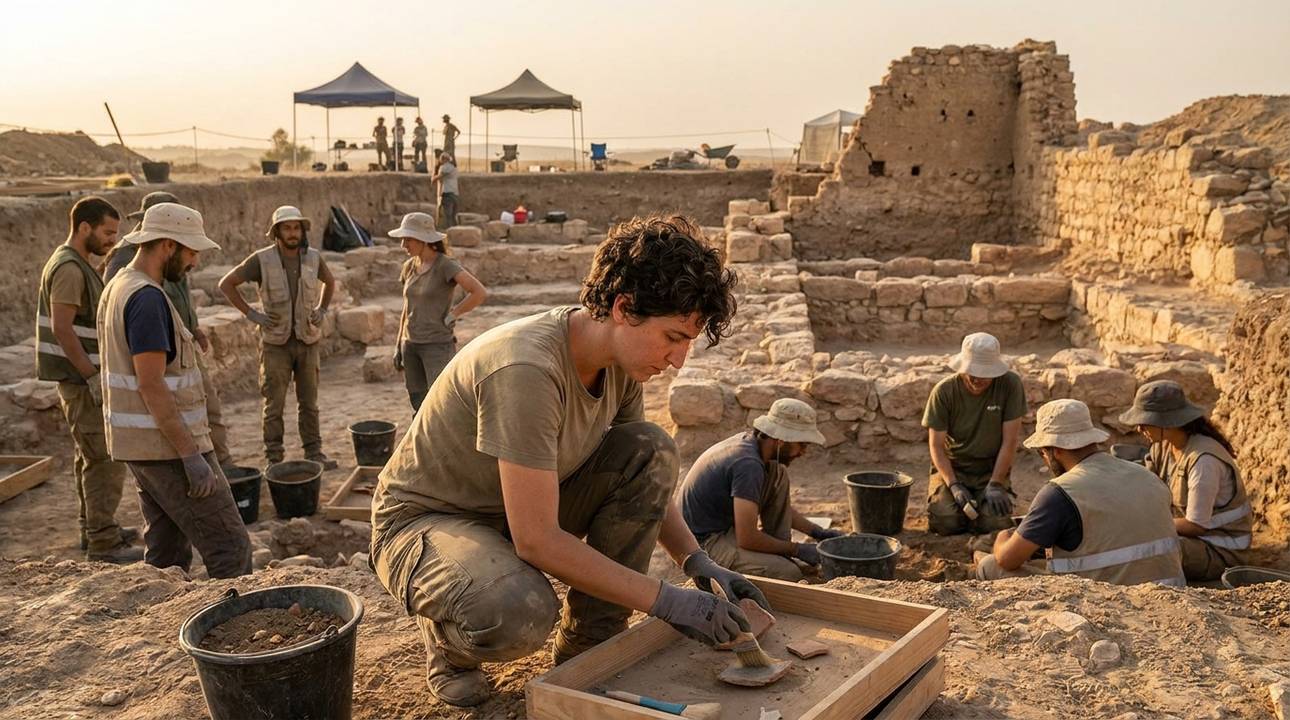
Archaeologists have dug at Tel Be’er Sheva, a mound a few miles east of the modern city. The main excavations ran from 1969 to 1976, led by Yohanan Aharoni and later Ze’ev Herzog.
They uncovered a planned Iron Age town with a strong wall, a city gate, and streets. Pottery and other finds help show how people lived there long ago.
A deep well stood near the town gate, and the site had a large underground water system. These supplied water in a dry region.
Wells were also gathering places where people met and made deals. The finds fit the biblical picture of Beersheba as a settled town built around its water.
The site includes the remains of a fortified Iron Age town. Its wall and gate show that it was built for defense and order.
Storehouses and public buildings point to a place that was organized and run by officials. These remains match the picture of Beersheba as an important southern town.
The layers at Tel Be’er Sheva show a town that was built, used, and rebuilt over a long time. Archaeologists have found signs of careful planning, including streets and drainage.
Storage buildings suggest the town could support many people. In 2005 the site was listed by UNESCO as a World Heritage Site, together with other biblical tels.
Beersheba’s Role in Historical Narratives
In the biblical texts, Beersheba is the setting for several key stories. It is where Abraham and Isaac each made an oath with Abimelech.
These accounts stress promises and survival in a hard land. They are a large part of why Beersheba is remembered.
Beersheba also appears in the words of the prophets. In the book of Amos, the prophet warned people not to travel to Beersheba to worship, because the worship there had gone wrong.
This shows that Beersheba had become a well-known place of pilgrimage. The warning called people back to honest and fair living.
These references show that Beersheba was more than a town. In the biblical story it stood for the heritage and choices of the people.
Because of this, the place kept its meaning long after the events it is tied to. It remains a point of interest for anyone studying the Bible.
Contemporary Understanding of Beersheba
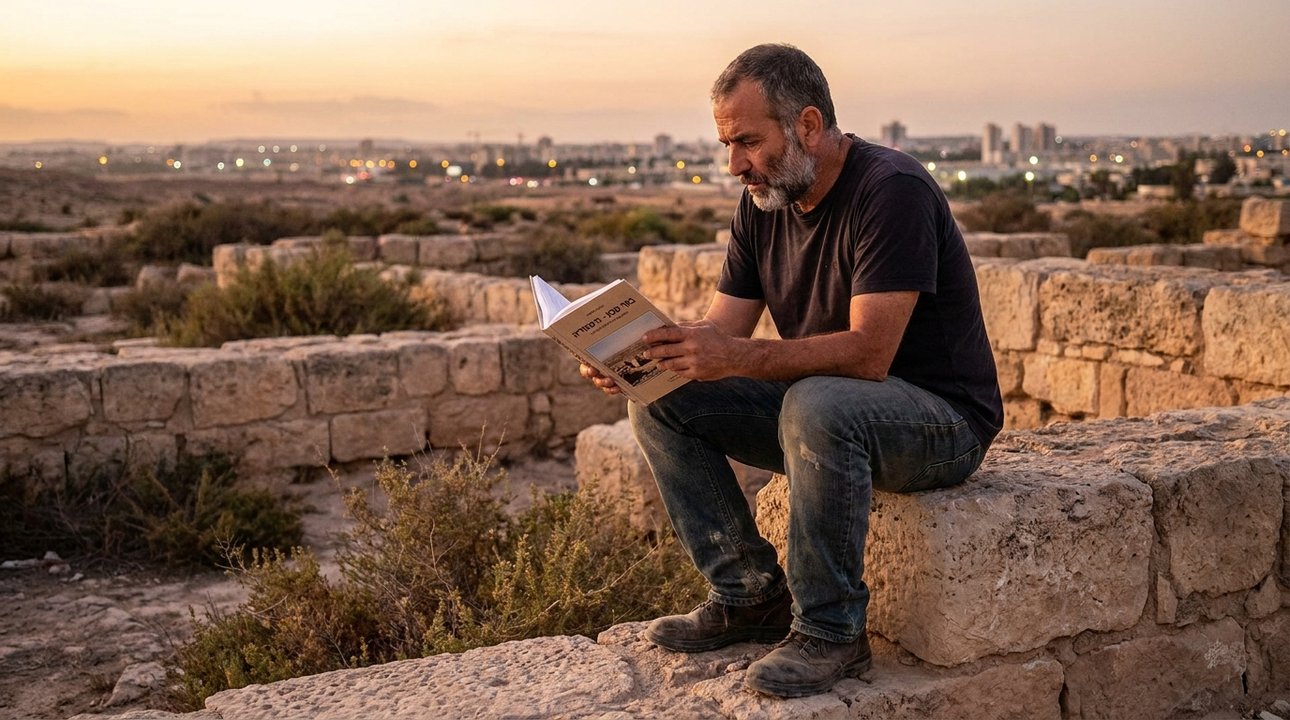
Today Beersheba is a modern city in southern Israel. It has grown from an ancient site into a busy urban center, known for its university and technology.
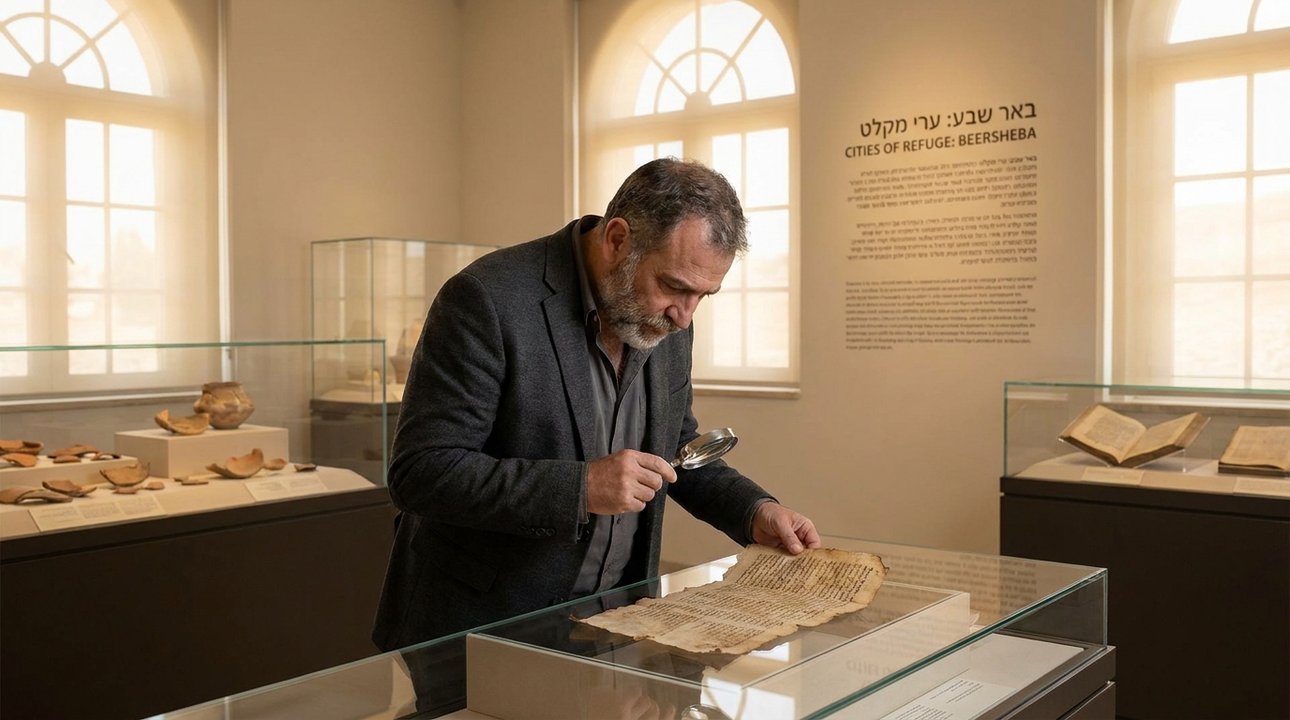
The modern city sits right next to its ancient past. Archaeological sites and museums nearby keep that long history in view.
The modern city shows how Beersheba has changed while keeping its old roots.
It is now a center for education and technology. Its history remains a source of local pride.
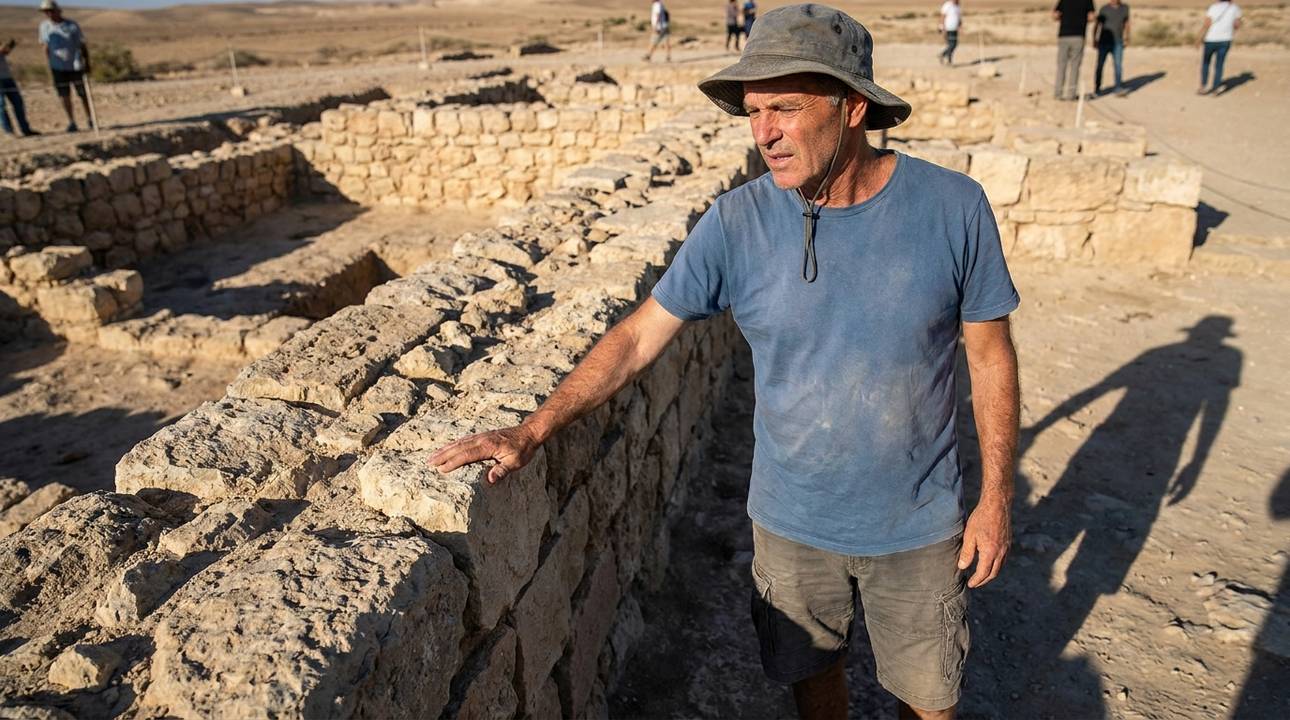
The ancient site is preserved at Tel Be’er Sheva, a short distance from the modern city. The ruins show the layout of the old town, including its gate and its well.
The remains give a clear sense of how the town was planned. It is one of the best-preserved Iron Age towns in the region.
The remains at Tel Be’er Sheva have been carefully preserved and studied.
The site includes parts of the wall, public buildings, and homes. Together they show how people lived in this southern town in ancient times.
The Map of Beersheba: Historical Context
On maps of the biblical world, Beersheba sits near the southern edge of the land. It stood at a crossing point for people moving toward the Negev desert.
Old maps often mark its wells and roads. These features show why the town mattered as a place of water and rest.
Maps show Beersheba as a link between different regions. It lay on the way between the Mediterranean coast and the inland routes.
This position helped it grow as a place of trade and contact. Travelers and traders passed through on their journeys.
Because of its location, Beersheba was a natural stop for trade and travel. Goods and ideas passed through it, adding to the life of the region.
At times it also served as a local administrative center. Its place at the meeting of routes kept it important for a long time.
Beersheba also appears in accounts of long journeys through the land. Archaeological finds, such as old roads and storehouses, back up its role as a well-built town.
These finds show that the town supported both trade and travel. This mix of roles made it a key place in the ancient Near East.
A map of biblical Beersheba helps explain the trade routes of the time. The town lay on paths that linked Egypt with the lands to the north and east.
Seeing it on a map shows how closely its story is tied to the journeys of Abraham, Isaac, and Jacob. All three are connected with this place in the book of Genesis.
Its place on the map shows how Beersheba linked different peoples and regions. Goods, ideas, and customs moved along these routes.
This flow added to the culture of the area. It is part of why Beersheba is remembered in the biblical story.
According to Genesis, covenants were made at Beersheba, marking it as a place of peace and agreement. This gives the town a role in trade and in diplomacy alike.
The agreements often centered on water rights, which were vital in this dry region. They show how important it was to manage water well in ancient times.
Beersheba is also tied to the lives of the patriarchs. According to Genesis, altars were built there, which added to its standing as a place of worship.
This mix of roles, worship, trade, and travel, made Beersheba stand out. Its place in the biblical story has kept its name alive for centuries.
Understanding Beersheba in the Bible
