Understanding the Role of Gerar in the Bible
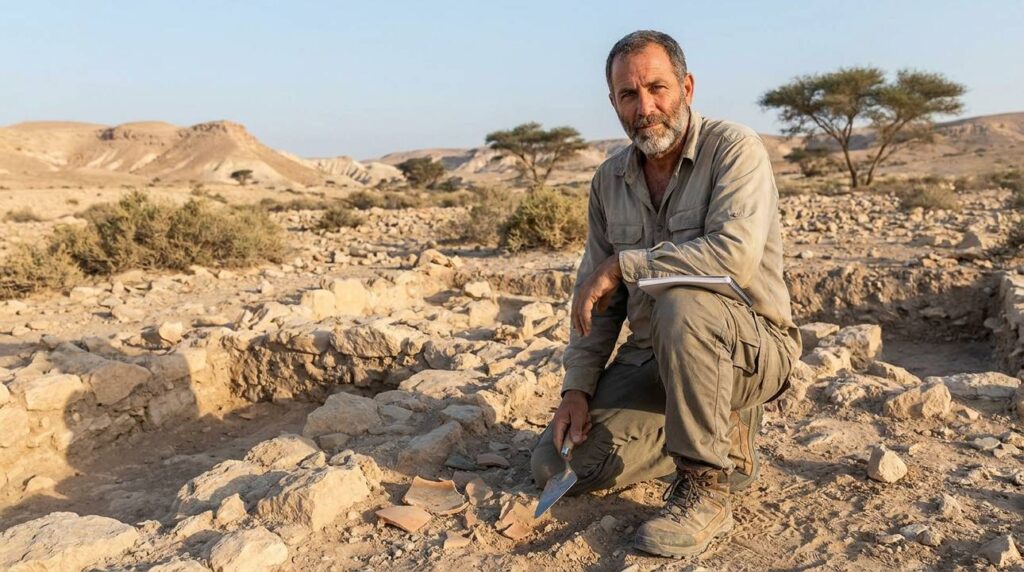

Gerar, an ancient city mentioned in historical texts, holds a significant place in regional narratives. Located in the southern region, it served as a noteworthy area for interactions among early communities.
In this article, we explore the geographical, historical, and cultural aspects of Gerar and its role in historical stories. Gerar’s strategic location made it a hub for trade and communication, influencing the lives of those who passed through or settled there.
The city’s presence in historical texts highlights its importance in the narratives of early leaders, providing a backdrop for their journeys and interactions.
By examining Gerar’s role in these stories, we gain insight into the broader historical and cultural context of the era, enriching our understanding of the ancient world.
What Is Gerar?
Gerar is referenced in several historical texts as a city in the southern part of the land, near the Negev Desert. In the narrative, Gerar is mainly associated with the stories of early leaders. These stories highlight its importance as a place of refuge and interaction.
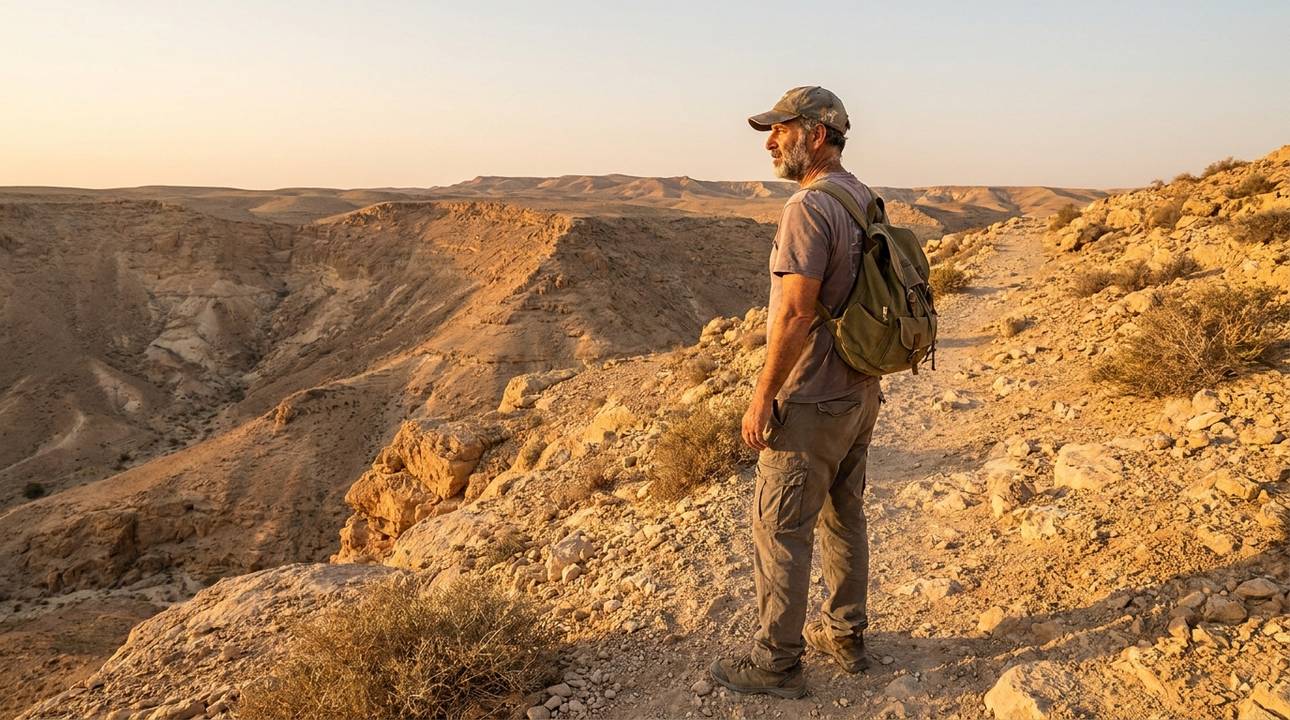
Gerar’s location near the Negev made it a strategic site for travel and communication, serving as a refuge during times of conflict or famine.
The city provided a backdrop for significant historical events, such as encounters with local rulers, which are detailed in various texts.
These encounters underscore the city’s role as a setting for diplomatic interactions, illustrating the complex relationships between early leaders and local rulers.
The city is thought to have existed near present-day Tell Jemmeh in Israel. This area is located in the Negev region, known for its history in ancient trade routes. Its geographical location made it a crossroads for travelers and communities in the ancient world. The strategic position allowed for interactions between different cultures and facilitated trade and communication, making it a vital hub during historical times.
The Negev’s harsh environment also shaped the character and endurance of its inhabitants, influencing the stories and events that unfolded there.
Gerar’s position as a key location in this region underscores its importance in the historical narrative and its role in the history of the ancient Near East.
Gerar in the Stories of the Patriarchs
Historical texts present Gerar as a setting for key events involving early leaders. In one narrative, a leader resides in Gerar temporarily, where he interacts with a local ruler.
This interaction involves a narrative about identity and kinship, highlighting concerns for family safety. The story also touches on themes of trust and misunderstanding, as the local ruler unknowingly takes the leader’s companion, believing her to be his sister.
The local ruler’s subsequent realization and his respectful return of the companion reveal the complexities of human relationships and leadership in historical contexts.
This episode underscores the importance of communication and integrity in leadership, as seen in the resolution between the leader and the local ruler. It also emphasizes the significance of Gerar as a place where pivotal historical events unfolded.
Similarly, another leader’s story in Gerar mirrors some aspects of the previous narrative. Historical texts recount his time in Gerar, where he too interacts with the local ruler, experiencing challenges and prosperity.
His success in the region, despite initial conflicts over resources, illustrates themes of perseverance and favorable outcomes, echoing earlier experiences. The narrative highlights his endurance and the importance of maintaining peace and cooperation with neighbors.
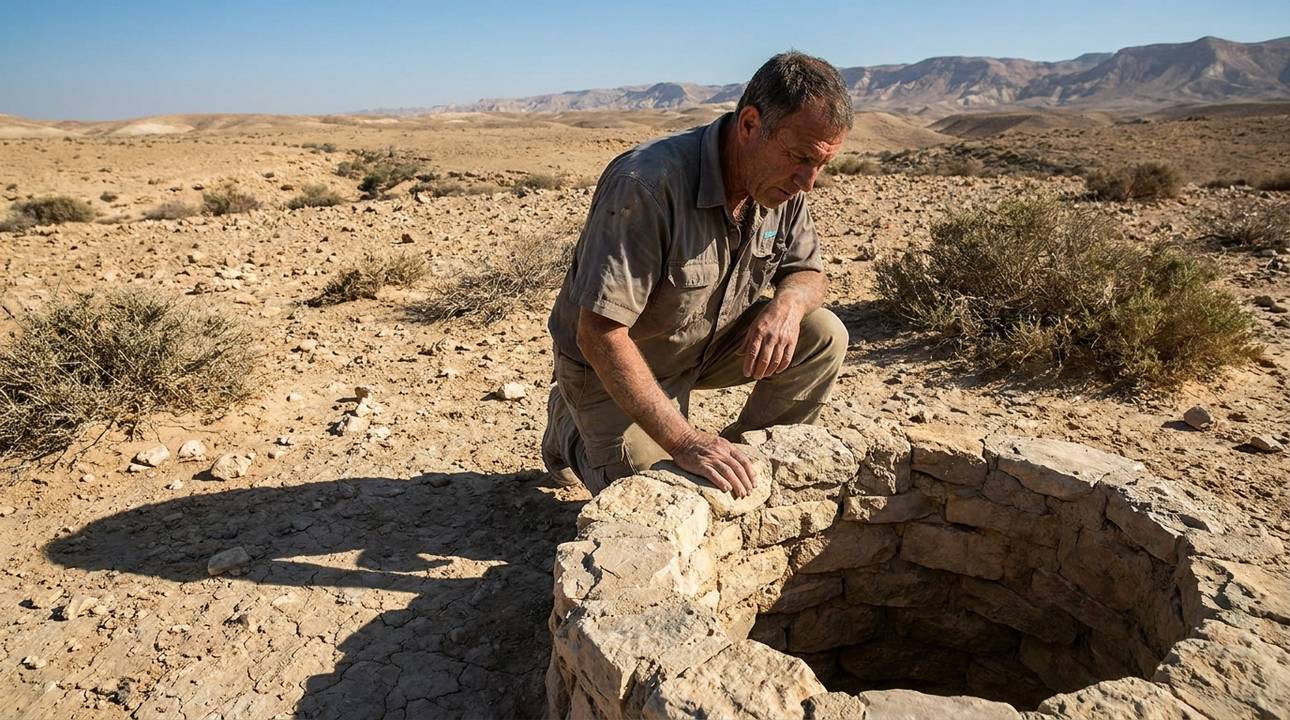
The story of the leader in Gerar also emphasizes the significance of water resources in the ancient world, as seen in the disputes over wells. These conflicts and their resolutions reflect the broader challenges of survival and coexistence in a land where water was a precious commodity.
His eventual success in establishing his own wells signifies the rewards of patience and diplomacy.
The Archaeological Perspective
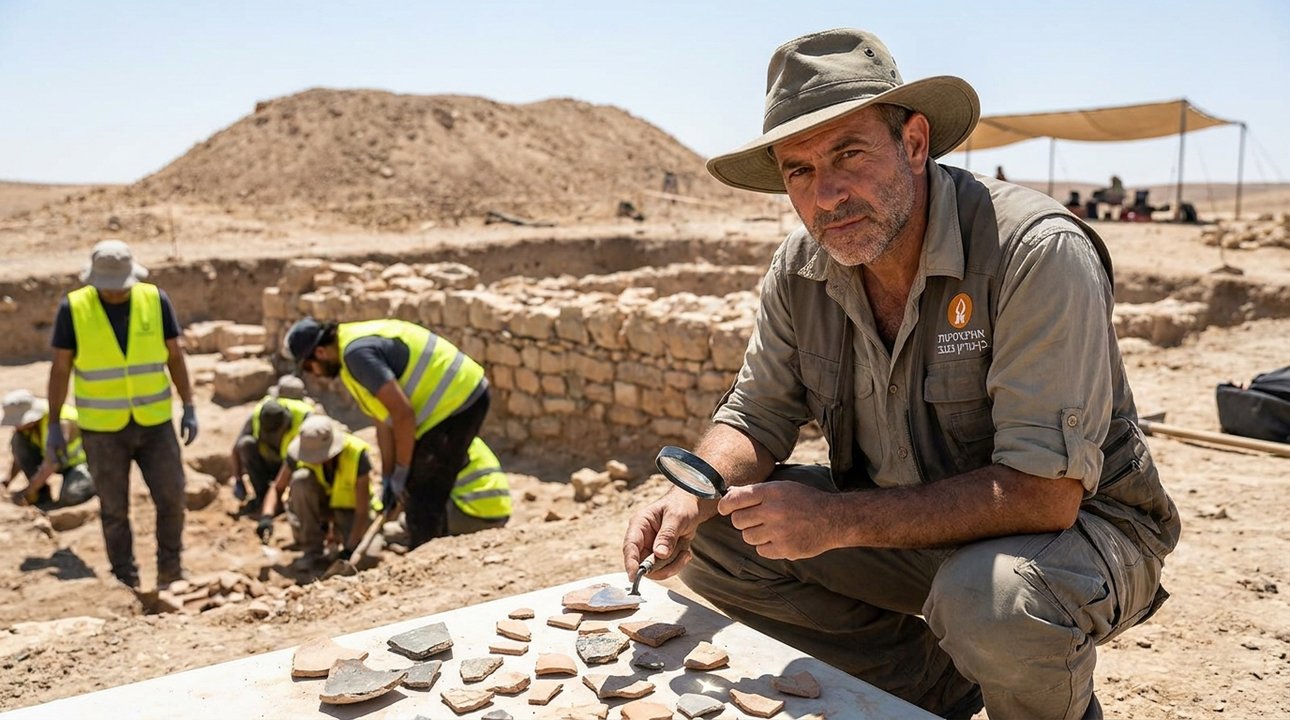
Although concrete archaeological evidence is limited, Tell Jemmeh provides some insights into what ancient Gerar might have been like. Artifacts such as pottery shards and remnants of buildings suggest a community. This site holds artifacts that suggest a once-thriving settlement with significant strategic importance in historical contexts. The findings imply that Gerar played a crucial role in regional trade and politics, serving as a hub for commerce and cultural exchange.
The remnants of buildings and everyday items found at Tell Jemmeh offer glimpses into the lives of those who lived in Gerar.
These artifacts provide valuable context for understanding the city’s role in the broader historical and cultural landscape of the ancient Near East.
Archaeologists believe that the city’s location provided both challenges and advantages for its inhabitants. The proximity to trade routes offered economic opportunities, while the arid climate posed difficulties. Excavations at Tell Jemmeh continue to offer glimpses into the past.
Discoveries include pottery and tools, which help reconstruct the daily lives of those who lived there, highlighting their adaptability and resilience. These findings paint a picture of a community that thrived despite environmental challenges.
Cultural and History of Gerar
Beyond historical narratives, Gerar is emblematic of cultural interactions in the ancient Near East. The stories set in Gerar highlight the interplay of ethics, leadership, and survival. These narratives contextualize the human experiences of the time, resonating with audiences throughout history.
For instance, the ethical dilemmas faced by figures in Gerar reflect the moral complexities that defined their lives and decisions.
The interactions in Gerar also illustrate the blending of different cultures and traditions, as seen in the exchanges between early leaders and local rulers.
This cultural interplay is evident in the way the local ruler and his people respond to the presence of the leaders, showcasing the mutual respect and coexistence that were possible despite differences.
Gerar’s presence in historical texts underscores its importance as a historical marker in the region. It is mentioned in various narratives, showing the complex geopolitical and cultural landscape of the ancient world.
The interactions between figures and local rulers reflect the intricate relationships and power dynamics of the time, illustrating the challenges of leadership and diplomacy.
These stories reveal the delicate balance of power and the necessity of negotiation and respect in maintaining peace.
Gerar’s role as a setting for these narratives highlights its significance in the historical world, providing a lens through which we can better understand the historical context of the leaders’ lives.
Gerar in Modern Understanding
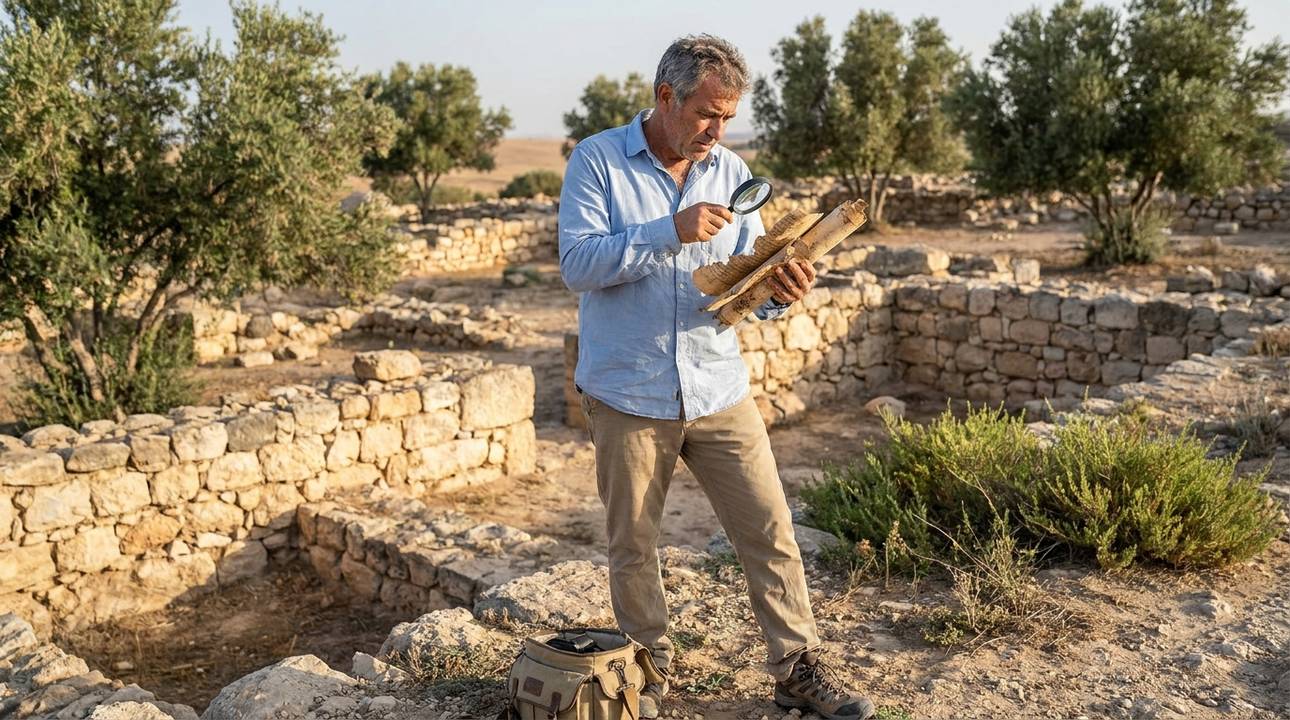
Today, Gerar’s historical role is studied through a combination of texts and archaeological findings. Historical references to Gerar provide a framework for its history. Scholars continue to explore its contributions to historical narratives and its real-world impact on ancient societies. This ongoing research enriches our understanding of the region’s historical and cultural development.
Modern insights offer a richer understanding of Gerar’s place in history, blending textual analysis with physical evidence. This includes examining ancient texts alongside archaeological findings.
This fusion deepens our appreciation of how ancient places influence contemporary perspectives on history. By understanding Gerar’s role, we gain a clearer picture of the interconnectedness of past civilizations and their impact on the present.
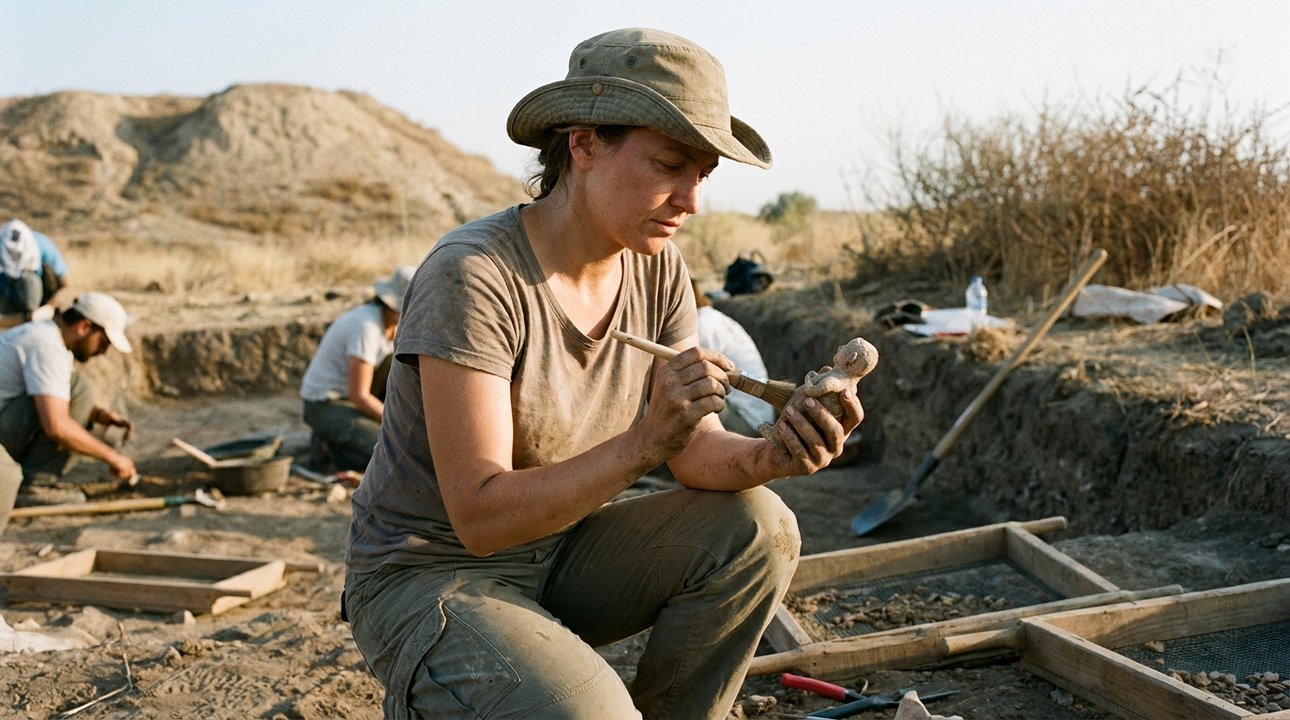
Archaeological discoveries, such as those at Tell Jemmeh, provide tangible evidence of Gerar’s history. These findings help us reconstruct the daily lives and interactions of its inhabitants, offering a window into the past that complements historical narratives.
Understanding Gerar